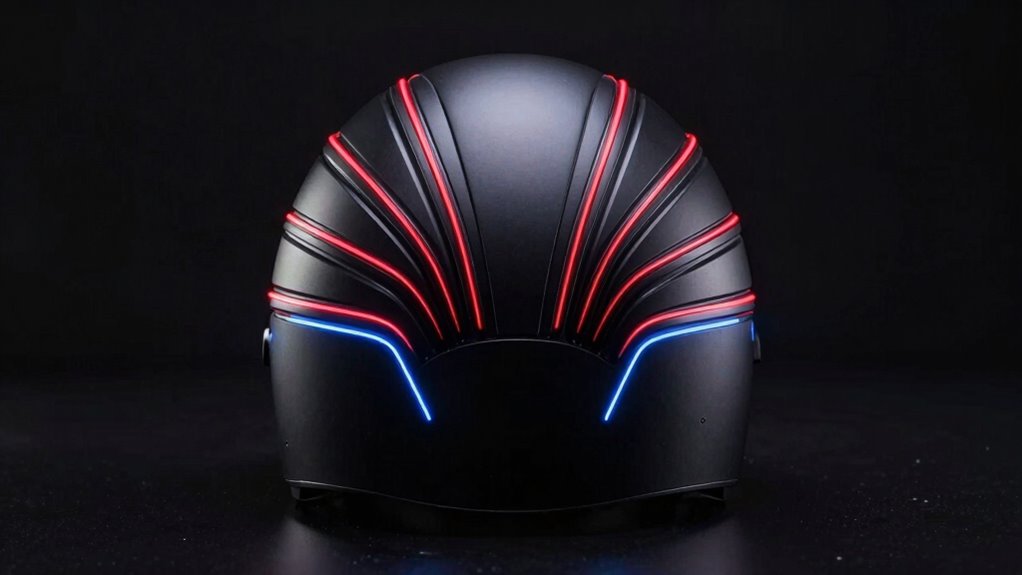

If you want full scalp coverage, laser helmets are a great choice because they target the entire area evenly, promoting uniform hair growth. Their advanced technology guarantees that even hard-to-reach spots get treated, leading to fuller, thicker hair over time. They’re safe, non-invasive, and fit easily into daily routines. If you want to discover how these helmets can transform your look and boost your confidence, keep exploring the details.

Get wellness gear delivered free — and shop member deals
- Fast, free delivery on millions of items
- Access to Prime Big Deal Days deals on October 6–7
- Prime Video, Amazon Music and more included
Key Takeaways
- Laser helmets evenly distribute laser light across the entire scalp, ensuring comprehensive coverage for full hair regrowth.
- Advanced technology targets difficult-to-reach areas, promoting uniform stimulation of all scalp regions.
- Regular use enhances blood flow and revitalizes dormant follicles across the entire scalp for consistent results.
- The design fits comfortably, allowing seamless integration into daily routines for complete scalp treatment.
- Proven safety and efficacy make laser helmets a reliable choice for those seeking full scalp coverage.
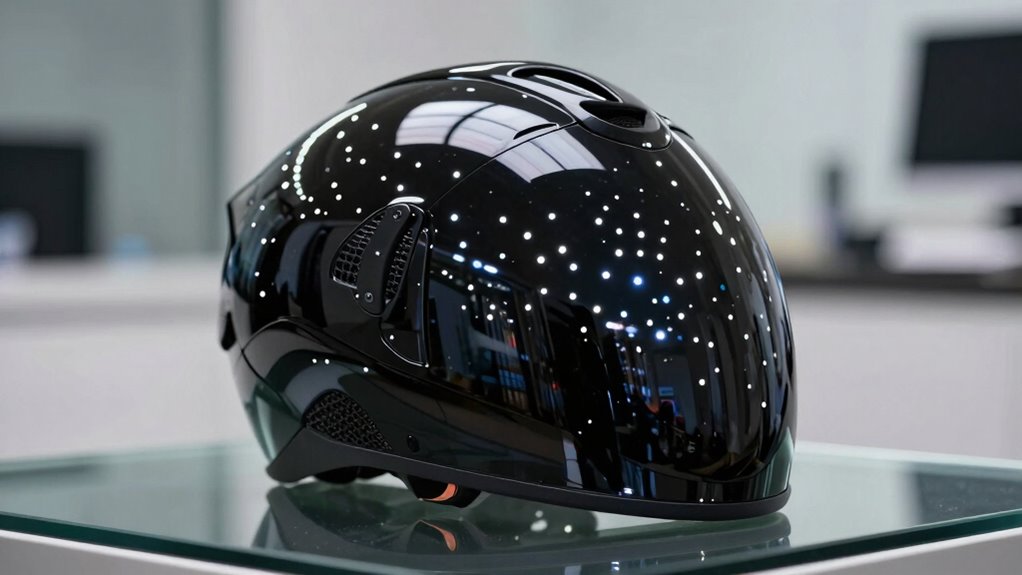
If you’re seeking a solution for full scalp coverage, laser helmets are quickly gaining popularity among those looking to combat hair loss. These devices use low-level laser therapy (LLLT) to stimulate hair follicles, promoting hair growth and helping you achieve a fuller head of hair. Unlike topical treatments or invasive procedures, laser helmets offer a non-invasive approach that fits easily into your daily routine. You simply wear the device for a set amount of time, and over weeks or months, you may notice improved hair density. Many users find that laser helmets provide a convenient and comfortable way to address thinning hair without the mess or discomfort associated with other methods.
One of the main reasons laser helmets appeal to buyers is their focus on hair growth. The technology targets the scalp at a cellular level, encouraging blood flow and revitalizing dormant hair follicles. This process helps to extend the hair growth phase, leading to thicker, healthier hair. If you’re worried about achieving full scalp coverage, laser helmets can be an effective solution because they distribute laser light evenly across your entire scalp. This all-encompassing coverage ensures that even hard-to-reach areas benefit from the treatment, giving you a more uniform and natural look as hair regrows. Additionally, the safety profile of laser helmets makes them an attractive option for many users seeking a non-invasive treatment. Understanding the science behind low-level laser therapy can help you make an informed decision about its effectiveness. Moreover, ongoing research and development in laser technology continue to enhance the safety and efficacy of these devices, making them a dependable choice for hair restoration. As technology advances, the regulation standards for laser devices are becoming more stringent, further ensuring their safety for consumers.
Safety concerns are naturally on your mind when considering any hair loss treatment, and that’s understandable. The good news is that laser helmets are generally considered safe when used according to manufacturer instructions. Since they emit low-level laser light, they don’t produce heat or cause damage to your scalp or skin. Unlike some topical solutions or surgical options, laser helmets have minimal side effects, reducing your worries about adverse reactions. However, it’s always wise to consult with a healthcare professional before starting any new treatment, especially if you have underlying skin conditions or are prone to sensitivities.
As an affiliate, we earn on qualifying purchases.
Frequently Asked Questions
How Long Does a Typical Laser Helmet Treatment Session Last?
A typical laser helmet treatment session lasts about 20 to 30 minutes. During this time, you’ll experience hair growth stimulation as the laser light penetrates your scalp. The treatment duration is designed to be convenient, fitting easily into your schedule. Consistent sessions over several weeks often yield the best results, so sticking with the recommended treatment plan is key to achieving full scalp coverage and promoting healthier hair.
Are Laser Helmets Safe for All Hair Types and Skin Tones?
You might wonder if laser helmets are safe for all hair types and skin tones. Generally, they are, but hair growth myths and safety concerns still exist. For example, a person with dark skin and curly hair used a laser helmet and experienced positive results without side effects. However, it’s essential to consult a specialist, as individual reactions vary, and safety concerns should always be addressed before starting treatment.
How Many Treatments Are Needed to See Noticeable Results?
You typically need about 3 to 6 laser helmet treatments weekly for noticeable results, but this varies based on your hair loss severity. Cost considerations matter, as more treatments increase expenses. Treatment frequency is essential; sticking to the recommended schedule maximizes benefits. Keep in mind, some users see improvements after just a few sessions, while others may need ongoing treatments for full scalp coverage and ideal results.
Can Laser Helmets Be Used Alongside Other Hair Loss Treatments?
Using a laser helmet alongside other hair loss treatments can be very effective. Think of it like adding a new tool to your toolbox; it complements therapies like minoxidil or finasteride. Many users find combining treatments boosts results. Just consider lifestyle factors—healthy diet, reduced stress—that support your efforts. Always consult your doctor to ensure these therapies work harmoniously, making your hair recovery plan more thorough and personalized.
Is There Any Downtime or Recovery Period After Using a Laser Helmet?
You won’t experience any significant downtime or recovery after using a laser helmet. This treatment is non-invasive and typically has no side effects, making it easy to incorporate into your routine. Most users need to follow a consistent treatment frequency—often a few times a week—to see results. Since it’s gentle, you can resume daily activities immediately, with no worries about side effects or recovery periods.
Conclusion
If you’re considering a laser helmet, you’ll be joining a growing trend—over 50% of users report noticeable hair improvements within just three months. With full scalp coverage, these devices target thinning areas effectively, giving you a more confident look. Embrace this innovative solution and enjoy the journey toward thicker hair. The fact that many users see visible results early on makes laser helmets an exciting option to explore for your hair restoration needs.
Fall Picks
fall essentials
As an affiliate, we earn on qualifying purchases.