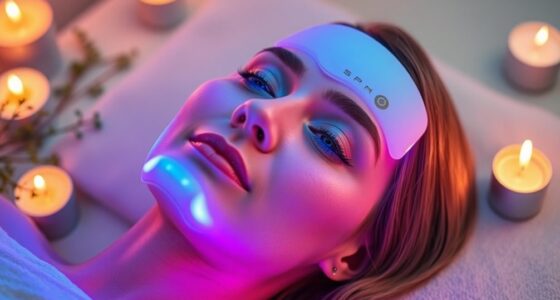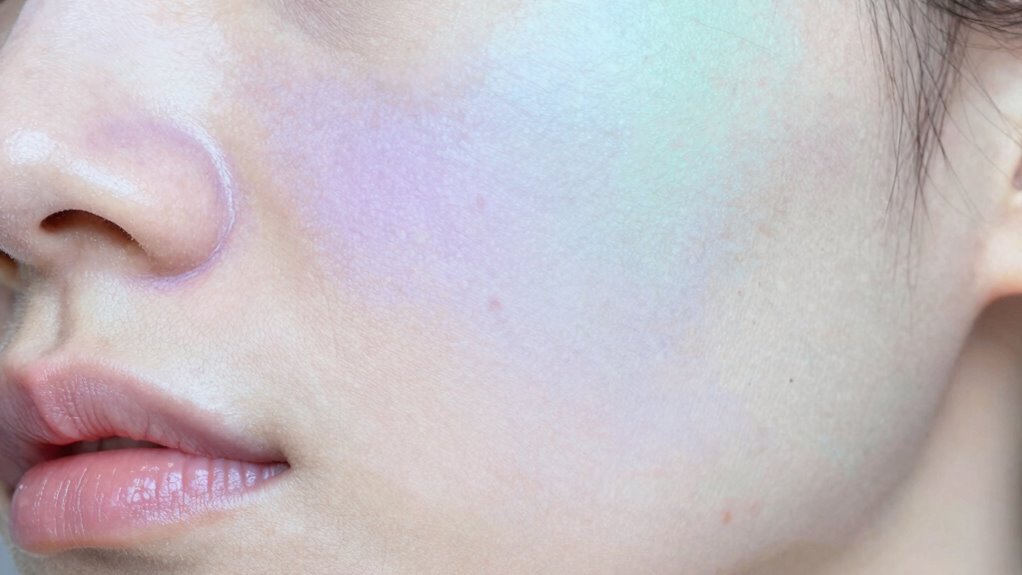

To fade post-acne hyperpigmentation, green and blue light are most effective; green light helps diminish discoloration and balance skin tone, while blue light reduces redness and inflammation. Violet can inhibit melanin production and promote renewal, making these colors ideal for treating brown spots and pigmentation issues. Combining these color therapies with a proper skincare routine can boost results. If you keep exploring, you’ll discover how to use these colors safely and effectively for a more even complexion.
Key Takeaways
- Blue and violet light inhibit melanin production and promote skin renewal, effectively lightening dark PIH spots.
- Green light helps diminish discoloration and balance skin tone, reducing the appearance of post-acne marks.
- Combining blue or green light therapy with holistic skincare enhances the fading process of PIH.
- Consistent, targeted light therapy sessions yield the best results in reducing post-acne hyperpigmentation.
- Using reputable devices with proper safety features ensures effective and safe treatment of post-acne marks.
What Causes Post-Acne Dark Spots and How Light Therapy Can Help
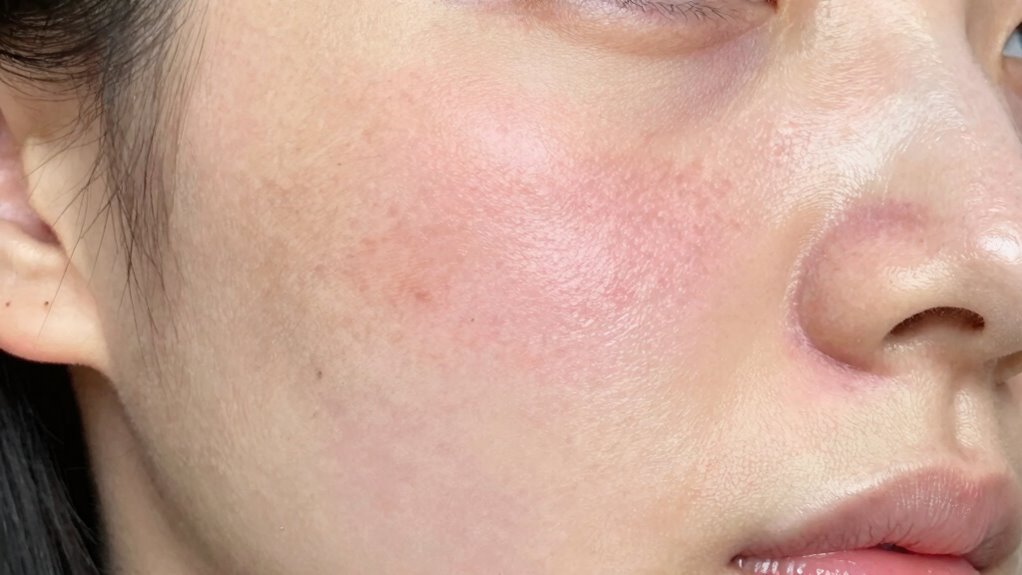
Post-acne dark spots, also known as post-inflammatory hyperpigmentation, occur when your skin produces excess melanin in response to inflammation or injury from acne. To prevent these spots from becoming permanent, practicing acne scar prevention is essential, including proper skincare routines. Unfortunately, many skincare ingredient myths circulate, leading you to use products that may not help or could worsen hyperpigmentation. For example, some believe only harsh treatments work, but gentle ingredients like vitamin C and niacinamide can brighten your skin and reduce dark spots effectively. Light therapy can also target hyperpigmentation directly, breaking down excess pigment. Understanding the true causes of post-acne marks and dispelling common skincare myths helps you make better choices for clearer, more even skin. Additionally, waterproof sunscreens can protect your skin from UV rays, which may worsen hyperpigmentation and hinder recovery. Incorporating evidence-based skincare ingredients is crucial for effective treatment, as they have been proven to improve hyperpigmentation outcomes. Recognizing the role of skin melanin production in hyperpigmentation allows for more targeted and effective therapies.
How Light Therapy Works to Reduce Hyperpigmentation
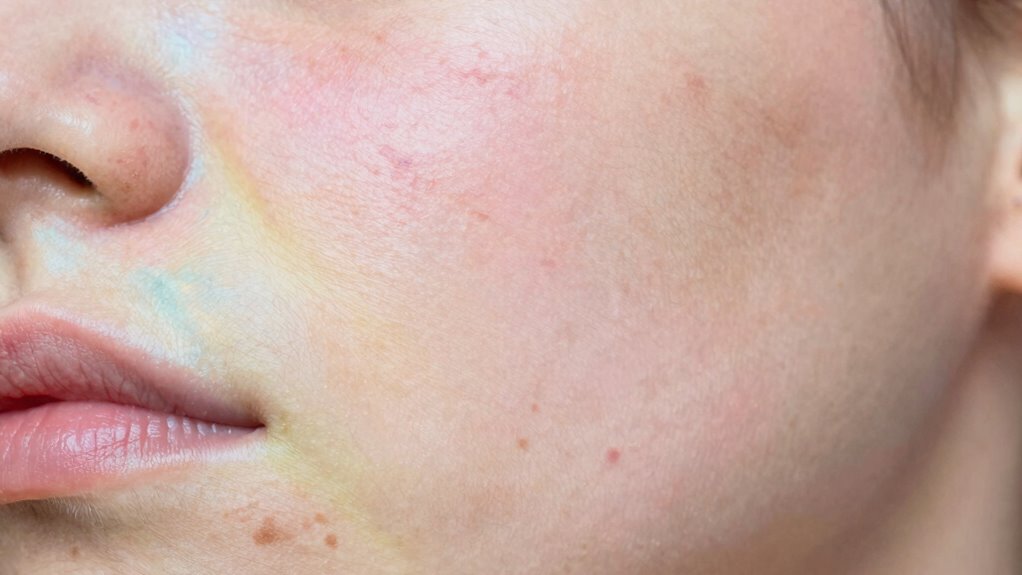
Light therapy works by using specific wavelengths of light to target the excess melanin that causes hyperpigmentation. LED wavelengths penetrate the skin at different depths, allowing targeted treatment of pigmented areas. These wavelengths are chosen based on their ability to interact with skin pigmentation, breaking down excess melanin without harming surrounding tissue. When you expose your skin to the right LED light, it stimulates cellular activity that helps disperse melanin deposits. This process gradually lightens dark spots and evens out skin tone. Additionally, the penetration depth of different wavelengths influences how effectively they can treat various layers of skin, making wavelength selection crucial for optimal results. The effectiveness of light therapy can also depend on factors such as contrast ratio, which influences how well the treatment images are perceived and the clarity of results. Consistent treatments with specific LED wavelengths can effectively reduce hyperpigmentation caused by post-acne marks. Proper DIY tools and safety precautions are essential to ensure effective and safe light therapy sessions. By focusing on the skin’s pigmentation, light therapy offers a non-invasive way to improve your skin’s appearance and promote a clearer, more even complexion.
Which Light Colors Help Fade Red and Pink Post-Acne Marks
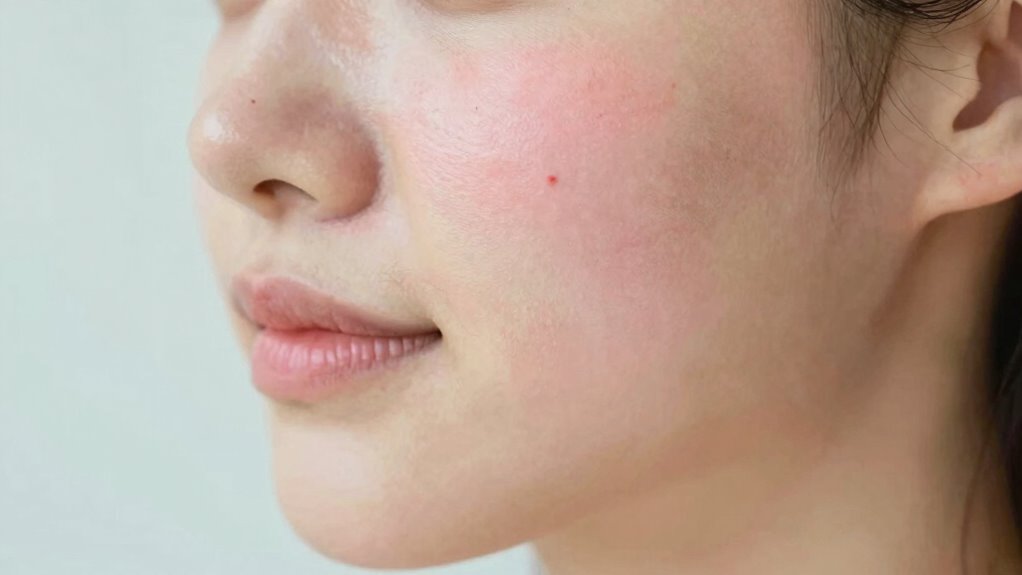
Red and pink post-acne marks, which are often caused by lingering blood vessels and inflammation, respond well to specific wavelengths of light. In color therapy, certain light wavelengths target these vascular issues effectively. Blue and green light are especially beneficial, as they penetrate the skin to reduce redness and inflammation. Blue light, with its shorter wavelength, kills bacteria and calms the skin, while green light helps to fade the appearance of red and pink marks by balancing pigmentation. Using these colors in light therapy can accelerate healing and make post-acne marks less noticeable. Understanding skin healing processes can help you choose the right light wavelength to target these marks directly, promoting clearer skin and a more even complexion over time. Additionally, incorporating holistic skincare practices may enhance the effectiveness of light therapy in your healing routine, especially when combined with proper skincare routines tailored to your skin type.
What Colors Brighten and Lighten Brown Spots
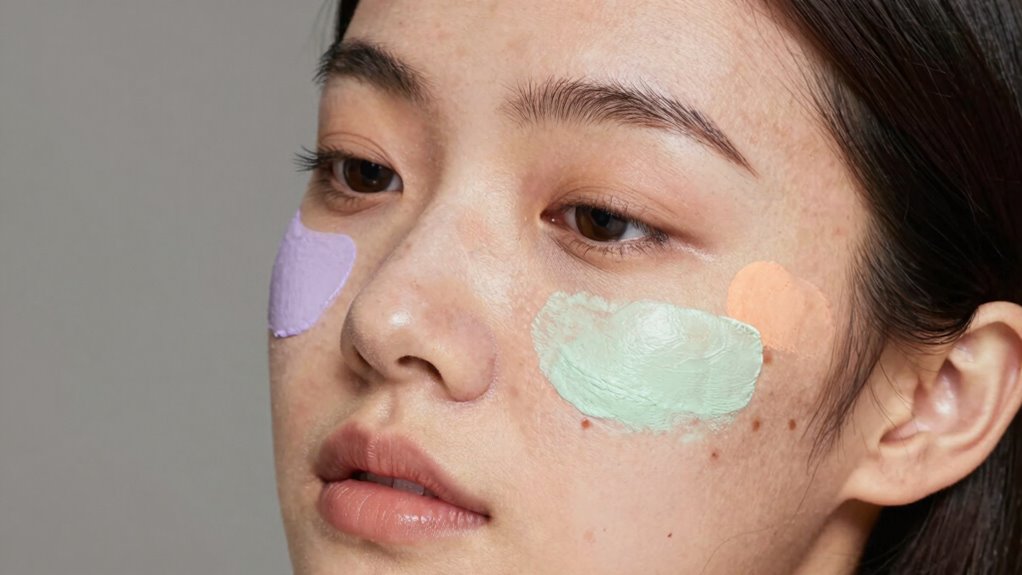
Brightening brown spots often involves targeting pigmented areas with specific light colors that can break down excess melanin. Color therapy uses these hues to stimulate skin brightening and reduce hyperpigmentation. Light colors like blue and violet are effective because they can inhibit melanin production and promote skin renewal. They penetrate deeper layers, helping to lighten dark spots over time. Additionally, green light can assist in balancing skin tone and diminishing discoloration caused by PIH. Understanding light therapy can help you select the most suitable hues for your skin type and pigmentation concerns. Incorporating targeted color treatments into your skincare routine can enhance overall results. Recognizing the importance of skin-specific responses to light therapy allows for more personalized and effective treatments. When choosing colors, considering your skin’s melanin response can optimize treatment efficacy. By choosing the right colors for your skin, you enhance your skin brightening efforts naturally and non-invasively. Consistent use of targeted light therapy can lead to a more even complexion and fade brown spots, giving your skin a healthier, luminous appearance.
How to Combine Light Therapy With Other Acne Treatments

Combining light therapy with other acne treatments can enhance your skin’s healing process and improve overall results. To do this effectively, you should consider combining topical treatments like retinoids or benzoyl peroxide with your light therapy sessions. Applying these treatments before or after your sessions can boost their effectiveness, but always follow your dermatologist’s guidance to avoid irritation. Scheduling light therapy sessions strategically is key; space them out to allow your skin to recover from topical treatments while maximizing their combined benefits. Keep in mind that some products may increase photosensitivity, so it’s important to adjust your routine accordingly. Incorporating skin healing strategies can further support your recovery process. Consistency and communication with your skincare provider will help you achieve the best outcome and reduce the risk of adverse effects.
Tips for Safely Using Light Therapy at Home

When using light therapy at home, make sure you choose reputable devices to guarantee safety and effectiveness. Always follow the manufacturer’s instructions carefully to avoid any skin irritation or misuse. It’s also wise to consult skin professionals regularly to monitor your progress and adjust your treatment plan as needed. For optimal results, consider selecting devices that incorporate regional flavor insights to better understand how different skin types may respond. Additionally, being aware of support networks for new fathers can provide valuable emotional guidance during your skincare journey. Being mindful of ethical considerations in consumer choices ensures you make informed decisions that align with your values throughout your skincare routine. Moreover, understanding travel safety tips can help you maintain your skincare regimen while on the go or visiting new destinations. Proper device maintenance is essential to ensure consistent and safe light therapy sessions.
Choose Reputable Devices Carefully
Choosing the right light therapy device is essential for safe and effective at-home treatment. You should prioritize device safety by selecting products from reputable brands that adhere to strict quality standards. Reputable brands often provide reliable safety features and have undergone clinical testing, reducing risks of side effects. Avoid devices with dubious origins or unverified claims, as these can pose safety hazards or deliver ineffective results. Carefully research each device’s certifications and user reviews to ensure credibility. Investing in a reputable brand not only enhances your safety but also improves your chances of achieving desired results. Remember, the device you choose plays a crucial role in your treatment’s success, so take the time to select wisely and prioritize safety above all. Additionally, choosing devices from brands known for their smart security and office gear can ensure better quality and reliability. Incorporating proper device maintenance can further extend the lifespan and performance of your light therapy tools, ensuring consistent and safe results. Moreover, selecting devices with advanced safety features can provide an extra layer of protection during use. Incorporating compliance with safety standards ensures that your device adheres to recognized safety regulations, reducing potential hazards. For added peace of mind, look for devices with certified safety standards to guarantee compliance with safety regulations.
Follow Manufacturer Instructions Precisely
To guarantee safe and effective at-home light therapy treatments, it’s essential to follow the manufacturer’s instructions carefully. Proper adherence ensures ideal light therapy safety and prolongs device lifespan through proper device maintenance. Always read the user manual thoroughly before starting. Keep these tips in mind:
- Set the device at the recommended distance to avoid overexposure.
- Use the suggested treatment durations to prevent skin irritation.
- Clean the device as instructed to maintain hygiene and device function.
- Store the device in a cool, dry place when not in use to preserve its effectiveness.
Consult Skin Professionals Regularly
Are you unsure about how to safely use light therapy at home? It’s essential to seek a skin consultation before starting treatment. A professional can assess your skin type, monitor progress, and recommend suitable light colors and settings tailored to your needs. Regular guidance from skin professionals ensures you avoid potential side effects and optimize results. Even if you’re using devices designed for home use, professional advice helps prevent overexposure or improper use. Keep in mind that self-treatment without expert input can lead to unintended damage or ineffective outcomes. Scheduling periodic check-ins allows your dermatologist or skincare specialist to adjust your regimen as needed. Prioritize professional guidance to safely incorporate light therapy into your post-acne marks treatment plan.
Frequently Asked Questions
Can Light Therapy Prevent Future Post-Acne Marks?
Yes, light therapy can help prevent future post-acne marks by promoting skin healing. You should focus on maintaining appropriate light intensity and treatment duration, as these factors influence effectiveness. Consistent sessions with the right settings stimulate collagen production and reduce inflammation, which minimizes the chances of marks forming. Remember, consulting a dermatologist ensures personalized guidance, maximizing benefits while avoiding potential skin damage from improper light therapy use.
Are Certain Skin Types More Responsive to Specific Light Colors?
Yes, your skin tone influences how your skin responds to different light colors. Lighter skin tones typically react more effectively to blue and red light, reducing pigmentation and inflammation. Darker skin tones may need specific wavelengths like near-infrared to minimize pigmentation response and prevent hyperpigmentation. Understanding your skin tone helps tailor light therapy for ideal results, ensuring you target post-acne marks effectively without causing adverse pigmentation changes.
How Long Does It Typically Take to See Improvements?
You can usually expect to see improvements within a few weeks of starting treatment, but skin healing varies. Consistent use of light therapy accelerates treatment timelines, helping your skin recover faster. Patience is key, as visible results often take around 4 to 8 weeks, depending on your skin type and severity. Keep up with your routine, and you’ll notice gradual fading of PIH marks as your skin heals.
Are There Any Side Effects From Using Light Therapy Regularly?
Using light therapy regularly is generally safe, but you should be aware of safety concerns. It can cause skin sensitivity or irritation, especially if you have sensitive skin. Follow the recommended duration and distance to minimize side effects. If you notice redness, swelling, or discomfort, stop use and consult a dermatologist. Proper precautions help guarantee you get benefits without risking adverse reactions.
Is Professional Treatment More Effective Than Home Devices?
It turns out professional treatment often outshines home devices for skin pigmentation concerns like PIH. When you opt for professional light therapy, you get access to higher-grade equipment and personalized care, which can lead to faster, more noticeable results. Coincidentally, your skin’s response improves because professionals fine-tune the light therapy to target post-acne marks effectively. While home devices are convenient, they usually lack the power and precision needed for significant skin pigmentation reduction.
Conclusion
By choosing the right light colors, you can guide your skin back to its natural glow, like turning on a gentle lighthouse in a storm. Combining light therapy with other treatments and using it safely at home helps you fade post-acne marks effectively. Remember, patience is key—think of your skin as a garden that needs time to bloom again. With consistent care, brighter, clearer skin is well within your reach.