TL;DR

Get wellness gear delivered free — and shop member deals
- Fast, free delivery on millions of items
- Access to Prime Big Deal Days deals on October 6–7
- Prime Video, Amazon Music and more included
Light therapy masks use specific light wavelengths to target skin concerns like acne and aging. Consistent use over several weeks can improve skin texture and clarity, especially when paired with proper safety measures.
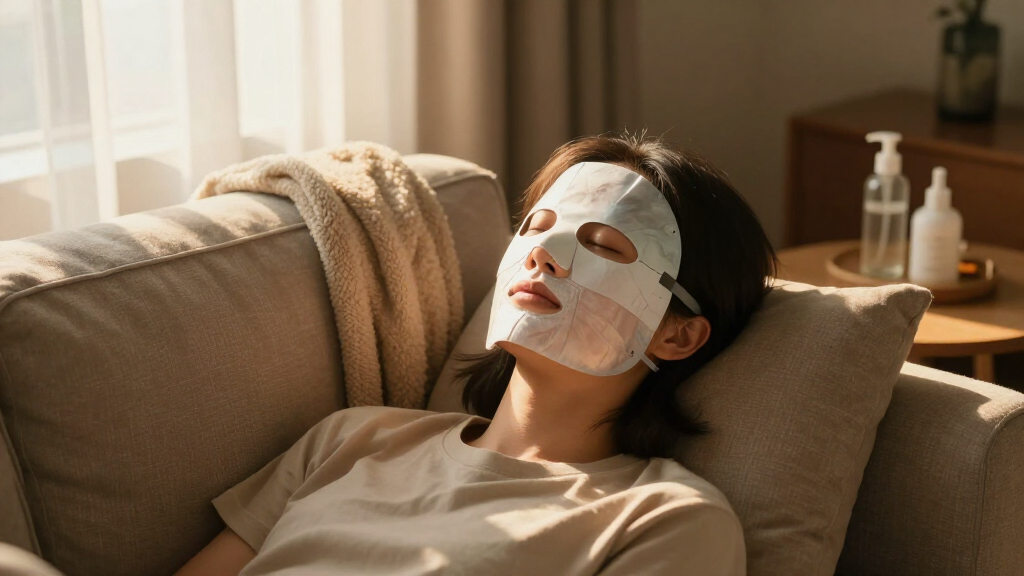
Imagine a future where you can treat your skin concerns without creams, needles, or harsh chemicals. Light therapy masks make that possible. These sleek devices sit comfortably over your face, bathing your skin in targeted wavelengths of light that promote healthier, clearer skin.
But do they really work? Are they safe? And how do you choose the right one? In this guide, you’ll learn what these masks do, how to use them effectively, and what recent innovations are making them more accessible and powerful than ever before.
Choose a device with the right wavelength for your skin concern—red for aging, blue for acne.
Consistency matters: expect to see results after 4-8 weeks of regular use.
Always follow safety guidelines—use eye protection and avoid overuse to prevent irritation.
Modern masks feature adjustable settings and extra features that enhance comfort and effectiveness.
Consult a dermatologist if you have sensitive skin or any underlying skin conditions before starting treatment.
What Exactly Are Light Therapy Masks and Why Should You Care?
Light therapy masks are devices that use specific colors of light—mainly red, blue, or near-infrared—to target different skin issues. Think of them as high-tech, at-home facials powered by LED lights, capable of boosting collagen, battling acne-causing bacteria, and calming inflammation.
For example, if you struggle with stubborn breakouts, a blue light mask can help clear your skin by killing bacteria beneath the surface. If aging is your concern, red light stimulates collagen, helping your skin look plumper and more youthful.
Understanding why these specific wavelengths matter is crucial. Red light penetrates deeper layers of skin, stimulating collagen production and reducing inflammation, which are key factors in aging and skin repair. Blue light, on the other hand, targets surface bacteria responsible for acne, but overuse or improper use can lead to dryness or irritation. The tradeoff is balancing effective treatment with avoiding potential side effects—knowing your skin’s needs and limits helps maximize benefits while minimizing risks.
As an affiliate, we earn on qualifying purchases.
The Main Light Types and What They Do for Your Skin
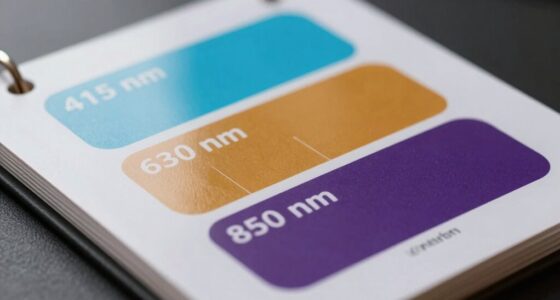
| Light Type | Wavelength Range | What It Does |
|---|---|---|
| Red Light | 620-750 nm | Boosts collagen, reduces inflammation, improves elasticity |
| Blue Light | 450-495 nm | Kills bacteria, reduces acne, controls oil |
| Near-Infrared | 700-1100 nm | Deep tissue repair, reduces inflammation, promotes healing |
Imagine your skin as a busy city: red light acts like a construction crew building new collagen scaffolding, blue light acts as a sanitation team clearing out bacteria, and near-infrared goes deep to fix the roads and infrastructure.
Choosing the right light type isn’t just about matching your skin concern; it involves understanding the implications of each wavelength. Red light’s deeper penetration can stimulate significant collagen production, which is essential for reversing signs of aging and skin sagging. However, overuse or using it improperly may cause dryness or redness if your skin is sensitive. Blue light, while effective against acne, can sometimes lead to dryness or irritation if misused, especially in sensitive skin. Near-infrared offers deep healing benefits but requires cautious use because its deep penetration can potentially cause overheating if not regulated. Therefore, selecting the appropriate wavelength involves weighing the benefits against possible side effects and understanding your skin’s response to different light energies.
How to Use a Light Therapy Mask Like a Pro
- Start with a clean, dry face. Remove makeup, dirt, and excess oil.
- Put on the mask, ensuring a snug but comfortable fit. Use the strap or adjustable features to secure it properly.
- Set the timer—most sessions last between 10-20 minutes. Follow the device’s instructions for optimal duration.
- Relax and enjoy the glow. Avoid touching your face during treatment.
- Finish with your usual skincare routine—moisturizer or serum—to lock in benefits.
For example, if your device offers customizable settings, start with lower intensity and gradually increase as your skin adapts. Consistency is key—aim for 3-5 sessions per week to see noticeable changes within a month. But beyond routine, understanding how to optimize each session is vital. Overusing or misusing the device can lead to skin irritation, dryness, or redness, especially if your skin is sensitive or reactive. Recognize signs of overexposure, such as persistent redness or discomfort, and adjust your routine accordingly. Proper use also involves protecting your eyes—wear the provided goggles or avoid looking directly into the light—and being mindful of your skin’s unique reactions to prevent adverse effects. Developing a personalized, mindful approach ensures safety and maximizes the benefits of your light therapy routine.
Latest Tech That’s Making Light Masks Smarter and Easier
New features are transforming how we use light therapy masks at home. Many now include adjustable wavelengths, so you can switch from red to blue or infrared with a tap. Others offer built-in timers, heating or cooling options, and even app connectivity for personalized routines.
Some masks are integrating microcurrent or vibration, combining light therapy with skin stimulation for enhanced results. For example, a recent model includes a cooling feature to reduce redness after treatment, making it more comfortable for sensitive skin.
Affordability has also improved. Entry-level devices now cost between $150 and $300, making professional-grade treatments accessible without a hefty salon bill. Plus, portable, lightweight designs mean you can take your skincare routine on the go.
These technological advancements not only improve user experience but also expand the potential benefits of light therapy. Adjustable features allow for personalized treatments tailored to different skin types and concerns, while app connectivity enables tracking progress and customizing routines. The inclusion of additional features like cooling or vibration can enhance comfort and efficacy, but it’s important to understand that each added feature may introduce new tradeoffs, such as increased cost or complexity. As technology evolves, consumers should weigh these factors against their specific needs to choose the most suitable device.
Safety First: What You Need to Know Before Using a Light Mask
Light therapy masks are generally safe, but they’re not entirely risk-free. The most common side effects include mild redness, dryness, or a slight tingling sensation—like a warm glow on your face.
People with photosensitivity, certain skin conditions, or those taking photosensitive medications should seek advice from a dermatologist before starting. Always use a certified device—look for FDA clearance or clinical testing marks to ensure safety.
Overuse or improper use can lead to skin irritation, dryness, or even burns if the device is used improperly or for longer than recommended. Knowing your skin’s sensitivity and following manufacturer instructions helps prevent adverse effects. It’s also wise to start with shorter sessions and gradually increase as your skin tolerates. If you notice persistent redness, discomfort, or any unusual skin reactions, stop treatments and consult a professional. While these devices are generally safe, neglecting safety guidelines or overdoing treatments can compromise skin health and diminish results. Understanding your skin’s limits and adhering to safety protocols is crucial for achieving optimal, safe results over time.
What Real People Are Experiencing with Light Masks
Jane, a 34-year-old teacher, started using a blue light mask for her acne. After 6 weeks, her skin was visibly clearer—less oily, fewer pimples, and a smoother texture. She reports her breakouts have decreased by nearly 70%, and her confidence has shot up.
On the other hand, Mark, 45, used a red light mask to combat early signs of aging. After 8 weeks, his skin felt firmer, and fine lines around his eyes looked softer. He appreciated how easy the routine was—just 15 minutes before bed.
These real-world stories demonstrate that consistent use can deliver noticeable improvements, especially when combined with a balanced skincare routine. However, individual results can vary based on skin type, the specific device used, and adherence to recommended protocols. While these examples are encouraging, users should set realistic expectations and consider that light therapy is most effective when integrated into a comprehensive skincare plan tailored to their unique needs. Recognizing that each person’s skin responds differently highlights the importance of personalized treatment plans and patience for optimal results.
Conclusion
Light therapy masks offer a promising way to boost your skincare routine with minimal effort. When used correctly, they can help you achieve clearer, firmer, and healthier skin—without invasive procedures or harsh chemicals.
Remember, patience and consistency are your best allies. Treat your skin with care, follow instructions, and enjoy the gentle power of light to bring out your skin’s natural glow.
Evergreen bestsellers Picks
bestsellers
As an affiliate, we earn on qualifying purchases.