Buying a photobiomodulation device is simpler than it seems. Start by checking safety certifications and manufacturer reputation to guarantee reliable, safe use. Consider environmental impact and choose sustainable options aligned with your values. Balance your budget with device features like wavelength and power. Look for good customer support and warranty coverage to protect your investment. Once you understand these key factors, you’ll be better equipped to pick the right device—there’s more to uncover to make a smart choice.

Get wellness gear delivered free — and shop member deals
- Fast, free delivery on millions of items
- Access to Prime Big Deal Days deals on October 6–7
- Prime Video, Amazon Music and more included
Key Takeaways
- Focus on core specifications like wavelength and power to match your specific treatment needs.
- Prioritize safety features and certifications over complex technical details for reliable use.
- Balance your budget with device quality and long-term costs to ensure value and durability.
- Choose reputable manufacturers offering good customer support and warranty for peace of mind.
- Consider environmental and safety standards to ensure responsible and sustainable device choices.

When you’re contemplating purchasing a photobiomodulation device, understanding the key factors that influence your decision can save you time and guarantee you choose the right equipment for your needs. Although the technology behind these devices sounds complex, the buying process itself is straightforward when you focus on a few core principles. The first thing to evaluate is device safety. You want a device that meets all safety standards, has proper certifications, and is designed to prevent accidental misuse. Look for products with clear instructions, safety features like automatic shut-off, and reputable manufacturers with proven track records. Ensuring safety isn’t just about avoiding injury; it also means you’re investing in a reliable, durable device that won’t break down or cause unintended side effects. In addition, understanding the importance of biodiversity and its connection to sustainable living practices can guide you toward responsible purchasing choices that align with environmental values. Being aware of how device manufacturing impacts environmental sustainability can help you make more informed and conscientious choices. Cost considerations are equally essential. Photobiomodulation devices come in a wide price range, from affordable options to high-end professional-grade equipment. It’s tempting to go for the cheapest device, but that might compromise device safety, effectiveness, or longevity. Instead, balance your budget with the device’s quality, features, and intended use. Ask yourself how often you’ll use it and for what purpose—if you plan to use it regularly or for clinical applications, investing in a higher-quality device could save you money in the long run by reducing maintenance costs and ensuring consistent results. While the technical specifications may seem intimidating at first, they serve as a guide to what the device can do. Focus on key specs like wavelength, power output, and treatment area. These factors influence how effective the device will be for your specific needs. For example, device specifications such as wavelength and power output can significantly impact treatment outcomes. You might also want to consider manufacturing standards to ensure the device adheres to quality benchmarks and safety protocols. Remember, the buying logic is simple: prioritize safety, match features to your goals, and stay within your budget. Additionally, understanding technical specifications can help you better interpret product details and make informed comparisons between options. Finally, don’t overlook the importance of customer support and warranty. A manufacturer that provides solid after-sales service and reliable warranties adds an extra layer of security to your investment. This isn’t just about protecting your purchase; it’s about ensuring you have ongoing support for troubleshooting or maintenance. In essence, while the technical aspects of photobiomodulation devices can seem intimidating, your buying decision boils down to evaluating safety, understanding your needs, and being mindful of costs. Keep these factors in mind, and you’ll find the process both simple and rewarding.
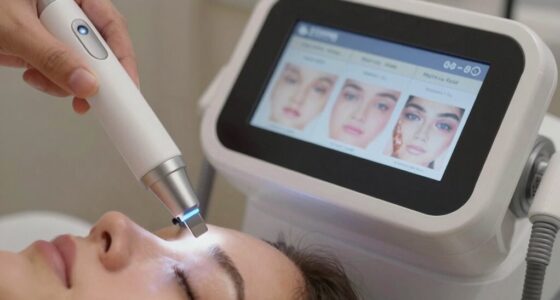
photobiomodulation therapy device
As an affiliate, we earn on qualifying purchases.
As an affiliate, we earn on qualifying purchases.
Frequently Asked Questions
Are Photobiomodulation Devices Safe for All Skin Types?
Yes, photobiomodulation devices are generally safe for all skin types, but you should consider your skin sensitivity. If you have sensitive skin, start with shorter sessions and monitor your reaction. Proper device calibration is crucial to guarantee safe and effective treatment, especially for different skin tones. Always follow the manufacturer’s guidelines, and consult a professional if you’re unsure, to minimize any risk and maximize benefits.
How Long Does It Take to See Results?
You’ll likely see results from your device within a few sessions, often after 2-4 weeks of consistent use. Your user experience improves as you get accustomed to the device, making maintenance easier. Keep the device clean and follow the recommended treatment schedule for the best results. Patience is key, and regular use helps you notice benefits faster, ensuring a smoother, more effective experience over time.
Can These Devices Be Used at Home Safely?
Using these devices at home is safer than handling a rocket! Just make certain proper device maintenance, like cleaning and following guidelines, to keep everything in top shape. User comfort is key, so start with shorter sessions and gradually increase as you get used to it. Always read the instructions carefully, and if you have concerns, consult a healthcare professional. With caution, you can enjoy the benefits safely at home.
Do Different Wavelengths Target Specific Conditions?
Yes, different wavelengths target specific conditions through wavelength specificity. You can choose devices that emit particular wavelengths to focus on issues like pain, inflammation, or skin health. This condition targeting guarantees the light penetrates the tissues at the right depth and interacts with cellular structures effectively. By selecting the appropriate wavelength, you optimize treatment outcomes, making your photobiomodulation therapy more precise and effective for your unique needs.
What Is the Typical Lifespan of a Device?
Think of your device as a reliable old tree that stands firm through the seasons. Typically, these devices last around 5 to 10 years with proper care. Focus on device durability and warranty coverage—these are your safety nets. High-quality devices often come with extended warranties, ensuring your investment remains protected. Regular maintenance can also prolong its lifespan, making sure you enjoy consistent, effective treatments for years to come.
Conclusion
While photobiomodulation devices may sound technical, your buying decision doesn’t have to be. Think of it like choosing a flashlight—you want reliable performance and ease of use, not complex jargon. Don’t get lost in the science; focus on what works for you. In the end, it’s the simple, effective device that makes the biggest difference—just like choosing a trusted tool over endless options. Keep it straightforward, and you’ll find the right fit effortlessly.
Fall Picks
fall essentials
As an affiliate, we earn on qualifying purchases.