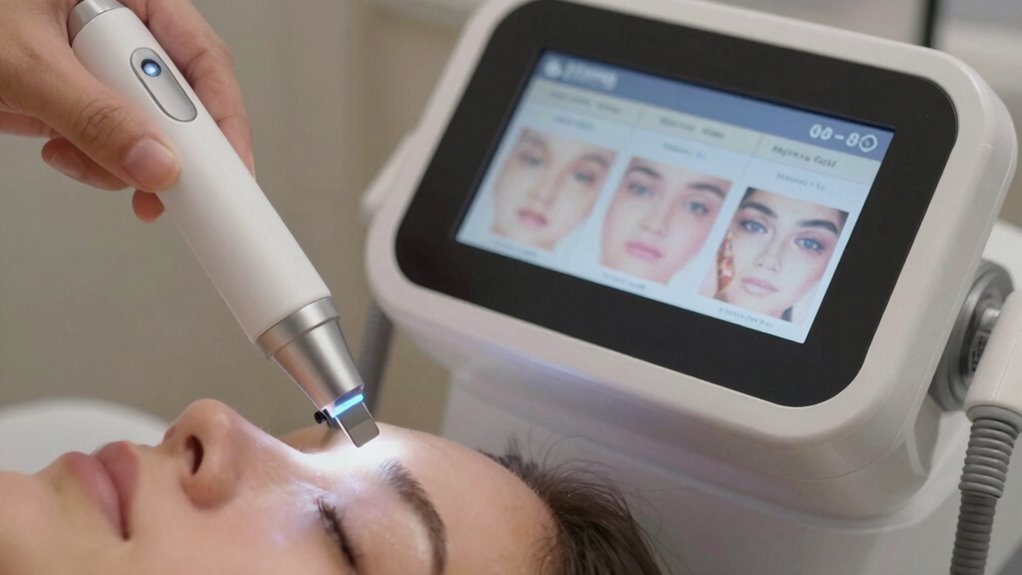
Skin analysis devices measure specific skin properties like hydration, oil, and elasticity using sensors and imaging technology. However, many results rely on estimations, assumptions, and calibration, which can lead to variability and some inaccuracies. Proper handling and understanding their limitations are key to trusting their insights. If you want to know how to interpret these measurements accurately and choose reliable devices, continue exploring this overview.

Get wellness gear delivered free with Prime
- Fast, free delivery on millions of items
- Prime Video, Amazon Music and more included
- Member-only deals all year
Key Takeaways
- Skin analysis devices primarily measure parameters like hydration, oil levels, and pigmentation using sensors and imaging technologies.
- They often rely on estimations and algorithms to interpret data, which can introduce assumptions or guesses.
- Calibration, standardized protocols, and device validation are essential to distinguish actual measurements from inferred data.
- Limitations include environmental factors, individual skin differences, and technical constraints that affect measurement accuracy.
- Critical understanding of device capabilities and validation studies helps differentiate between measured data and educated guesses.
How Do Skin Analysis Devices Work? An Overview
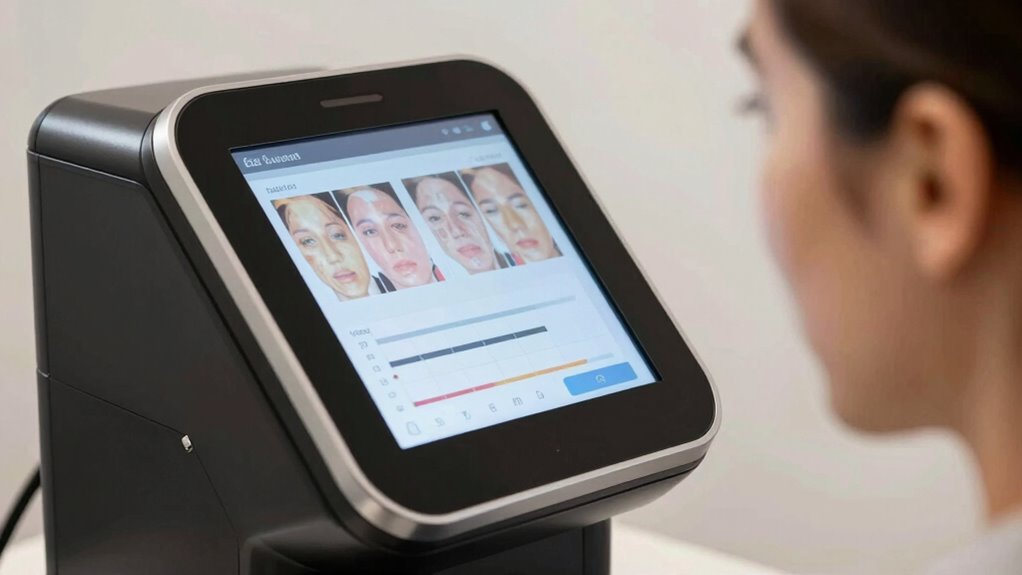
Skin analysis devices work by quickly evaluating various skin properties through advanced imaging and sensor technology. To guarantee accurate results, regular device calibration is essential; it aligns the device’s sensors with standard measurements, reducing errors. Your skill in operating the device also impacts its effectiveness. Proper handling, such as correct positioning and consistent pressure, helps gather reliable data. Many devices require you to follow specific protocols, which minimizes user-induced variability. While the technology is sophisticated, the accuracy depends heavily on how well you calibrate and operate it. If you neglect calibration or lack experience, your readings might be off, leading to incorrect assessments. device calibration is a crucial step in ensuring measurement reliability and accuracy. Additionally, maintaining the device according to the manufacturer’s maintenance guidelines can prevent drift in measurements over time. Regular quality checks can further ensure that the device continues to deliver precise results. Moreover, understanding the sensor technology behind these devices can help you interpret results more effectively. For example, understanding the measurement principles can improve your confidence in the data you collect. Hence, understanding the importance of device calibration and honing your user skill are key to obtaining precise, meaningful skin analysis results.
What Skin Metrics Do These Devices Measure Accurately?
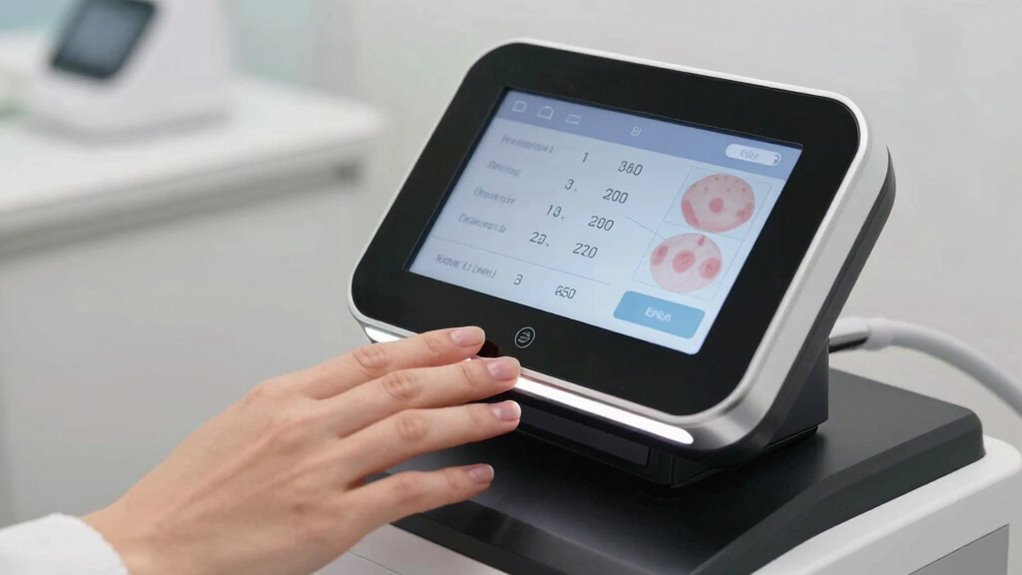
Skin analysis devices are designed to provide precise measurements of various skin conditions, helping professionals make informed decisions. They are particularly accurate when assessing hydration levels, giving a clear picture of your skin’s moisture content. These devices use specialized sensors and imaging techniques to gauge how well your skin retains water, which is vital for overall skin health. Additionally, they can reliably measure oil production, identifying areas with excess sebum or dryness. This information helps tailor skincare routines and treatments effectively. While they excel at quantifying hydration and oil levels, other metrics like elasticity or pigmentation may involve estimations. It’s also important to understand how these devices work to interpret their readings accurately. Many of these devices utilize advanced imaging technology, which enhances measurement precision and provides more detailed skin analysis. Understanding measurement accuracy can help you better interpret the data these devices provide, ensuring more effective skincare decisions. Moreover, comprehending the underlying sensor technology can improve your confidence in the results. Overall, these devices offer valuable, accurate data on hydration and oil production, empowering you to address specific skin concerns confidently.
Are Skin Devices Reliable? Understanding Estimations and Assumptions
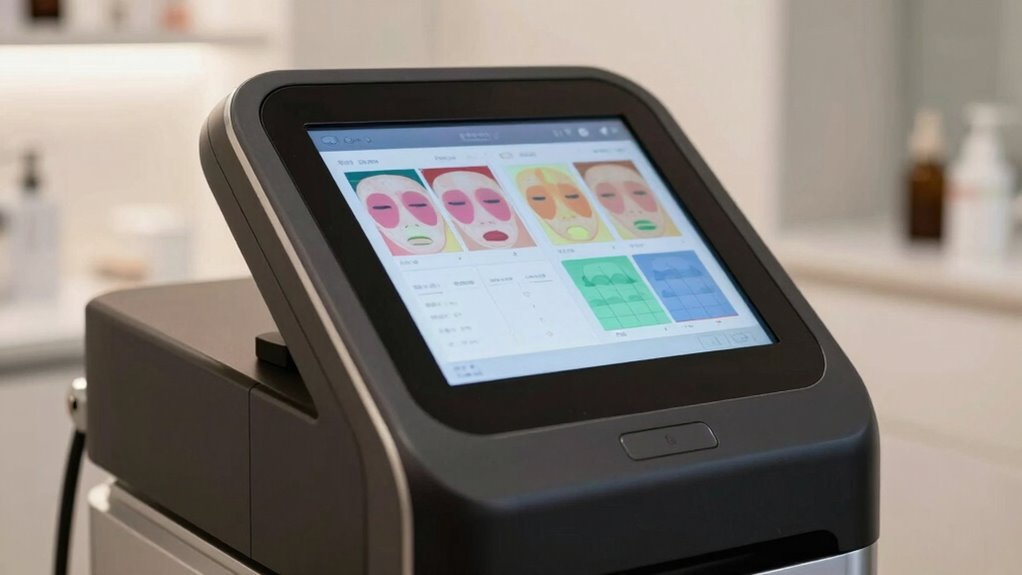
While skin analysis devices have become increasingly sophisticated, their reliability depends on the metrics they measure and the methods they use. These devices often rely on estimations and assumptions, which can introduce subjectivity bias and affect accuracy. Proper device calibration is essential to minimize errors, but even calibrated devices can produce variable results. Keep in mind:
- Subjectivity bias may influence readings, especially with visual assessments.
- Calibration ensures consistency but doesn’t eliminate all errors.
- Assumptions about skin properties can lead to inaccurate estimations.
- Results may vary between devices or sessions, impacting trustworthiness.
- The technology behind skin analysis continues to evolve, but understanding its limitations remains crucial.
- Recognizing the breed-specific traits and individual differences can help contextualize the results further.
Understanding these limitations helps you interpret device readings more critically, recognizing that some results are estimates rather than definitive measurements. This awareness is key to making informed skincare decisions based on device data.
How to Choose a Skin Analysis Device That Gives Trustworthy Results
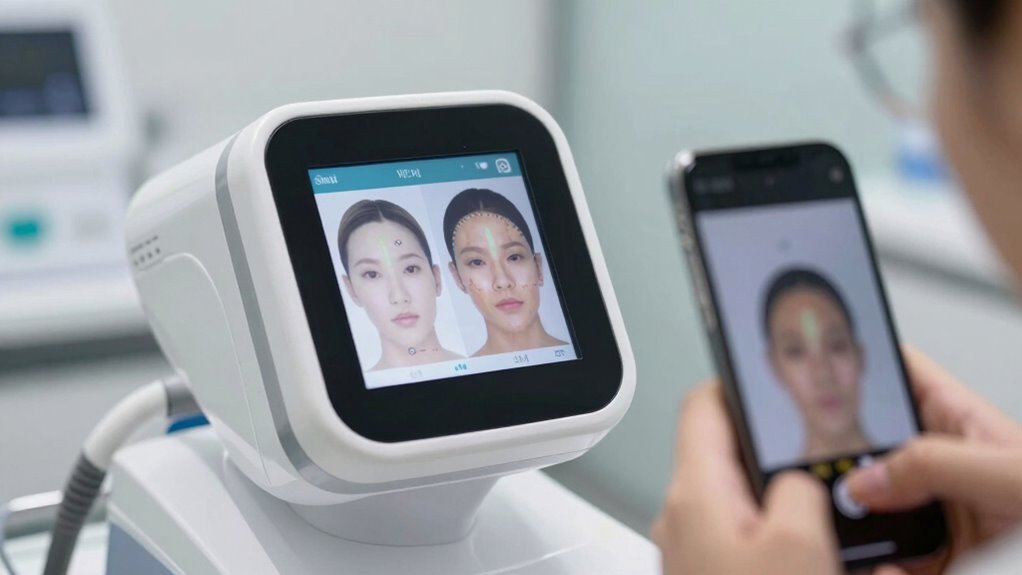
Choosing a skin analysis device that provides trustworthy results requires careful consideration of its features and limitations. First, understand the technology limitations; some devices rely on visual assessments or indirect measurements, which can lead to inaccuracies. Look for devices that offer transparent information about their measurement methods and validation studies. Equally important is the user experience—select a device that’s easy to operate, with clear instructions and straightforward interfaces. A complicated setup can lead to user errors, reducing reliability. Consider devices with good customer support and regular updates, which indicate ongoing improvements. Ultimately, a trustworthy device balances advanced technology with a user-friendly design, understanding measurement accuracy, and the potential for variability, thereby minimizing limitations and maximizing confidence in the results you receive. Additionally, reviewing cited validation studies can provide insight into the device’s reliability and precision in real-world conditions. Incorporating empirical research findings can help validate the device’s effectiveness and ensure that the measurements are scientifically grounded. Furthermore, paying attention to measurement consistency can help identify devices that produce stable and reproducible results over time. Incorporating an awareness of measurement variability can also guide users in interpreting results with appropriate caution.
Tips to Evaluate Skin Device Results for Your Skincare Routine
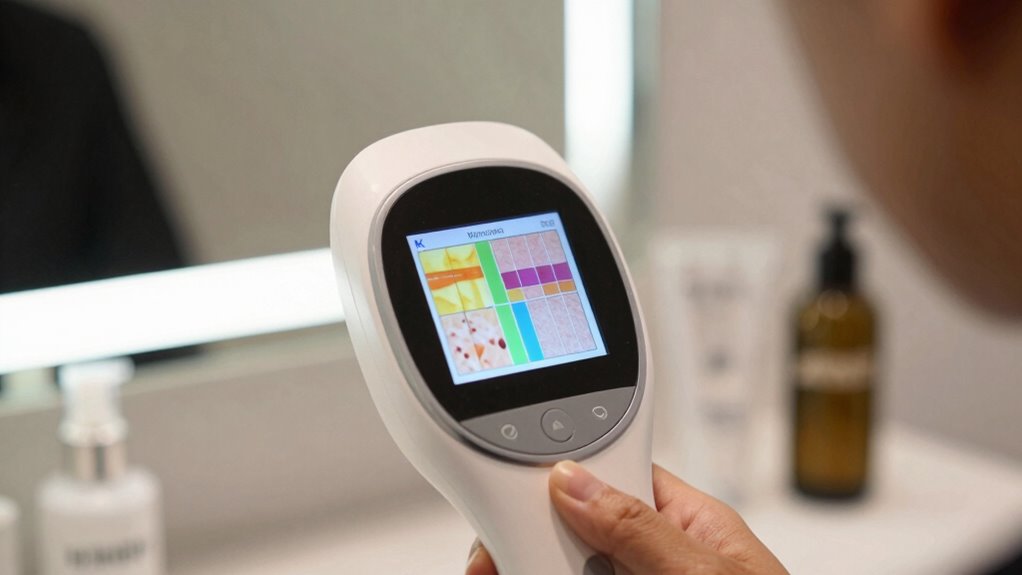
To effectively evaluate your skin device results, start by understanding what the measurements actually mean. Don’t just take numbers at face value—consider how they relate to your skin’s overall health. Look for ingredient transparency in the device’s methodology to guarantee accurate insights. Focus on your user experience: if the device feels uncomfortable or confusing, its results may be less reliable. To assess results effectively:
Understand your skin device results by focusing on meaningful measurements and user experience for reliable insights.
- Cross-check data with your skin’s visible changes
- Use consistent testing conditions
- Review how the device explains its measurements
- Consider feedback from skincare professionals
- Be aware of the global chaos that can impact the reliability of cloud-based devices or data collection.
- Recognize the importance of vetted technology and trusted sources to ensure the accuracy and reliability of your skin analysis tools.
- Understanding the philosophical principles behind measurement techniques can also help you interpret data more critically.
- Familiarize yourself with the scientific foundations that underpin measurement methods to better gauge their credibility.
- Additionally, understanding measurement validity can help you distinguish between accurate data and misleading results.
Frequently Asked Questions
Can Skin Analysis Devices Detect Underlying Health Conditions?
Skin analysis devices can’t detect underlying health conditions directly, but they can offer clues related to your holistic health. By evaluating skin hydration, elasticity, or pigmentation, these tools support internal diagnostics and help identify potential issues. You should see a healthcare professional for extensive testing, as these devices mainly provide insights to guide further investigation, not definitive diagnoses. Use them as part of a broader approach to your overall wellness.
Do Different Brands Provide Comparable Skin Health Assessments?
Different brands can provide somewhat comparable skin health assessments if they guarantee brand consistency and proper device calibration. However, variations in technology and algorithms mean results might differ across brands. You should regularly calibrate your device and follow manufacturer guidelines to improve accuracy. Keep in mind, even with these precautions, assessments may not be entirely interchangeable, so it’s wise to use the same device for tracking your skin’s progress.
How Often Should I Use a Skin Analysis Device?
You should use your skin analysis device once a week—because, honestly, your skin isn’t in a rush to change daily. Keep it calibrated, or you’ll get false hopes or fears. Be consistent with your readings, or it’s like trying to track your fitness with a broken step counter. Regular use guarantees accurate results, helping you understand your skin’s true needs without the guesswork, or the drama.
Are There Age-Specific Considerations for Skin Device Accuracy?
Yes, age-specific considerations can impact your skin device’s accuracy. As you age, skin changes like decreased elasticity and hydration affect readings, making age-related accuracy essential. Demographic considerations, including ethnicity and skin type, also influence results. To guarantee reliable assessments, choose devices calibrated for your age group and skin characteristics, and consult professionals if you notice discrepancies. This tailored approach helps you get the most precise skin analysis possible.
Can Skin Devices Predict Future Skin Issues or Aging Trends?
Skin devices have limited predictive capabilities, so they can’t accurately forecast future skin issues or aging trends. While they can analyze current skin conditions like hydration and elasticity, predicting long-term changes relies on many variables beyond their scope. You shouldn’t depend solely on these tools for aging prediction, but they can offer helpful insights to guide your skincare routine and identify areas for proactive care.
Conclusion
Ultimately, your skin is a canvas of living, breathing tissue, and these devices are like detectives trying to read its story. While they offer valuable clues—like a magnifying glass revealing surface details—they also make educated guesses about deeper layers. Trust what resonates, question what seems off, and remember that your skin’s true health comes from consistent care. Think of these tools as guides, not absolute judges, helping you navigate your skincare journey with clearer insight.
Cold & flu season Picks
humidifiers
As an affiliate, we earn on qualifying purchases.