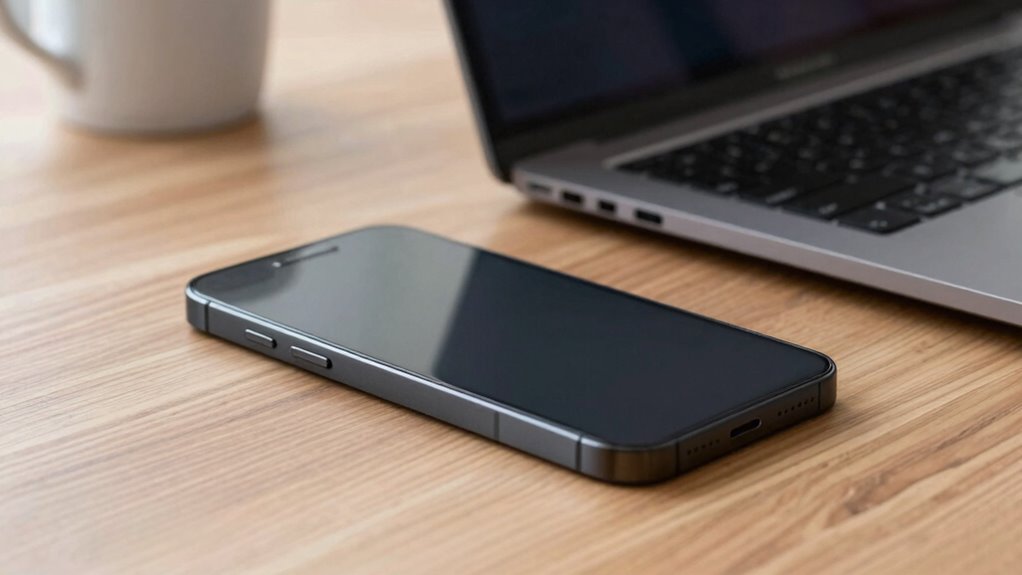

Lightweight designs matter more than you might admit because they boost your daily comfort, making tasks easier and reducing fatigue. They improve portability, letting you carry devices or objects effortlessly and encouraging more frequent use. Plus, lightweight styles often look sleek and modern, enhancing your overall experience and perception of quality. These benefits support better posture and less strain on your muscles. If you keep exploring, you’ll uncover even more reasons why the right design makes a real difference.

Get wellness gear delivered free with Prime
- Fast, free delivery on millions of items
- Prime Video, Amazon Music and more included
- Member-only deals all year
Key Takeaways
- Lightweight designs improve ergonomic comfort, reducing fatigue during extended use.
- They enhance portability, making products easier to carry and integrate into daily routines.
- Aesthetic appeal is boosted by sleek, minimalist styles that support modern perceptions of quality.
- Innovative materials and manufacturing techniques ensure durability without adding weight.
- Overall, lightweight products increase user satisfaction by combining functionality, convenience, and style.
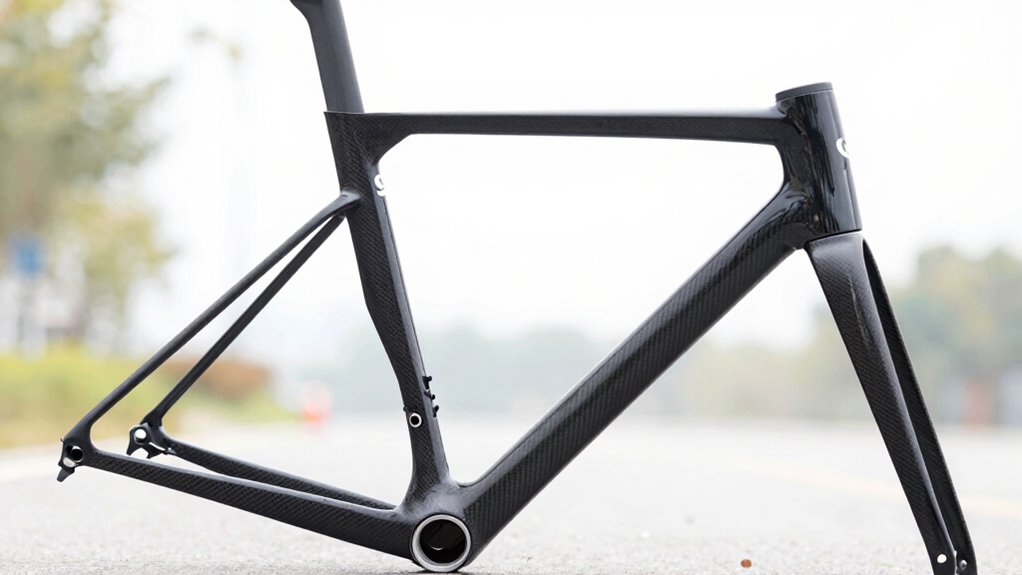
In today’s fast-paced world, lightweight designs are becoming more essential than ever. You may not always realize it, but the weight of a product influences your daily experience more than you might think. When you choose something lightweight, you’re not just opting for convenience—you’re prioritizing ergonomic comfort and aesthetic appeal. These two factors often go hand in hand, making lightweight designs particularly attractive. Ergonomic comfort ensures that your body is supported properly, reducing fatigue and discomfort, especially during extended use. Light materials allow for more natural, comfortable handling, whether you’re carrying a device or using it in your daily routine. You’ll find that lighter products put less strain on your muscles and joints, making tasks easier and less tiring. Additionally, lightweight materials often contribute to better material durability, ensuring your device remains long-lasting despite being easy to handle. Aesthetic appeal also plays a significant role in your perception of a product, and lightweight designs excel here too. When a device or object is lighter, it often looks sleeker and more modern. Manufacturers tend to craft lighter products with clean lines and minimalist styles, which appeal to your desire for visually appealing items that blend seamlessly into your lifestyle. You might not overtly think about it, but the visual impression you get from a lightweight, well-designed product influences your overall satisfaction. If something feels substantial yet remains light, it gives an impression of quality and sophistication. This combination of form and function makes lightweight designs not only more attractive but also more desirable. Furthermore, the practical benefits of lightweight products encourage you to use them more frequently. When a device or accessory is easier to carry and handle, you’re more likely to take it with you, use it comfortably, and integrate it into your routine. This increased usability boosts your overall experience and satisfaction. The portability that comes with lightweight designs is especially vital in today’s mobile world, where you’re constantly on the move. Whether it’s a laptop, a backpack, or a piece of furniture, lighter options mean less hassle, fewer limitations, and a greater sense of freedom. As technology advances, manufacturers are increasingly focusing on lightweight design principles to meet consumer demand. A growing awareness of sustainable materials also influences the shift towards lighter, eco-friendly options. This focus on environmentally friendly materials underscores the importance of lightweight design in promoting sustainability. Incorporating innovative manufacturing techniques also allows for the creation of lighter yet sturdy products that meet high quality standards. Ultimately, lightweight designs matter more than many buyers admit because they directly impact your daily comfort, style, and convenience. These qualities enhance your interaction with products, making everyday tasks smoother and more enjoyable. By choosing lighter options, you’re not just opting for trendy minimalism—you’re prioritizing ergonomic comfort and aesthetic appeal, which together elevate your overall experience. It’s a subtle shift that often goes unnoticed but profoundly influences how you feel and function with the items you rely on every day.
As an affiliate, we earn on qualifying purchases.
Frequently Asked Questions
How Does Weight Impact Product Durability Long-Term?
Weight impacts product durability long-term because uneven weight distribution can cause stress points, leading to material fatigue. When a product isn’t designed with balanced weight, certain areas bear more load, accelerating wear and tear. Over time, this can compromise structural integrity. You’ll notice that lighter designs, if not optimized for weight distribution, may wear out faster, but proper engineering guarantees durability by minimizing stress and preventing material fatigue.
Are Lightweight Materials More Environmentally Sustainable?
Yes, lightweight materials are generally more environmentally sustainable because they reduce energy consumption during manufacturing and transportation. By choosing eco-friendly manufacturing processes and conducting thorough material lifecycle analysis, you can minimize environmental impact. Lightweight designs also mean less material use, lowering resource depletion. Overall, adopting lightweight materials helps you create more sustainable products, benefiting the planet while maintaining performance.
Do Lighter Designs Compromise Safety Features?
A lighter design doesn’t necessarily compromise safety. Think of it as “less is more”—you get sleek aesthetic appeal without sacrificing protection. Manufacturers prioritize safety features even in lightweight products, maintaining high standards that protect your well-being. This approach enhances brand perception, showing you that innovation can improve aesthetics and functionality simultaneously. So, you can enjoy a stylish, safe product without feeling like safety has been sacrificed for weight.
How Do Cost Savings Influence Lightweight Design Choices?
Cost savings heavily influence your lightweight design choices because they enable better cost optimization and expanded aesthetic appeal. You might opt for innovative, lightweight materials or streamlined structures that reduce production costs while enhancing the product’s visual appeal. This strategic balance allows you to deliver attractive, functional designs without exceeding budgets. Ultimately, prioritizing cost efficiency helps you meet market demands while maintaining quality, making lightweight designs both practical and visually appealing.
Can Lightweight Designs Improve User Comfort Significantly?
Yes, lightweight designs can markedly improve your comfort by offering ergonomic benefits like reduced strain and easier handling. They also enhance aesthetic appeal, making products more attractive and modern. Light materials help you move or use items with less effort, which boosts overall user experience. By prioritizing lightweight design, you’re more likely to enjoy a comfortable, stylish, and user-friendly product that meets your physical and visual preferences.
Conclusion
You might not realize it, but lightweight designs can considerably impact your daily life. Did you know that reducing device weight by just 10% can boost battery life by up to 15%? That’s a game-changer, especially when you rely on your gadgets all day. So next time you’re choosing a product, consider how a lighter design could make your experience smoother, more efficient, and less tiring. Sometimes, less really is more.
Halloween Picks
halloween
As an affiliate, we earn on qualifying purchases.