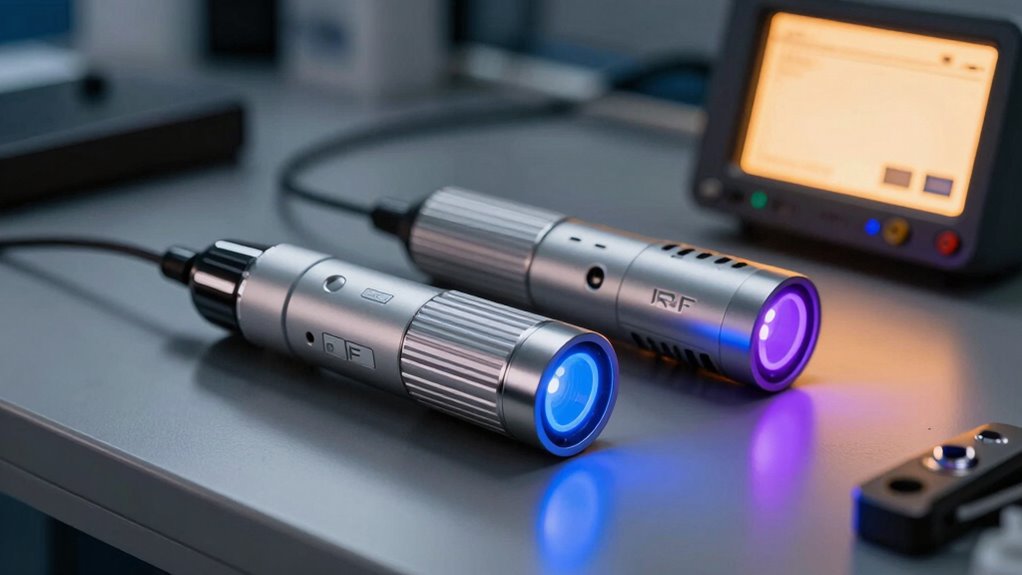

RF-and-LED combo tools can boost your efficiency by offering wireless connectivity and power management features that make your workflow more seamless. You’ll enjoy greater mobility, remote control, and quick firmware updates, reducing downtime. However, their reliability depends on strong protocols and proper use, as interference or connectivity issues can cause delays. To maximize benefits, it’s important to understand how to optimize their performance—continue exploring to discover how to make these tools work best for you.

Get wellness gear delivered free with Prime
- Fast, free delivery on millions of items
- Prime Video, Amazon Music and more included
- Member-only deals all year
Key Takeaways
- Wireless integration enhances mobility and workflow flexibility but can face signal stability and security challenges.
- Advances in wireless protocols improve connection reliability, yet verification is essential before critical tasks.
- Power optimization features like fast charging and battery management extend tool uptime and efficiency.
- Seamless RF and LED functionality reduces downtime and streamlines switching between modes.
- Proper evaluation of connectivity and power features is crucial to fully realize the tools’ productivity benefits.
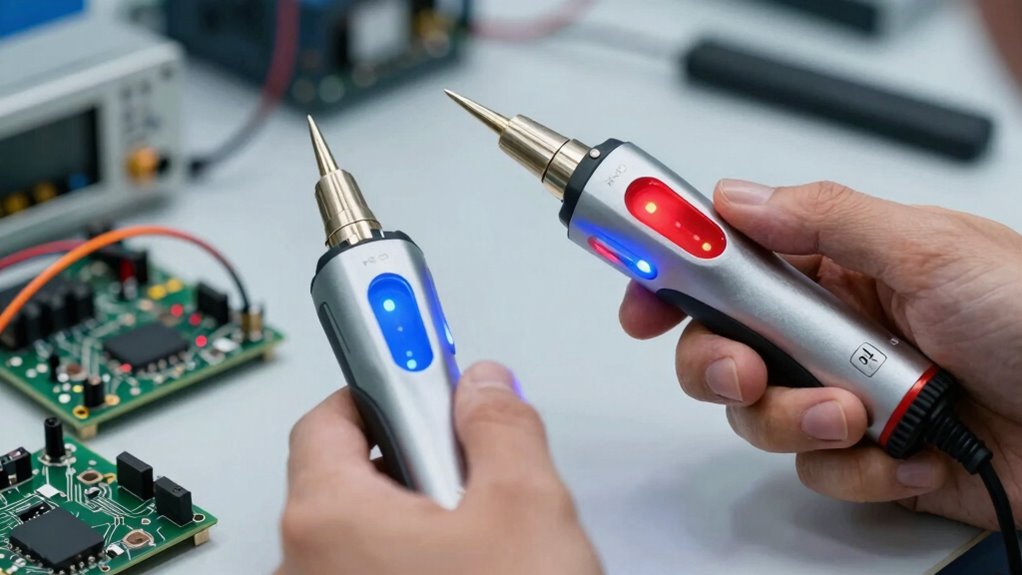
Combining RF and LED technologies into single tools offers the promise of increased efficiency for professionals, but the results can vary. If you’re considering these combo tools, you should understand how wireless integration and power optimization play essential roles in their performance. Wireless integration allows you to operate these devices without cumbersome cords, giving you greater freedom to work in tight or hard-to-reach spaces. With seamless connectivity, you can easily control settings, monitor performance, and update firmware remotely, saving time and reducing clutter on your workspace. This convenience makes your workflow more fluid, especially when switching between RF and LED functions during a project.
Wireless integration enhances efficiency by enabling remote control, seamless switching, and reducing workspace clutter.
However, wireless integration isn’t just about convenience. It also presents challenges related to signal stability and security. You need to guarantee your tools maintain strong, uninterrupted connections, especially in environments filled with interference or multiple devices. Manufacturers are continually improving wireless protocols, but it’s wise to verify the reliability of the connection before relying heavily on these features. When wireless integration works smoothly, it streamlines your tasks, minimizing downtime and maximizing productivity. Additionally, advancements in wireless protocols are helping to address some of these stability concerns, making these tools more dependable over time. Incorporating robust security measures is also crucial to protect sensitive data transmitted by these connected devices.
Power optimization is another vital aspect of RF-and-LED combo tools. These devices often come with rechargeable batteries designed to maximize runtime without sacrificing performance. Efficient power management means you can complete longer jobs without frequent recharging, which is essential when working on-site or in remote locations. Look for tools with intelligent power regulation—these automatically adjust power output based on the task, preventing unnecessary energy drain and extending battery life. This feature is especially valuable when switching between RF and LED functions, as each may have different power demands. A good example is the incorporation of smart battery management systems, which further enhance overall efficiency.
Proper power optimization also involves fast charging capabilities, ensuring you’re not left waiting when you need to get back to work quickly. Many modern tools incorporate quick charge technology, allowing you to rapidly replenish batteries during short breaks. This minimizes waiting times and keeps your workflow uninterrupted. Additionally, some devices offer battery status indicators, so you’re always aware of remaining power and can plan your tasks accordingly. Staying informed about battery health and usage can help prevent unexpected shutdowns during critical moments.
Ultimately, the success of RF-and-LED combo tools hinges on how well they integrate wireless connectivity and optimize power. When these elements work together, you gain a versatile, efficient tool that adapts to your needs. But if either feature falls short—such as unreliable wireless signals or poor battery management—you might find yourself wasting time troubleshooting or recharging instead of focusing on your work. Carefully evaluate the technology’s capabilities and choose tools that prioritize seamless wireless integration and smart power optimization to truly enhance your productivity.
As an affiliate, we earn on qualifying purchases.
Frequently Asked Questions
How Do RF and LED Tools Communicate With Each Other?
You might wonder how RF and LED tools communicate with each other. They typically use frequency synchronization, where both devices operate on compatible frequencies to exchange signals. This coordination helps prevent signal interference, ensuring smooth communication. By maintaining synchronized frequencies, RF and LED tools can work together efficiently, minimizing disruptions. Proper calibration and interference management are essential for reliable operation, allowing these tools to deliver on their promised efficiency.
Are Rf-And-Led Combo Tools Suitable for All Industries?
These RF-and-LED combo tools aren’t suitable for all industries—they’re like a Swiss Army knife, but only if your material compatibility and regulatory compliance are aligned. If your industry demands strict standards and specific materials, these tools might fall short. Always check if they meet your industry’s regulatory requirements and are compatible with your materials. Otherwise, you risk inefficiencies or compliance issues that could cost you dearly.
What Are the Safety Concerns With Using Combo Tools?
You should be aware of safety concerns when using combo tools, as they can pose risks like burns, electrical shocks, or eye injuries. Always follow safety regulations and wear appropriate protective gear. Proper risk mitigation involves regular maintenance, correct handling, and training. By taking these precautions seriously, you minimize hazards and guarantee safe operation, making your work environment safer and reducing potential accidents from these powerful tools.
How Much Do Rf-And-Led Combo Tools Typically Cost?
You can expect RF-and-LED combo tools to cost between $200 and $600, depending on features and brand. When doing a price comparison, consider technological advancements that might add to the cost but improve performance and safety. Higher-end models often include more sophisticated features, so investing a bit more could give you better results and durability. Always weigh the price against the benefits and technological improvements to find the best value.
Can These Tools Be Customized for Specific Applications?
You can customize RF-and-LED combo tools for specific applications, and it’s often a smart move. Many models offer customization options that cater to industry-specific applications, allowing you to tailor settings for ideal results. This flexibility helps you meet unique project demands, whether in medical, cosmetic, or industrial fields. By choosing tools with customization options, you guarantee better performance and efficiency tailored specifically to your needs.
Conclusion
You might think RF-and-LED combo tools are just good enough, but they can actually revolutionize your work, making it faster and more efficient than you ever imagined. When you harness their true potential, you’ll wonder how you ever managed without them. These tools are not just improvements—they’re game-changers that can elevate your productivity to legendary status. Don’t settle for less—embrace the future and watch your projects soar to extraordinary heights!
Halloween Picks
halloween
As an affiliate, we earn on qualifying purchases.