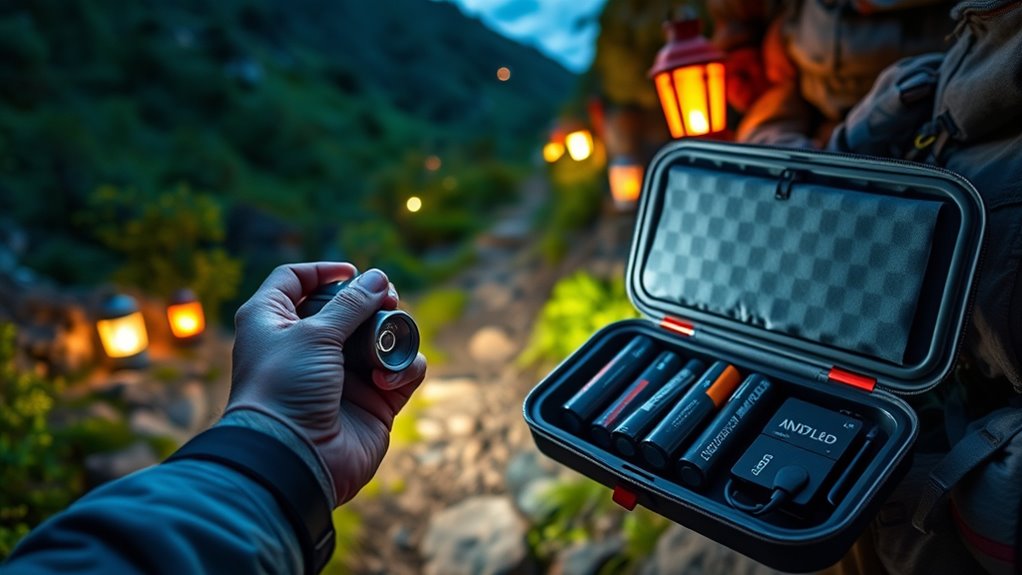

When traveling with LED devices, always pack them in your carry-on and make certain batteries are installed correctly. Keep power banks under 100Wh, and have approval for over 100Wh batteries before flying. Be prepared to remove devices for security checks, and carry any necessary proof of purchase if required. Avoid damaged or swollen batteries to prevent confiscation or fire risks. For more safety tips and detailed guidelines, continue exploring to stay fully prepared.
Key Takeaways
- Carry LED devices and power banks in carry-on luggage, not checked bags, for easier inspection and safety.
- Ensure batteries are in good condition, properly installed, and avoid damaged or swollen batteries.
- Power banks under 100Wh typically don’t need airline approval; over 100Wh require prior authorization.
- Be prepared to remove LED devices and batteries during security screening for inspection.
- Follow airline guidelines and carry documentation for batteries over 100Wh to facilitate smooth security checks.
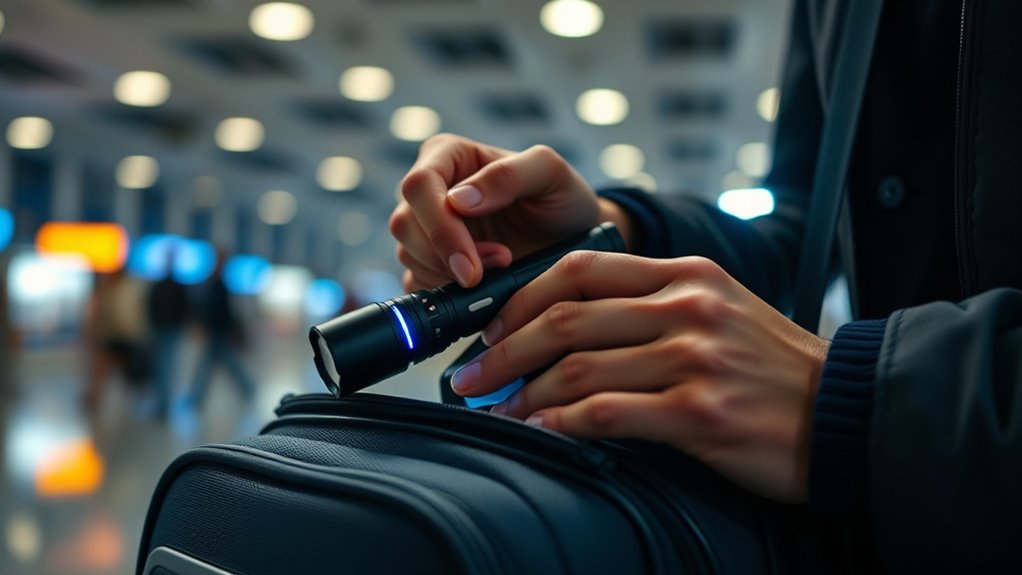
Traveling with LED devices is generally straightforward, but it’s important to understand airline regulations and security procedures to avoid delays. If you rely on power banks to keep your LED gadgets charged, you’ll need to familiarize yourself with power bank regulations. Airlines and security agencies have specific rules about carrying portable batteries, especially those over a certain capacity. Typically, devices with batteries under 100Wh are allowed in carry-on luggage without special approval, but anything above that requires airline approval before you travel. Always check your airline’s specific policies, as they can differ. When packing your power banks, ensure they’re in your carry-on, not checked baggage, because lithium batteries pose a fire risk if damaged or short-circuited. Also, keep power banks easily accessible during security screening so officers can inspect them if needed.
Understanding airline battery policies helps you avoid surprises at the airport. Many airlines follow international standards, but some have stricter rules. For example, some restrict the number of spare batteries you can carry or limit the capacity of batteries in checked luggage altogether. To stay compliant, always review your airline’s policies on their website before heading to the airport. Also, avoid packing damaged or swollen batteries, as these can be flagged or confiscated during security checks, causing delays or even losing your devices. When traveling with multiple LED devices, such as headlamps, flashlights, or portable lights, double-check that their batteries are installed correctly and that no batteries are loose.
During security screening, be prepared to remove your power banks and LED devices from your bag for inspection. Keep them in an easily accessible part of your carry-on to streamline the process. It’s also wise to carry any relevant documentation or proof of purchase for batteries over 100Wh, in case security officials request additional information. Remember, airlines enforce these policies to ensure everyone’s safety, so complying helps keep your travel smooth.
Frequently Asked Questions
Can LED Devices Be Used During Airport Security Scans?
Yes, you can use LED devices during airport security scans, but keep them handy as security personnel might want to inspect them. Security scans typically do not damage LED devices, but they can detect batteries or electronic components. To avoid delays, remove your LED devices from your bag if asked, and be prepared to show their safety features. Staying cooperative helps ensure smooth device detection and security clearance.
Are There Restrictions on Carrying Spare Batteries for LED Devices?
You should verify airline policies, as there are restrictions on carrying spare batteries for LED devices. Usually, spare batteries must be stored in your carry-on luggage, with battery storage in individual plastic bags or original packaging to prevent accidental activation. Airlines may limit the capacity of batteries allowed, especially for larger lithium-ion types. Always review specific airline rules before your trip to ensure compliance and avoid delays at security.
How Do Temperature Changes Affect LED Device Battery Life?
Surprisingly, extreme temperatures love to mess with your LED device’s battery performance. When you’re exposed to high heat or freezing cold, your battery’s efficiency drops like a stone, making your device less reliable. To keep things running smoothly, focus on temperature regulation—avoid leaving your LED devices in hot cars or freezing environments. Proper temperature management guarantees your batteries perform at their best, giving you reliable light when you need it most.
Are LED Devices Allowed on International Flights?
Yes, LED devices are generally permitted on international flights, but you need to adhere to LED device regulations and battery safety guidelines. Always pack your devices in carry-on luggage, as checked bags pose a risk for battery-related issues. Make certain batteries are properly installed, and avoid damage or short circuits. Check airline policies beforehand, as some countries have specific restrictions. Staying compliant keeps your travel smooth and safe.
What Should I Do if My LED Device’s Battery Overheats?
If your LED device’s battery overheats, you should immediately disconnect it from the power source and move it to a cool, well-ventilated area to prevent further overheating. Prioritize battery safety by avoiding exposure to high temperatures and never use damaged batteries. To guarantee overheating prevention, regularly check your device for signs of damage, and always follow manufacturer guidelines for safe usage and charging practices.
Conclusion
Now that you know the safety and battery tips, you’re ready to travel confidently with your LED devices. Keep your batteries secure, avoid damage, and always stay aware of airline regulations. Imagine the adventures waiting for you, illuminated by your trusty LEDs lighting up new destinations. Isn’t it exciting to think how these small devices can brighten your journey while keeping you safe? With these tips, you’re all set to explore the world with confidence and clarity.