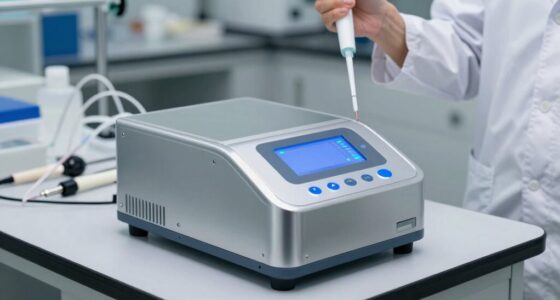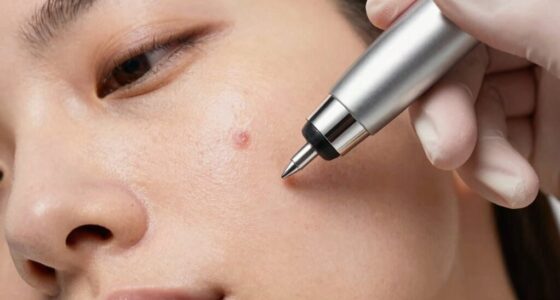

Prioritizing the treatment area over price is essential because it directly impacts your safety, comfort, and the effectiveness of the procedure. Different areas have unique sensitivities and risks, so focusing on proper assessment guarantees you get safer, tailored treatments with better results. Skipping this step for cheaper options may lead to complications or subpar outcomes. If you want to understand how to make smarter choices that protect your well-being, there’s more to discover ahead.

Get wellness gear delivered free — and shop member deals
- Fast, free delivery on millions of items
- Access to Prime Big Deal Days deals on October 6–7
- Prime Video, Amazon Music and more included
Key Takeaways
- Prioritizing the treatment area ensures safety by preventing skin irritation, burns, and uneven results.
- Focusing on the area enhances comfort by reducing pain and recovery time during and after treatment.
- Proper assessment of the area maximizes treatment effectiveness with personalized techniques and settings.
- Considering the area minimizes risks of complications like scars or pigmentation issues.
- Balancing area-specific safety needs over price leads to better long-term results and patient satisfaction.

When choosing a treatment, it’s easy to focus solely on the price, but the area being treated should come first. The reason is simple: the specific area impacts both treatment safety and your overall comfort. Ignoring this can lead to unexpected results or discomfort that outweighs any initial savings. The treatment area determines how the procedure is performed, the potential risks involved, and how your body responds. For example, treating a sensitive or delicate area requires more precise techniques and specialized equipment to guarantee safety and minimize adverse effects. If you overlook this, you risk complications such as skin irritation, burns, or uneven results, which can be costly and uncomfortable to fix later on. Additionally, understanding the treatment area helps ensure that the practitioner can select appropriate settings tailored to your needs, enhancing both safety and effectiveness. Patient comfort is another critical factor tied directly to the treatment area. Different areas of the body have varying sensitivities, nerve concentrations, and skin thicknesses. When the treatment isn’t tailored to these differences, you might experience unnecessary pain, prolonged recovery times, or frustration with the process. By prioritizing the area being treated, you ensure the provider can customize the approach, using appropriate settings and techniques that maximize comfort. This not only makes the experience more bearable but also contributes to better results, as a relaxed patient tends to heal and respond more favorably. Properly assessing treatment zone sensitivities allows practitioners to develop safer and more effective treatment plans, reducing the likelihood of complications. A comprehensive understanding of treatment area considerations further helps in avoiding unnecessary procedures or adjustments, saving both time and resources. Recognizing the individual variations in treatment zones can help practitioners better tailor their approaches, leading to safer outcomes. It’s also important to remember that treatment area anatomy varies from person to person, which emphasizes the need for personalized assessments. Focusing solely on price can be tempting, especially if you’re on a budget, but it often overlooks the importance of choosing a provider who understands the nuances of different treatment zones. The safest and most comfortable treatments are those where the practitioner considers the unique characteristics of the area. They can adjust their methods to uphold treatment safety—reducing risks like burns, scars, or pigmentation issues—and improve your overall experience. Cheaper options might cut corners, using generic protocols that don’t account for the sensitivities or specific needs of certain areas. Ultimately, your goal should be to find a balance between cost and quality, prioritizing safety and comfort over just the dollar amount. When you understand that the area under treatment influences both safety and comfort, you’ll see why it deserves your attention before comparing prices. After all, a well-chosen treatment area leads to better results, fewer complications, and a more positive experience. This focus ensures you’re making an informed decision that protects your health and enhances your overall satisfaction with the treatment.
dermal treatment area safety equipment
As an affiliate, we earn on qualifying purchases.
As an affiliate, we earn on qualifying purchases.
Frequently Asked Questions
How Does Treatment Area Impact Overall Treatment Duration?
The treatment area directly impacts your overall treatment duration because larger or more complex areas require more time and effort. Treatment area considerations help you understand how long each session might take, ensuring your comfort throughout the process. By focusing on the area’s size and sensitivity, you can better plan your appointments, reduce discomfort, and achieve effective results efficiently. Neglecting these factors might lead to longer, less comfortable treatments.
Are Larger Treatment Areas More Cost-Effective?
Think of it like a knight’s quest—bigger battles can be more cost-efficient if you plan carefully. Larger treatment areas often offer better cost efficiency because the fixed costs spread over more work, making each session more economical. Good treatment planning helps optimize these areas, reducing overall expenses and treatment time. So, yes, larger areas can be more cost-effective if you strategize well and consider the long-term benefits.
Can Treatment Area Size Affect the Quality of Results?
Yes, treatment area size can affect the quality of results. Larger areas often require more precise treatment area considerations to guarantee effectiveness, as size versus effectiveness plays a vital role. If the area is too small, you might not see ideal results, whereas overly large areas could lead to uneven outcomes. By carefully balancing treatment area considerations, you make sure you get the best results tailored to your needs, maximizing effectiveness and satisfaction.
What Tools Are Used to Measure Treatment Area Accurately?
You use tools like rulers, calipers, or measuring tapes for area estimation to guarantee measurement precision. These tools help you accurately determine the treatment area’s size, which is essential for effective treatment planning. Digital tools, like laser measurement devices or specialized software, can also enhance accuracy. By choosing the right measurement tools, you confirm your assessments are precise, leading to better treatment outcomes and avoiding over- or under-treatment.
Does the Treatment Area Influence Potential Side Effects?
Yes, the treatment area influences potential side effects because larger or more sensitive areas typically carry higher risk factors. When you target a bigger region, there’s a greater chance of experiencing side effects like irritation, swelling, or discomfort. Focusing on precise treatment areas minimizes these risks, ensuring you get effective results with fewer adverse effects. Being aware of your treatment area’s specifics helps manage and reduce potential side effects better.
Conclusion
So, now you see why it’s smart to focus on the treatment area before jumping to the price. When you prioritize the area, you’re making sure you get the best results without wasting money or time. Don’t put the cart before the horse—know what you need first, then find a solution that fits. After all, you don’t want to be chasing your tail and missing the bigger picture of effective, targeted care.
Fall Picks
fall essentials
As an affiliate, we earn on qualifying purchases.