To alternate safely between cold plunges and saunas at home, start by preparing your equipment and setting comfortable temperatures within recommended ranges. Begin with a warm session for 5-10 minutes, then switch to cold for 1-3 minutes, and repeat as desired. Listen to your body, hydrate, and avoid extremes to prevent injury. To optimize safety and benefits, follow proper routines and maintenance—more tips await to help you get started safely.

Get wellness gear delivered free with Prime
- Fast, free delivery on millions of items
- Prime Video, Amazon Music and more included
- Member-only deals all year
Key Takeaways
- Start with warm heat sessions (sauna or hot bath) before cold plunges to ease your body into temperature changes.
- Limit cold plunges to 1-3 minutes and heat sessions to 5-10 minutes, gradually increasing as tolerated.
- Alternate between hot and cold with a 1:1 or 2:1 ratio, listening to your body’s responses to avoid overexposure.
- Ensure all equipment maintains safe, consistent temperatures with proper controls and regular maintenance.
- Stay hydrated, monitor for signs of discomfort, and adjust durations or temperatures to ensure safety during each session.
As an affiliate, we earn on qualifying purchases.
What Is Contrast Therapy and How Can You Do It Safely at Home?

Contrast therapy involves alternating between hot and cold treatments to promote healing and reduce inflammation. You can do this at home by combining cold exposure with heat immersion. Start with a cold plunge, immersing your body or limbs in cold water to stimulate circulation and reduce swelling. Follow this with heat immersion, such as sitting in a sauna or hot bath, to relax muscles and increase blood flow. It’s important to control the duration—typically 1-3 minutes for cold exposure and 5-10 minutes for heat immersion—ensuring you don’t overdo it. Always listen to your body, and avoid extreme temperatures if you have health concerns. Properly alternating hot and cold treatments can enhance recovery, but safety comes first. Stay hydrated and consult a healthcare professional if unsure. Incorporating gentle mobility exercises can further support your recovery process and improve overall flexibility. Additionally, understanding the benefits of contrast therapy can help you optimize your routine for better results. Incorporating proper cooling and heating techniques ensures you get the most benefit while maintaining safety during your sessions. Remember that temperature regulation is key to preventing any adverse effects and achieving the best outcomes. Maintaining awareness of safety precautions is essential to avoid potential risks during contrast therapy sessions.
Benefits of Cold Plunge and Sauna Sessions for Recovery and Wellness

Cold plunge and sauna sessions offer powerful benefits for recovery and overall wellness. They help promote muscle relaxation, reducing soreness and stiffness after workouts. These therapies also support stress reduction by calming your nervous system and improving mental clarity. Here are four key benefits:
- Accelerate muscle recovery and decrease inflammation
- Enhance mental relaxation and reduce anxiety
- Improve circulation and boost immune function, which can be further supported by outdoor cooling fans that help regulate temperature and promote comfort during recovery routines. Incorporating thermal regulation techniques can optimize these benefits and ensure safe practice. Additionally, understanding proper temperature ranges is crucial for maximizing safety and effectiveness during these therapies. Being aware of sauna safety tips such as avoiding overheating and staying hydrated can further prevent adverse effects.
- Promote better sleep quality and overall mood
Engaging in these practices can also be a part of broader societal discussions about future economies and health strategies that prioritize holistic well-being.
Safety Tips to Follow Before Starting Contrast Therapy at Home
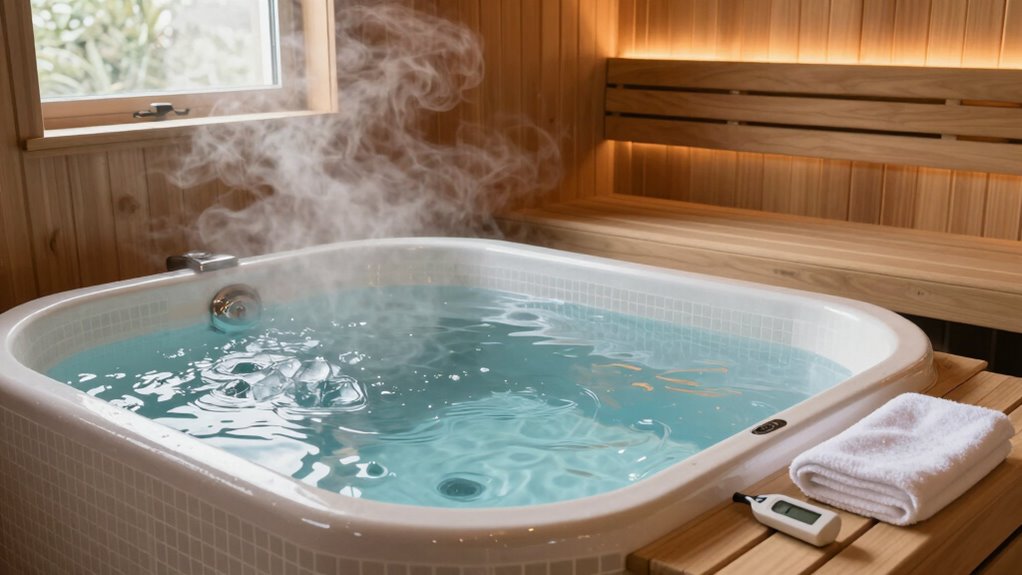
Before starting contrast therapy at home, you should consult with healthcare professionals to verify it’s safe for you. Make sure to adjust the temperatures gradually to prevent shock or injury. Taking these steps helps you enjoy the benefits safely and effectively. Additionally, being aware of infant curiosity and maintaining a toxin-free environment ensures a safe space for your entire family. Understanding contrast ratio and how it affects image quality can also help you create a more comfortable and safe environment during therapy. Being informed about home safety standards can further help you set up a secure therapy space. Moreover, understanding market trends can assist you in choosing safe and effective equipment for your home setup. Also, reviewing privacy and security practices ensures your personal information remains protected while researching or purchasing therapy equipment online.
Consult Healthcare Professionals
While trying contrast therapy at home can offer benefits, it’s vital to consult healthcare professionals first to guarantee it’s safe for you. Many hydrotherapy myths and temperature myths circulate, making self-treatment risky without expert guidance. To confirm safety, consider these steps:
- Talk to your doctor if you have cardiovascular issues, skin conditions, or are pregnant.
- Clarify any misconceptions about hydrotherapy myths that could lead to unsafe practices.
- Confirm that your health history supports temperature fluctuations during therapy.
- Seek advice on proper protocols to avoid overexposure or injury.
- Understanding home hydrotherapy protocols can help you follow safe and effective practices. Additionally, being aware of temperature management techniques can prevent adverse effects during contrast therapy.
- Educating yourself about temperature regulation methods can further enhance your safety during at-home contrast therapy. Staying informed about contraindications ensures you recognize when to stop or avoid therapy altogether.
Consulting a healthcare professional helps you understand your personal risks and dispels common myths, ensuring you can enjoy contrast therapy safely and effectively.
Gradually Adjust Temperatures
To guarantee your safety, start by gradually adjusting the temperatures of the water during contrast therapy sessions. This approach allows your body to adapt through effective temperature regulation, reducing the risk of shock or discomfort. Begin with a warm temperature and slowly decrease it for cold plunges, or gradually increase the heat for sauna sessions. This process promotes gradual adaptation, helping your body become accustomed to temperature changes over time. Avoid sudden shifts that can strain your cardiovascular system or cause dizziness. Pay attention to how your body responds, and don’t push beyond your comfort zone too quickly. Incorporating an understanding of body thermoregulation can further enhance your safety during these practices. Developing awareness of temperature regulation in your body can support better control during contrast therapy sessions, ensuring a safer experience. Additionally, practicing mindful breathing can help you stay relaxed and maintain stability throughout the process. Being mindful of heart rate responses can help you recognize signs of overexertion and adjust accordingly. Consistent, incremental adjustments *guarantee* a safe and effective contrast therapy experience, supporting your overall health and wellness goals. Incorporating gentle movement exercises can also aid in the body’s adaptation process, promoting circulation and reducing stiffness.
How to Choose Safe and Effective Equipment for Cold Plunges and Saunas
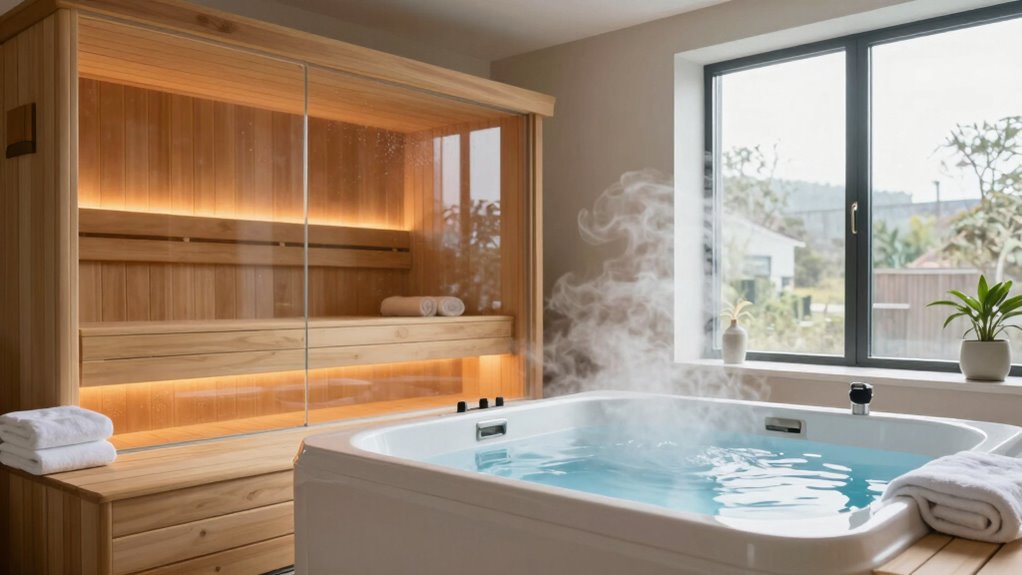
When selecting equipment for cold plunges and saunas, you need to prioritize material durability and safety to avoid leaks or breakage. Make sure the temperature controls are precise and easy to monitor so you can maintain safe levels during use. Choosing reliable equipment helps guarantee your contrast therapy sessions are both safe and effective. Additionally, consider the importance of proper maintenance and routine inspection to ensure longevity and safety of your equipment over time. Regularly checking for wear and tear can prevent unexpected malfunctions and extend the lifespan of your devices.
Material Durability and Safety
Choosing equipment for cold plunges and saunas requires paying close attention to material durability and safety. You want materials that guarantee material safety and support equipment longevity. Consider these factors:
- Corrosion Resistance: Opt for stainless steel or treated wood to withstand moisture and temperature changes.
- Heat Resistance: Use non-toxic, heat-resistant materials that won’t warp or degrade over time.
- Non-Toxic Finishes: Choose equipment with safe, non-toxic coatings to prevent harmful chemical exposure.
- Structural Integrity: Ensure sturdy construction that can support regular use without cracks or warping.
Prioritizing these aspects ensures your equipment remains safe, durable, and effective long-term, making your contrast therapy sessions both enjoyable and risk-free.
Temperature Control and Monitoring
Ensuring precise temperature control is essential for safe and effective contrast therapy sessions. You need equipment with reliable temperature regulation features to maintain the correct temperatures in your cold plunge and sauna. Look for devices that offer accurate digital controls and clear displays, so you can monitor temperatures easily. Safety monitoring is equally important; choose systems with built-in safety features like automatic shut-off or alerts if temperatures go outside safe ranges. Proper temperature control prevents discomfort, frostbite, or burns, ensuring your sessions are both effective and safe. Regularly check and calibrate your equipment to maintain accurate readings. By prioritizing precise temperature regulation and safety monitoring, you create a controlled environment that supports your health and enhances the benefits of contrast therapy.
Designing a Safe and Effective Contrast Therapy Routine
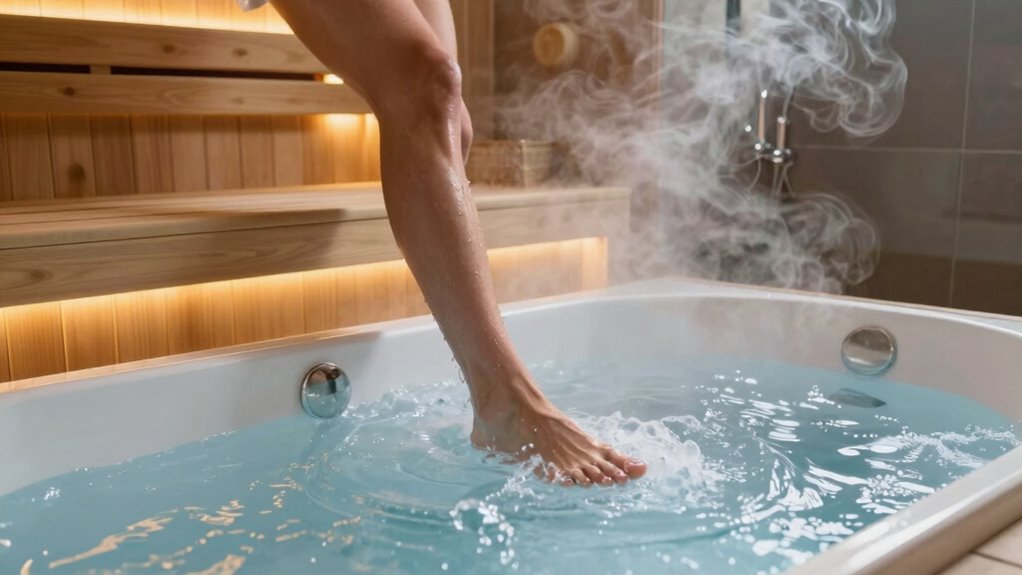
Creating a safe and effective contrast therapy routine starts with understanding your own limits and gradually building up intensity. To maximize hydrotherapy benefits and improve temperature regulation, follow these steps:
- Start with brief sessions, like 1-2 minutes in cold or hot environments, and increase gradually.
- Monitor your body’s response; avoid pushing beyond comfort or causing discomfort.
- Alternate between cold plunges and saunas with a 1:1 or 2:1 ratio, depending on your experience.
- Stay hydrated and listen to your body to prevent overexposure or shock.
Best Practices for Alternating Between Cold and Hot Sessions at Home
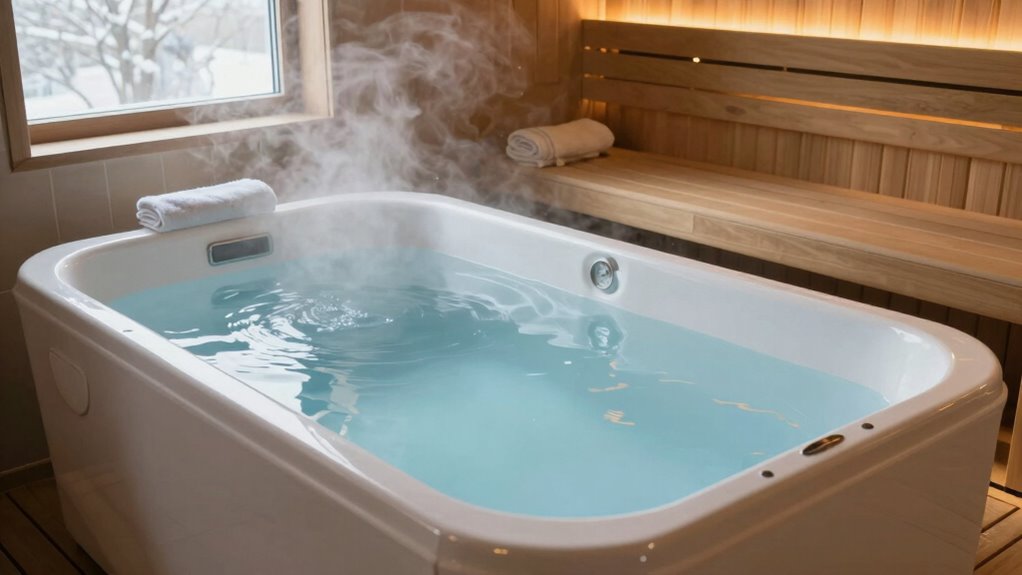
To get the most benefits from alternating between cold and hot sessions at home, you should follow a consistent pattern that respects your body’s responses. Use hydrotherapy techniques that promote safe and effective temperature regulation. Start with a warm sauna or hot shower to relax your muscles and increase circulation. Then, switch to a cold plunge or shower to constrict blood vessels and invigorate your system. Keep each session within recommended durations—typically 1-3 minutes for cold and 10-15 minutes for heat. Rest between cycles to allow your body to stabilize. Listen to your body’s signals; if you feel dizzy or uncomfortable, adjust the timing or intensity. Maintaining a balanced approach guarantees you maximize benefits without overstressing your system.
Common Mistakes to Avoid When Doing Contrast Therapy at Home
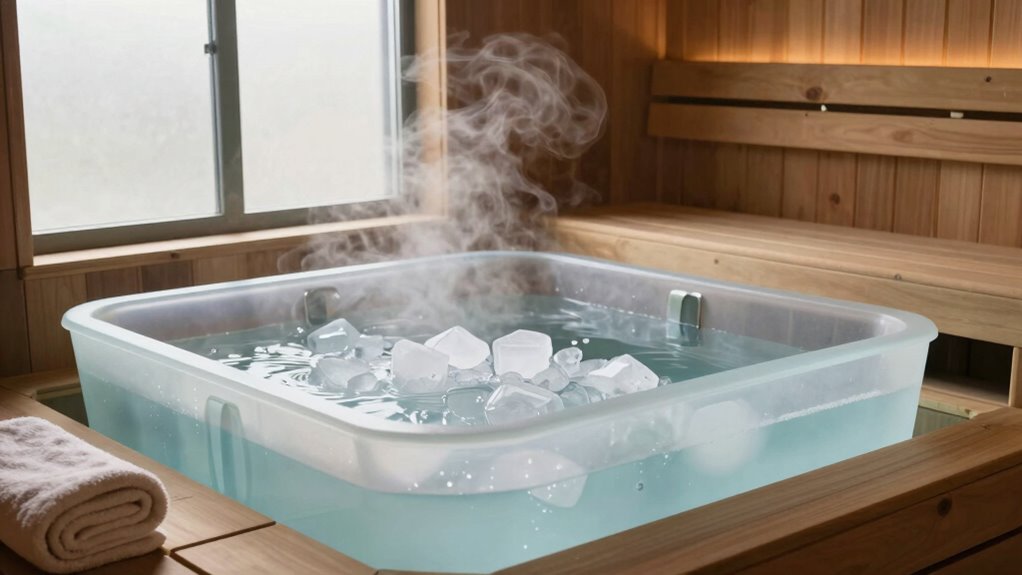
Many people make common mistakes when practicing contrast therapy at home that can reduce its effectiveness or even cause harm. To guarantee safe and beneficial sessions, avoid these pitfalls:
Avoid common contrast therapy mistakes to ensure safe, effective, and beneficial sessions at home.
- Skipping proper hydration, which can lead to dizziness or dehydration.
- Ignoring your body’s signals, risking overexposure to extreme temperatures.
- Not managing the timing between hot and cold sessions, compromising risk management.
- Using water temperatures that are too extreme, increasing the chance of injury.
Always listen to your body and stay hydrated to prevent adverse effects. Proper risk management involves knowing your limits and adjusting the duration and temperature accordingly. Being mindful of these common mistakes helps you get the most benefit from contrast therapy without risking your health.
How to Listen to Your Body and Know When to Stop
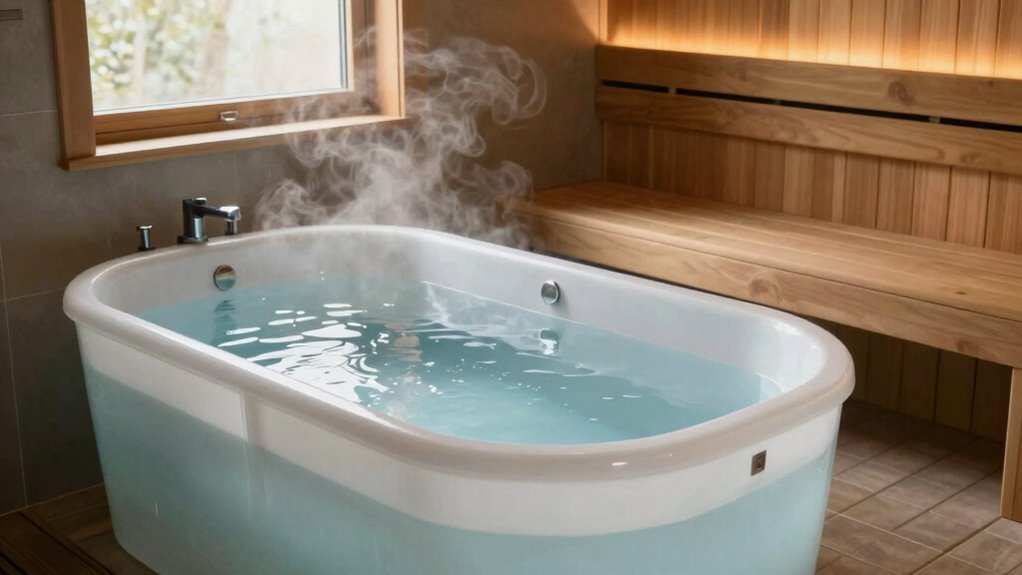
Paying close attention to how your body reacts during contrast therapy is key to staying safe and getting the most benefit. Developing strong body awareness helps you recognize early signs that you should stop or adjust your session. Pay attention to pain signals—sharp, intense, or persistent pain means you need to pause immediately. If you feel dizzy, numb, or overly uncomfortable, it’s a clear sign to end the session. Remember, comfort levels vary, so listen to your body rather than sticking rigidly to a schedule. Gradually build your tolerance, but never ignore signals that indicate you’re pushing too far. Respect your body’s responses, and always prioritize safety over intensity to avoid setbacks or injury.
Frequently Asked Questions About Home Contrast Therapy
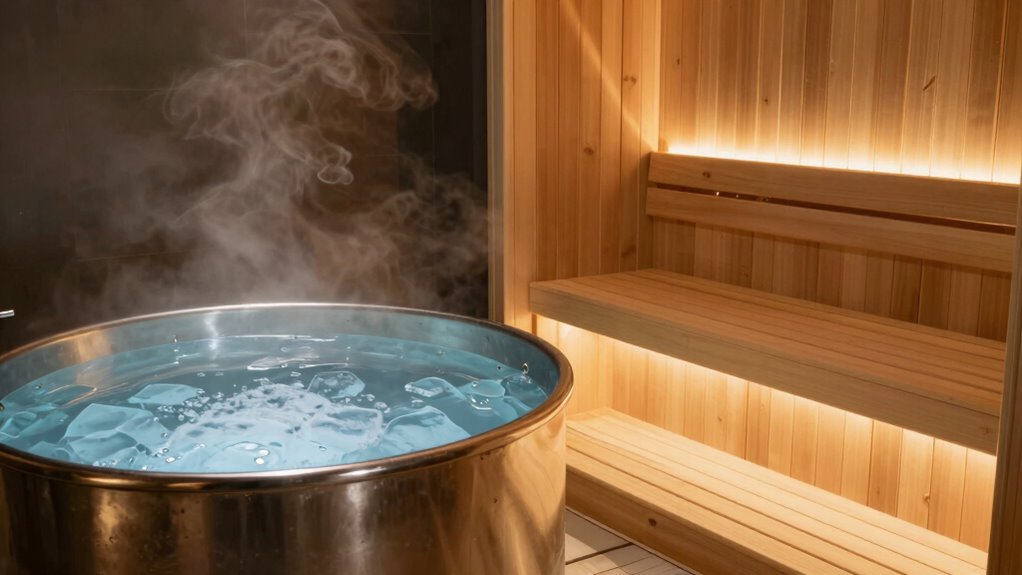
Curious about how to make the most of home contrast therapy? Here are some common questions to help you get started and stay safe:
- Myth busting: Is it dangerous to switch between cold and hot? No, if done correctly, it’s safe and beneficial.
- How often should you do contrast therapy? Aim for 2-3 sessions weekly for ideal results.
- Do you need special equipment? Basic equipment like a cold plunge tub and sauna or heat source work well.
- How to ensure equipment maintenance? Regularly clean your devices, check for leaks, and follow manufacturer instructions to keep everything functioning safely.
Understanding these FAQs helps you enjoy contrast therapy effectively while avoiding common pitfalls.
Frequently Asked Questions
Can Contrast Therapy Help With Specific Medical Conditions or Injuries?
Contrast therapy can support injury recovery and offer medical benefits by reducing inflammation and easing muscle soreness. You might find it helpful for conditions like joint pain or muscle strains, as alternating hot and cold settings can boost blood flow and accelerate healing. Just remember to consult your healthcare provider first, especially if you have underlying health issues, to guarantee safe and effective use of cold plunges and saunas during injury recovery.
How Long Should Each Cold and Hot Session Last for Optimal Results?
Firstly, familiarize yourself with safe session durations for each. For ideal timing, aim for cold sessions of 1 to 3 minutes to avoid discomfort, and hot sessions of 10 to 20 minutes, depending on your tolerance. Listen to your body, stay hydrated, and gradually increase durations as you adapt. Consistency is key—balance brief, beneficial plunges with calming, cozy saunas for best results.
Is It Safe to Do Contrast Therapy Alone Without Supervision?
You can do contrast therapy alone at home, but DIY safety is essential. Make sure you understand your body’s limits and follow recommended durations for cold and hot sessions. While medical supervision isn’t always necessary, consult a healthcare professional if you have underlying health issues or concerns. Always listen to your body, stay hydrated, and never push yourself too far—safety should always come first.
What Are Signs That I Should Stop Contrast Therapy Immediately?
You should stop contrast therapy immediately if you experience dizziness warning signs, like feeling faint, lightheaded, or unsteady. Also, if you notice skin irritation, redness, or burning sensations, it’s time to end the session. These symptoms indicate your body isn’t tolerating the temperature changes well. Always listen to your body, and avoid pushing through discomfort to prevent adverse effects.
How Often Should I Incorporate Contrast Therapy Into My Routine?
You should incorporate contrast therapy into your routine 2-3 times a week, following recommended frequency guidelines. To do this securely, start with shorter sessions and gradually increase duration, paying attention to your body’s response. Always observe safety precautions, such as avoiding extreme temperatures and staying hydrated. If you feel dizzy or uncomfortable, stop immediately and consult a healthcare professional. Consistency and listening to your body ensure effective and safe contrast therapy.
Conclusion
By mastering contrast therapy at home, you open a secret weapon for faster recovery and renewed vitality. Remember to follow safety tips, choose the right equipment, and listen to your body—your health is the treasure chest worth more than gold. With patience and care, you’ll soon experience the incredible benefits that make your wellness routine feel like a superpower. Dare to plunge in, and watch your well-being soar to legendary heights!
Fall Picks
fall essentials
As an affiliate, we earn on qualifying purchases.