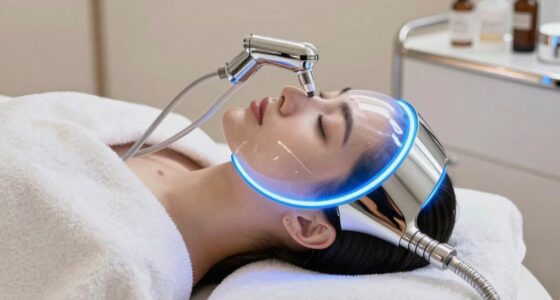
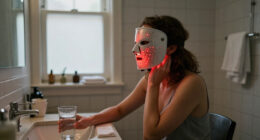
Set up a light therapy lamp and try a short, comfortable session as part of a relaxation routine. This guide is for beginners who have a suitable lamp and want practical setup, positioning, and safety guidance. Allow 10-15 minutes to prepare, then follow the lamp’s instructions for session length; many devices specify a set duration and distance.

Get wellness gear delivered free with Prime
- Fast, free delivery on millions of items
- Prime Video, Amazon Music and more included
- Member-only deals all year

10,000 Lux Light Therapy Lamp with 670nm Red Light
- ✔ Light modes: Daylight and 670nm red light
- ✔ Illumination: 10,000 lux
- ✔ Brightness: 5 levels

Verilux HappyLight Lucent Light Therapy Lamp – 10,000 Lux UV-Free LED
- ✔ Light source: UV-free full-spectrum LED
- ✔ Illumination: Up to 10,000 lux
- ✔ Operation: One-button push control

670nm Red Light Therapy Lamp with Remote Control – 10,000 Lux Sun Lamp, Dual Sleep Aid & Daylight, 4-Color Night Light
- ✔ Wavelength: 670nm
- ✔ White light output: 10,000 lux
- ✔ Color temperature modes: 2700K, 4500K, 6500K
Bright light may feel calming to some people, but a light therapy lamp is not a treatment for every kind of stress or sleep problem. Use it according to its manufacturer’s instructions, and do not stare directly into the light.
Difficulty: Beginner | Time: 10-15 minutes to set up; 15-30 minutes per session
What You’ll Need
Tools & Materials:
- A light therapy lamp with manufacturer instructions
- A stable table or desk near a comfortable seat
- A timer or clock
Knowledge:
- Basic ability to read and follow the lamp’s safety and positioning instructions
Check the lamp’s stated purpose, recommended distance, session duration, and safety warnings before use. Lamps designed for other purposes may not be suitable for light therapy. If you have an eye condition, a history of bipolar disorder or mania, take medication that increases light sensitivity, or are unsure whether bright light is appropriate for you, ask a clinician or pharmacist before starting.
10,000 Lux Light Therapy Lamp with 670nm Red Light
This model makes the strongest case as an all-purpose relaxation lamp because it pairs daylight and 670nm red light with five brightness levels and four color temperatures. That range gives us more ways to adapt the feel of a room than the one-button Verilux, which is built around simple full-spectrum white light. The remote, memory function, and three timer settings also make it easier to return to a preferred setup without reaching for the lamp each time.Its lightweight tabletop design suits a desk, side table, or travel bag, though tabletop placement is also a limitation: we cannot mount it or use it as a waterproof bathroom light. Compared with the B0FK591J13, this lamp’s stated dimensions and weight give a clearer picture of a tall, narrow portable form, while the other model adds device charging ports and a wider range of timer durations. Choose this one if changing light modes and carrying the lamp matter more than charging a phone beside it. Skip it if you want a wall-mounted fixture or need one lamp to tolerate damp conditions.
Pros:
- Daylight and 670nm red light modes
- Five brightness levels and four color temperatures
- Remote, memory function, and 30-, 60-, and 120-minute timers
- Lightweight at 1.1 lb for moving between rooms or travel
Cons:
- Tabletop-only design limits placement
- Not waterproof
Best for: Buyers who want adjustable daylight and red-light modes in a portable tabletop lamp with remote and timer controls.
Not ideal for: People who need a waterproof or mounted lamp, or who prefer a very simple one-button setup.
Bottom line: We rank it first for combining the broadest stated lighting adjustments with practical controls in a portable format.
“We rank it first for combining the broadest stated lighting adjustments with practical controls in a portable format.”
Verilux HappyLight Lucent Light Therapy Lamp – 10,000 Lux UV-Free LED
The HappyLight Lucent is the easiest recommendation for someone who wants straightforward UV-free LED light without sorting through multiple modes. Its one-button operation keeps setup simple, and the thin rectangular body can sit vertically or horizontally using its detachable stand. That makes it easier to fit onto a crowded desk or pack for travel than a lamp with a taller, more decorative shape.Simplicity comes with meaningful limits for relaxation-focused use. Unlike both dual-mode lamps in this roundup, the Verilux listing describes only full-spectrum white light; it does not offer a red-light mode. It also has no built-in timer or dimming control, so we have less ability to tailor a session or set a routine from the lamp itself. The B0FVWQ4ZFF is a better fit if adjustable evening lighting is central, and the B0FK591J13 adds timers and charging ports. Pick Verilux when reliable, easy-to-position daylight is the priority; look elsewhere if you want one device to shift between daytime and evening ambience.
Pros:
- One-button operation is easy to understand
- Provides up to 10,000 lux of UV-free full-spectrum LED light
- Thin body and detachable stand support flexible positioning
- Portable for home, office, or travel use
Cons:
- No built-in timer or dimming control
- Requires corded power
Best for: First-time buyers who value a thin, portable lamp with simple operation and flexible vertical or horizontal placement.
Not ideal for: Shoppers seeking red light, brightness adjustment, a built-in timer, or a battery-powered model.
Bottom line: We recommend it for uncomplicated daytime light, but its limited controls make it less versatile for varied relaxation routines.
“We recommend it for uncomplicated daytime light, but its limited controls make it less versatile for varied relaxation routines.”
670nm Red Light Therapy Lamp with Remote Control – 10,000 Lux Sun Lamp, Dual Sleep Aid & Daylight, 4-Color Night Light
The B0FK591J13 is the most convenience-focused option for a nightstand or desk. It combines 670nm red light and 10,000-lux white light with touch and remote controls, memory, and four timer choices. Its USB-A and USB-C ports also let us charge devices at the same spot, which can reduce bedside clutter. Compared with the B0FVWQ4ZFF, it provides more listed timer durations and charging ports; the first-place lamp gives a more clearly specified portable body and offers four color temperatures rather than the three listed here.The tradeoff is a more particular form factor: the described egg-shaped design may not suit every room, and the five preset brightness levels offer less fine adjustment than a continuously dimmable lamp would. Product copy describes red light as supporting melatonin and deeper sleep, but we should not treat those outcomes as guaranteed. The Verilux is a cleaner choice if all we need is simple white light, while this model suits buyers who want controls and charging in one location. Skip it if restrained styling or more precise brightness adjustment matters most.
Pros:
- Combines 670nm red light with 10,000-lux white light
- Touch and remote controls with memory
- Four timer options from 10 to 90 minutes
- USB-A and USB-C ports for charging devices
Cons:
- Egg-shaped design may not fit every décor or space
- Brightness is limited to five preset levels
Best for: Buyers setting up a bedside or desk lamp who want dual light modes, several timer options, remote control, and device charging.
Not ideal for: People who prefer understated styling, continuous dimming, or a lamp with clearly listed compact dimensions.
Bottom line: We place it third for its useful bedside extras, while its preset brightness and distinctive shape make it a more specific fit.
“We place it third for its useful bedside extras, while its preset brightness and distinctive shape make it a more specific fit.”
As an Amazon Associate we earn from qualifying purchases.
Before You Start
Use the manufacturer’s directions as the authority for distance, angle, and timing. Light therapy guidance varies by device and by the reason for use. For relaxation, start with a brief session at a comfortable time of day rather than extending exposure to chase a particular effect. Keep the lamp away from water, do not cover its vents, and stop if you develop eye pain, a strong headache, agitation, or other troubling symptoms.
Step-by-Step Instructions
Step 1: Read the lamp instructions
Find the sections on intended use, minimum distance, exposure time, eye safety, and cleaning. Confirm that the lamp is intended for light therapy and note any warnings that apply to you. Do not rely on brightness alone to choose the session length; follow the device’s specific instructions.
Tip: If the instructions are missing, look up the exact model on the manufacturer’s website before using it.
Check: You know the recommended distance and session duration for your lamp, and you have checked its warnings.
Step 2: Choose a comfortable setting
Place a chair in a quiet spot where you can sit comfortably for the planned session. Choose a time when bright light will not interrupt sleep or other responsibilities. Keep the lamp on a stable, dry surface near an outlet, with its cord out of the walking path.
Tip: Use a familiar calming activity, such as quiet reading or slow breathing, if it does not interfere with the lamp’s directions.
Check: You can sit comfortably, reach the controls safely, and keep the lamp clear of water and obstructions.
Step 3: Position the lamp as directed
Set the lamp at the distance and angle specified by its manufacturer. Keep your eyes open only if the instructions allow it, and let the light reach you indirectly while you read or rest. Do not stare into the lamp, place it closer than directed, or block its vents.
Tip: If the light feels harsh, check the prescribed position and adjust your seat or the lamp within the permitted range. Do not solve discomfort by moving it closer or covering it.
Check: The lamp is stable, correctly spaced, and aimed as instructed without shining directly into your gaze.
Step 4: Set a conservative session time
Set a timer for the session length listed in the lamp instructions. If you are new to the device and its instructions permit shorter sessions, begin at the shorter end of the stated range. Turn the lamp on and remain seated; do not extend the session because you are unsure whether it is working.
Tip: A relaxation routine does not require you to feel sleepy or calm immediately. Notice your comfort without judging the session by a single outcome.
Check: The timer matches the device’s guidance, and you can comfortably tolerate the light at the prescribed position.
Step 5: Use the session for quiet rest
Read, listen to calm audio, or sit quietly while the lamp is on. Keep following the positioning guidance throughout the session. If you notice eye discomfort, headache, nausea, restlessness, or agitation, switch the lamp off and end the session.
Tip: Avoid multitasking that makes you forget the timer or shift the lamp into an unsafe position.
Check: You complete the planned session without staring at the light or experiencing symptoms that call for stopping.
Step 6: Turn off the lamp and note your response
Switch the lamp off when the timer ends. Record the session time, duration, position, and how you felt during and afterward. Before another session, check whether the lamp’s directions recommend a particular frequency or schedule; do not increase exposure beyond them.
Tip: A brief note can help you spot a pattern in comfort or side effects over several sessions.
Check: The lamp is off, and you have a simple record of the session and any effects.
Common Mistakes to Avoid
- Using a lamp without checking whether it is designed for light therapy. — Check the product’s intended use and follow its model-specific instructions before the first session.
- Staring directly at the light or placing the lamp closer than directed. — Use the specified distance and angle, and keep your gaze on another activity.
- Making sessions longer or more frequent because the first session felt uneventful. — Follow the manufacturer’s schedule and do not increase exposure without appropriate clinical advice.
- Treating discomfort as something to push through. — Turn off the lamp if symptoms appear, and seek medical advice if they persist or recur.
Troubleshooting
Problem: The light feels uncomfortable or too intense.
Solution: Turn the lamp off, confirm the distance and angle, and check whether the instructions allow a shorter session. Do not cover the lamp or move it outside the recommended position. Stop using it if discomfort continues.
Problem: You develop a headache or eye discomfort during a session.
Solution: Switch the lamp off and end the session. Review the positioning instructions before considering another attempt. Ask a clinician for advice if symptoms are severe, persist, or return when you use the lamp.
Problem: The lamp seems ineffective for relaxation.
Solution: Do not increase exposure to force a result. Check that the device is used as directed, and treat the session as an optional part of a calming routine. If stress or sleep problems are ongoing, discuss them with a qualified health professional.
Problem: The lamp will not turn on or flickers.
Solution: Switch it off and check the plug, outlet, and model instructions. Do not use a damaged lamp, cord, or plug; contact the manufacturer or a qualified repair service.
What Success Looks Like
A successful session follows the lamp’s stated distance, angle, and duration; the lamp remains stable and unobstructed; and you avoid direct staring. You finish with the device switched off and a clear record of your comfort and any symptoms. Feeling relaxed is not guaranteed, so judge success first by safe, correct use.
Next Steps
If the session felt comfortable, continue only at the schedule and duration listed by the manufacturer. Keep the lamp clean and store it safely according to its instructions. Review your notes for repeated discomfort, and stop using the lamp if troubling effects occur. Seek advice from a clinician if you have a relevant health condition, take light-sensitive medication, or want help with persistent stress or sleep concerns.
Frequently Asked Questions
How long should I use a light therapy lamp for relaxation?
Follow the duration specified for your exact lamp. Devices vary, so do not substitute a general session length or extend exposure because you do not notice an immediate effect.
Should I look directly at the lamp?
No. Do not stare into the light. Position the lamp as its instructions direct and use it while reading or resting if those activities are compatible with the device guidance.
Can I use the lamp in the evening?
Check the device directions and consider whether bright light affects your sleep. If you are unsure about timing, use it at a time that does not interfere with your usual sleep routine and ask a clinician for personal guidance.
What should I do if I feel restless or get a headache?
Turn the lamp off and stop the session. Review the setup instructions, and do not resume if symptoms are severe or keep returning. Contact a clinician for guidance when symptoms persist or concern you.
Does a light therapy lamp treat anxiety or insomnia?
This guide covers using a lamp as part of a relaxation routine; it does not establish that the lamp treats anxiety or insomnia. Discuss ongoing symptoms and suitable treatment options with a qualified health professional.