
When you hear about “regrowth,” it often means your hair appears thicker or fuller due to temporary thickening or volume-enhancing treatments, not the creation of new hair follicles. Most products and therapies improve the look of your hair rather than truly regenerating new strands from dormant follicles. To truly understand what’s possible, including the limits of these claims, exploring this topic further will give you clearer insights into realistic hair health goals.
Key Takeaways
- “Regrowth” often refers to thicker, healthier existing hair strands, not the creation of new hair follicles.
- Many treatments temporarily increase hair thickness or volume without producing new hair growth.
- True hair regrowth involves new follicle formation, which is rarely achieved by common hair treatments.
- Perceived thickening may result from swelling or product buildup, not actual follicle regeneration.
- Maintaining realistic expectations is essential, as most regrowth effects are temporary and require ongoing care.

Sevich Hair Fiber Spray – Instant Hair Thickening Powder for Men & Women, Hair Building Fibers for Thinning Hair, Root Touch Up Hair Color, Waterproof, Sweatproof, Natural Look,80ml Black
- Instantly Thickens Hair: Creates a fuller look in seconds
- Natural-Looking Coverage: Blends seamlessly with natural hair
- Waterproof and Sweatproof: Resistant to wind and rain
As an affiliate, we earn on qualifying purchases.
As an affiliate, we earn on qualifying purchases.
What Does ‘Regrowth’ Actually Mean in Hair Treatments?
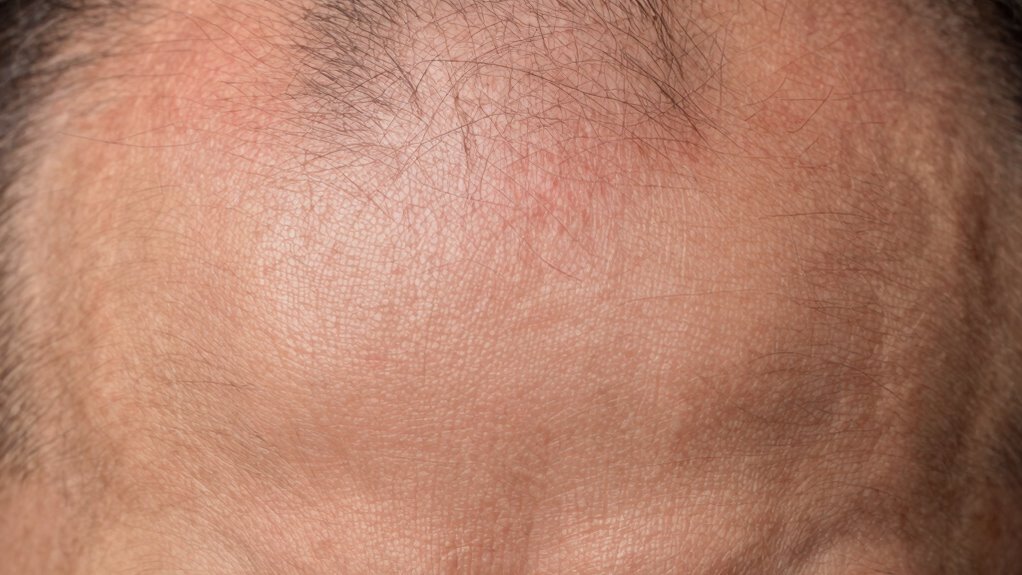
When you hear about “regrowth” in hair treatments, it’s easy to assume new hair is constantly sprouting from the scalp. In reality, regrowth often refers to the appearance of thicker, healthier hair strands rather than new hair follicles. Techniques like scalp massage can stimulate blood flow, encouraging existing hair fibers to grow stronger and appear fuller. These massages help distribute natural oils and improve scalp health, making hair look denser. Some products use hair fiber technology, which instantly thickens your existing hair strands, creating an illusion of more volume. So, when treatments claim to promote regrowth, they may be enhancing the appearance of your current hair rather than producing entirely new strands. Understanding this distinction helps set realistic expectations about what hair treatments can achieve, especially considering the hair growth mechanisms that emphasize healthy, resilient fibers. Additionally, understanding the hair follicle cycle can help clarify why some treatments may not lead to new hair formation but can improve the overall appearance through other means. Recognizing the difference between actual hair regeneration and optical illusions can help manage expectations and guide more effective hair care choices. A deeper understanding of follicle activation can further clarify how certain treatments work to optimize existing hair health rather than creating new follicles.
How Do We Measure Hair Density: And Why Should You Care?
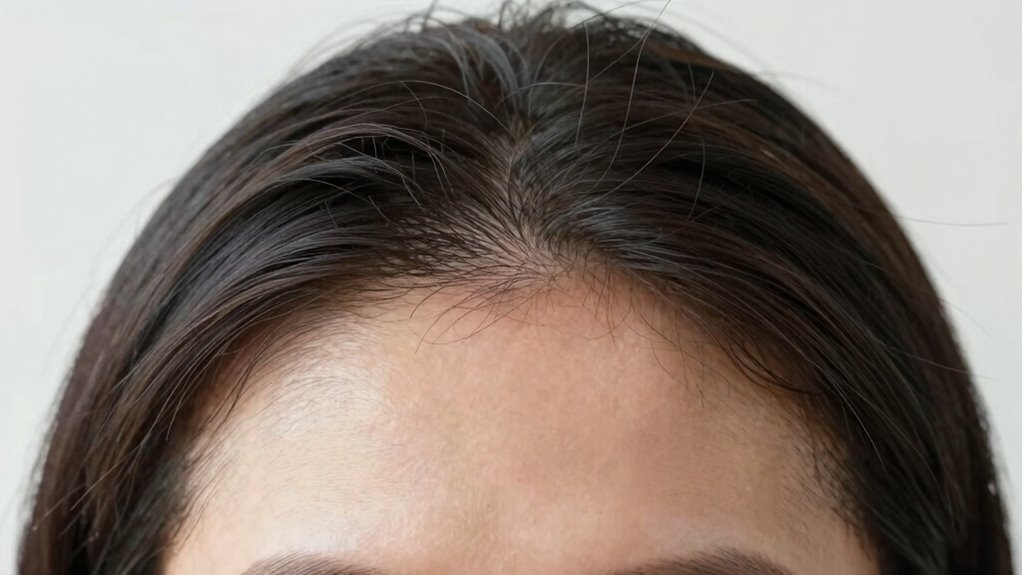
Measuring hair density involves evaluating how many hair strands grow in a specific scalp area, which helps determine the health and thickness of your hair. Measurement techniques include visual scalp analysis, where a specialist examines your scalp for thinning or patchiness, and more precise methods like trichoscopy or scalp imaging tools. These techniques provide an accurate count of hair follicles per square centimeter, giving you a clear picture of your hair’s density. You should care because understanding your current hair density helps identify early signs of thinning, guides treatment choices, and sets realistic expectations. Proper scalp analysis ensures you don’t mistake regrowth or hair thinning for normal variation, empowering you to make informed decisions about hair health and potential interventions. Additionally, being aware of hair density measurement techniques can help you track changes over time and assess the effectiveness of any treatments or lifestyle adjustments. Recognizing the importance of energetic alignment can also influence your overall approach to hair health and confidence. Maintaining awareness of nutritional factors that impact hair growth can further support your efforts to optimize scalp health and overall well-being.
Is Hair Thickening the Same as Regrowth? Here’s What You Need to Know

Many people confuse hair thickening with regrowth, but they are actually two different processes. Thickening makes existing hair appear fuller, often through scalp massage or volumizing products. Scalp massage can stimulate blood flow, helping existing hair look thicker. Hair dye can temporarily enhance volume but doesn’t promote new growth. True regrowth appears as new hairs sprouting, often after medical treatments or natural cycles. Understanding the hair growth cycle is essential to setting realistic expectations about timing and results. Additionally, factors like hormonal balance play a crucial role in the natural process of hair regeneration, influencing how quickly regrowth can occur. Recognizing the natural hair cycle helps in understanding why results vary and prevents frustration. For example, hormonal fluctuations can significantly impact the rate and extent of hair regrowth in individuals. Incorporating traditional herbal remedies and practices rooted in Indigenous wisdom can support overall scalp health and promote natural growth processes. Knowing this helps set realistic expectations and avoid false hopes about quick fixes for hair loss.
What Do Hair ‘Regrowth’ Products Claim, and What Do They Really Do?
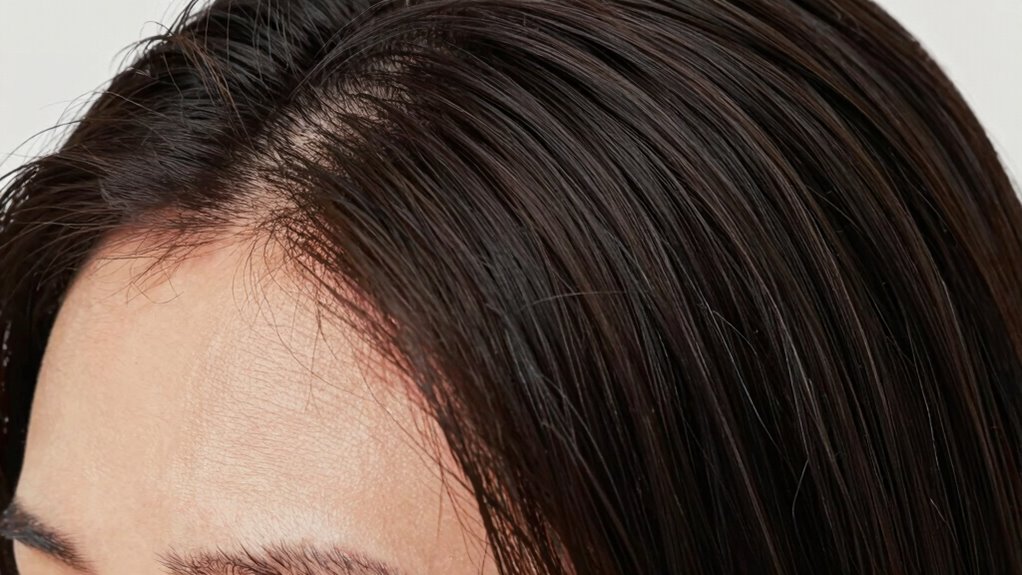
Hair ‘regrowth’ products often claim to stimulate the emergence of new hair from your scalp, promising faster or thicker growth with regular use. However, many of these products mainly improve scalp health, reducing inflammation and supporting existing hair follicles rather than creating new hair. They may enhance the appearance of density by thickening hair shafts or restoring natural hair color, but they rarely produce true regrowth of entirely new hair strands. Some ingredients aim to prolong the hair cycle or prevent shedding, giving the illusion of increased density. It’s important to recognize that while these products can improve scalp condition and make hair look fuller, they don’t necessarily regenerate or generate new hair growth, which often leads to misunderstandings about their actual effectiveness. Proper scalp care, such as handling water damage and maintaining a clean, dry environment, can also support healthy hair growth. Additionally, understanding the hair growth cycle can help set realistic expectations for what these products can achieve. Recognizing the limitations of topical treatments can help manage expectations and guide better hair care decisions. Moreover, managing factors like scalp inflammation can be crucial for maintaining healthy hair. Incorporating proper scalp hygiene can further optimize conditions for existing hair to thrive.
What Results Can You Expect From Most Hair Regrowth Treatments?
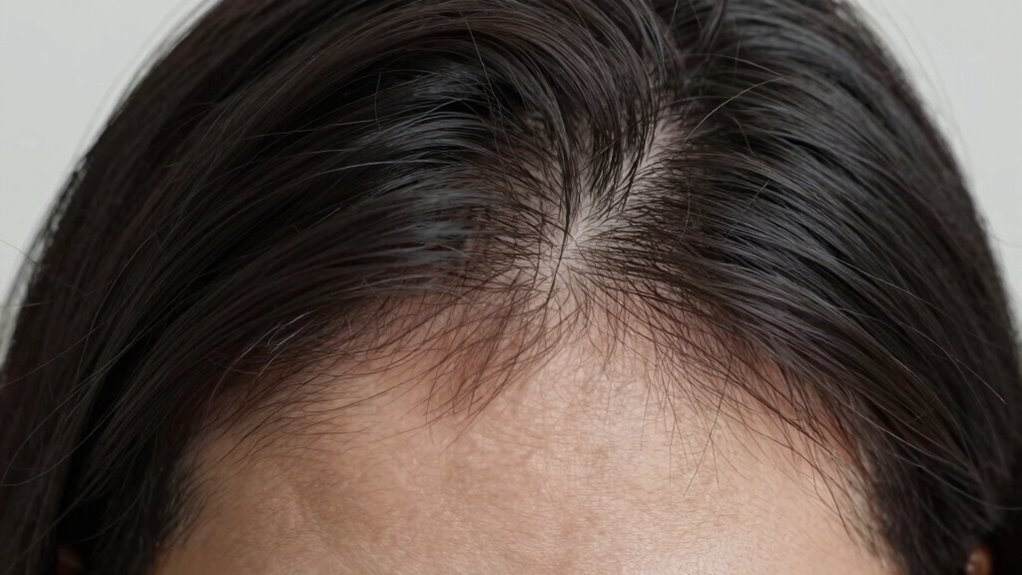
Most hair regrowth treatments can give you temporary improvements in thickness, but results vary widely from person to person. You might see some gains, but they often require ongoing effort to maintain. Consistency and regular maintenance are key to sustaining any improvements you achieve. Additionally, understanding hair growth factors can help set realistic expectations for treatment outcomes. Recognizing the role of wave and wind conditions can also influence how you care for and style your hair to support healthy growth.
Temporary Thickness Improvements
While most hair regrowth treatments can temporarily boost the appearance of thickness, the results often vary and aren’t permanent. You might notice a quick improvement in hair texture and scalp health after treatment, but these effects typically fade over time. To help you understand what to expect, here are four key points:
- Immediate Volume: Treatments can make hair look fuller for a short period.
- Temporary Scalp Improvement: Some products improve scalp health temporarily, enhancing hair appearance.
- Limited Longevity: These effects usually last a few weeks to months before diminishing.
- Dependence on Maintenance: Regular use is required to sustain the temporary boost.
- Understanding Hair Regrowth Claims: Many products promote temporary thickness, which can be misleading if expectations are not managed. The perception of hair regrowth may also be influenced by the temporary nature of these treatments rather than actual follicle regeneration.
- Impact of environmental factors like indoor air quality can also affect scalp health and hair condition over time. Environmental factors such as exposure to pollutants can also exacerbate hair thinning and impact overall scalp health.
Varying Results Among Individuals
Since individual responses to hair regrowth treatments can vary widely, you shouldn’t expect identical results from every product or method. Your hair follicle health, genetics, and scalp condition all influence how well a treatment works. Some people see noticeable thickening within a few months, while others may experience only minimal improvement or need longer to notice changes. Factors like age, underlying health issues, and scalp health play significant roles in outcomes. Even with consistent use, results can differ, and not everyone will regain the same level of density. It’s important to set realistic expectations and understand that hair regrowth isn’t a one-size-fits-all process. Your unique biology will determine how your scalp responds to treatment efforts. Hair follicle health significantly impacts the effectiveness of regrowth treatments and should be maintained for optimal results.
Maintenance and Consistency
Consistent maintenance is key to seeing the best results from hair regrowth treatments. While you might notice initial improvements, sustaining progress depends on ongoing effort. Your scalp health plays a crucial role; neglecting it can hinder growth. Additionally, hair genetics influence how much regrowth you’ll experience, so expectations should be realistic. To maximize results, consider these steps:
- Follow your treatment plan diligently, sticking to recommended routines.
- Maintain a healthy scalp through proper hygiene and scalp massages.
- Monitor your diet to support hair health from within.
- Be patient and consistent—regrowth takes time, and irregular efforts reduce effectiveness.
How Hair Care and Lifestyle Choices Impact Hair Thickness and Growth

Your diet plays a key role in how thick and healthy your hair gets, so eating nutrient-rich foods matters. Stress can weaken hair fibers and slow growth, making managing it essential. Additionally, your hair care routine—like how often you wash and what products you use—directly affects hair strength and fullness.
Nutrition’s Role in Growth
Proper nutrition plays a crucial role in maintaining healthy hair, as the nutrients you consume directly influence hair thickness and growth. Nutrition effects are significant; a balanced diet supports stronger, fuller hair. To improve your diet and promote hair health, consider these key points:
- Incorporate protein-rich foods like eggs and lean meats to strengthen hair strands.
- Increase intake of iron and zinc, found in spinach and nuts, to prevent hair thinning.
- Add omega-3 fatty acids from fish or flaxseeds to boost scalp health.
- Stay hydrated, as water supports nutrient transport and overall hair vitality.
Making these diet improvements can lead to noticeable changes in hair quality and growth. Remember, consistent healthy eating habits are essential for ideal results.
Stress and Hair Health
Stress can considerably impact hair health by disrupting the natural growth cycle, leading to thinning or increased hair fall. When you’re stressed, your body releases hormones that can weaken hair follicles, making hair more prone to shedding. To support your scalp health, try regular scalp massages, which boost blood circulation and help relax tense muscles. Additionally, including hair vitamins rich in biotin, zinc, and other nutrients can strengthen hair strands from within. Managing stress through exercise, meditation, or hobbies also reduces its negative effects on your hair. Remember, a calm mind and a healthy scalp are vital for maintaining thick, resilient hair. By combining these lifestyle choices, you can help protect your hair from stress-related damage and promote better growth.
Hair Care Routines
Consistent hair care routines play a crucial role in maintaining and enhancing hair thickness and growth. Proper habits can improve scalp health, prevent damage, and support natural growth cycles. To optimize your routine, consider these essential steps:
- Regular scalp exfoliation to remove buildup and promote healthy follicle function.
- Adjusting hair products based on your hair’s porosity to ensure proper moisture retention.
- Using gentle shampoos and avoiding excessive heat styling that can weaken strands.
- Incorporating nourishing oils and treatments to strengthen hair from root to tip.
Should You Consider Medical Treatments for Hair Loss?
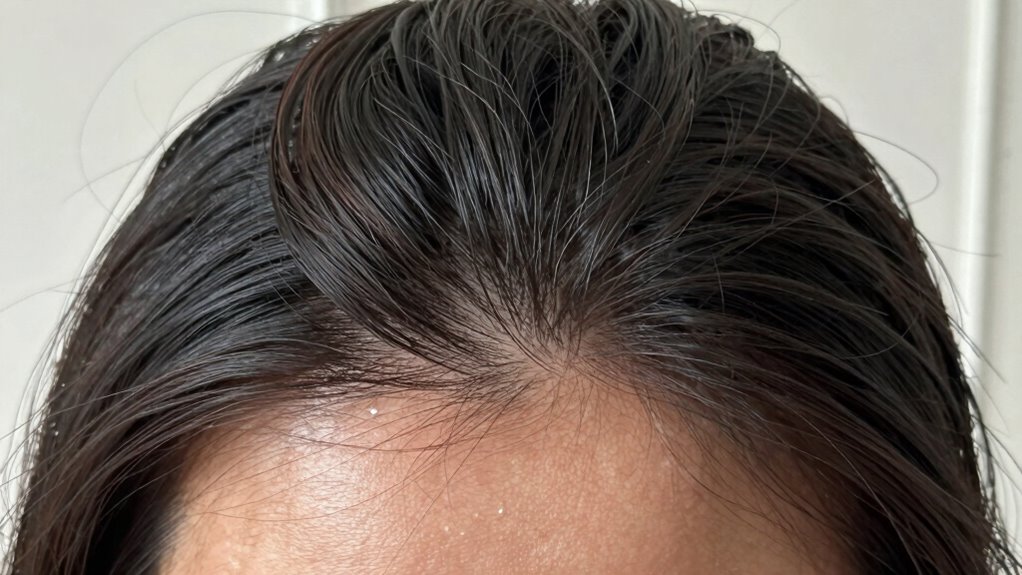
Deciding whether to pursue medical treatments for hair loss can be a crucial step in addressing thinning hair. If you’re considering options, treatments like hair transplants and cosmetic procedures might be suitable. Hair transplants involve relocating hair follicles from denser areas to thinning spots, offering a more permanent solution. Cosmetic procedures, such as scalp micropigmentation or laser therapy, can improve appearance and stimulate growth. Before committing, consult with a specialist to evaluate your specific condition and expectations. Keep in mind that not everyone responds equally to treatments, and results vary. Weigh the benefits against potential risks and costs. Medical interventions can be effective, but understanding your unique situation is key to making an informed decision.
How to Choose the Best Solutions to Make Your Hair Look Thicker
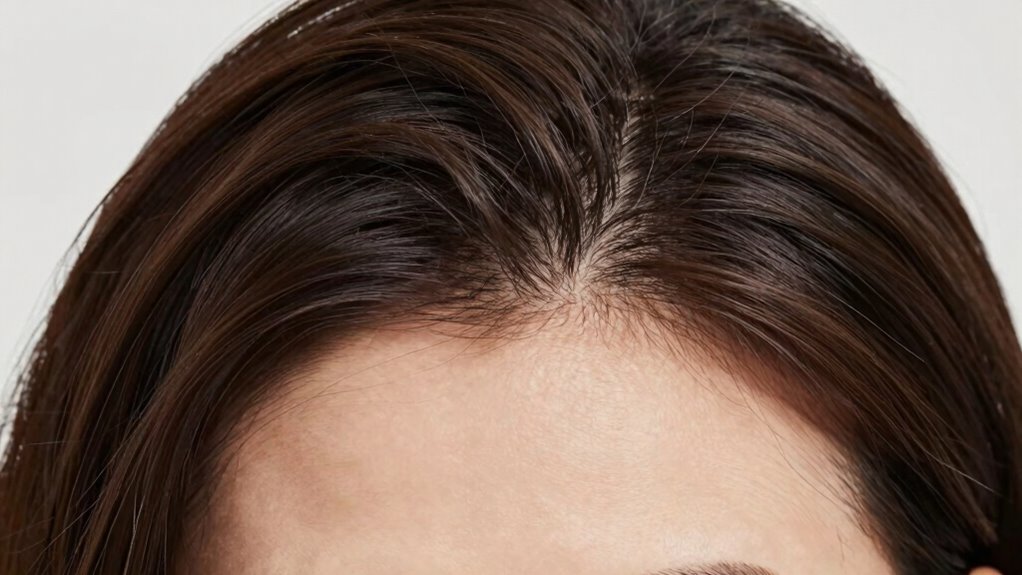
When choosing solutions to make your hair look thicker, it’s important to contemplate your unique hair type, scalp condition, and personal preferences. Consider options that suit your lifestyle and desired results.
- Experiment with hair dyeing to add volume and create the illusion of thicker hair.
- Incorporate regular scalp massage to stimulate blood flow and promote healthier hair.
- Use volumizing products tailored to your hair type for an instant boost.
- Explore non-invasive treatments like thickening shampoos or fibers that temporarily enhance density.
Focusing on these approaches helps you find the most effective way to boost your hair’s appearance without unnecessary procedures. Remember, consistency is key to seeing real improvement.
Setting Realistic Expectations for Your Hair Regrowth Journey
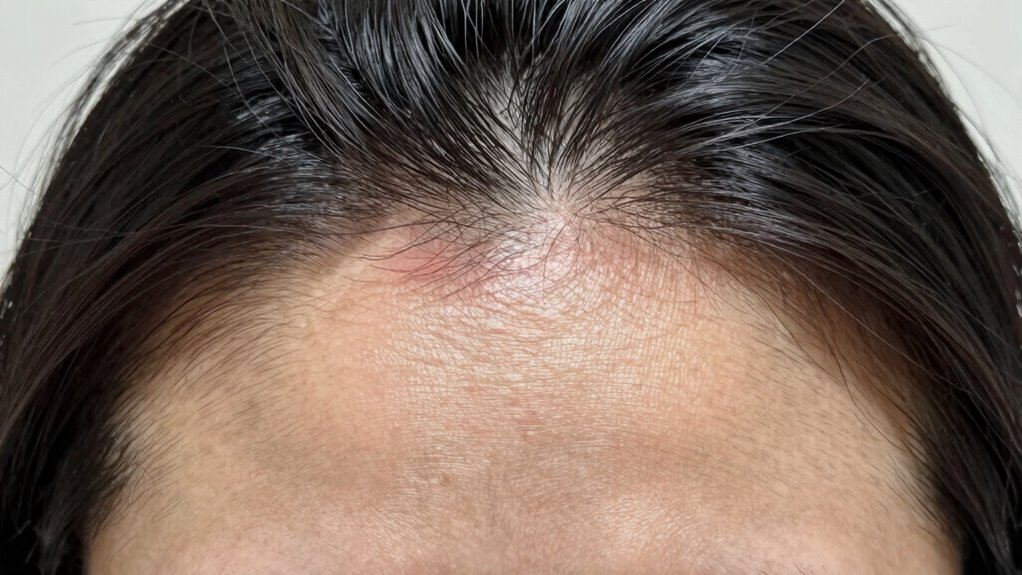
Starting on a hair regrowth journey requires setting realistic expectations to stay motivated and avoid disappointment. Remember, improving scalp health and hair fiber quality takes time, often months, before noticeable changes occur. Regrowth isn’t always dramatic; it may involve thinner or finer hair rather than full, thick strands. Understand that hair naturally cycles through growth phases, and some shedding is normal. Avoid expecting overnight results or a complete transformation. Instead, focus on consistent scalp care, balanced nutrition, and patience. By setting achievable goals, you’ll better appreciate small progress and stay committed. Realistic expectations help you track your journey without frustration, making it easier to maintain positive habits that support healthy hair growth over the long term.
Frequently Asked Questions
Can Hair Regrowth Treatments Cause Side Effects?
Yes, hair regrowth treatments can cause side effects like scalp irritation, itching, or allergic reactions. If you undergo a hair transplant, you might experience swelling or discomfort. Sometimes, treatments can trigger hormonal imbalance, affecting your overall health. It’s essential to consult with a specialist beforehand to weigh the benefits against potential side effects and verify the treatment suits your specific needs and health condition.
How Long Does True Hair Regrowth Typically Take?
True hair regrowth typically takes about 3 to 6 months, depending on your hair cycle and follicle health. You’ll notice new growth when your follicles enter the anagen (growth) phase again. Keep in mind, consistent treatments and proper scalp care support follicle health, speeding up the process. Patience is key, as hair growth varies based on individual factors like age, genetics, and overall health.
Are Natural Remedies Effective for Increasing Hair Density?
Natural remedies are like a gentle rain—sometimes they help, sometimes they don’t. Herbal supplements and dietary adjustments can support healthy hair, but they rarely lead to dramatic density increases. While they might improve hair quality and slow loss, don’t expect miracles. For noticeable results, combine natural remedies with proven treatments. Remember, consistency is key, and consulting a specialist guarantees you choose the best approach for your hair goals.
What Causes Hair Density to Decrease Over Time?
Hair density decreases over time mainly due to hair thinning causes like genetics, hormonal changes, and stress. Age-related loss also plays a significant role, as hair follicles shrink and produce thinner strands. You might notice more scalp visibility and less volume as these factors progress. Maintaining a healthy diet, reducing stress, and seeking professional advice can help slow down this natural process and preserve your hair density longer.
Is Hair Regrowth Permanent or Temporary?
Hair regrowth is typically temporary because it depends on your hair cycle and follicle health. When you see new hair, it’s usually in the growth phase, but it can shed and be replaced over time. Maintaining healthy follicles through proper care helps prolong this process. However, without ongoing support, regrowth might slow down or stop, making it essential to nurture your hair’s natural cycle for long-term results.
Conclusion
So, next time you see a product promising instant regrowth, remember that true hair thickening often takes time and realistic expectations. Sometimes, it’s just a coincidence that a new haircare routine or lifestyle change aligns with noticeable improvement. Keep your goals achievable, stay patient, and enjoy the small victories along the way. After all, your hair journey is unique—sometimes, the best results come when you least expect them.