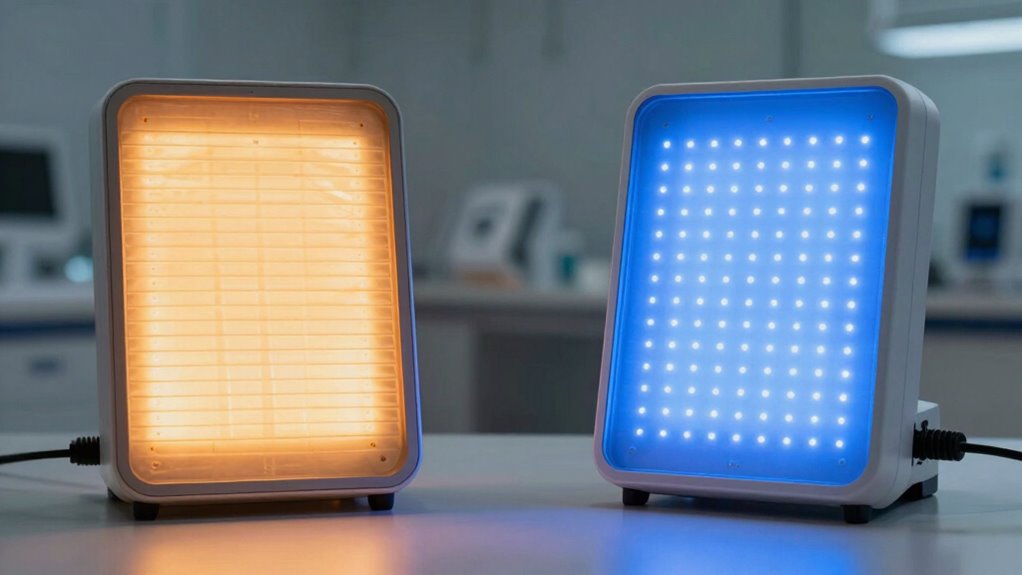
More heat isn’t always better when it comes to infrared heat therapy and photobiomodulation. Infrared relies on warmth to boost blood flow and relax muscles, but too much heat can cause discomfort or injury. Photobiomodulation uses specific light wavelengths to stimulate cells without needing intense heat. Finding the right balance guarantees safety and effectiveness, so exploring how each therapy works will help you make informed choices for your wellness goals.
Key Takeaways
- Infrared heat therapy benefits from increased temperature to promote blood flow but risks discomfort or tissue damage if overdone.
- Photobiomodulation relies on specific light wavelengths to stimulate cells, with minimal impact from temperature changes.
- Excessive heat in infrared therapy can cause adverse effects, while photobiomodulation’s effectiveness depends on precise light parameters.
- Optimal infrared therapy balances heat for tissue relaxation without exceeding thermal tolerance limits.
- Photobiomodulation targets cellular functions directly, making more heat less beneficial and potentially unnecessary.
What Are Infrared Heat Therapy and Photobiomodulation?
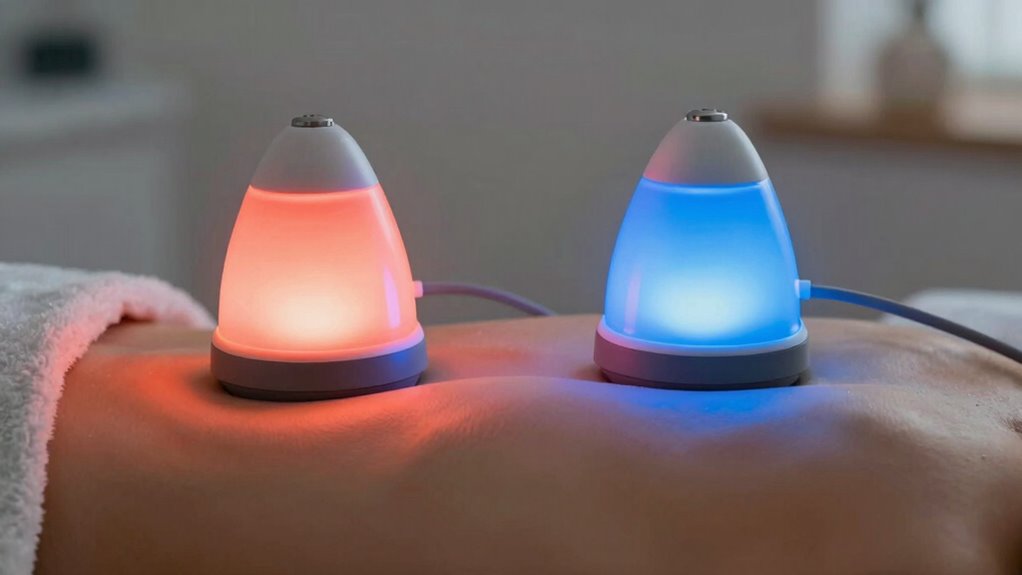
Infrared heat therapy and photobiomodulation are two non-invasive treatments that use light energy to promote healing and improve well-being. Infrared heat therapy works by providing deep thermal penetration into tissues, which helps increase blood flow and relax muscles. This process also stimulates cellular activity, leading to faster recovery and pain relief. Photobiomodulation, on the other hand, uses specific wavelengths of light to target cells directly, encouraging cellular stimulation without significant heat. Both methods harness light energy to trigger biological responses, but infrared heat emphasizes warmth and thermal effects, while photobiomodulation focuses on cellular functions. Understanding these fundamental mechanisms helps you appreciate how each treatment can support healing and overall health. Additionally, thermal penetration is a key factor that distinguishes infrared heat therapy from other light-based treatments. Moreover, the extent of light absorption by tissues influences the effectiveness of each therapy in reaching targeted cellular structures.
A further aspect to consider is how tissue properties can affect the depth and efficiency of light energy delivery in both therapies.
How Do Infrared Heat and Photobiomodulation Differ in Their Approach?
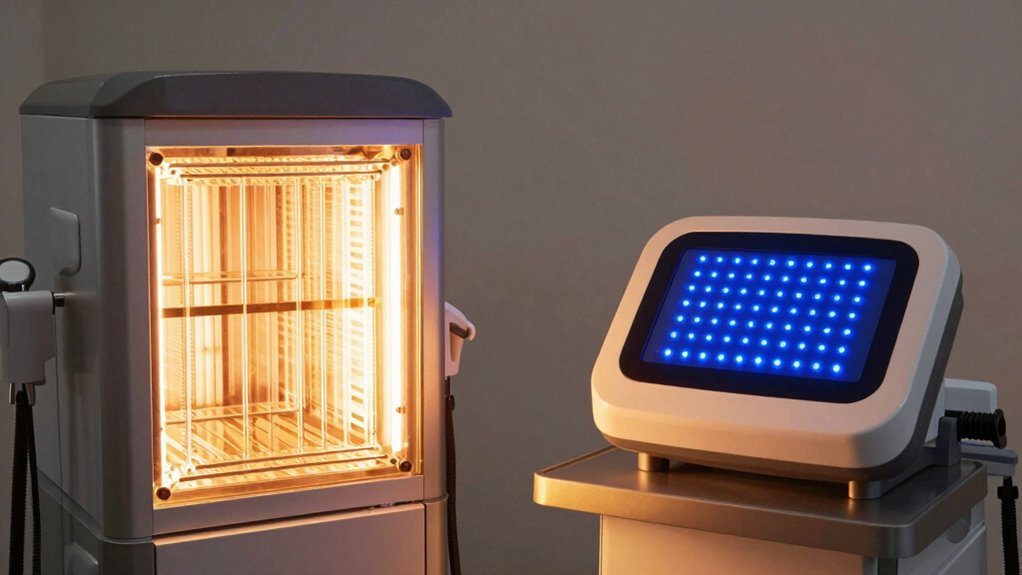
While both infrared heat therapy and photobiomodulation use light energy to promote healing, they approach this goal quite differently. Infrared heat relies on thermal penetration, generating deep warmth that raises tissue temperature. This heat stimulates blood flow, relaxes muscles, and alleviates pain through a primarily thermal effect. Photobiomodulation, on the other hand, focuses on cellular stimulation without significant heat production. It delivers specific wavelengths of light that interact directly with cellular components, especially mitochondria, to enhance cellular function and repair. Unlike infrared heat, which depends on heat transfer to achieve therapeutic effects, photobiomodulation induces biological responses at a cellular level. Additionally, understanding the light therapy mechanisms involved can help determine the most suitable treatment approach for individual needs. Moreover, the wavelengths used in each modality are carefully selected to optimize their respective biological effects and safety profiles.
Does Raising the Temperature Make Infrared Heat and Photobiomodulation More Effective?
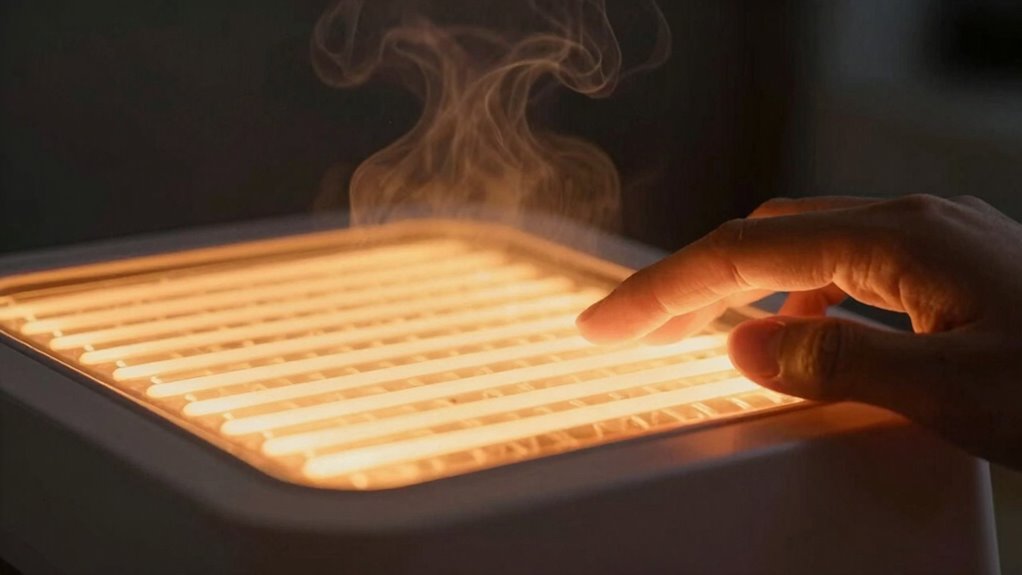
Raising the temperature during therapy can enhance certain effects, but the benefits differ between infrared heat and photobiomodulation. Higher thermal intensity in infrared heat can increase blood flow and tissue relaxation, but excessive heat risks discomfort or damage. In contrast, photobiomodulation relies on light modulation at specific wavelengths; temperature increases don’t *substantially* boost its cellular effects. Instead, *ideal* therapeutic outcomes depend on precise light parameters rather than heat. Additionally, understanding the proper application techniques is crucial for maximizing benefits and minimizing risks in both therapies.
How Does Higher Temperature Affect Infrared Heat Therapy?
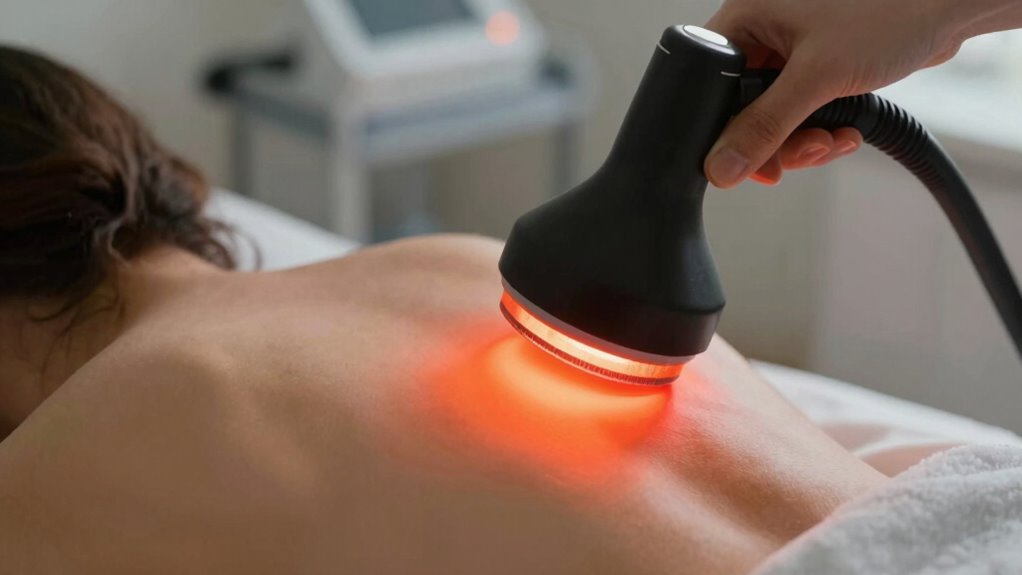
How does increasing the temperature during infrared heat therapy influence its effectiveness? When you raise the temperature, you push your body’s thermal tolerance, which can enhance blood flow and muscle relaxation. However, surpassing ideal heat levels risks discomfort or burns, reducing therapy benefits. Staying within safe, moderate ranges guarantees your body responds positively without stress or injury. Higher temperatures can intensify the therapeutic effects, but only if your skin and tissues tolerate the heat well. Proper temperature regulation is essential to prevent adverse reactions and maximize the benefits of infrared heat therapy. Additionally, understanding your thermal tolerance allows you to adjust heat levels appropriately, ensuring a safe and effective treatment. Ultimately, understanding your thermal tolerance helps you select the right heat levels to maximize benefits while avoiding harm, guaranteeing infrared therapy remains both safe and effective.
Should You Use More Heat or Light in Your Wellness Treatments?
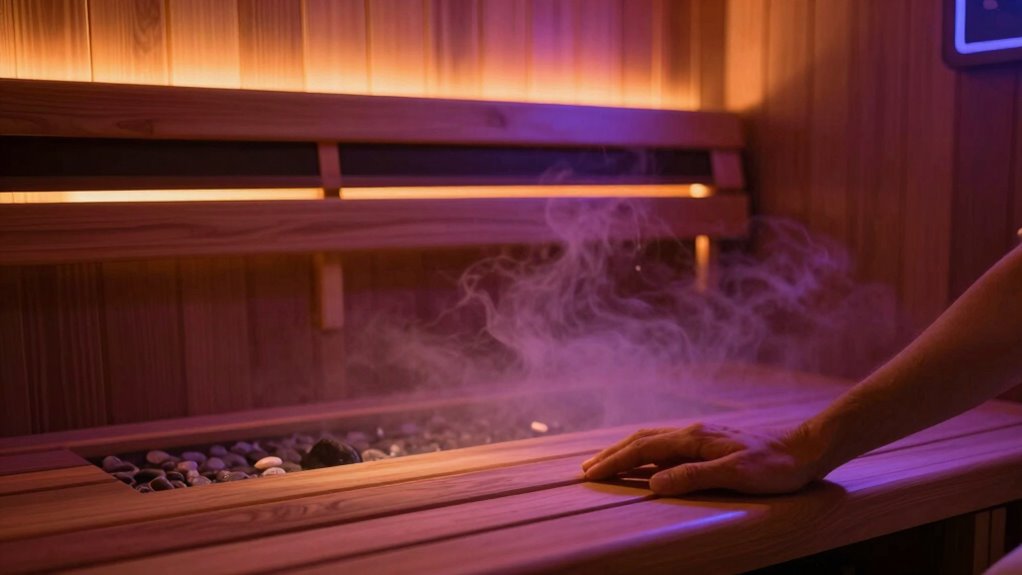
Choosing between more heat or light in your wellness treatments depends on your specific goals and how your body responds. If you aim to relax muscles or increase blood flow, increasing heat intensity can be effective, but too much heat may cause discomfort or damage. Conversely, if you want to target deeper tissues or stimulate cellular activity, focusing on light penetration through photobiomodulation might be better. Light penetration allows for precise delivery of therapeutic wavelengths without excessive heat, minimizing risks. Consider your body’s sensitivity and treatment objectives when deciding. More heat can enhance superficial effects, but light offers targeted benefits without overheating. Understanding the Free Floating nature of these therapies can help you customize your approach for optimal results. Additionally, understanding the mechanisms of action behind infrared and light therapies can guide you in making informed choices. Exploring the personalized treatment options can further optimize outcomes based on individual needs. Recognizing how tissue depth influences the effectiveness of each method can help tailor your wellness plan. Ultimately, balancing heat and light based on your needs ensures safe, effective wellness treatments. Incorporating monetization tips can help you share these insights and grow your audience.
Frequently Asked Questions
Are There Risks Associated With Using Higher Heat Levels in Therapy?
Using higher heat levels in therapy can pose risks like thermal burns if you don’t monitor your heat tolerance carefully. Pushing beyond your comfort zone may damage skin or underlying tissues. Always start with lower heat settings, listen to your body’s signals, and follow professional guidance to prevent burns or injuries. Knowing your limits guarantees you benefit from heat therapy safely without risking long-term damage.
Can Infrared Heat or Photobiomodulation Cause Skin Damage?
You might be surprised to learn that only a small percentage of infrared heat or photobiomodulation treatments cause skin damage—less than 1%. If you have skin sensitivity or low heat tolerance, it’s essential to start with lower intensities. While generally safe, excessive heat can lead to burns or irritation, so always follow recommended guidelines and monitor skin responses to avoid damage during your therapy sessions.
How Do Individual Health Conditions Influence Optimal Temperature Settings?
Your individual health conditions substantially influence ideal temperature settings for personalized therapy. If you have sensitive skin, circulatory issues, or underlying health concerns, you should start with lower temperatures and gradually adjust them. Always listen to your body and consult a healthcare professional for tailored recommendations. Proper temperature adjustments ensure maximum benefits while minimizing risks, making your therapy safer and more effective based on your specific health needs.
Is There a Point Where Increasing Temperature Stops Improving Therapy Outcomes?
You should know that increasing the temperature beyond the essential temperature can actually hinder therapy outcomes. Once you reach the therapeutic threshold, further heat might cause discomfort or tissue damage, reducing benefits. Consequently, it’s vital to stay within the ideal temperature range, as going beyond it doesn’t improve results and could be harmful. Always listen to your body and follow professional guidelines to guarantee safe, effective therapy.
Are Specific Wavelengths More Effective at Different Heat Levels?
Sure, certain wavelengths are more effective at specific heat levels, but don’t get caught up in wavelength specificity alone. When you focus solely on heat penetration, you might miss the bigger picture. Infrared therapy works best when you consider both wavelength and heat levels together, tailoring treatments to optimize results. Ironically, more heat isn’t always better—sometimes, less is more, especially when precision and wavelength matters.
Conclusion
Think of infrared heat and photobiomodulation as different tools in your wellness toolbox—more heat isn’t always better, just like too much paint can ruin a masterpiece. I once tried cranking up the heat during a session, only to feel overwhelmed and less effective. Research shows that ideal benefits come from balanced doses, not extremes. When it comes to your health, focus on using the right amount of light or heat—sometimes, less really is more.