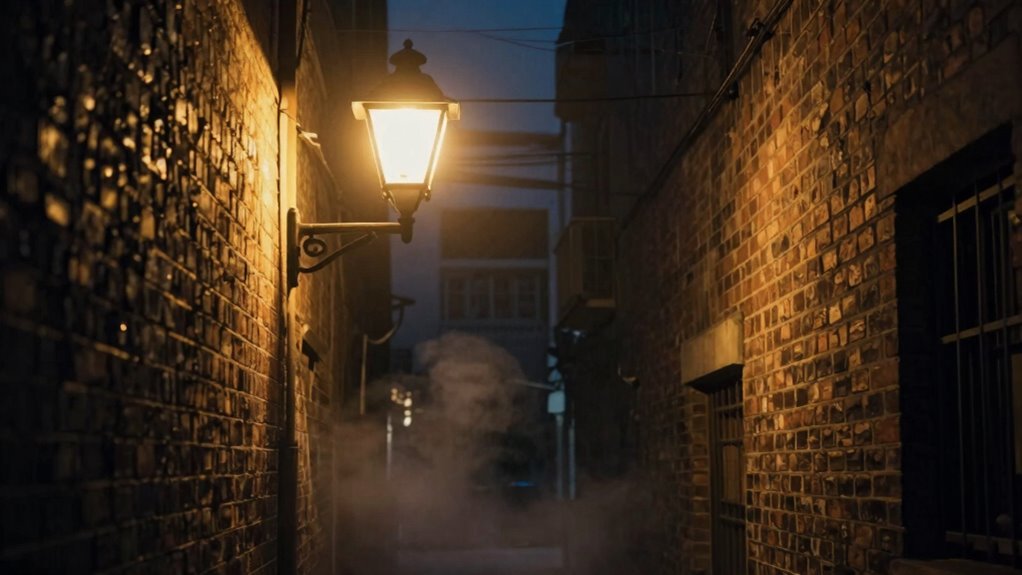
You’re drawn back to light because it offers timeless comfort, clarity, and emotional connection that never go out of style. Light evokes feelings of safety, hope, and nostalgia, making spaces feel more inviting and familiar. It’s versatile enough to fit various styles and settings, providing a soothing escape amid trend fatigue. Its enduring appeal lies in its ability to creates a sense of stability and renewal, a quality that remains relevant through changing times. Keep exploring to see why light remains a constant in design.

Get wellness gear delivered free — and shop member deals
- Fast, free delivery on millions of items
- Access to Prime Big Deal Days deals on October 6–7
- Prime Video, Amazon Music and more included
Key Takeaways
- Light evokes universal feelings of comfort, safety, and hope that remain relevant beyond fleeting trends.
- Its timeless symbolism of purity and renewal sustains emotional appeal over time.
- Light provides visual simplicity, clarity, and minimalism, offering a calming escape from trend-driven clutter.
- As a versatile element, light seamlessly adapts to changing aesthetics while maintaining familiarity.
- Its cultural and psychological roots create enduring emotional anchors that resist trend fatigue.
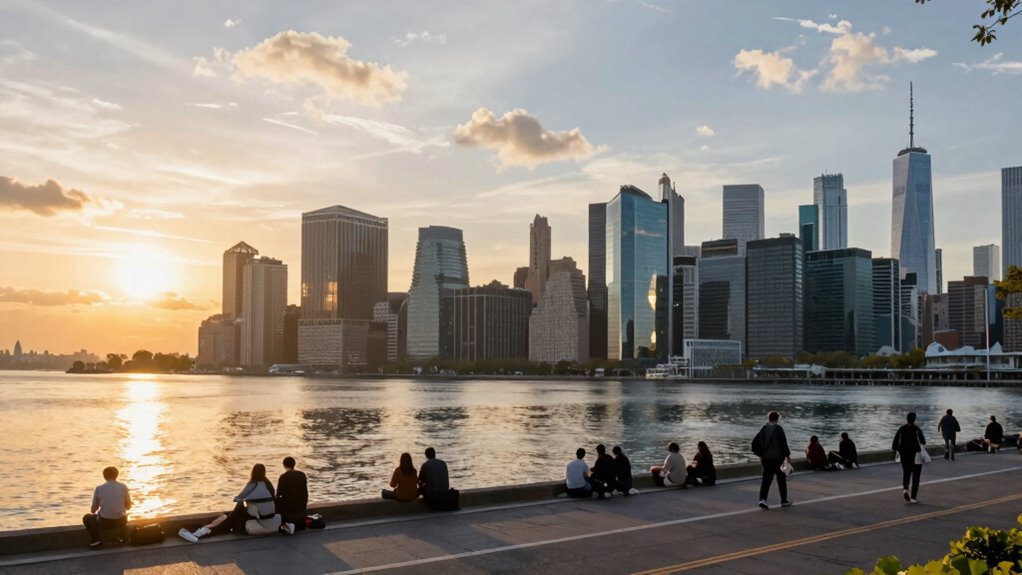
After cycling through countless trends, many people find themselves consistently drawn back to light, often viewing it as a timeless and comforting choice. You may notice that, despite experimenting with bold colors, intricate patterns, or modern dark themes, light remains a constant. This pull isn’t just about aesthetics; it’s rooted in deeper psychological and cultural ties that make light feel familiar and safe. One reason you keep returning to it is that light evokes a sense of cultural nostalgia. It reminds you of simpler times—perhaps childhood, summer days, or moments of clarity. These associations create an emotional anchor, making light feel like a refuge amid the chaos of ever-changing trends. The warm glow of light can evoke feelings of comfort, safety, and hope—emotions that remain universal regardless of fashion shifts. Additionally, the timeless nature of light means it continues to resonate across different eras and cultures, reinforcing its enduring appeal. This enduring quality is why light often symbolizes purity, clarity, and renewal, making it a perennial favorite. The cultural significance of light has been celebrated in art, religion, and tradition for centuries, further strengthening its universal appeal. Moreover, the visual simplicity provided by light helps to create a peaceful and uncluttered environment, which many find essential for relaxation and mental clarity.
At the same time, your preference for light often aligns with a desire for visual simplicity. In a world cluttered with complexity, busy patterns, and overwhelming visuals, you’re naturally drawn to clean lines and minimalistic design. Light provides that clarity, stripping away unnecessary detail and highlighting what truly matters. It’s about creating space for your eyes to breathe and your mind to relax. When you choose light, you’re embracing a straightforward elegance that doesn’t demand much effort to appreciate. This simplicity also makes it easier to adapt to changing trends without feeling overwhelmed or out of place. Light’s versatility allows it to blend seamlessly with both classic and contemporary styles, giving you the freedom to evolve your aesthetic without losing the comfort of familiarity. Moreover, the versatility of light makes it a reliable choice for creating calming environments that stand the test of time. Its ability to adapt across various settings and designs underscores its significance in creating spaces that feel both timeless and current.
Furthermore, light’s timeless appeal resonates because it’s not bound by fleeting fads. It’s a universal element that has persisted for centuries, transcending cultural boundaries and design movements. You might find yourself seeking out spaces or objects that feature natural light or soft illumination because it feels inherently right. It’s that intuitive sense of brightness that keeps calling you back, reminding you that sometimes, the simplest choices are the most enduring. The enduring charm of light isn’t just about aesthetics—it’s about what it represents: hope, clarity, and a timeless connection to what’s genuine. That’s why, no matter how many trends come and go, you’ll continue to find comfort and familiarity in the gentle glow of light.
As an affiliate, we earn on qualifying purchases.
Frequently Asked Questions
How Does Light Influence Mood and Mental Health?
Light considerably influences your mood and mental health by aiding emotional regulation and enhancing cognitive effects. Bright, natural light boosts your serotonin levels, helping you feel happier and calmer. It also improves focus and alertness, reducing feelings of fatigue or depression. When you’re exposed to appropriate lighting, you support your mental well-being, making it easier to manage stress and maintain a positive outlook. Light truly shapes your emotional and cognitive health daily.
Are There Cultural Reasons for Preferring Light Over Darker Trends?
You find that cultural symbolism and aesthetic appeal heavily influence your preference for light trends over darker ones. Light often symbolizes positivity, purity, and hope across many cultures, making it more appealing emotionally and visually. Its brightness and clarity also offer a sense of openness and freshness, aligning with many cultural ideals. As a result, you naturally gravitate toward lighter styles because they resonate with your cultural understanding and enhance your aesthetic experience.
What Are the Environmental Impacts of Recurring Light Trends?
Recurring light trends can increase energy consumption, especially if they promote brighter, more extensive lighting setups. This surge in energy use impacts the environment by raising carbon emissions. However, you can mitigate this by choosing sustainable lighting options, like LED bulbs, which consume less energy. By being mindful of your lighting choices, you support eco-friendly practices and reduce your overall environmental footprint, even as light trends cycle back into popularity.
How Do Technological Advances Affect Light Trend Cycles?
You’ll find that technological advances considerably influence light trend cycles, with over 60% of consumers seeking innovative illumination options each year. These innovations enable designers to craft luminous aesthetics that evolve quickly, keeping trends fresh and exciting. As new tech emerges, it pushes the boundaries of lighting design, encouraging people to revisit familiar styles with a modern twist. This continual innovation fuels the cycle of trend renewal and sustained interest in light.
Can Personal Experiences Predict Individual Light Trend Preferences?
Your personal experiences shape your light trend preferences, making trend prediction challenging. You tend to gravitate toward styles that resonate with your personal taste, which can evolve over time. While trend prediction offers general insights, your unique preferences are influenced by your past experiences, environment, and mood. So, it’s unlikely that personal experiences alone can accurately forecast individual light trend preferences, but they definitely play a significant role.
Conclusion
So, next time you find yourself endlessly drawn back to light, remember—it’s not just a trend, it’s a magnetic force pulling at your soul! Light isn’t just a style; it’s an unstoppable, universe-shifting phenomenon that outlasts every fleeting fad. Your obsession with brightness isn’t a phase—it’s a cosmic destiny, a luminous calling you simply can’t ignore. Embrace it, because when light calls, even the strongest trend fatigue can’t stand a chance!
Cold & flu season Picks
humidifiers
As an affiliate, we earn on qualifying purchases.