
TL;DR

Get wellness gear delivered free with Prime
- Fast, free delivery on millions of items
- Prime Video, Amazon Music and more included
- Member-only deals all year
Light therapy masks use specific wavelengths of light—red, blue, near-infrared—to support skin healing and combat acne. They can modestly improve skin conditions when used correctly, but results vary and they’re best as an adjunct, not a replacement for professional care.
Choose masks with transparent specs—wavelength, irradiance, independent testing—over flashy features.
Expect modest results with consistent use over several weeks; don’t expect instant miracles.
Red and blue light have the best evidence for skin benefits; multicolor modes are less proven.
Safety depends on correct use—follow instructions, wear eye protection, and avoid overexposure.
Market hype can be misleading; focus on device specs and credible research rather than price or looks.
What Exactly Do Light Therapy Masks Do, and Do They Really Help?
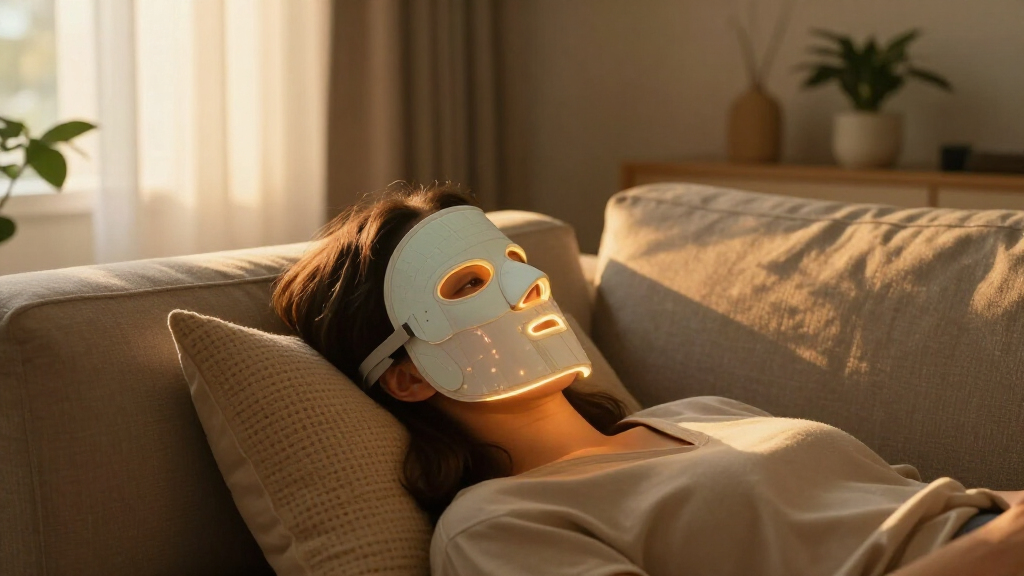
Light therapy masks are wearable devices fitted with tiny LEDs that emit specific wavelengths of light. These wavelengths penetrate the skin at different depths, influencing cellular activity. For example, red light around 630–660 nanometers aims to boost collagen and reduce inflammation. Blue light targets bacteria linked to acne. Near-infrared penetrates even deeper, promoting healing and reducing redness.
Understanding these mechanisms is crucial because they determine the potential benefits and limitations of each wavelength. Red light’s ability to stimulate collagen is tied to its influence on fibroblasts, the cells responsible for producing skin’s structural proteins. This process is gradual, which explains why results are often seen after weeks of consistent use. Blue light’s antibacterial effect helps reduce acne-causing bacteria, but it doesn’t address underlying causes like excess oil production or hormonal factors. Near-infrared light’s deeper penetration can support tissue repair but is less studied in consumer devices. Recognizing these distinctions helps set realistic expectations—these masks can support skin health, but they aren’t miracle cures. The tradeoff is that deeper or more targeted treatments often require professional equipment or procedures, which can be more effective but also more invasive and costly.
As an affiliate, we earn on qualifying purchases.
How to Pick a Light Therapy Mask That Actually Works
Selecting a suitable light therapy mask involves understanding not just the number of LEDs or flashy features but the quality and transparency of the device’s technical specifications. Why does this matter? Because the effectiveness of light therapy depends heavily on delivering the correct wavelength, sufficient irradiance, and a consistent dose to your skin. A device with many LEDs isn’t necessarily better if those LEDs don’t emit the right wavelengths or provide enough energy for therapeutic effects.
Look for devices that clearly specify their wavelength ranges (e.g., red 630–660 nm, blue 415–455 nm, near-infrared 800–900 nm), as well as the irradiance or energy density (measured in mW/cm²). These parameters determine how much light actually reaches your skin, influencing the potential for meaningful results. Independent testing or clinical trial data on the specific device adds credibility, indicating that the manufacturer has validated its claims. Safety features, like eye protection and skin contact sensors, are also vital because improper use can lead to side effects or diminished results. The tradeoff here is between quality and cost—investing in a device with transparent, validated specs generally offers better potential for real benefits, even if it costs more. Remember, the goal is consistent, targeted treatment—more LEDs or fancy designs don’t compensate for poor wavelength accuracy or insufficient energy delivery.
What the Science Really Says About Light Therapy Masks
Current scientific research indicates that LED therapy can offer modest benefits for skin health, but the degree of improvement varies based on the wavelength, dose, and individual skin type. Red and near-infrared light have been shown in some studies to stimulate collagen production, which can improve skin elasticity and reduce fine lines over time. They may also help in reducing redness and supporting tissue repair, but these effects tend to accumulate gradually, often requiring several weeks of consistent use.
Blue light’s primary benefit lies in its antibacterial properties, which can reduce acne-causing bacteria on the skin’s surface. However, blue light doesn’t address other factors like oil production or hormonal influences. Many studies supporting these claims are conducted with professional-grade equipment, which delivers more precise doses than typical consumer masks. This discrepancy means that consumer devices often produce less predictable outcomes, emphasizing the importance of realistic expectations. Despite these limitations, the scientific consensus suggests that light therapy masks can be a helpful adjunct in skincare routines—especially when combined with other treatments—rather than standalone solutions. The key is understanding that results are subtle, gradual, and highly individual, so patience and consistency are essential.
How Quickly Will You See Changes from a Light Mask?
Some users experience immediate relief from inflammation or redness after just a few sessions, particularly with blue light targeting active acne. These quick responses are often due to the anti-inflammatory effects of blue light, which can calm irritated skin. However, visible improvements in skin texture, fine lines, or overall tone typically take longer—around 8 to 12 weeks of regular use—because collagen synthesis and tissue repair are slow biological processes. Consistency is essential; skipping sessions or irregular use diminishes the cumulative benefits.
It’s also important to understand that overusing the device—such as increasing session length or frequency beyond manufacturer recommendations—can lead to adverse effects like skin irritation or even counterproductive outcomes. This is because delivering too much light energy can cause oxidative stress or disrupt skin homeostasis. The tradeoff is that patience and adherence to a routine maximize safety and effectiveness. Setting realistic expectations about the timeline helps prevent frustration and encourages sustained use, which is crucial for achieving meaningful results.
Latest Trends and What’s New in Light Therapy Masks
Since the mid-2020s, the market has evolved towards more sophisticated, user-friendly designs. Flexible silicone masks that contour more closely to the face provide more even light distribution and comfort. Cordless, rechargeable models offer greater convenience, making regular use easier to incorporate into daily routines. Additionally, newer devices often combine multiple wavelengths—red and near-infrared for skin rejuvenation, blue for acne—to target different skin concerns more comprehensively. Eye protection has also improved, with better shields and adjustable settings to prevent unintended exposure.
Manufacturers are increasingly transparent about their devices’ technical specs—wavelengths, irradiance, dose—empowering consumers to make better-informed choices. However, beware of cheap, untested devices that flood the market with exaggerated claims. The trend toward greater transparency and independent testing is encouraging, but consumers should remain cautious. Investing in reputable brands with validated specifications ensures that the device delivers the intended therapeutic doses, reducing the risk of ineffective treatments or potential side effects. This evolution reflects a more mature market, but it also underscores the importance of critical evaluation rather than falling for marketing hype.
Is FDA Clearance a Big Deal? What It Actually Means
In the US, some LED masks are FDA-cleared for specific uses, such as treating mild acne or reducing wrinkles. But this clearance doesn’t mean the device is a guaranteed cure or highly effective—it simply indicates that the manufacturer has demonstrated the device’s safety and that it performs at least as well as similar devices already on the market. It’s a baseline standard, not a mark of proven efficacy.
Interpreting FDA clearance requires understanding which claims are supported and whether the testing was conducted on the actual device you’re considering. Some products may have clearance for cosmetic purposes, which are less rigorously validated than medical claims. Therefore, while FDA clearance is a positive sign of safety standards, it shouldn’t be the sole factor in your decision. Complement it with independent research, user reviews, and consultation with skincare professionals to ensure the device aligns with your goals and expectations.
Safety First: What Could Go Wrong with Light Masks?
While non-ionizing LED therapy is generally safe when used correctly, improper or excessive use can lead to side effects. Common issues include temporary redness, dryness, irritation, or headaches. Blue light, in particular, can sometimes worsen pigmentation issues in darker skin tones or trigger hyperpigmentation in sensitive individuals. Overexposure or incorrect wavelength targeting may also cause oxidative stress, damaging skin cells rather than supporting healing.
People on photosensitizing medications, with active skin infections, or with light-sensitive disorders like lupus or certain autoimmune conditions should exercise extra caution. Always adhere strictly to manufacturer instructions, especially regarding eye protection—never look directly into LEDs without shields. If you experience persistent discomfort, skin irritation, or worsening symptoms, discontinue use immediately and seek professional advice. The tradeoff is that while these devices are safe for most, misuse or overuse can compromise skin health, emphasizing the importance of responsible, informed use.
How to Use Your Light Mask Safely and Effectively
Follow these steps for safe, effective use:
- Start with a clean, dry face. Avoid irritating products beforehand unless instructed.
- Wear the mask as directed—typically 15–20 minutes, 3–5 times weekly—to allow sufficient light absorption without risking overexposure.
- Use the supplied goggles or shields to protect your eyes. Never skip this step; eye safety is critical because prolonged exposure can harm vision.
- Clean the mask after each use with a gentle, non-abrasive cleaner, avoiding soaking electrical parts or using harsh chemicals that could damage components.
- Apply skincare afterward if needed—moisturizer or serums are usually fine, but avoid irritating or photosensitizing products unless approved.
Consistency is more important than intensity. Adhere to the manufacturer’s guidelines, and don’t extend sessions or increase frequency without professional advice. If you notice irritation, redness, or discomfort, stop use immediately and consult a dermatologist or skincare expert to prevent adverse effects.
Frequently Asked Questions
Do light therapy masks really work?
Some can help with mild acne and signs of aging, but results are usually subtle and vary by device and individual. Consistent use over weeks is key.Are LED masks safe for all skin types?
Generally yes, but blue light can worsen pigmentation in darker skin tones or melasma-prone individuals. Always follow safety instructions and consult a dermatologist if unsure.Can I use a light mask if I’m pregnant?
There’s limited research on this. While non-UV LED therapy appears low-risk, it’s safest to check with your healthcare provider before use during pregnancy.Should I apply skincare products before using a mask?
Usually, clean, dry skin is best. Avoid irritating or photosensitizing products unless the manufacturer says otherwise. Post-treatment skincare is typically safe.How long before I see results?
Some notice quick improvements like reduced redness, but most benefits, like smoother skin, take 8–12 weeks of regular sessions.Conclusion
Light therapy masks can be a helpful addition to your skincare routine, especially if you’re seeking a gentle, non-invasive option. But they’re not magic buttons—results require patience and consistent use. The real power lies in understanding what your device does, how to use it safely, and setting realistic expectations.
Think of these masks as support tools, not replacements for professional advice or proven treatments. With the right choice and proper care, they can complement your skin journey—brightening your outlook as much as your skin.
Fall Picks
fall essentials
As an affiliate, we earn on qualifying purchases.