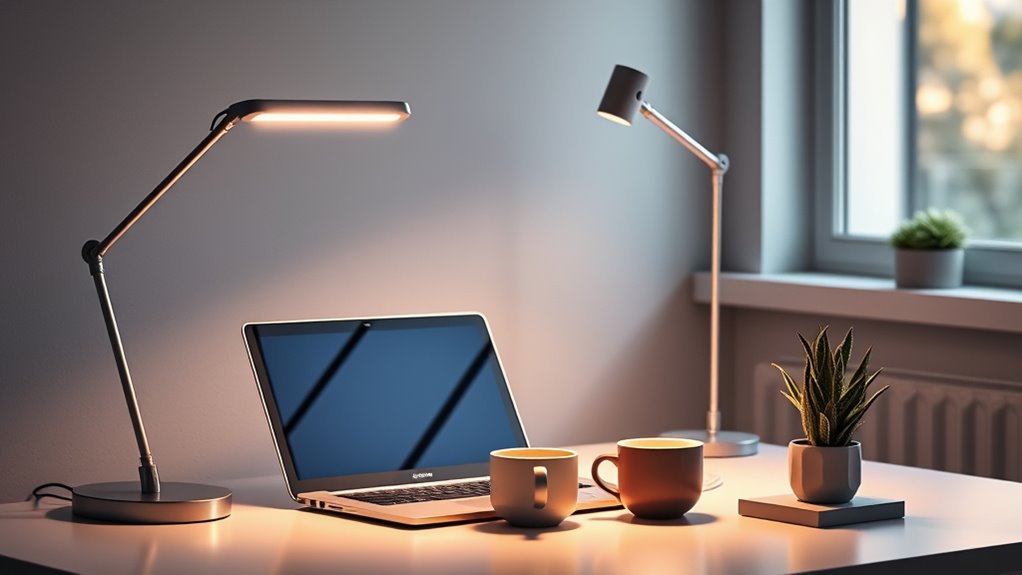
To boost your energy and mood during busy workdays, consider using a desk-friendly light therapy device that emits bright, full-spectrum light resembling natural sunlight. Position it near your workspace and use it for 20-30 minutes in the morning or early afternoon. Combine this with natural light breaks and workspace adjustments to maximize benefits. Keep exploring ways to integrate light exposure seamlessly into your routine for sustained focus and well-being.
Key Takeaways
- Use compact, adjustable desk lamps with full-spectrum daylight bulbs for quick, convenient light therapy during work hours.
- Position your workspace near windows to maximize natural sunlight exposure throughout the day.
- Incorporate 20-30 minute sessions with portable light therapy devices in the morning or early afternoon.
- Take outdoor breaks or short walks to boost natural light intake and reset your circadian rhythm.
- Create a well-lit environment with daylight bulbs to maintain high energy levels and focus during busy days.
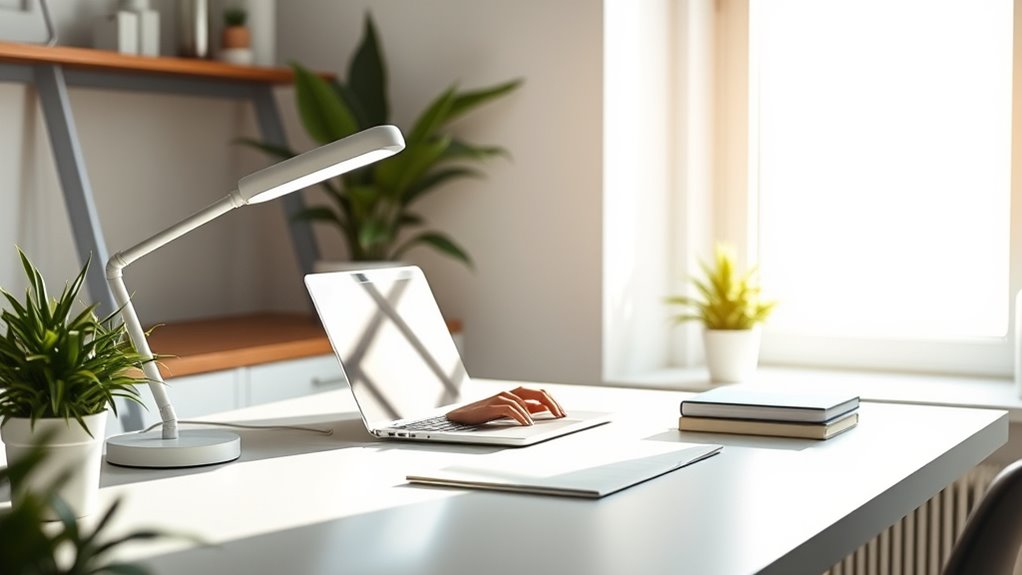
If your hectic schedule leaves you feeling tired and out of sync, light therapy offers a simple, effective way to boost your energy and improve your mood. As a busy professional, you often spend long hours at your desk, which can lead to low energy levels and feelings of sluggishness. Incorporating light therapy into your workday doesn’t require a major overhaul; instead, you can make small adjustments that fit seamlessly into your routine. The key is to choose desk-friendly devices and strategies that deliver bright, natural-looking light without disrupting your workflow.
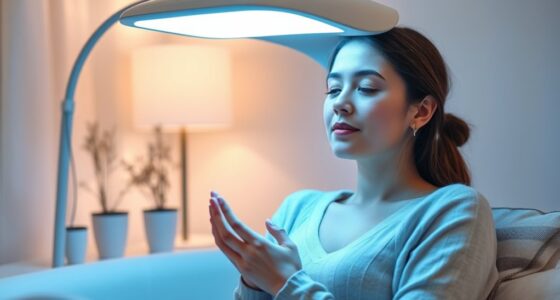
Start by investing in a compact, portable light therapy lamp designed for desk use. These devices are easy to position on your workspace and emit a bright, full-spectrum light that mimics natural sunlight. When used for about 20-30 minutes in the morning or early afternoon, they can help regulate your circadian rhythm, boost alertness, and elevate your mood. Look for lamps that offer adjustable brightness levels so you can customize the light intensity to your comfort and needs. The goal is to mimic sunlight, which helps increase serotonin levels and improve overall well-being.
Invest in a compact, adjustable light therapy lamp to boost mood and energy during your busy workday.
Another effective approach is to strategically sit near windows whenever possible. Natural light is the most potent form of light therapy, and positioning your workspace near a window allows you to soak up sunlight throughout the day. If your office lacks windows or sufficient daylight, supplement with a light therapy lamp during periods when sunlight is limited. Use it during breaks or even while working if the device is small enough to keep on your desk. This continuous exposure helps combat the mid-afternoon slump and enhances your overall energy levels.
In addition to dedicated light therapy devices, consider adjusting your daily routine to maximize exposure to bright light. Take short breaks to step outside during the day, especially in the morning, to reset your internal clock. Even a quick walk around the block can make a difference in how alert you feel. If outdoor exposure isn’t feasible, use your light therapy device during indoor breaks to keep your energy levels stable. Consistency is key—regular use reinforces the benefits and helps establish a natural rhythm that aligns with your busy schedule.
Finally, be mindful of your environment. Keep your workspace well-lit, and opt for daylight bulbs in your desk lamp or overhead lighting. These small changes can make a significant impact, helping you stay energized and focused throughout the day. Light therapy isn’t just about combating fatigue; it’s about creating a supportive environment that sustains your productivity and well-being amid a demanding schedule. With these desk-friendly ideas, you can harness the power of light to stay alert, motivated, and balanced no matter how hectic your day gets.
A notable benefit of using light therapy devices is their ability to help regulate your circadian rhythm, which is crucial for maintaining consistent sleep patterns.
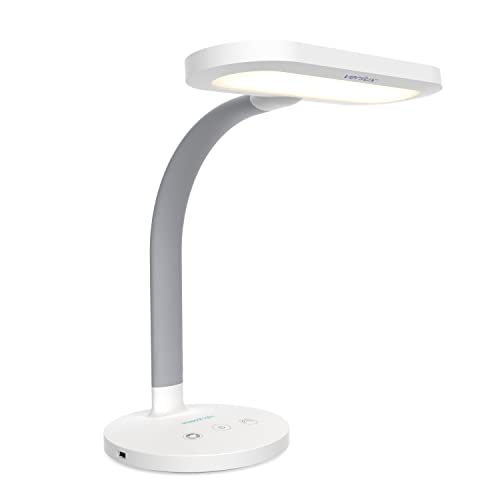
Verilux HappyLight Duo – 2-in-1 Light Therapy & Task Desk Lamp – UV-Free Full Spectrum LED, 10,000 LUX, Adjustable Brightness and Color, Flexible Gooseneck, and Integrated USB Charging Port
- Full Spectrum UV-Free LED: Provides 10,000 lux for natural light therapy
- Customizable Brightness & Color: Adjust 7 brightness levels and 3 color temperatures
- Enhances Sleep & Mood: Boosts energy, focus, and overall well-being
As an affiliate, we earn on qualifying purchases.
As an affiliate, we earn on qualifying purchases.
Frequently Asked Questions
Can Light Therapy Replace Natural Sunlight Entirely?
Light therapy can’t fully replace natural sunlight, but it can substantially boost your mood and energy levels, especially indoors. Sunlight provides a broader spectrum and other benefits like vitamin D synthesis. While light therapy is a helpful supplement, you should still aim to spend time outside when possible. Incorporate both methods into your routine to maximize your well-being and maintain a healthy balance between artificial and natural light exposure.
Are There Any Safety Concerns With Prolonged Light Therapy Use?
Prolonged light therapy use can pose safety concerns, such as eye strain, headaches, or sleep disruptions. You should monitor your response, take regular breaks, and avoid staring directly into the light. Consult a healthcare professional if you experience discomfort or adverse effects. By paying attention, adjusting your sessions, and using the device correctly, you can enjoy the benefits while minimizing potential risks.
How Effective Is Light Therapy for Seasonal Affective Disorder?
Light therapy is quite effective for seasonal affective disorder, helping you improve mood and energy levels. You’ll notice benefits within a few days to weeks, especially if you use a light box consistently in the morning. It stimulates your circadian rhythm, reducing symptoms of depression and fatigue. Just guarantee you follow recommended guidelines, use a proper light box, and consult a healthcare professional if you have any eye conditions or concerns.
What Types of Light Bulbs Are Best for Desk Therapy?
Bright, blue-tinted bulbs are best for desk therapy because they mimic natural daylight and boost your mood. Look for full-spectrum or daylight LED bulbs that emit high lumens without flickering. These bulbs help combat fatigue and enhance focus, making your workday more productive. Always choose energy-efficient, long-lasting options, and position the light source at eye level for ideal light therapy benefits during busy work hours.
Is Light Therapy Suitable for People With Eye Conditions?
Light therapy may not be suitable if you have certain eye conditions, such as cataracts or retinal issues. You should consult your eye doctor before starting any light therapy to verify it won’t worsen your condition. If your eyes are healthy, you can generally use it safely, but always follow recommended exposure times and intensity levels. Your eye health is the top priority, so get professional advice first.
Conclusion
By incorporating desk-friendly light therapy into your daily routine, you boost your mood, enhance your focus, and improve your energy levels. You prioritize your well-being, combat fatigue, and stay productive throughout the day. You embrace simple, effective solutions, take control of your health, and create a brighter, more balanced work life. With just a little effort, you can transform your workspace into a haven of vitality and clarity—because your well-being deserves it.