Many people misunderstand the proper dose of light therapy, often focusing only on brightness or session length without considering timing and individual needs. Using too little light can mean minimal results, while overdoing it might cause discomfort or disrupt sleep patterns. The key is finding the right combination of intensity, duration, and consistent timing. If you want to optimize your therapy and avoid common pitfalls, there’s more to uncover that can help you get the best results.
Key Takeaways
- Many users underestimate the importance of proper light intensity, leading to ineffective or inconsistent therapy results.
- Incorrect session timing, especially avoiding morning exposure, diminishes circadian reset benefits.
- Overexposure or underexposure due to improper duration or brightness causes side effects or minimal improvement.
- Failing to account for environmental factors like light pollution reduces the actual effective dose received.
- Not personalizing the dose based on individual sensitivity and response hampers optimal therapy outcomes.
As an affiliate, we earn on qualifying purchases.
Understanding the Concept of Light Therapy and Its Benefits
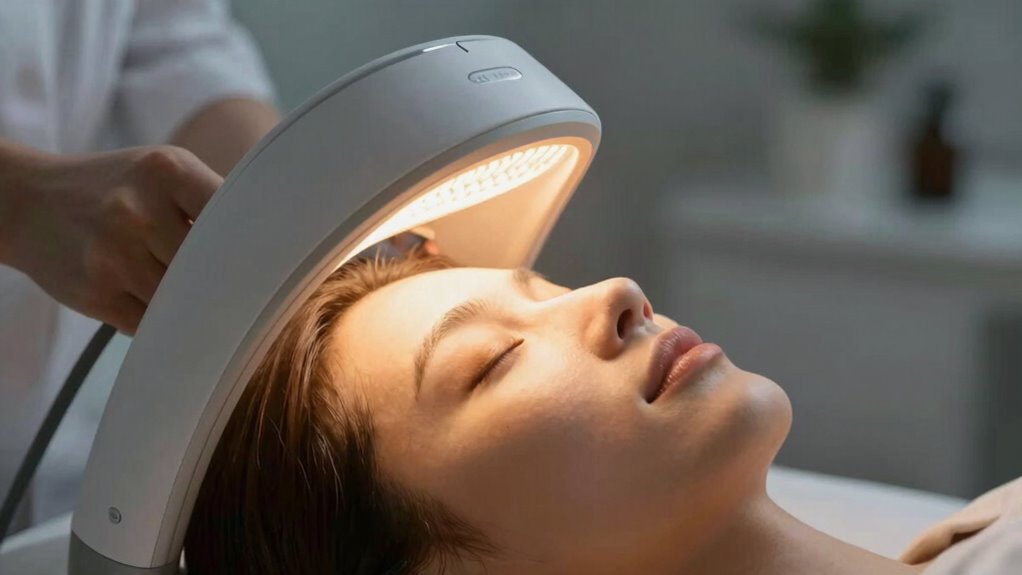
Light therapy is a treatment that exposes you to specific wavelengths of natural or artificial light to improve your mental and physical well-being. The effectiveness depends on selecting the right light wavelength, which can influence your mood, energy, and sleep patterns. The use of appropriate light wavelengths can significantly impact its therapeutic efficacy. Properly timed and controlled light exposure helps regulate your circadian rhythm, alleviating conditions like Seasonal Affective Disorder. Being aware of light pollution and its effects can help you optimize your therapy sessions for better results. Additionally, choosing the correct light wavelength can enhance treatment outcomes by targeting specific health concerns. The use of high-quality light sources ensures consistent and safe exposure, further enhancing treatment outcomes. To maximize safety and effectiveness, it’s also important to consider the placement and distance of your light source during therapy sessions.
How Light Dose : Intensity, Duration, and Timing : Affects Results

The way you set brightness, session length, and timing can considerably impact your light therapy results. If the light isn’t intense enough or sessions are too short, you might not see the benefits. Getting these factors right is key to maximizing the effectiveness of your treatment. Additionally, understanding the optimal light exposure patterns can help tailor sessions for better outcomes. Incorporating time zone awareness can also ensure that light therapy aligns with your circadian rhythms for optimal benefits. Recognizing hormetic effects from appropriate light exposure can further enhance the therapeutic benefits you experience. Paying attention to light intensity and how it interacts with your environment can optimize your overall response to therapy. Being aware of media literacy principles can help you critically evaluate the sources and recommendations related to light therapy for safer and more effective use.
Brightness and Intensity Levels
Understanding how brightness and intensity levels influence light therapy outcomes is essential because these factors determine how your body responds to treatment. Higher light intensity can produce faster results, but it also increases the risk of side effects if not properly managed. You should select a light device with an appropriate light intensity for your needs, typically between 2,500 and 10,000 lux. Session duration plays a key role; shorter sessions with high-intensity light can be effective, while lower intensity may require longer exposure. Balancing brightness and session duration ensures you get enough light to influence your circadian rhythm without overexposure. Light exposure timing, such as morning sessions, can further enhance effectiveness by aligning with your natural biological clock. Adjusting these levels based on your response helps optimize your results and minimizes potential discomfort. Proper kitchen ventilation and understanding your environment can also help create optimal conditions for light therapy. Additionally, monitoring your light dose carefully allows for personalized adjustments that improve efficacy and safety. Being mindful of your overall health and light sensitivity can help prevent adverse reactions and make your light therapy more effective.
Timing and Session Length
Balancing session length and timing plays a major role in how light therapy influences your body. Properly timing your sessions ensures you maximize benefits in various phototherapy applications, whether for mood, sleep, or skin conditions. Shorter sessions might be effective for some, while longer ones could be necessary for others. It’s a common light therapy myth that longer sessions always lead to better results; instead, consistency and accurate timing matter more. Early morning sessions can boost alertness, while evening treatments might interfere with sleep. Knowing when and how long to use your light therapy device helps your body respond ideally, avoiding overstimulation or under-treatment. Additionally, understanding the light dose — which encompasses intensity, duration, and timing — is crucial for tailoring your treatment to your specific needs. By understanding the importance of timing and session length, you’ll get the most out of your phototherapy experience. Ensuring the right application schedule allows your body to adapt and respond effectively to the light therapy.
Common Mistakes People Make When Setting Up Their Light Therapy Routine
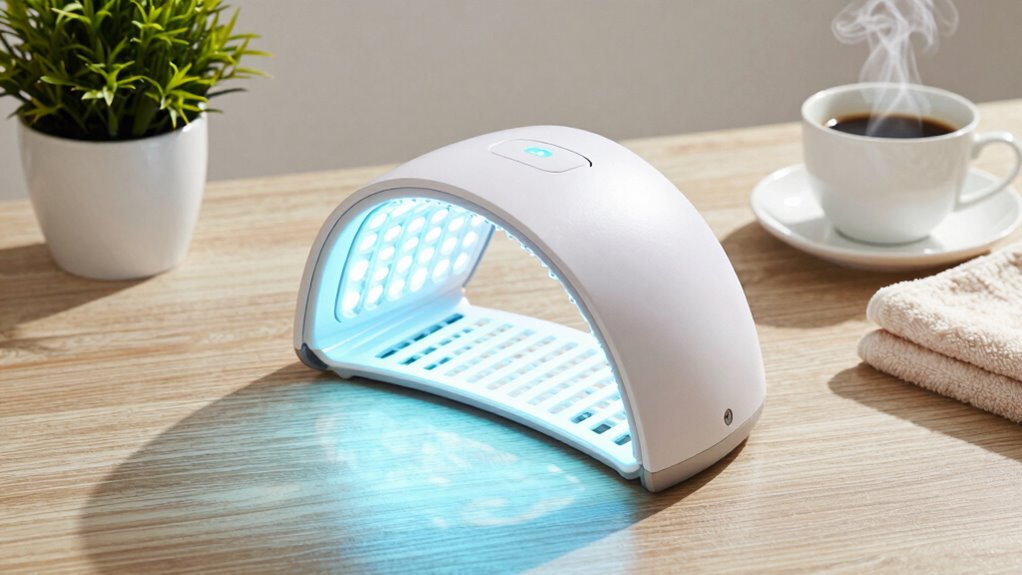
Many people underestimate how crucial proper timing and positioning are when setting up their light therapy routines. A common mistake is using the wrong light bulb or positioning it too far away, which reduces effectiveness. If the light isn’t positioned correctly—directly in your line of sight and at the right distance—you won’t get the full benefit. This can lead to minimal improvements in sleep quality and mood. Some users also neglect to turn on their light at the prime time, missing the chance to reset their circadian rhythm effectively. Remember, the goal is to simulate natural sunlight as closely as possible. Proper setup ensures you receive the right dose, boosting your sleep quality and overall well-being. Additionally, passive voice detection can help identify and correct overlooked passive constructions, making your writing clearer and more engaging.
It’s also important to be aware of light intensity levels, ensuring your device emits the appropriate brightness for effective therapy. Furthermore, understanding light exposure duration can help optimize your routine for better results.
How to Calculate the Right Light Intensity for Your Needs
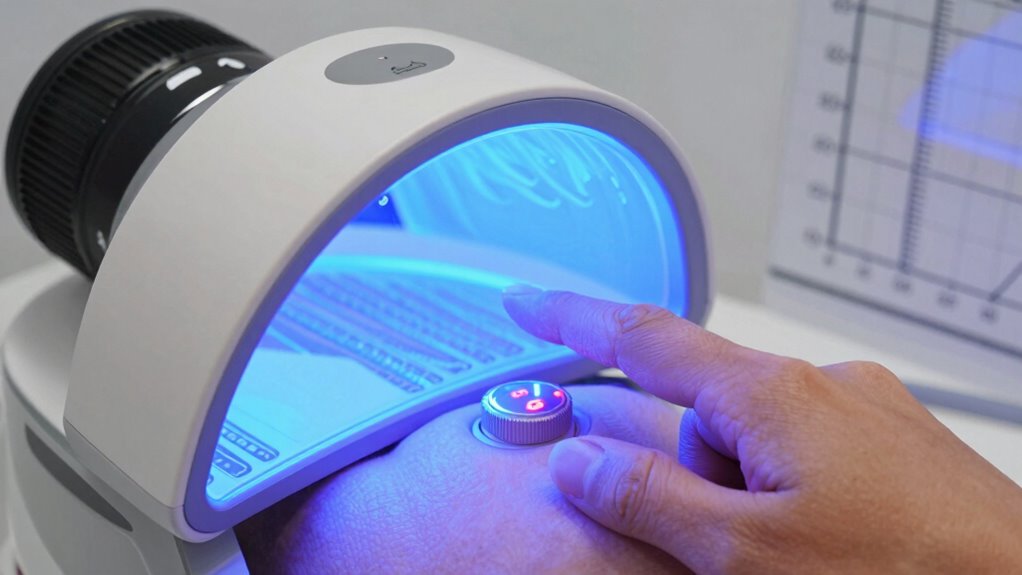
To make certain your light therapy is effective, you need to calculate the right light intensity based on your specific needs. Start by considering the spectral quality of your light source; a full-spectrum or blue-enriched light usually provides the most benefit for mood and circadian regulation. Be aware of light pollution, which can reduce the effective intensity reaching your eyes and distort your perception of brightness. Measure the light’s lux level at your eye level, aiming for around 10,000 lux for most therapeutic purposes. Proper calculation ensures you’re receiving the right dose, maximizing benefits while minimizing potential side effects. Additionally, understanding light therapy science can help you make informed choices about the products you use for light therapy. An awareness of light exposure factors can further optimize your treatment outcomes, especially when considering environmental influences like natural light patterns. Recognizing the importance of piercing aftercare can contribute to overall well-being and safety during treatment.
Determining the Optimal Duration and Frequency of Light Exposure
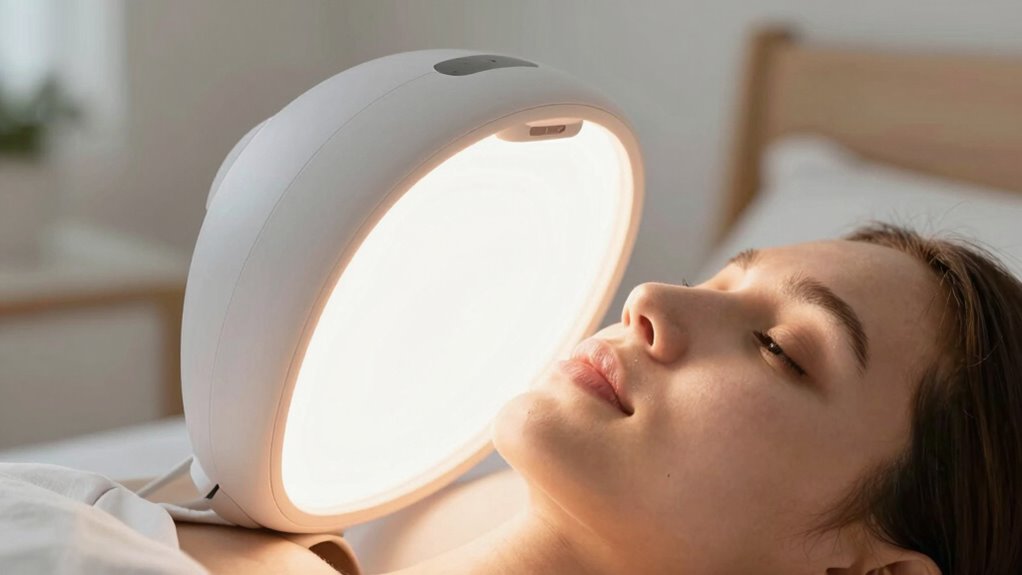
Finding the right duration and frequency for your light therapy sessions is key to getting the most benefit. You should consider how long each session needs to be and how often you should do them, based on your goals. Remember, individual needs vary, so adjusting these factors is essential for ideal results. Additionally, understanding growth mindset principles can help you approach your therapy with patience and flexibility, ensuring better adherence and outcomes.
Optimal Exposure Duration
Determining the ideal duration and frequency of light therapy is essential for maximizing its benefits without causing discomfort or adverse effects. The best exposure duration depends on your light intensity and session timing. Generally, shorter sessions with higher light intensity may require less time, often around 20-30 minutes, while lower intensities might need longer. Pay attention to how your body responds during and after sessions—discomfort or eye strain signals you may need to adjust. Consistency is key, so find a duration that fits your daily routine without causing fatigue. Remember, the goal is to deliver enough light to influence your circadian rhythm without overexposing yourself. Fine-tuning session length based on light intensity ensures you get the most out of your therapy safely. Monitoring your body’s response can help optimize your light exposure duration for better results.
Ideal Session Frequency
Balancing how often you use light therapy is essential to achieving its full benefits without overdoing it. The ideal session frequency depends on your goals and response, but most people find that daily sessions are effective. Consistency is key, so regular exposure helps regulate your circadian rhythm and boosts mood. When considering session frequency, pay attention to your response and avoid overexposure, which can cause eye strain or headaches. The light spectrum matters too; full-spectrum light or specific wavelengths like blue or white light are commonly used. Keep session durations consistent, typically around 20-30 minutes, and space out sessions to prevent adaptation. Finding the right balance ensures you maximize the benefits while minimizing potential side effects.
Adjusting for Individual Needs
Since everyone’s response to light therapy varies, it’s essential to tailor your session duration and frequency to your individual needs. To do this effectively, consider these factors:
- The time of day you use light therapy impacts how long your sessions should last, balancing phototherapy safety with effectiveness.
- Your personal sensitivity to light helps determine whether shorter or longer sessions are appropriate, dispelling common light therapy myths.
- Your daily routine and specific goals influence how often you should expose yourself to light, ensuring you don’t overdo it.
Adjusting these variables allows you to optimize your treatment while minimizing risks. Remember, there’s no one-size-fits-all approach—listening to your body and consulting with a professional helps find the ideal duration and frequency.
The Importance of Timing: When During the Day Should You Use Light Therapy?

Timing is crucial when it comes to light therapy, as using it at the right time can greatly enhance its effectiveness. Your timing considerations should align with your natural circadian rhythm to maximize benefits. Typically, morning exposure helps reset your internal clock, boosting alertness and mood for the day. If you’re dealing with seasonal affective disorder, morning sessions are especially recommended. Conversely, using light therapy later in the day can disrupt your sleep, so it’s best to avoid evening sessions. Incorporate light therapy into your daily scheduling consistently, making it a part of your morning routine. Proper timing ensures you reap the full benefits without interfering with sleep or daily activities, optimizing your overall results.
Signs You Might Be Underdosing or Overdoing Your Light Therapy
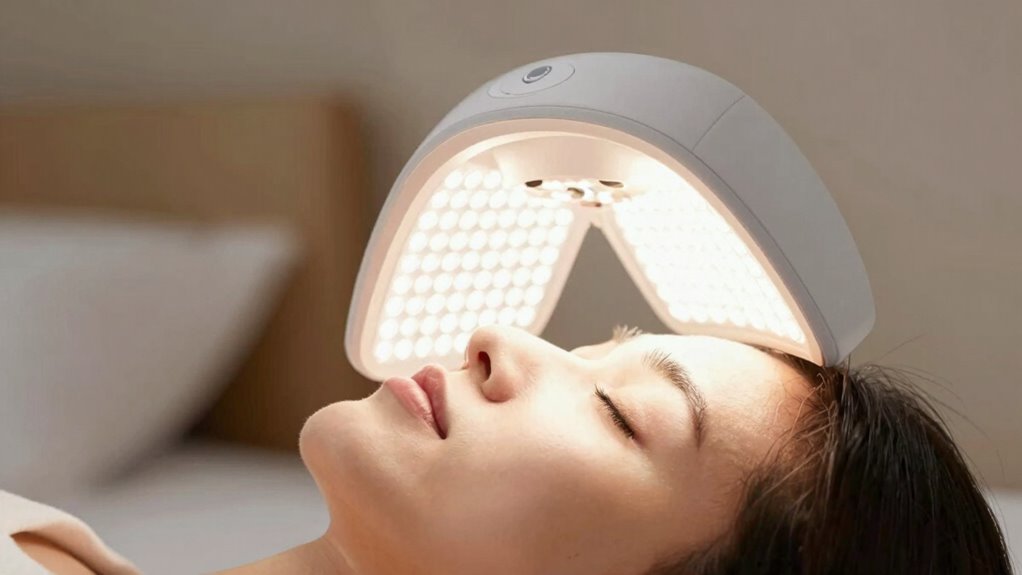
If you notice persistent headaches, eye strain, or feeling more anxious after starting light therapy, you might be overdoing it. This can disrupt your circadian rhythm and worsen seasonal affective symptoms. Watch for these signs:
- Flickering vision or constant eye discomfort
- Feeling jittery or unusually anxious during the day
- Sleep disturbances or difficulty falling asleep at night
Underdosing can leave you feeling unchanged or sluggish, while overdoing it may lead to these adverse effects. Proper light therapy should help reset your circadian rhythm without causing discomfort. If you experience any of these signs, consider adjusting your dose or timing. Recognizing these cues helps optimize your treatment and ensures you’re not under- or overexposing yourself to light.
Personal Factors That Influence the Appropriate Light Dose
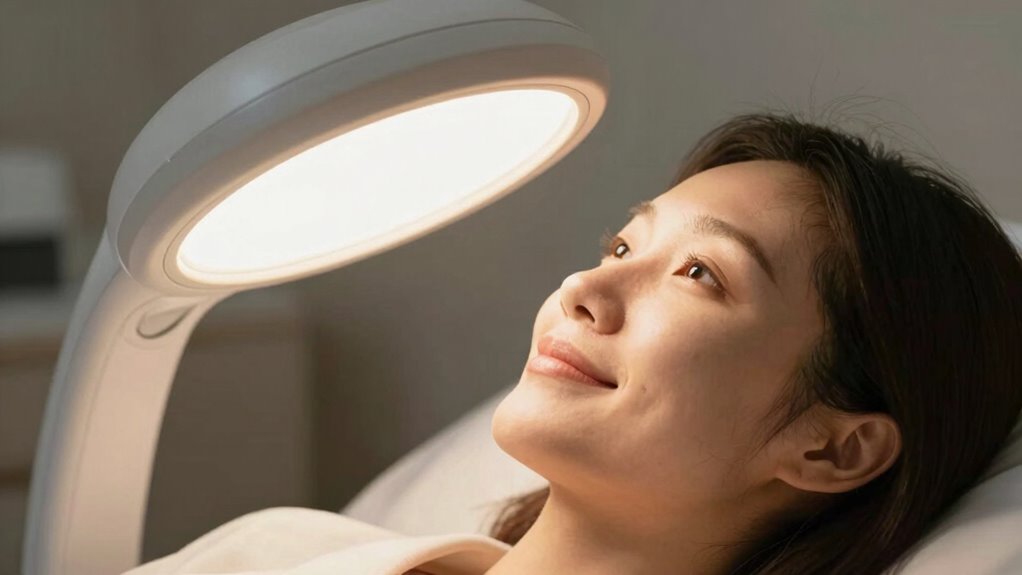
Your skin sensitivity can affect how much light therapy you need, as some people react more strongly to exposure. Age also plays a role, with different needs for younger versus older individuals. Additionally, your lifestyle and daily routine influence the best dose, so it’s important to tailor your approach accordingly.
Skin Sensitivity Variations
Have you ever wondered why the same amount of light therapy works differently from person to person? Your skin’s reaction and sensitivity threshold play a big role. Some people have skin that’s more reactive, meaning even small doses can cause redness or irritation. Others have a higher threshold, needing more light to see benefits without discomfort.
Picture this:
- Sensitive skin that turns pink easily after a few minutes
- Resilient skin that tolerates longer sessions without issues
- Variations in skin type, like fair or darker skin tones, affecting response
Understanding your skin’s sensitivity helps you find the right dose, preventing adverse reactions and maximizing benefits. Adjusting based on your skin’s reaction ensures safe and effective light therapy.
Age-Related Needs Differences
As skin sensitivity varies from person to person, age also influences how your body responds to light therapy. Aging considerations are important because skin becomes thinner and more delicate over time, making you more vulnerable to light exposure. Younger individuals may tolerate higher doses without discomfort, while older adults often require lower intensities to prevent skin irritation or discomfort. Additionally, age-related changes in circadian rhythms can affect how your body reacts to light therapy, possibly necessitating adjustments in timing or duration. Recognizing these differences ensures you receive an effective dose tailored to your age, minimizing risks while maximizing benefits. Always consider your skin sensitivity and age-related needs when determining your light therapy regimen.
Lifestyle and Routine Factors
Lifestyle and routine factors play a crucial role in determining the right light therapy dose, as daily habits can influence how your body responds to exposure. For example, high light pollution in urban areas can diminish the effectiveness of your sessions, requiring longer or more intense exposure. Seasonal changes also affect your needs; shorter winter days may mean you need increased light exposure to offset reduced natural sunlight. Additionally, your daily schedule impacts timing—morning routines benefit from light therapy to reset your circadian rhythm, while evening exposure can disrupt sleep. To optimize your dose, consider these factors and adjust accordingly. Being mindful of light pollution and seasonal shifts helps ensure your light therapy remains effective and personalized to your lifestyle.
Tips for Adjusting Your Light Therapy Dose for Better Outcomes
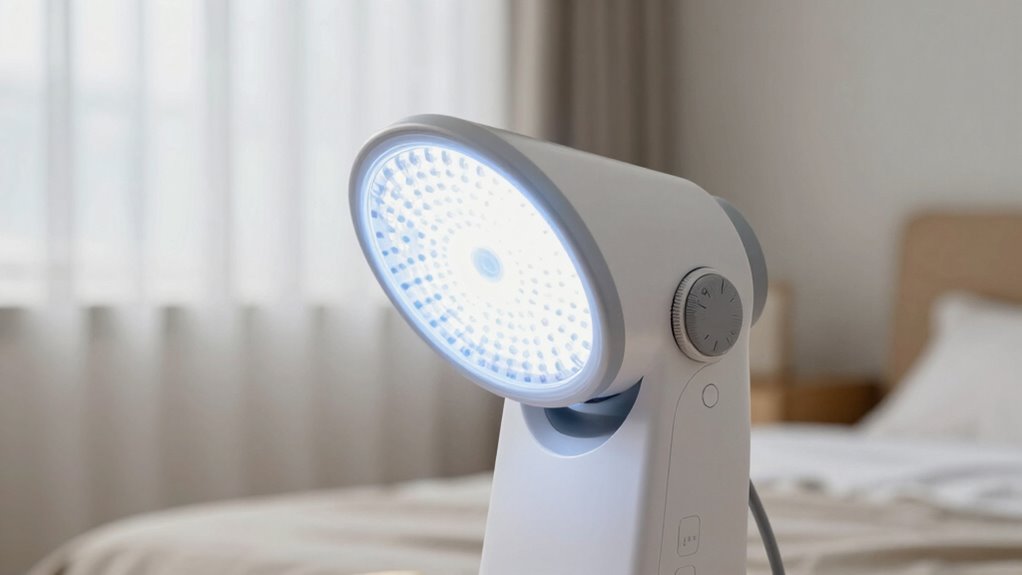
Adjusting your light therapy dose can substantially improve its effectiveness, but finding the right balance often requires some experimentation. Start by tweaking the light color; cooler, blue-toned lights typically boost alertness, while warmer tones promote relaxation. Proper device placement is vital—position the light at eye level, about 16-24 inches away, to maximize exposure without discomfort. Use this table to guide your adjustments:
| Light Color | Device Placement | Duration |
|---|---|---|
| Blue/White | 16-24 inches at eye level | 20-30 minutes |
| Warm/Amber | Slightly farther, angled | 15-20 minutes |
| Brightness | Adjust to comfort level | Consistent daily |
Experiment to find what works best for you, paying attention to how different settings influence your mood and energy.
Expert Recommendations for Safe and Effective Light Therapy Dosing
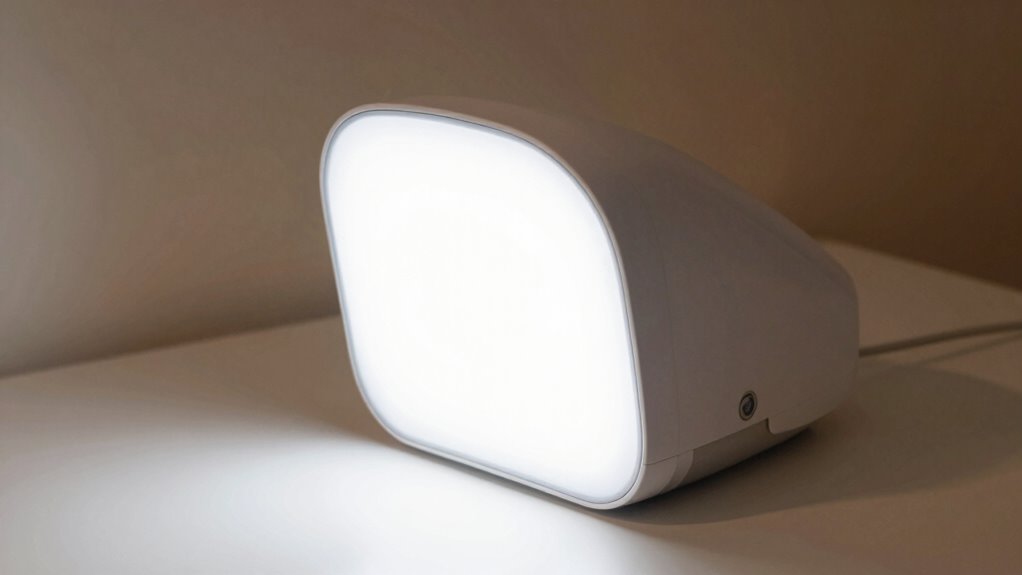
To guarantee you get the most benefit from light therapy without risking adverse effects, following expert recommendations for safe and effective dosing is essential. Proper light exposure helps synchronize your circadian rhythm and boosts mood and alertness.
Consider these guidelines:
- Limit initial sessions to 20-30 minutes of bright light exposure each morning.
- Use a light box with at least 10,000 lux, positioned about 16-24 inches from your eyes.
- Adjust timing based on your sleep-wake cycle, ensuring light exposure occurs early in the day to reinforce your circadian rhythm.
Frequently Asked Questions
Can Light Therapy Be Effective Year-Round for Seasonal Affective Disorder?
Yes, light therapy can be effective year-round for seasonal affective disorder if you maintain consistency and make seasonal adjustments. You should use it daily, especially in the morning, to help regulate your mood and energy levels. As seasons change, you might need to increase or modify the duration of your sessions. Staying consistent and adapting your routine ensures you get the most benefit from light therapy throughout the year.
How Do I Know if My Light Therapy Device Is Properly Calibrated?
Think of your light therapy device as a lighthouse guiding your mood. To guarantee it’s properly calibrated, check that the light intensity matches the recommended level—usually around 10,000 lux—using a light meter if possible. Regularly inspect the device for flickering or dimming, which signals it might need recalibration. Properly calibrated devices shine bright and steady, helping you navigate through seasonal blues with clarity and confidence.
Are There Specific Wavelengths That Are More Beneficial for Certain Conditions?
Yes, certain wavelengths are more beneficial for specific conditions due to wavelength specificity. For example, blue light (around 480nm) can help with mood and sleep issues, while red and near-infrared light (around 600-900nm) promote skin healing and reduce inflammation. Color therapy uses these wavelengths intentionally to target particular health concerns. When choosing a device, guarantee it offers the right wavelengths for your condition to maximize benefits effectively.
What Are the Long-Term Effects of Consistent Light Therapy Use?
Think of consistent light therapy as planting a seed; with proper care, it blooms safely over time. Long-term safety remains well-supported, but you should stay mindful of potential chronic effects like eye strain or skin sensitivity. While most users experience benefits without issues, it’s wise to monitor your response and consult a professional regularly. Proper dosing and duration are your guardrails, ensuring your light-filled journey stays safe and fruitful.
How Does Skin Pigmentation Affect Light Therapy Effectiveness?
Skin pigmentation can impact light therapy effectiveness due to melanin interference, which absorbs some light, reducing its reach to deeper skin layers. Your skin tone impact means darker skin may require longer or more frequent sessions for ideal results. Lighter skin generally responds faster, but it’s essential to customize treatments accordingly. Always consult a professional to tailor your light therapy to your skin type, ensuring safe and effective use.
Conclusion
To get the most out of light therapy, remember that finding the right dose is key. For example, if you’re aiming to boost energy but feel jittery after long sessions, you might be overdoing it. Adjust your duration or intensity gradually, listen to your body, and consider personal factors. With some trial and error, you’ll discover the perfect balance for your needs, helping you enjoy the full benefits safely and effectively.