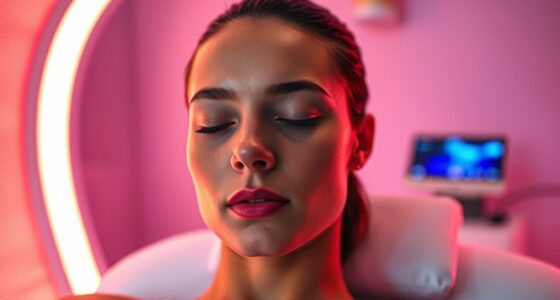
Your beard growth varies because of genetics, hormones, and skin type, which influence how hair follicles respond to treatments like red light therapy. Red light stimulates follicles, boosting blood flow and cellular activity, but its effectiveness depends on individual factors like hormone levels and follicle density. That’s why some see rapid changes while others notice little. Keep exploring to discover how you can optimize your beard growth journey and get better results.

Get wellness gear delivered free — and shop member deals
- Fast, free delivery on millions of items
- Access to Prime Big Deal Days deals on October 6–7
- Prime Video, Amazon Music and more included
Key Takeaways
- Genetic predisposition determines follicle density and responsiveness, influencing who benefits from red light therapy.
- Hormonal levels, especially testosterone and DHT, affect follicle activity and growth potential.
- Red light therapy stimulates cellular activity and blood flow, enhancing follicle health in responsive individuals.
- Variability in skin type and thickness impacts light penetration, affecting treatment effectiveness.
- Consistent use and proper device application are crucial for visible beard growth improvements.
How Does Beard Growth Happen at the Follicle Level?

Beard growth begins deep within your skin at the follicle level, where hair production is initiated. Each beard follicle is a tiny sac that anchors the hair and supplies it with nutrients. Inside, the hair cycle starts with the anagen phase, where cells rapidly divide, pushing hair upward. This phase determines how thick and long your beard can grow. Afterward, the follicle enters the catagen and telogen phases, during which growth slows and the hair eventually sheds. Your hormones, especially testosterone, influence this cycle, impacting beard density and speed. Understanding this process helps you realize that beard growth isn’t random but driven by complex biological cycles within each follicle. Proper care can support healthy follicle function, promoting better beard growth over time. Additionally, hair growth cycles are affected by external factors such as nutrition, health, and environmental conditions, which can either enhance or hinder beard development. For example, hormonal balance plays a crucial role in regulating these cycles and overall hair health, and emerging therapies like red light therapy are being explored for their potential to stimulate follicle activity and promote growth. Furthermore, advances in light therapy are offering new possibilities for supporting hair follicle health and boosting growth rates.
What Factors Influence Beard Thickness and Speed?
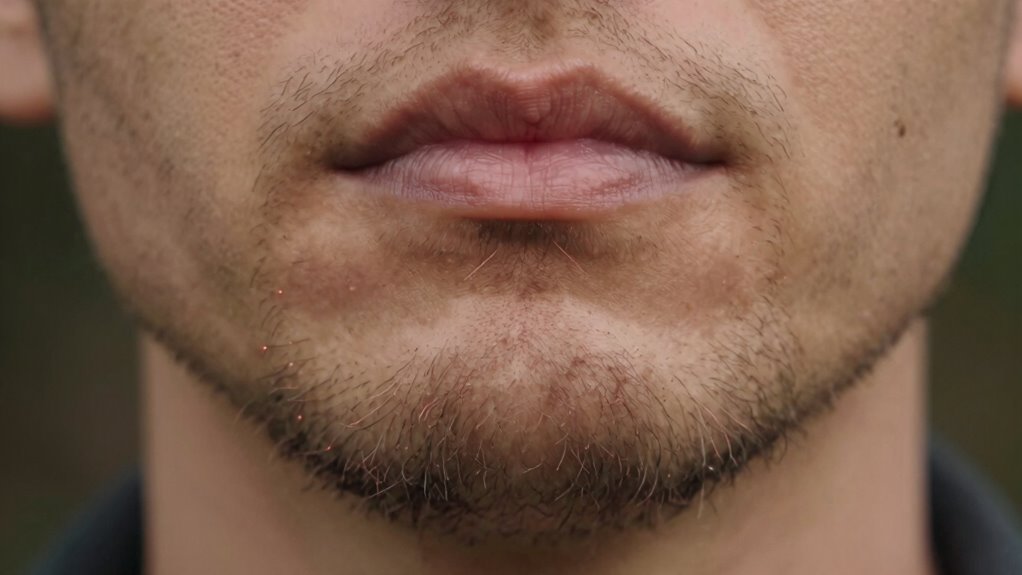
Your beard’s thickness and growth speed are mainly shaped by genetics and hormonal levels, which you can’t change but can influence. Age and the hair cycle stages also play a role, affecting how quickly your beard develops. Additionally, your lifestyle and nutrition impact follicle health, making them important factors to take into account. Proper piercing care and hygiene can also promote healthier hair growth in facial follicles. Understanding the hair growth cycle can help set realistic expectations for beard development and identify areas for potential improvement. Moreover, ensuring adequate nutrition awareness supports overall follicle vitality and hair growth quality. Recognizing the importance of product quality and application can further enhance beard growth results. Incorporating essential oils for hair growth, such as rosemary and lavender, may stimulate blood circulation to the follicles and improve growth outcomes.
Genetics and Hormonal Levels
Genetics and hormonal levels play a crucial role in determining how thick and quickly your beard grows. Your hormonal balance, especially testosterone and dihydrotestosterone (DHT), directly influences beard development. If your body produces higher levels of these hormones, you’re likely to grow a fuller, faster beard. Conversely, a genetic predisposition can affect hair follicle density and hair shaft thickness, making some men naturally more capable of thicker, denser beards. These factors are largely inherited, so if your relatives have full beards, you’re more likely to develop one as well. While external factors like skincare and red light therapy can help, your genetics and hormonal balance set the foundation for your beard’s growth potential. Understanding your hormonal profile can provide further insight into your beard growth capabilities. Additionally, research suggests that hair follicle characteristics determined by your genetics influence how your beard responds to hormonal signals. External influences such as red light therapy may stimulate hair follicle activity, but they work best when your genetic and hormonal factors are favorable. Knowing the genetic factors involved can help tailor approaches to optimize beard growth effectively. Recognizing how natural variations in hair follicle structure impact growth can further inform personalized strategies.
Age and Hair Cycle Stages
As men age, their beard growth patterns and thickness are considerably influenced by the natural hair cycle stages. During the anagen phase, hair actively grows, but this stage shortens with age, slowing beard development. Hormonal balance, especially testosterone levels, plays a key role in maintaining this growth phase. Additionally, skin health impacts beard thickness; healthy skin supports stronger hair follicles and better growth. As you age, decreased skin elasticity and increased inflammation can hinder follicle function. These changes make it harder for new hair to emerge and grow densely. Understanding how age affects your hair cycle stages allows you to better grasp why beard growth may slow over time and highlights the importance of maintaining hormonal balance and skin health for ideal results.
Lifestyle and Nutritional Impact
Lifestyle choices and nutritional habits directly impact how quickly and thickly your beard grows. Proper nutrition provides essential vitamins and minerals that support hair follicle health, while dietary supplements like biotin or zinc can boost growth. Avoiding smoking and managing stress through healthy lifestyle habits improve blood circulation and hormone balance, which are crucial for beard development. A balanced diet rich in proteins, healthy fats, and vegetables fuels hair growth and enhances thickness. Regular exercise increases testosterone levels and promotes overall vitality. Staying hydrated and getting enough sleep also play vital roles in supporting robust beard growth. Additionally, nutrition and supplements play a significant role in stimulating hair follicle activity and growth potential. Incorporating carbohydrate management can help regulate hormonal fluctuations that influence facial hair growth. Adequate air quality, such as reducing dust and microplastics in your environment, can also support overall health, including hair growth. By making mindful choices about your lifestyle habits and considering dietary supplements, you can optimize your potential for a thicker, faster-growing beard.
How Does Red Light Therapy Boost Hair Follicles?
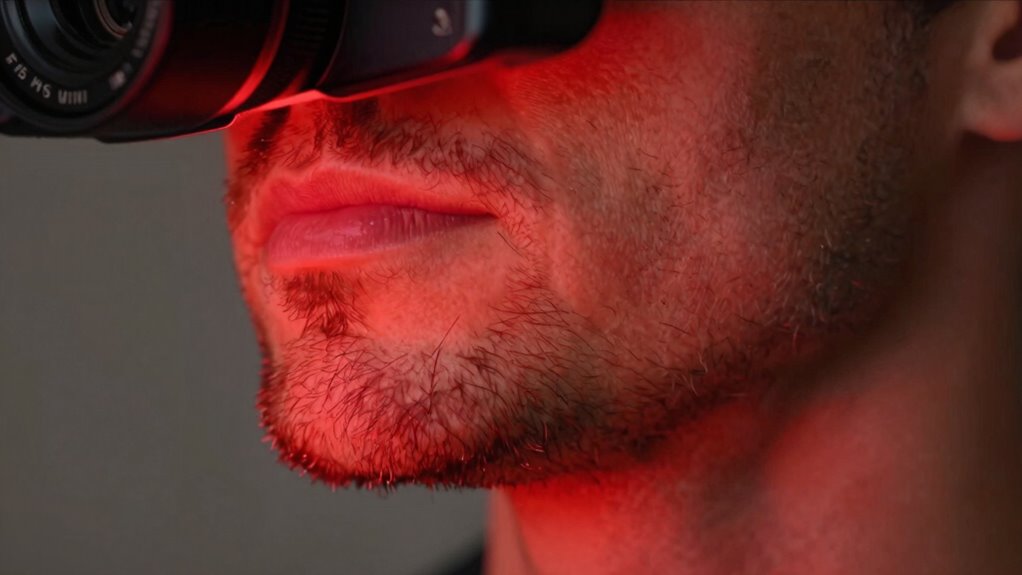
Red light therapy works by stimulating your hair follicles at a cellular level, encouraging them to become more active. It also increases blood flow to the area, delivering essential nutrients and oxygen. Together, these effects help promote healthier, stronger beard growth. Additionally, cellular regeneration plays a crucial role in the overall effectiveness of red light therapy, enhancing the natural process of hair development. This synergy between science and tradition underscores the evolving nature of golf history and LPGA milestones, reflecting a broader appreciation for innovation across different fields. Understanding skin health is also vital, as improved skin conditions can further support hair follicle activity and growth.
Stimulates Cellular Activity
Red light therapy stimulates cellular activity by penetrating deep into the scalp tissue, where it encourages the mitochondria in hair follicle cells to produce more energy. This boost in energy supports healthy follicle function, fostering new growth and improving skin health. As your cells respond to the light, hormonal balance can stabilize, creating an ideal environment for hair development. Imagine the feeling of revitalized skin, stronger follicles, and renewed confidence. Additionally, understanding the home use of such devices makes it easier to incorporate this therapy into your routine. Recognizing the cellular response to red light can help optimize treatment effectiveness. Furthermore, the horsepower of electric dirt bikes demonstrates how significant energy output can be harnessed efficiently for off-road performance. Incorporating knowledge of hair follicle biology can further enhance your approach to hair growth treatments.
Promotes Blood Flow
By increasing cellular energy, red light therapy not only boosts follicle health but also enhances blood circulation in the scalp. When blood flow improves, more oxygen and nutrients reach your hair follicles, supporting their growth and strength. Better blood circulation means your hair follicle receives the essential components it needs to stay active and healthy. This process helps remove waste products that can hinder hair growth. As a result, your hair follicles become more responsive and capable of producing thicker, fuller hair. Red light therapy stimulates the microcirculation in your scalp, ensuring your hair follicles get a steady supply of nutrients. Over time, this increased blood flow can lead to visible improvements in beard density and overall hair health.
Why Do Results Vary Between Men Using Red Light Therapy?
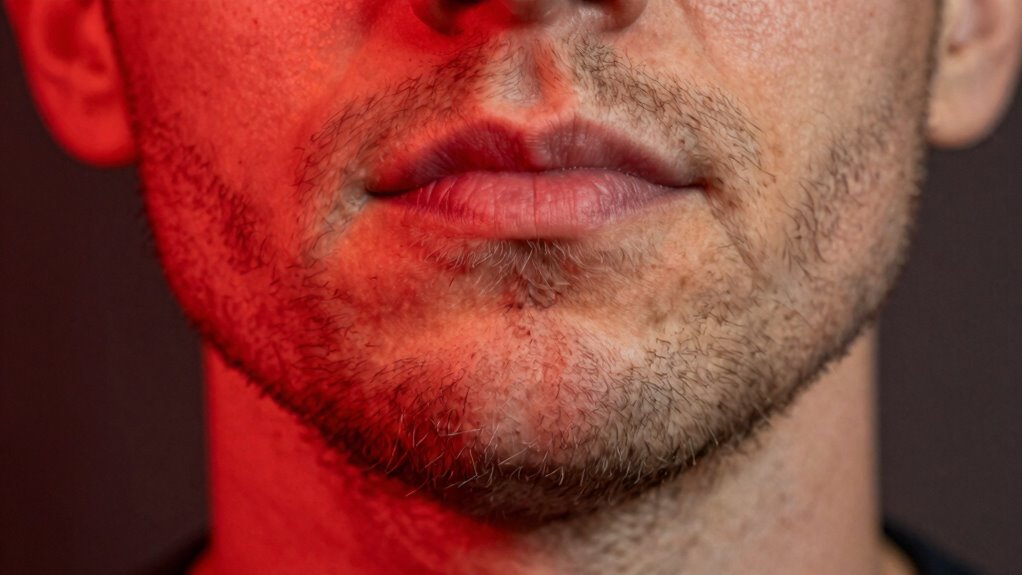
Although red light therapy can be effective for promoting beard growth, results often vary markedly among men. Your genetic factors play a vital role, determining how your hair follicles respond to stimulation. Hormonal influences, especially testosterone levels, also impact outcomes, as higher levels generally promote better growth. Several factors contribute to this variability:
Genetics and hormones significantly influence red light therapy’s effectiveness for beard growth.
- Genetic predisposition affects follicle sensitivity to red light.
- Hormonal balance influences hair cycle phases and growth potential.
- Skin type and thickness can modify light penetration.
- Consistency and duration of treatment determine overall effectiveness.
Understanding these variables helps explain why some men see rapid results, while others notice minimal changes. Tailoring treatments considering genetics and hormones can improve your chances of success.
What Are Common Reasons Red Light Therapy Might Not Work?

If your red light therapy isn’t producing the desired results, several common issues could be the cause. One key factor is hormonal balance; if your hormones aren’t optimized, hair growth may stall. Additionally, skin sensitivity can limit treatment effectiveness—if your skin reacts poorly, you might need to adjust your approach. Sometimes, inconsistent use or insufficient exposure time hampers progress. Poor device quality or incorrect positioning can also reduce benefits. Here’s a quick overview:
| Issue | Cause | Solution |
|---|---|---|
| Hormonal imbalance | Low testosterone or thyroid issues | Consult a doctor |
| Skin sensitivity | Overexposure or sensitive skin | Shorten sessions, use protective measures |
| Inconsistent use | Irregular treatment schedule | Stick to a routine |
| Device quality | Low-quality or ineffective device | Upgrade to a reputable model |
| Exposure time | Too brief or inconsistent sessions | Increase duration gradually |
How Can You Maximize Your Beard Growth With Red Light Treatments?
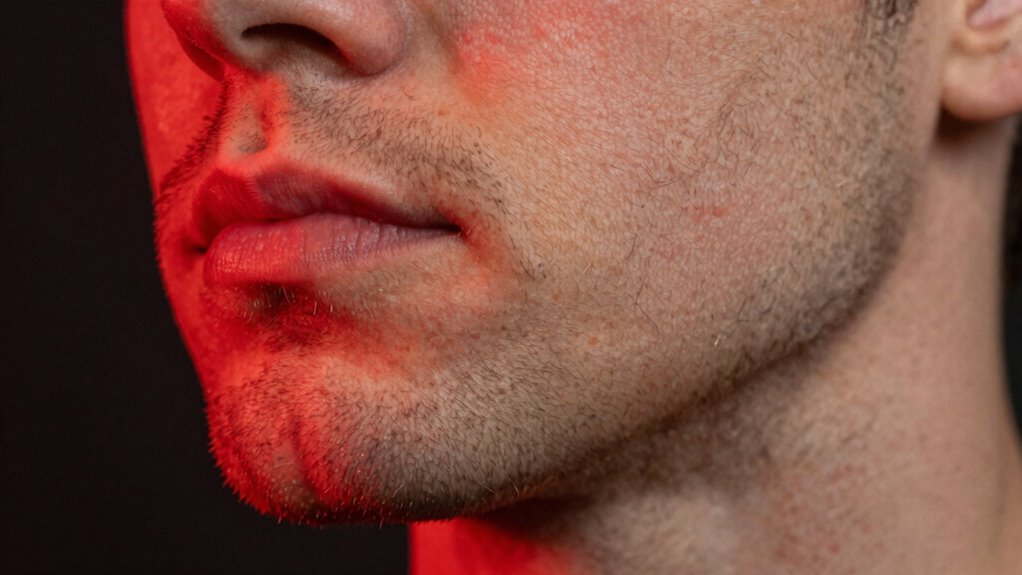
Keen to boost your beard growth with red light therapy? To maximize results, integrate red light treatments into your daily grooming routines and focus on beard styling. Here are four ways to optimize your efforts:
- Consistency: Use red light therapy sessions regularly, ideally 3-4 times a week, to maintain steady stimulation.
- Combine with Proper Grooming: Keep your beard clean and exfoliated to enhance light absorption and stimulate hair follicles.
- Target Key Areas: Focus on patches or areas with thinner growth for more effective results.
- Healthy Lifestyle: Support beard growth by maintaining a balanced diet, staying hydrated, and managing stress.
Are There Natural or Medical Alternatives to Red Light Therapy?
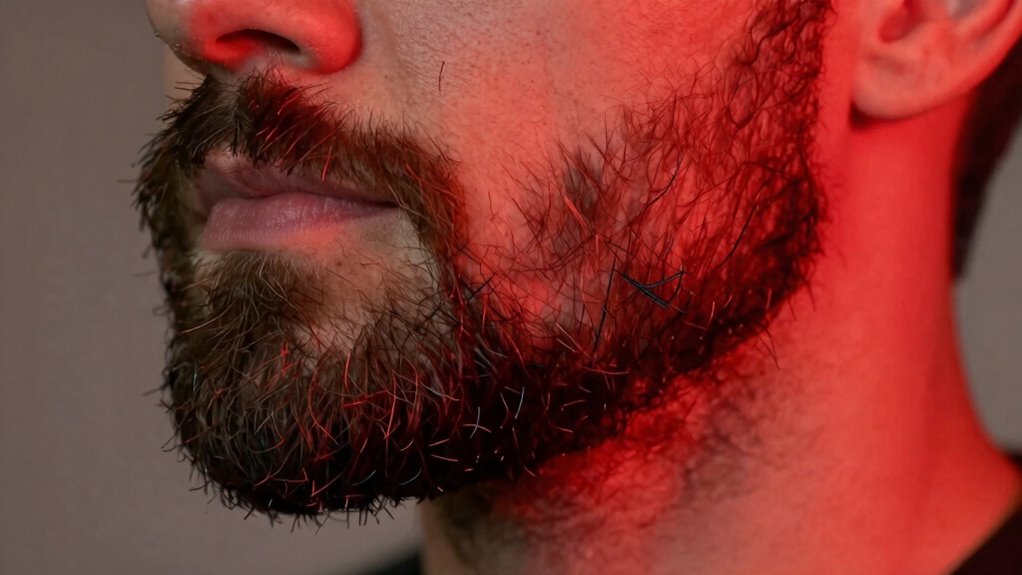
Many people seek alternatives to red light therapy for enhancing beard growth, whether due to accessibility, cost, or personal preference. Natural remedies like biotin supplements, castor oil, and a balanced diet rich in vitamins can support hair growth without medical intervention. Additionally, some find that topical products containing minoxidil offer a medical option to stimulate hair follicles. Other options include laser combs or low-level laser therapy devices, which are more approachable than clinical treatments. While these alternatives vary in effectiveness, they offer choices for those hesitant to try red light therapy or seeking more traditional approaches. Always consult with a healthcare professional before starting any new treatment to ensure safety and suitability for your individual needs.
Does Science Show Red Light Therapy Really Works for Beard Growth?

Scientific studies have started to support the idea that red light therapy can promote beard growth by stimulating hair follicles and increasing blood flow to the area. To maximize results, you should consider the following factors:
Red light therapy may boost beard growth by stimulating follicles and increasing blood flow.
- Consistency in using red light devices as part of your beard grooming routine
- Combining facial massage to enhance blood circulation and nutrient delivery
- Ensuring the therapy targets the specific areas where beard growth is desired
- Maintaining a healthy diet to support follicle health and overall hair growth
While research is promising, individual responses vary, and red light therapy isn’t an instant fix. Still, many users report noticeable improvements over time when they stick to regular treatments and incorporate these practices into their beard grooming habits.
How Long Does It Take to See Results From Red Light Therapy?
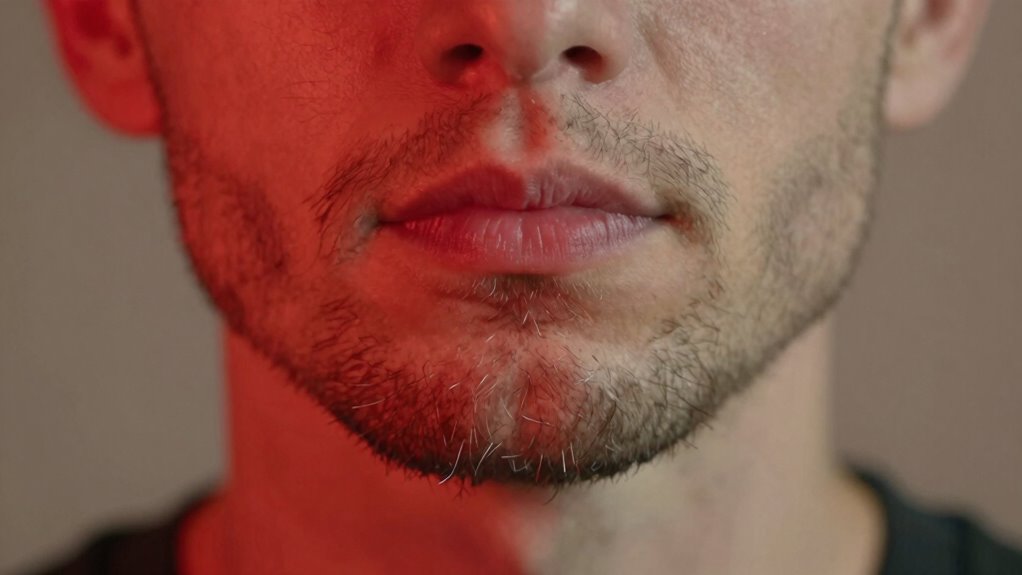
The time it takes to see results from red light therapy varies depending on individual factors, but most people start noticing improvements within a few weeks of consistent use. Your body needs time to adapt, especially as red light helps promote hormone balance, which can influence beard growth. You may also observe better skin health, with reduced inflammation and improved circulation, supporting hair follicle health. For noticeable results, aim for regular sessions, typically 3-5 times a week. Keep in mind that patience is key, as everyone’s response differs. Consistency ensures your body benefits from the therapy’s effects on hormone regulation and skin health, ultimately encouraging stronger, faster beard growth over time.
Frequently Asked Questions
Can Red Light Therapy Cause Side Effects or Skin Irritation?
Red light therapy can cause minor side effects like skin sensitivity or irritation, especially if you have sensitive skin. You might notice redness or discomfort after treatment. To stay safe, avoid shining the light directly into your eyes, as eye safety is important. Use proper protective gear if needed, and follow device instructions carefully. If you experience persistent irritation, consult a healthcare professional to prevent further skin issues.
Is Red Light Therapy Effective for Patchy or Uneven Beard Growth?
Red light therapy can be effective for patchy or uneven beard growth by increasing beard density through hair follicle stimulation. When you use it consistently, it encourages dormant hair follicles to become active, promoting more uniform growth. While results vary, many people notice improved coverage. Just make certain you follow proper treatment protocols, and give it time to see significant changes in your beard’s density and consistency.
How Often Should Red Light Treatments Be Administered for Best Results?
You should administer red light treatments about three to five times a week for ideal results. Typically, each session lasts around 10 to 20 minutes, depending on the device used. Studies show consistent use increases hair growth by up to 70%. Maintaining this frequency and treatment duration helps stimulate hair follicles effectively, making it easier for you to achieve fuller, healthier beard growth over time.
Are There Specific Wavelengths of Red Light More Effective for Beard Growth?
You should look for red light with specific wavelengths around 630-670 nanometers, as they’re most effective for beard growth due to wavelength specificity. These wavelengths penetrate skin deeply, stimulating hair follicles. When considering treatment parameters, guarantee consistent sessions at appropriate intensities and durations. Combining the right wavelength with proper treatment settings maximizes your chances of encouraging beard growth, so follow expert guidelines for ideal results.
Does Age or Hormonal Balance Affect Red Light Therapy Effectiveness?
Yes, your age and hormonal balance can influence red light therapy’s effectiveness. As you age, natural hormone levels drop, potentially reducing beard growth response. Hormone impact plays a significant role; higher testosterone levels typically promote better results. To maximize benefits, consider consulting a healthcare professional to assess your hormone levels and explore ways to optimize therapy, especially if you’re experiencing age-related hormonal changes.
Conclusion
Remember, patience is a virtue. While red light therapy can boost beard growth for some, results vary based on individual factors. Stay consistent with treatments, and don’t get discouraged if progress takes time. Just like planting a seed, growth doesn’t happen overnight—you need to nurture it. Keep your expectations realistic, and with perseverance, you might just see the beard you’re aiming for. After all, slow and steady wins the race.
Fall Picks
fall essentials
As an affiliate, we earn on qualifying purchases.