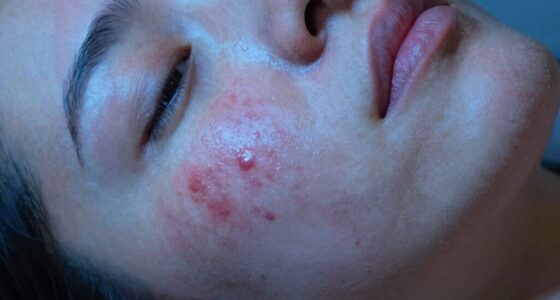
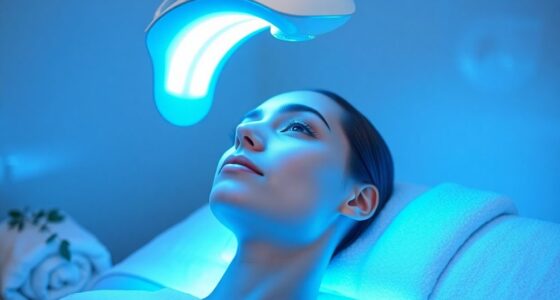
Pain relief light therapy uses specific wavelengths of light to target inflammation and promote healing. When applied, the light penetrates your skin, stimulating cellular repair and reducing inflammatory compounds, which helps decrease pain and swelling naturally. Common wavelengths boost ATP production and blood flow, supporting your body’s recovery. During sessions, you might feel warmth or tingling, with no downtime. To learn how to maximize safety and effectiveness, explore what real-life treatment looks like.
Key Takeaways
- Anti-inflammatory effects are seen through reduced swelling and pain as light stimulates cellular repair and decreases inflammatory compounds.
- Wavelengths between 1200-1300 nm help modulate immune responses, lowering inflammation in targeted areas.
- Patients often experience decreased redness, swelling, and discomfort as natural healing processes are enhanced.
- Light therapy promotes blood flow and cellular energy, supporting the body’s ability to resolve inflammation naturally.
- Proper treatment involves safe, targeted light application with protective measures to prevent skin and eye irritation.
What Is Pain Relief Light Therapy and How Does It Reduce Inflammation?

Pain relief light therapy is a non-invasive treatment that uses specific wavelengths of light to target areas of pain and inflammation. These light wavelengths penetrate the skin and reach the underlying tissues, stimulating cellular repair. The process encourages damaged cells to recover more quickly and reduces the production of inflammatory compounds. The technology behind these devices often incorporates advanced performance parts that enhance their effectiveness and reliability. As a result, you may experience decreased swelling and pain. By focusing on the right light wavelength, this therapy enhances your body’s natural healing mechanisms without the need for drugs or invasive procedures. It’s a safe, drug-free option that promotes faster recovery and relieves discomfort. Additionally, understanding the importance of contrast ratio can help you choose devices that optimize image quality during therapy sessions. Selecting equipment with appropriate device specifications ensures effective treatment outcomes and safety, especially when considering essential safety tips for using portable oil radiators to maintain a safe environment during therapy sessions. Recognizing the role of light wavelength in therapy effectiveness can further improve treatment results and patient satisfaction.
How Do Anti-Inflammatory Light Wavelengths Work at the Cellular Level?

Ever wonder how anti-inflammatory light wavelengths actually influence your cells? It all comes down to cellular mechanisms and wavelength absorption. When specific wavelengths penetrate your skin, they are absorbed by mitochondria, boosting cellular energy production. This process triggers a cascade of biological responses, reducing inflammation and promoting healing. The table below shows how different wavelengths are absorbed and their effects:
| Wavelength (nm) | Cellular Mechanism | Result |
|---|---|---|
| 600-700 | Absorbed by cytochrome c oxidase | Increased ATP production |
| 800-900 | Stimulates cellular repair | Reduced inflammation |
| 1000-1100 | Enhances blood flow | Faster healing |
| 1200-1300 | Modulates immune response | Decreased pain |
These processes help your cells recover efficiently, making anti-inflammatory light therapy effective.
What Can I Expect During a Typical Light Therapy Session?
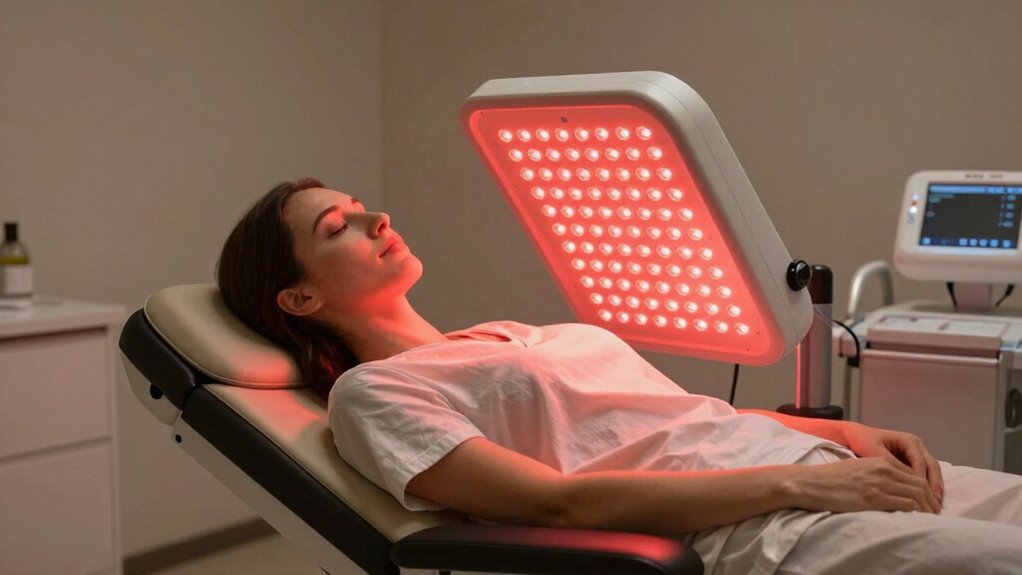
During a typical light therapy session, you’ll usually sit or lie comfortably while the therapist or device directs the specific wavelength light toward the targeted area. You might feel a gentle warmth or tingling, but most find it soothing. Many light therapy myths suggest it’s uncomfortable or invasive, but sessions are generally painless and relaxing. The treatment duration varies but typically lasts between 15 to 30 minutes, depending on your condition and the protocol used. You won’t need any downtime afterward, making it easy to fit into your routine. Keep in mind that consistent sessions are often necessary for ideal results, and individual experiences can differ. Being mindful of sustainable textile care practices can help minimize environmental impact during your treatment, especially if you use fabric-based accessories or coverings. Incorporating environmentally friendly fabrics can further support sustainable practices during your sessions. Understanding proper device maintenance can also ensure the safety and efficacy of your light therapy. Regularly checking manufacturer guidelines is essential for maintaining device safety and performance. Additionally, maintaining device cleanliness can prevent potential skin irritation and ensure optimal performance. Knowing what to expect helps you stay relaxed and confident during your treatment.
Is Pain Relief Light Therapy Right for You?

If you have chronic pain, light therapy could be a helpful option to explore. However, you should consider your skin sensitivity before starting treatment. It’s best to consult your healthcare provider to determine if light therapy is right for you. Exploring mythology-inspired names can also provide insight into strength and wisdom that may inspire your journey toward healing. Additionally, understanding the top smart locks and office gear available can help you create a secure environment that supports your overall well-being. Being aware of supportive caregiver strategies can also enhance your emotional resilience during this process.
Suitable For Chronic Pain
Determining whether pain relief light therapy is suitable for chronic pain depends on your specific condition and response to other treatments. If traditional pain management methods haven’t provided enough relief, light therapy could be a beneficial addition. It’s especially helpful for those seeking non-invasive options to reduce inflammation and improve overall well-being. Many users report not only decreased pain but also better sleep, which is vital for managing chronic conditions. Since sleep enhancement can influence pain levels, light therapy might address multiple aspects of your pain management plan. Additionally, incorporating fireproof storage for your devices and documentation can ensure safety and proper maintenance. Proper storage can also protect your investment and prolong device lifespan, aligning with best practices in content security. Moreover, understanding the mechanisms of inflammation can help tailor your treatment approach more effectively. For example, targeted therapies that address specific inflammatory pathways may enhance the effectiveness of light therapy. However, it’s essential to consult a healthcare professional to guarantee it’s appropriate for your specific situation. With consistent use, you could experience meaningful relief and improved quality of life.
Consider Skin Sensitivity
Skin sensitivity is an important factor to contemplate before trying pain relief light therapy, as some individuals may experience skin reactions or discomfort. Your skin might react with irritation or allergic responses, making therapy uncomfortable or ineffective. To visualize this, consider the following:
| Skin Reaction Type | Severity | Possible Symptoms |
|---|---|---|
| Mild skin irritation | Redness, itchiness | Slight discomfort, redness |
| Moderate irritation | Swelling, rash | Tenderness, swelling |
| Allergic reaction | Hives, blistering | Severe itching, blistering |
| No reaction | Skin remains calm | No symptoms |
| Uncertain response | Varies | Monitor closely |
If you notice any of these reactions, it’s wise to reassess whether light therapy suits your skin. Proper skin assessment can help determine if this treatment is suitable for you. Incorporating skin sensitivity awareness can also aid in recognizing early signs of adverse reactions and prevent further discomfort. Being informed about skin reactions and understanding auditory cues can further support safe therapy practices and improve overall outcomes. Additionally, understanding self-sufficiency principles can empower you to take proactive steps in managing your health and wellness choices.
Consult Healthcare Providers
Before starting pain relief light therapy, it’s important to consult with a healthcare professional to guarantee it’s appropriate for your specific situation. They can help you assess whether this treatment fits within your overall health plan, considering holistic approaches and alternative therapies. Here are four key reasons to seek professional advice:
- To identify underlying causes of pain and inflammation.
- To determine if light therapy complements your existing treatments.
- To avoid potential contraindications or skin sensitivities.
- To ensure safe, personalized application tailored to your needs.
- Consulting a healthcare provider also helps you understand caregiving decisions and how this therapy fits into your overall well-being plan. Discussing environmental impacts of different therapies can also inform your choices.
A healthcare provider can guide you through integrating light therapy into a broader pain management strategy, helping you make informed decisions. This step ensures you’re using the therapy effectively and safely, maximizing benefits while minimizing risks. Additionally, understanding treatment safety is crucial to prevent adverse effects and optimize outcomes. Exploring individual health factors can further tailor the therapy to your unique needs, ensuring it is both safe and effective.
How Does Light Therapy Compare to Traditional Treatments for Inflammation?

Light therapy offers a promising alternative to traditional treatments for inflammation, especially for those seeking non-invasive options. Unlike medications or injections, it uses infrared wavelengths to penetrate tissues and target inflammation markers directly. This approach can reduce swelling and pain without the side effects associated with pharmaceuticals. Traditional treatments often focus on managing symptoms or suppressing immune responses, which may lead to unwanted effects over time. Light therapy, on the other hand, promotes natural healing processes by stimulating cellular activity and decreasing inflammatory signals. It’s generally quicker to administer and can be performed at home or in clinics. While more research is needed, many users find light therapy a safe, effective complement or alternative to conventional methods for reducing inflammation.
Are There Risks or Side Effects of Light Therapy?

While light therapy can be effective, it’s important to be aware of potential risks. You might experience skin reactions or have concerns about eye safety if not used properly. It’s also vital to take into account any contraindications and follow precautions to ensure safe treatment.
Potential Skin Reactions
Although light therapy is generally safe, some individuals may experience skin reactions as a side effect. Skin irritation can manifest as redness, dryness, or mild discomfort, which usually subsides quickly. Allergic reactions, though rare, might include swelling, hives, or itching at the treatment site. To understand the risks better, consider these points:
- Sensitivity varies — your skin’s response depends on your unique makeup.
- Pre-existing skin conditions can increase the chance of irritation.
- Proper device calibration minimizes adverse reactions.
- Monitoring your skin’s response helps catch issues early.
If you notice persistent or worsening skin irritation or allergic reactions, consult a healthcare professional. Being aware of these potential skin reactions helps you manage your therapy safely and effectively.
Eye Safety Concerns
Skin reactions are generally mild and temporary, but when it comes to eye safety, the potential risks warrant careful attention. Light therapy devices emit bright lights that can affect your eyes, so protecting your visual impact is essential. Direct exposure to intense light can cause discomfort or temporary visual disturbances, especially if you stare directly at the source. To mitigate risks, always wear appropriate eye protection, such as goggles or safety glasses designed for light therapy. Avoid looking directly into the light and follow manufacturer instructions carefully. While serious eye damage is rare, neglecting eye safety can lead to discomfort or visual interference. Being cautious helps ensure you benefit from the therapy without compromising your eye health or visual clarity.
Contraindications and Precautions
Are there any risks or side effects associated with light therapy? While generally safe, some precautions are essential. First, you should consider medication interactions, as certain drugs may increase photosensitivity, leading to adverse reactions. Second, if you’re pregnant, consult your healthcare provider to ensure pregnancy safety, as evidence is limited. Third, avoid using light therapy if you have a history of skin cancer or photosensitive conditions. Fourth, overuse or improper exposure can cause skin irritation or eye strain. Always follow recommended guidelines and inform your provider about any medications or health conditions. By understanding these contraindications and precautions, you can maximize benefits while minimizing potential risks.
How to Find a Reputable Provider and Get Started

Finding a reputable provider for pain relief light therapy starts with doing some research. Look for clinics or practitioners specializing in alternative therapy options and check their credentials. Reading reviews and asking for recommendations can help identify trustworthy providers. Many wellness retreats now incorporate light therapy as part of holistic treatments, so consider those settings if you prefer a more thorough approach. Confirm the provider uses FDA-approved devices and has proper training. Ask about their experience with pain relief and inflammatory conditions. Don’t hesitate to request a consultation to discuss your specific needs. A reputable provider will listen carefully and tailor the treatment to your goals. Getting started with the right professional makes all the difference in achieving effective, safe results.
Frequently Asked Questions
How Long Does It Typically Take to See Results From Light Therapy?
You can usually expect to see results from light therapy within a few sessions, often around 1 to 4 weeks. Timing expectations vary based on individual factors and the condition being treated. Many patients report noticeable improvements in pain and inflammation early on, while others may need more sessions. Stay consistent with treatments, and you’ll likely experience the anti-inflammatory benefits as your body responds to the therapy.
Can Light Therapy Be Combined With Other Treatments for Better Results?
Your pain relief journey could be revolutionized with combination therapies, creating treatment synergy that’s more powerful than any single method. Light therapy pairs well with techniques like physical therapy, medication, or acupuncture, boosting overall effectiveness. Combining treatments allows you to target inflammation from multiple angles, speeding up recovery and providing more holistic relief. Don’t settle for just one approach—maximize your results by integrating light therapy into your broader pain management plan.
Are There Specific Conditions That Respond Best to Light Therapy?
You’ll find that light therapy works best for skin conditions like acne, psoriasis, and eczema, easing inflammation and promoting healing. It’s also highly effective for muscle recovery after workouts or injury, reducing soreness and speeding up healing. If you have chronic inflammation or skin issues, using light therapy regularly can deliver noticeable improvements. Just make sure to follow your healthcare provider’s guidance for safe, targeted results.
How Often Should Sessions Be Scheduled for Optimal Benefits?
For maximum benefits, you should schedule light therapy sessions 2 to 3 times per week, depending on your condition. Consistent treatment scheduling helps maintain anti-inflammatory effects and accelerates healing. Stick to this frequency for at least a few weeks, then adjust based on your progress. Regular sessions ensure you get the most out of the therapy, promoting quicker recovery and long-term relief.
Is Light Therapy Effective for Chronic Versus Acute Inflammation?
Light therapy effectively reduces both chronic and acute inflammation by targeting inflammation markers and promoting cellular repair. You’ll notice improvements in pain, swelling, and mobility as light therapy applications stimulate healing processes. For chronic inflammation, regular sessions maintain long-term relief, while acute cases benefit from immediate, targeted treatments. Either way, consistent use helps your body reset inflammation levels, making light therapy a versatile, non-invasive anti-inflammatory option for ongoing or sudden issues.
Conclusion
Remember, patience is a virtue—light therapy may take time to show results, but consistency is key. If you’re seeking a non-invasive way to reduce inflammation and ease pain, it’s worth exploring this innovative treatment. Always choose a reputable provider to guarantee safety and effectiveness. With the right guidance and an open mind, light therapy could become a valuable part of your wellness journey. Don’t wait for a perfect moment—start today and see how it works for you.