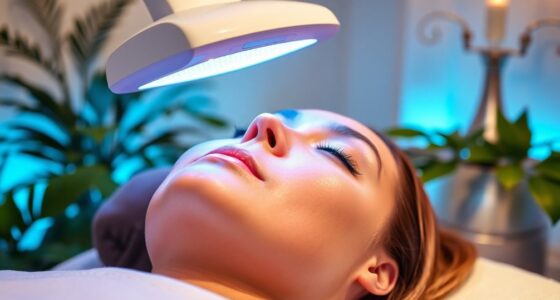
The key benefit that makes light therapy feel less all-or-nothing is its flexibility. You don’t need strict schedules or long sessions; small, regular adjustments can still bring meaningful improvements to your mood and circadian rhythm. Missing a day isn’t a setback, and you can easily adapt your routine to fit your life. This manageable approach helps you stay consistent without feeling overwhelmed. Keep going, and you’ll discover how subtle changes can make a big difference.

Get wellness gear delivered free — and shop member deals
- Fast, free delivery on millions of items
- Access to Prime Big Deal Days deals on October 6–7
- Prime Video, Amazon Music and more included
Key Takeaways
- Small, regular light exposures accumulate to produce meaningful mood and circadian benefits over time.
- Flexibility in routine reduces pressure, making consistent use more sustainable and less all-or-nothing.
- Missing a session doesn’t negate progress, emphasizing progress over perfection.
- Short, manageable sessions fit into daily life, encouraging adherence without stress.
- The focus on consistency fosters long-term benefits, rather than requiring perfect adherence.

Light therapy often feels like an all-or-nothing commitment—you either stick to a strict daily routine or see little benefit. But that’s not entirely true. The real advantage lies in understanding that even small adjustments can lead to meaningful improvements, especially when it comes to mood enhancement and circadian regulation. You don’t need to be perfect with your schedule to experience positive effects. Instead, recognizing that some light exposure is better than none can make the process more flexible and less intimidating.
Small, consistent light exposures can improve mood and circadian health—perfection isn’t necessary for meaningful benefits.
When you use light therapy, you’re fundamentally giving your body a gentle nudge to regulate its internal clock. This is vital because your circadian rhythm controls sleep-wake cycles, hormone release, and overall energy levels. Even if you don’t follow a rigid routine every single day, consistent, moderate exposure to bright light can help align your circadian rhythm over time. This means you might feel more alert in the mornings and sleep better at night, leading to a more stable mood throughout the day. circadian rhythm plays a crucial role in overall health, making consistent exposure all the more beneficial.
Mood enhancement is another key benefit. Many people turn to light therapy to combat feelings of depression or seasonal affective disorder. You might worry that missing a day or two will negate your progress, but that’s not the case. The cumulative effect of regular light exposure, even if inconsistent at times, still contributes to improved mood. Think of it as adding small building blocks rather than constructing a perfect tower in one go. Over days and weeks, these small exposures can lift your spirits and reduce feelings of gloom. Additionally, understanding neurotransmitter regulation can help reinforce the importance of consistent habits for mood support. Consistent habits play a significant role in maintaining the benefits of light therapy over time.
The good news is that you don’t need to dedicate hours each day to see results. Even shorter sessions, say 10 to 15 minutes, can be beneficial if done regularly. You can adapt your routine based on your schedule, making it easier to integrate into your life. If you miss a morning session, a quick afternoon boost still counts. This flexibility helps you avoid the all-or-nothing mindset that can discourage consistent use. Remember, light exposure doesn’t need to be lengthy to be effective—regular, manageable doses are enough to support your health goals.
Ultimately, the key is understanding that light therapy isn’t about perfection; it’s about consistency and making the most of what you can do. Small, manageable doses of light, applied regularly, can substantially impact your mood and circadian health. Recognizing the importance of consistent light exposure can help you stay motivated and committed to the process. By shifting your perspective from strict routines to adaptable habits, you’ll find light therapy less intimidating and more sustainable, helping you enjoy its full benefits without feeling overwhelmed.
light therapy lamp for seasonal affective disorder
As an affiliate, we earn on qualifying purchases.
As an affiliate, we earn on qualifying purchases.
Frequently Asked Questions
Can Light Therapy Be Combined With Other Treatments Effectively?
Yes, you can combine light therapy with other treatments effectively. Complementary therapies like medication or counseling often work well alongside light therapy, creating treatment synergy. This approach can enhance overall results and address different aspects of your condition. Always consult your healthcare provider to guarantee the combined treatments suit your needs and won’t interfere with each other, maximizing safety and benefits.
Are There Any Long-Term Side Effects of Light Therapy?
Long-term safety of light therapy is generally good, but you should still be aware of potential risks. Some people might experience eye strain or skin irritation with prolonged use. While serious side effects are rare, it’s wise to follow recommended treatment durations and consult your healthcare provider for personalized advice. Regular check-ins can help monitor any potential long-term effects, ensuring you get the benefits safely without unforeseen issues.
How Quickly Can I Expect to See Results From Light Therapy?
You might see results in just a few days, feeling a wave of renewed energy crashing over you. Light intensity and treatment frequency play a huge role—higher intensity and consistent sessions accelerate progress. Some notice improvements within a week, while others see changes after a couple of weeks. Stay patient and committed, and you’ll likely experience noticeable benefits sooner than you expect, transforming your daily routine into a brighter, more vibrant experience.
Is Light Therapy Safe for All Skin Types and Tones?
Light therapy is generally safe for most skin tones, but safety concerns vary depending on your skin tone. People with darker skin may need to take extra precautions, as they could be more prone to pigmentation changes. Always consult with a healthcare professional before starting, especially if you have sensitive skin or existing skin conditions. Proper guidance guarantees you enjoy the benefits safely, regardless of your skin tone.
What Are the Best Times of Day to Use Light Therapy?
You should use light therapy during your morning routine or evening, but timing matters. Morning use can boost your mood and regulate your circadian rhythm, setting a positive tone for the day. Evening sessions might help with relaxation and sleep, but avoid bright light close to bedtime. The key is consistency—choose a time that fits your schedule and makes you look forward to this energizing ritual.
Conclusion
You might be surprised to learn that even just 20 minutes of light therapy daily can considerably boost your mood and energy levels. This small, manageable commitment makes it easier to stay consistent and avoid feeling overwhelmed by all-or-nothing expectations. Embracing the flexibility of light therapy means you’re more likely to stick with it, ultimately reaping its benefits without stress. So, give it a try—you could see a brighter outlook in just a few weeks!
Fall Picks
fall essentials
As an affiliate, we earn on qualifying purchases.