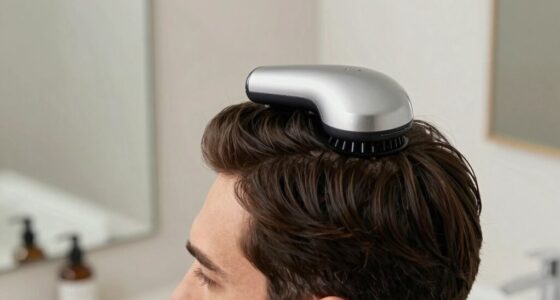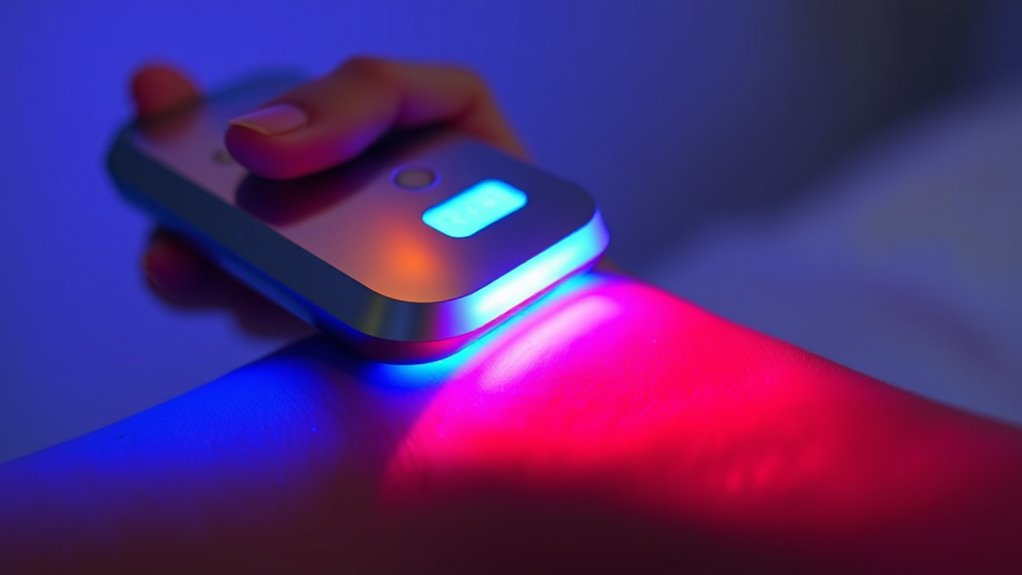

Light therapy, especially with red and near-infrared wavelengths, penetrates your skin to activate cellular energy through mitochondria. This process boosts immune cell function, reduces inflammation, and helps regulate your circadian rhythms, which are essential for immune health. Consistent use can strengthen your body’s natural defenses over time. By understanding how different light wavelengths influence your tissues, you can optimize immune support. Keep exploring to uncover more ways light therapy benefits your overall well-being.

Get wellness gear delivered free — and shop member deals
- Fast, free delivery on millions of items
- Access to Prime Big Deal Days deals on October 6–7
- Prime Video, Amazon Music and more included
Key Takeaways
- Light therapy influences circadian rhythms, enhancing immune function by regulating hormone production and sleep cycles.
- Specific wavelengths penetrate skin tissues, activating mitochondria and boosting cellular energy for immune support.
- Proper light exposure reduces inflammation and increases immune cell activity through photobiomodulation.
- Deep tissue effects from targeted wavelengths promote tissue repair and strengthen immune responses.
- Regular light therapy maintains biological balance, supporting overall immune health and resilience.
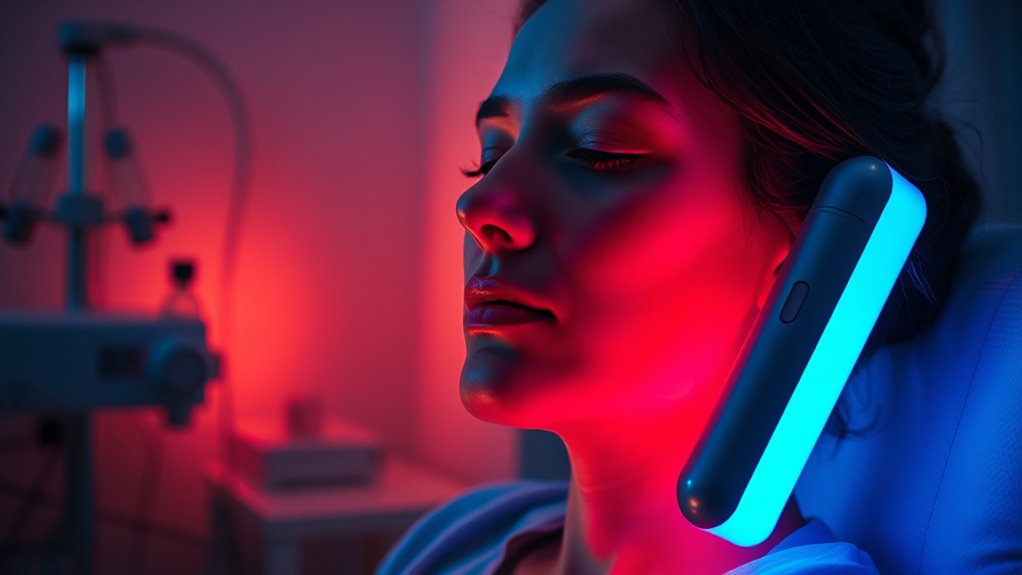
Light therapy has gained recognition for its potential to influence the immune system positively. When you’re exposed to certain wavelengths of light, it can help regulate your body’s internal clock, known as circadian rhythms. These rhythms control many biological processes, including immune function, hormone production, and sleep cycles. By aligning your circadian rhythms through proper light exposure, you can enhance your body’s natural defenses against infections and inflammation. During the day, exposure to bright, natural or artificial light signals your body to stay alert and boosts immune activity. Conversely, reducing light exposure at night supports melatonin production, which plays a role in immune regulation. This synchronization helps your immune system operate more efficiently, making you less vulnerable to illnesses.
Another key aspect of light therapy’s impact on immunity involves skin penetration. When you use specific wavelengths, such as red or near-infrared light, the light penetrates your skin to reach deeper tissues. This penetration isn’t superficial; it allows the light to influence cellular functions directly. For instance, it stimulates the mitochondria, the powerhouses of your cells, to produce more energy, which supports tissue repair and reduces inflammation. This process, known as photobiomodulation, can enhance immune cell activity by promoting healing and decreasing oxidative stress. Since skin penetration varies depending on the wavelength used, choosing the right light therapy device ensures you target the tissues most beneficial for immune support.
You might notice that these effects are subtle but cumulative. Regular sessions of light therapy can help keep your circadian rhythms in check, which is vital for maintaining a balanced immune response. The ability of certain wavelengths to penetrate the skin and reach underlying tissues amplifies the therapy’s benefits by directly activating immune-supporting mechanisms at the cellular level. This combination of circadian regulation and targeted skin penetration positions light therapy as a versatile option for boosting immunity naturally. Whether you’re seeking to improve sleep quality, reduce inflammation, or support overall health, understanding how light interacts with your body can help you harness its full potential. As research continues, you’ll likely find more ways to incorporate light therapy into your daily routine for immune resilience and better well-being.
red light therapy device for immune support
As an affiliate, we earn on qualifying purchases.
As an affiliate, we earn on qualifying purchases.
Frequently Asked Questions
Can Light Therapy Be Used to Treat Autoimmune Diseases?
Yes, light therapy, specifically photobiomodulation therapy, can be used to help treat autoimmune diseases. It promotes autoimmune modulation by reducing inflammation and supporting tissue repair. You might experience benefits such as decreased symptoms and improved immune regulation. While it’s not a cure, incorporating photobiomodulation therapy into your treatment plan could enhance your overall health and immune response, making it a promising complementary approach for managing autoimmune conditions.
Are There Any Long-Term Risks Associated With Photobiomodulation?
Think of photobiomodulation as a gentle tide—steady and soothing, but with potential risks lurking beneath. While current research suggests it’s generally safe, you should still consider potential risks and long-term safety. Prolonged use might cause skin irritation or eye strain, though serious risks are rare. Always follow recommended guidelines and consult a professional to minimize any long-term risks, ensuring your light therapy remains a safe, healing wave.
How Does Light Wavelength Influence Immune Response?
You should know that light wavelength plays a vital role in immune modulation because wavelength specificity determines how effectively light interacts with cells. Shorter wavelengths, like blue and UV, influence immune responses differently than longer wavelengths such as red and near-infrared. By targeting specific wavelengths, you can enhance immune activity or reduce inflammation, making wavelength selection essential for optimizing photobiomodulation therapy and achieving desired immune response effects.
Is Light Therapy Effective for Boosting Immunity in Elderly Populations?
Yes, light therapy can boost immunity in elderly populations. It helps regulate your circadian rhythm, improving sleep quality, which is essential for immune function. Additionally, exposure to specific wavelengths can stimulate vitamin D production in your skin, further strengthening your immune response. Regular light therapy sessions may reduce inflammation and enhance your body’s ability to fight infections, making it a promising approach for supporting elderly health.
What Are the Contraindications for Using Light Therapy?
You should prevent light therapy if you have skin sensitivity, as it can worsen irritation or cause burns. Also, check for medication interactions, especially photosensitive drugs like certain antibiotics or acne treatments, which can increase risks. If you’re pregnant or have a history of skin cancer, consult a healthcare professional before starting light therapy. Always follow guidelines and inform your provider about your medical history to ensure safety.
Conclusion
As you explore light therapy’s potential, remember the myth of Apollo’s healing rays—powerful yet gentle. Just as sunlight awakens life, photobiomodulation can invigorate your immune system, revealing resilience and vitality. Embrace this luminous approach, and you might find yourself stepping into a brighter, healthier future. Like the dawn dispelling darkness, light therapy offers a promising path to boost your immune response, inviting you to harness its subtle, transformative power.
Fall Picks
fall essentials
As an affiliate, we earn on qualifying purchases.