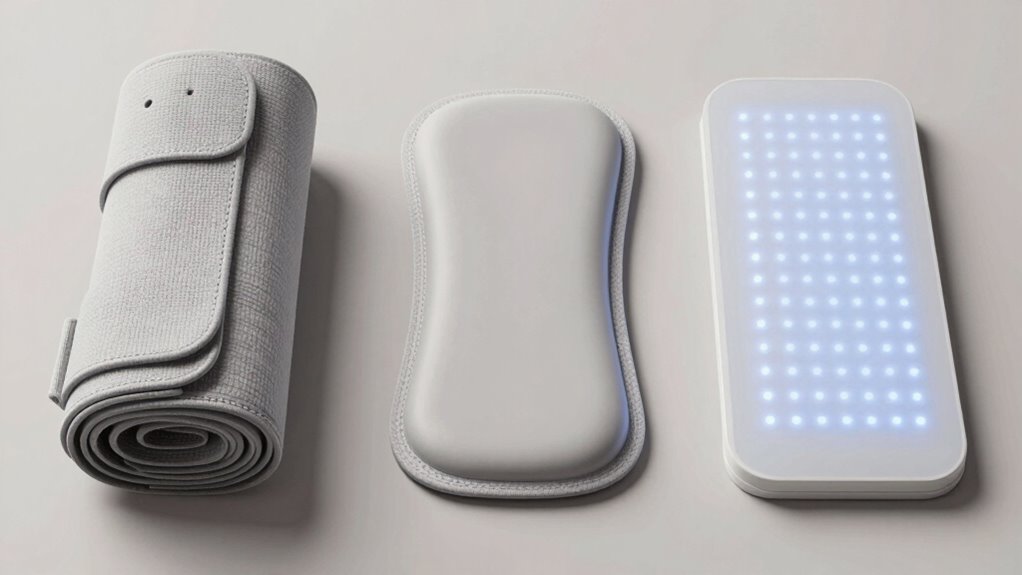

Choosing the right back pain device depends on your specific needs, pain type, and lifestyle. Wraps are flexible and ideal for targeted, localized relief, while pads offer easy-to-apply coverage for ongoing discomfort. Panels provide broader support for holistic relief, especially for chronic pain. Consider how you move and your daily routine to pick the best option. To discover which device suits you best and how to choose wisely, explore these details further.
Key Takeaways
- Wraps offer adjustable, targeted support and are ideal for localized pain or ergonomic fit during movement.
- Pads provide easy-to-apply, lightweight coverage suitable for ongoing discomfort and daily use.
- Panels deliver broader therapeutic areas, making them better for holistic or chronic pain management.
- Choose based on activity level, with wraps for precision, pads for portability, and panels for extensive coverage.
- Consider comfort, ease of use, and maintenance needs to select the device aligning with your pain type and lifestyle.
Which Back Pain Device Is Right for You? Comparing Wraps, Pads, and Panels
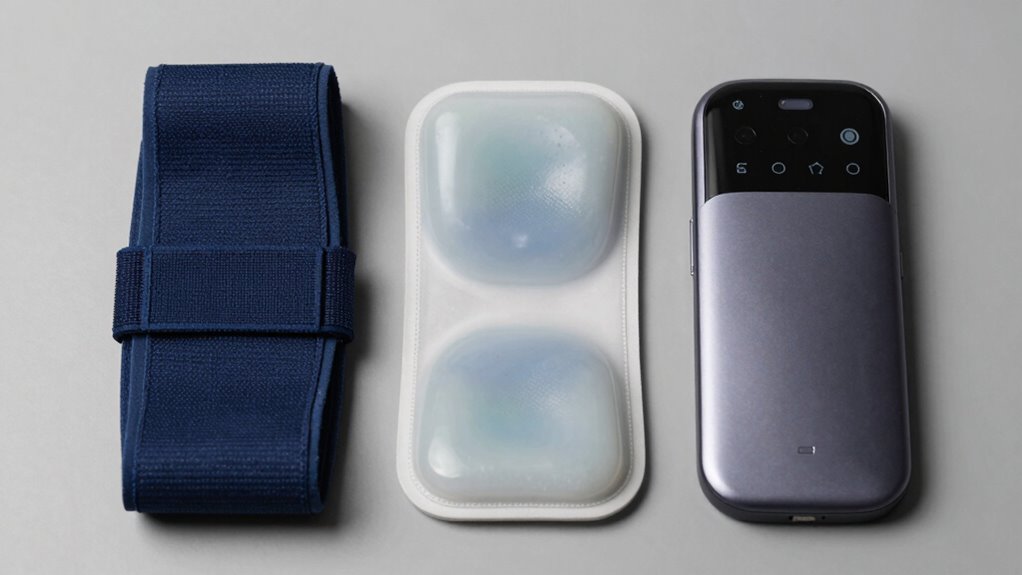
Choosing the right back pain device depends on your specific needs and preferences. When selecting between wraps, pads, and panels, consider their ergonomic design, which affects comfort and ease of use. A device with an ergonomic design ensures proper fit, reduces strain, and enhances your overall experience. Medical efficacy is also vital—look for devices proven to deliver relief through targeted heat, cold, or massage therapy. Wraps are flexible and conform to your body, ideal for localized pain. Pads provide consistent coverage and are easy to apply, making them suitable for ongoing discomfort. Panels offer a broader therapeutic area, perfect for holistic relief. Ultimately, balancing ergonomic design with proven medical efficacy helps you choose a device that effectively addresses your back pain. Additionally, ensure proper safety precautions are followed when using any heat therapy device to prevent injury or burns.
Do You Have Acute or Chronic Back Pain? How Your Needs Shape Your Choice
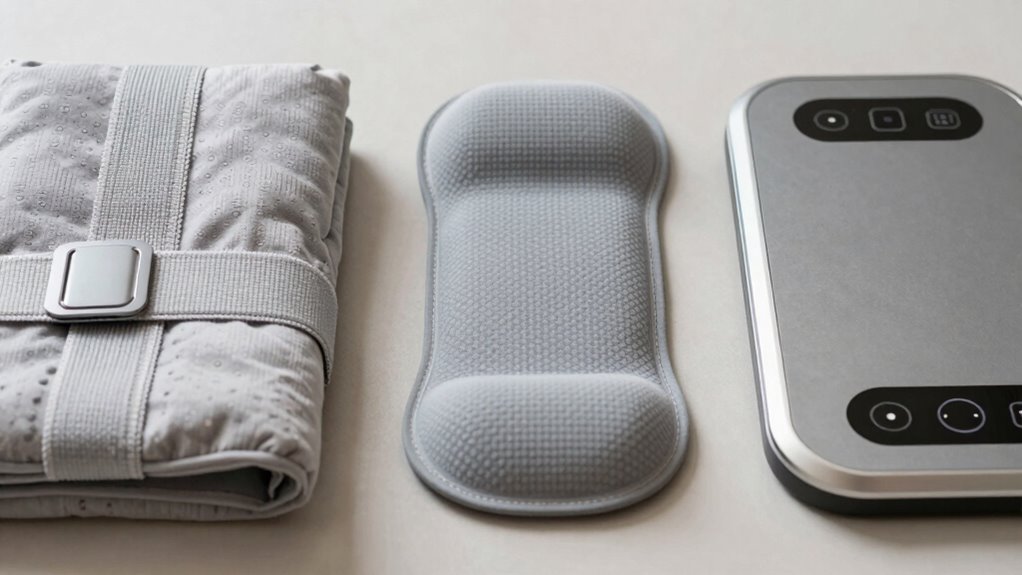
Knowing whether your back pain is acute or chronic helps you choose the right device. Your treatment goals and how flexible you need your device to be also matter. By understanding these differences, you can find a solution that best fits your needs. Additionally, considering back pain management strategies can enhance your understanding of available options. Exploring environmentally friendly craft ideas can also inspire sustainable choices in your daily life, reflecting a mindful approach to well-being. For instance, incorporating ergonomic principles from electric bike design can inform better device selection and usage. Recognizing the importance of piercing care and hygiene can also contribute to overall health and comfort.
Pain Duration Differences
Have you ever wondered why some back pain devices are better suited for certain types of pain? If your pain is recent, caused by muscle strain or a sudden injury, you likely have acute pain. In this case, devices offering quick relief, like wraps and pads, can help reduce inflammation and soothe tight muscles. On the other hand, if your pain persists over months or years, stemming from nerve compression or ongoing strain, you probably have chronic pain. For long-term relief, you might need devices that provide consistent support and promote circulation, like panels designed for sustained use. Understanding whether your pain is acute or chronic helps you choose a device that aligns with your needs and offers the most effective relief. Additionally, regular maintenance of your chosen device can ensure it remains effective and comfortable over time, especially considering the importance of supportive environments in managing persistent discomfort. Proper usage and ensuring device cleanliness are also essential for maximizing benefits and preventing infections or skin irritation.
Treatment Goals Alignment
Understanding whether your back pain is acute or chronic is essential for selecting the right device. If you’re dealing with acute pain, your goal is often pain relief and supporting healing, so a device focused on muscle soothing and temporary relief may suffice. For chronic pain, you might aim to improve ergonomic posture and promote muscle strengthening to prevent future issues. Your needs influence whether you choose a device that provides targeted relief or one that encourages better long-term spinal support. Clarifying your treatment goals helps ensure you select a device that aligns with your pain management strategy and supports your recovery or long-term well-being. Additionally, considering adjustable features can enhance the device’s effectiveness in addressing your specific pain pattern. Being aware of related device features can further optimize your choice for comfort and efficacy. Recognizing personal comfort preferences can also play a significant role in ensuring consistent use and better outcomes.
Device Flexibility Needs
Choosing the right back pain device depends heavily on whether your discomfort is temporary or ongoing. If you have acute pain, you might prefer a flexible device made from lightweight, breathable material that offers quick relief and easy adjustment. For chronic pain, durability and consistent support become vital, so a device with sturdy material that maintains flexibility over time is ideal. Your device material impacts user comfort, so consider how soft or rigid it feels against your skin. Flexible options can conform to your movements, ensuring comfort throughout daily activities. Conversely, less adaptable devices may provide more targeted support but might feel restrictive. Assess your pain pattern and activity level to select a device that balances flexibility with effective pain management, enhancing your comfort. Additionally, understanding your spirituality and mindset can help support your healing process by fostering positive thoughts and intentions. Incorporating mind-body approaches, such as meditation or visualization, can further complement your device choice and overall recovery. Recognizing the role of personal comfort preferences can help tailor your selection to suit your individual needs and improve adherence to treatment. Moreover, selecting a device with appropriate support features can optimize pain relief and ensure long-term comfort during use.
How Do Back Pain Wraps Work, and Who Should Use Them?
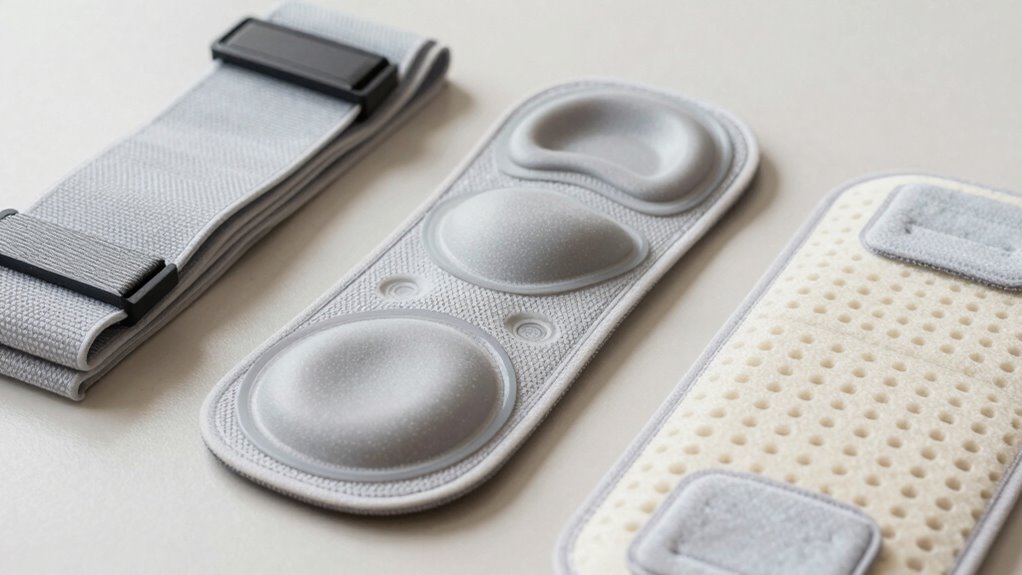
Back pain wraps work by applying targeted compression and often incorporating heat or cold therapy to soothe sore muscles and reduce inflammation. They promote muscle relaxation and support posture correction by stabilizing your back. These wraps are ideal if you experience localized pain, muscle tightness, or stiffness. You can imagine them as a snug, adjustable band that contours to your back, providing consistent pressure. Here’s a visual to help you picture it:
| Feature | Benefit | Usage Scenario |
|---|---|---|
| Targeted compression | Reduces inflammation | After strained movements |
| Heat therapy | Loosens tight muscles | During muscle tension |
| Cold therapy | Numbs pain, decreases swelling | Immediately after injury |
| Adjustable fit | Ensures proper pressure | For different body shapes |
| Support for posture | Maintains proper alignment | During long sitting sessions |
Additionally, selecting the appropriate back pain wrap depends on the watt-hours capacity and features suited to your specific needs. Understanding the different types of wraps can help you choose the most effective option for your condition. Moreover, choosing a wrap with the right material composition can influence comfort and effectiveness during use. Incorporating adjustable features can further customize fit and support, enhancing overall relief. Furthermore, being aware of the proper care and maintenance can extend the lifespan of your back pain device.
Are Back Pain Pads a Good Fit? Benefits and Limitations Explored
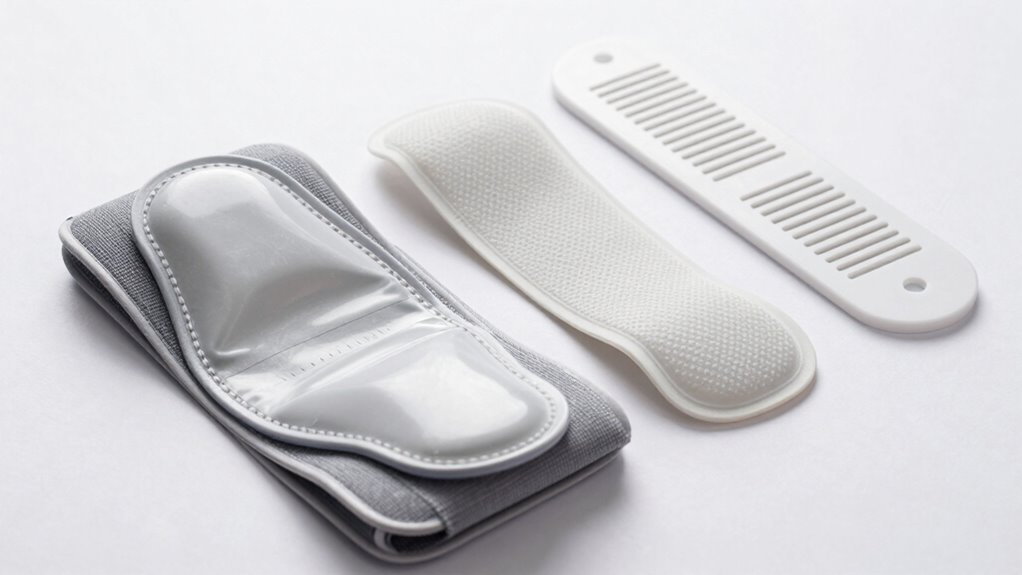
Back pain pads offer a targeted way to manage discomfort, complementing the functions of wraps with their focused cushioning and heat or cold therapy. They’re especially effective for promoting muscle relaxation in specific areas, helping ease tense muscles that contribute to pain. If you’re working on posture correction, pads can support proper alignment and reduce strain. Additionally, proper placement is crucial for maximizing their effectiveness and ensuring targeted relief. Properly designed smart lock systems can also enhance overall security when combined with localized pain relief devices. They are often made from comfortable, skin-friendly materials to ensure prolonged wear without irritation. Furthermore, choosing the right device type depends on your specific pain pattern and activity level, which can influence effectiveness. However, they may have limitations; for example, their smaller size means they might not cover larger pain zones, and they require proper placement to be effective. While pads excel at providing localized relief, they might not be suitable for long-term or severe pain without additional support. Overall, if your discomfort is localized and you need precise treatment, back pain pads could be a good fit.
What Are Back Pain Panels, and When Are They Most Effective?
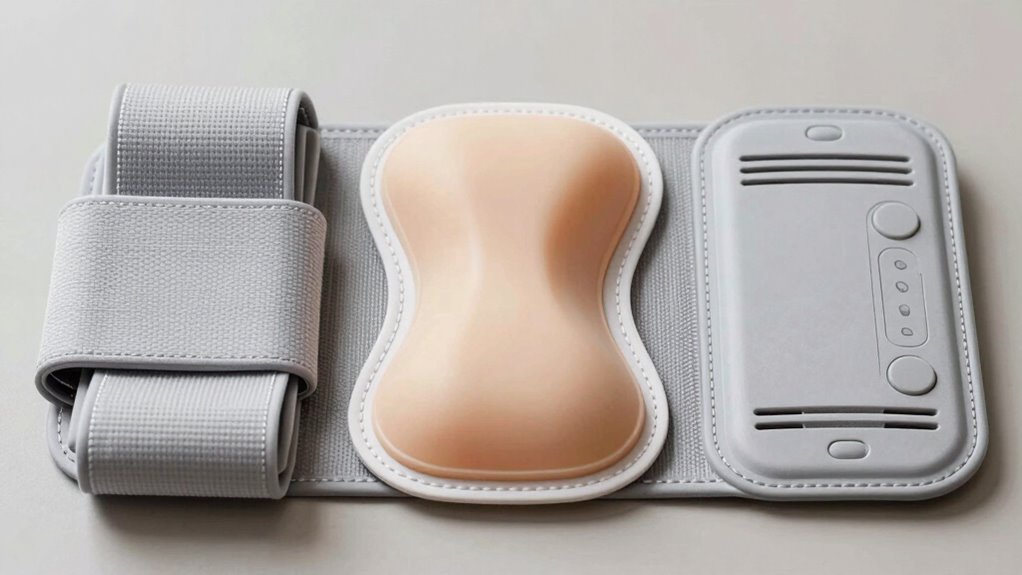
Back pain panels are all-encompassing devices designed to target multiple areas of the back with adjustable support, heat, or cold therapy. Their ergonomic design guarantees you get tailored relief while maintaining comfort during use. Made from durable materials, they withstand frequent adjustments and long-term wear. These panels are most effective when addressing prolonged back pain, post-injury recovery, or chronic discomfort that requires comprehensive coverage. They typically feature adjustable straps and multiple zones for personalized therapy, helping you focus on specific pain points. Use them when you need consistent, versatile support that adapts to your needs.
| Feature | Benefit |
|---|---|
| Ergonomic design | Customizable comfort and support |
| Material durability | Long-lasting, withstands frequent use |
| Multi-zone coverage | Target multiple pain areas simultaneously |
| Adjustable support | Personalized therapy for specific needs |
How Do Comfort, Coverage, and Ease of Use Differ Across Devices?
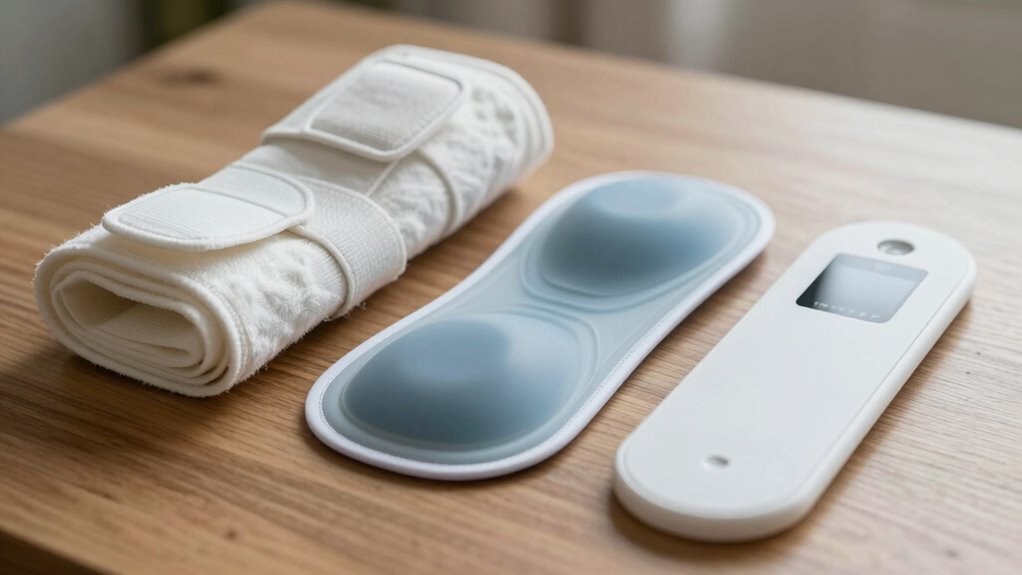
When choosing a back pain device, understanding how comfort, coverage, and ease of use vary can help you find the best option for your needs. Wraps often offer adjustable ergonomic design, enhancing comfort and allowing targeted coverage. Pads provide a simple, lightweight solution with quick application, making them easy to use daily. Panels typically feature larger coverage areas, offering more all-encompassing support but may require more effort to position correctly. Material durability differs across devices; wraps and panels usually use sturdy, long-lasting materials, while pads often rely on softer, more flexible fabrics. Your choice depends on balancing comfort with coverage needs and ease of application, ensuring the device supports your back effectively without causing inconvenience.
Which Device Fits Your Lifestyle and Preferences? A Practical Guide
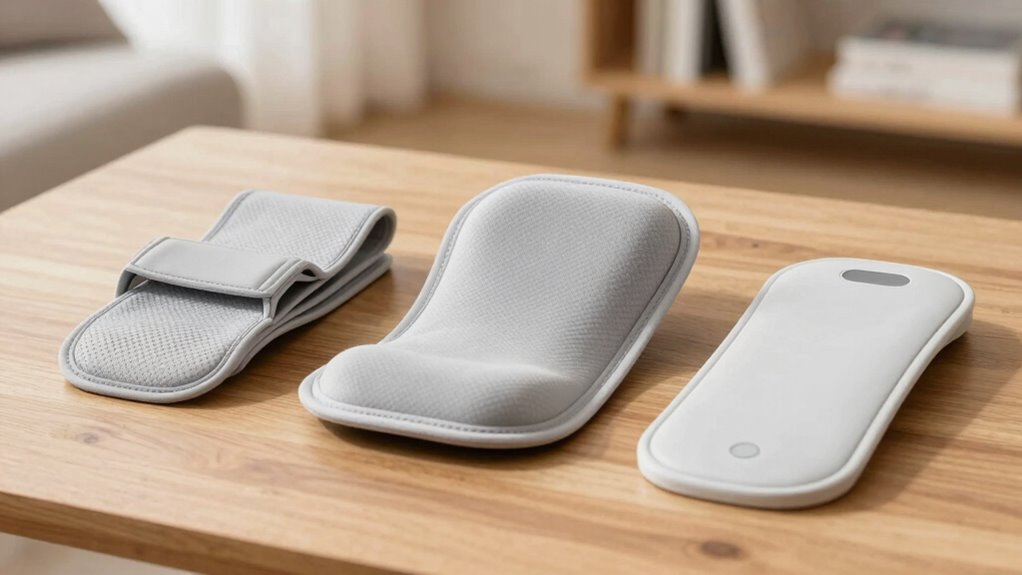
Choosing the right back pain device depends largely on your daily routine and personal preferences. If you prioritize maintaining an ergonomic posture during extended periods of sitting or standing, a device that offers targeted support, like a wrap or panel, might work best. For those focused on muscle strengthening, look for devices that encourage active engagement, helping you build core stability over time. Consider your activity level—if you’re active and on the go, a portable pad or panel could suit your lifestyle better than bulky wraps. Ultimately, select a device that integrates smoothly into your routine, encourages proper alignment, and supports muscle strengthening without sacrificing comfort or convenience. This guarantees consistent use and better long-term relief.
How Much Do Back Pain Devices Cost? Finding Options That Fit Your Budget

Back pain devices come in a range of prices, so you can find options that fit your budget. Some insurance plans may cover part of the costs, making them more affordable. You can also explore cost-effective alternatives that still provide relief without breaking the bank.
Affordable Price Ranges
Back pain devices come in a wide range of prices, making it possible to find options that fit different budgets. When exploring pricing options, you’ll see devices starting from affordable, budget-friendly choices to more advanced, premium models. Affordability considerations are essential, so it’s important to determine what features you need without overspending. Basic wraps or pads tend to be less expensive, often costing between $20 and $50, while more sophisticated panels with extra features can range from $100 to $300. Keep in mind that investing in a device that offers durability and effective relief might save you money long-term by reducing the need for frequent replacements. Comparing prices helps ensure you select a device that balances cost with the relief you seek.
Insurance Coverage Options
Understanding your insurance coverage can substantially impact how much you’ll pay for back pain devices. Review your insurance policies carefully to see what types of devices are covered and any requirements for approval. Coverage limits vary widely, so it’s essential to confirm whether your plan includes specific devices like wraps, pads, or panels. Some policies might cover a portion of the cost, while others could offer full reimbursement. Contact your insurer to clarify these details before making a purchase. Keep in mind that insurance coverage often depends on whether your healthcare provider recommends the device as medically necessary. By understanding your coverage options, you can better plan your budget and avoid unexpected expenses.
Cost-Effective Alternatives
Finding a back pain device that fits your budget doesn’t have to mean compromising on quality or effectiveness. Many affordable options feature ergonomic design, ensuring comfort and proper support without breaking the bank. Look for devices made with durable materials, so they last longer and provide reliable relief. You can find budget-friendly wraps, pads, or panels that still prioritize material durability, giving you value for your money. Comparing products based on their ergonomic features and build quality helps you choose an effective device that suits your financial situation. Remember, investing in a well-designed, durable device can save you money in the long run by reducing the need for frequent replacements. Affordable doesn’t mean sacrificing quality when you focus on these key factors.
How to Use and Maintain Your Back Pain Device Safely and Effectively

To guarantee your back pain device provides maximum relief and stays in good condition, it’s essential to use it correctly and follow proper maintenance routines. Always position the device to support an ergonomic posture, ensuring your spine remains aligned and muscles are properly engaged. Avoid over-tightening or applying excessive pressure, which can cause discomfort or damage. Regularly clean the device according to manufacturer instructions to prevent dirt buildup and maintain hygiene. Incorporate muscle strengthening exercises alongside device use to enhance long-term results. Store the device in a cool, dry place when not in use to prevent deterioration. Periodically check for wear and tear, replacing parts if necessary. Proper use and maintenance help optimize comfort, safety, and effectiveness over time.
Ready to Decide? Choosing the Best Back Pain Device for Long-Term Relief
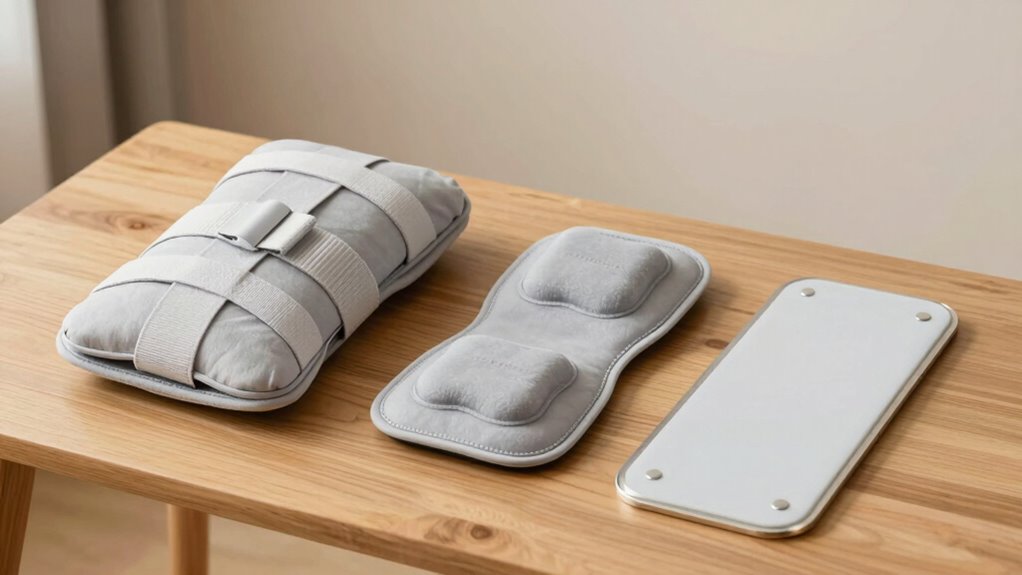
Choosing the right back pain device is essential for achieving lasting relief, so it’s important to take into account your specific needs and lifestyle. Focus on how ergonomic principles can guide your decision, ensuring the device supports proper posture correction and reduces strain. If you spend hours at a desk, a device that encourages active engagement and promotes spinal alignment might be best. For ongoing comfort, consider how easily you can integrate the device into daily routines. Look for features that enhance ergonomic support and facilitate long-term posture correction. Ultimately, selecting a device that aligns with your ergonomic needs will help prevent future pain and improve your quality of life. Take time to evaluate options, and choose the one that offers sustainable, long-term relief.
Frequently Asked Questions
Can These Devices Be Used During Daily Activities or Only at Rest?
You can use these devices during daily activities, not just at rest. They’re designed for mobility during activity, helping you manage pain while moving. Just guarantee device compatibility with your routine and avoid overly restrictive use that might hinder your movements. Always follow your healthcare provider’s instructions, and choose a device that offers comfort and support during your everyday tasks. This way, you stay active without compromising pain relief.
Are There Any Specific Medical Conditions That Contraindicate Device Use?
If you have certain medical contraindications, like skin allergies, infections, or circulatory issues, you should avoid using these devices. Medical contraindications can worsen your condition or cause adverse effects, so paying attention to device limitations is vital. Always consult your healthcare provider before starting use, especially if you have underlying health issues, to verify the device’s safety and effectiveness tailored to your specific needs.
How Long Should I Use a Device Each Day for Optimal Relief?
For ideal relief, you should follow the device’s duration guidelines, typically using it for 15-30 minutes per session, up to 2-3 times daily. Avoid overuse, as prolonged application can cause skin irritation or discomfort. Pay attention to your body’s signals and adjust accordingly. Consistent, moderate use helps maximize benefits while minimizing risks, ensuring you get the most out of your device without overdoing it.
Are There Any Potential Side Effects From Prolonged Use?
Prolonged use of back pain devices can lead to potential side effects like skin irritation and device dependency. Skin irritation happens if you wear the device too long or if it causes friction. Device dependency might develop if you rely on it excessively, reducing your natural pain management. To avoid these issues, follow recommended usage guidelines, take regular breaks, and consult your healthcare provider if you notice any adverse effects.
Do Insurance Plans Typically Cover Back Pain Device Purchases?
You might worry about affording back pain devices, but many insurance plans do offer coverage or device reimbursement. While coverage varies, checking with your insurer can reveal if your policy includes back pain devices, easing your financial burden. Don’t let cost hold you back — understanding your insurance options can help you access the relief you need without unnecessary stress. Reach out to your provider for personalized details today.
Conclusion
Choosing the right back pain device is like finding the perfect key to release relief. Whether you opt for a wrap, pad, or panel, consider your pain type, lifestyle, and budget. Remember, the right device isn’t just a quick fix but a steady anchor in your journey to comfort. Take your time, weigh your options, and you’ll find the tool that fits you like a glove, guiding you toward brighter, pain-free days ahead.