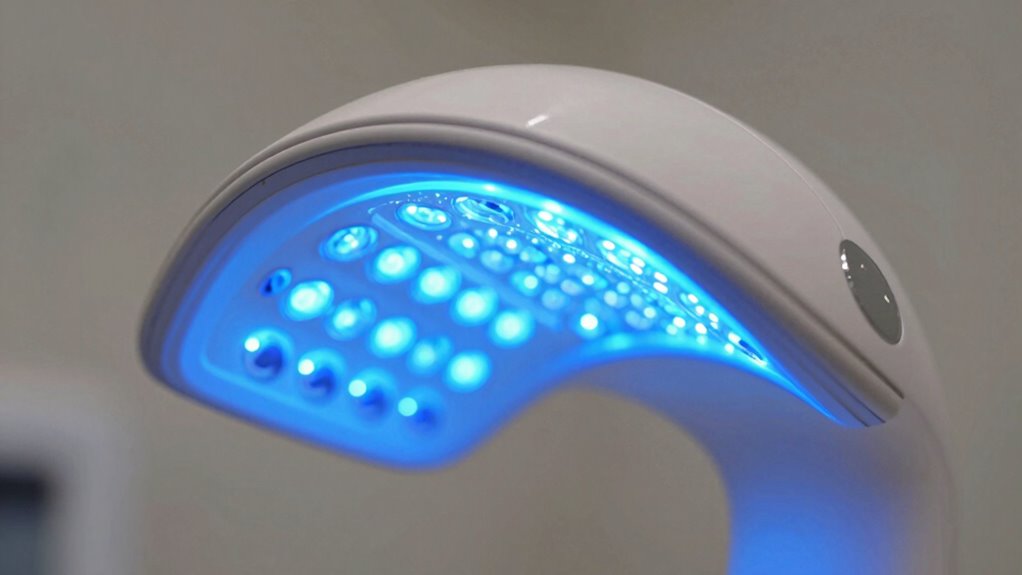

When a light therapy claims to “kill bacteria” for acne, it targets bacteria clogging your pores, helping reduce outbreaks. Blue and red lights activate specific wavelengths absorbed by bacteria’s internal structures, producing reactive oxygen species that kill them and promote healing. While effective at lowering bacteria and inflammation, it doesn’t guarantee perfect skin and works best as part of a broader treatment plan. To understand how these treatments fit your skin, keep exploring the details.
Key Takeaways
- “Kills bacteria” targets bacteria clogging pores, reducing their numbers and helping clear acne.
- Specific wavelengths of light activate bacteria’s internal structures, producing reactive oxygen species that destroy them.
- The therapy primarily reduces surface bacteria but may not eliminate all bacterial or deep pore issues.
- It helps decrease inflammation and oil production, supporting clearer skin but isn’t a complete solution.
- Effectiveness varies by individual skin response, treatment frequency, and device quality, often requiring complementary therapies.
What Does “Kills Bacteria” Mean in Light Therapy for Acne?
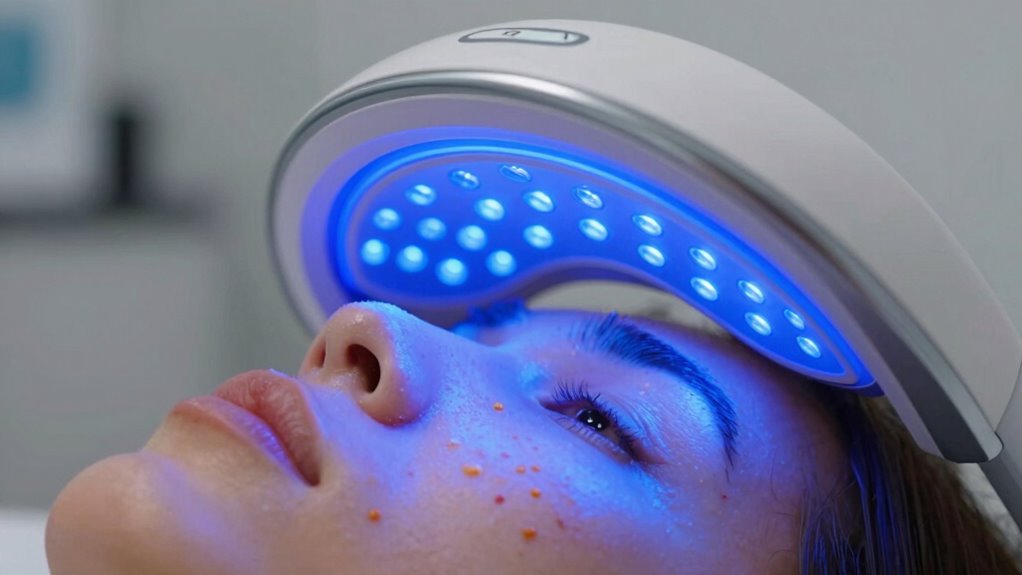
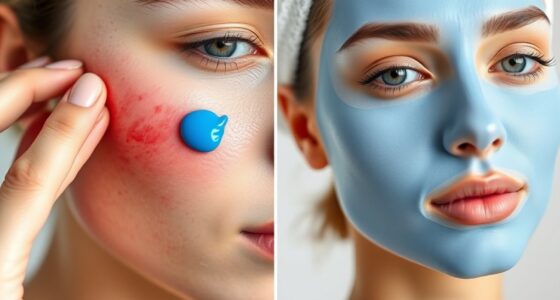
What does it really mean when light therapy claims to “kill bacteria” in the treatment of acne? Essentially, it targets the bacteria that clog your pores and contribute to breakouts. When this bacteria is reduced, pore cleansing becomes easier, helping to prevent future acne. Light therapy also plays a role in oil regulation by calming overactive sebaceous glands, which produce excess oil that traps dirt and bacteria. This process doesn’t just eliminate bacteria; it helps restore a healthier balance to your skin. The light penetrates deep into your pores, reducing inflammation and controlling oil production. Additionally, understanding the dream symbolism of time can offer a metaphorical perspective on the importance of early intervention and healing in skin care. By doing so, it creates a less hospitable environment for bacteria to thrive, ultimately supporting clearer skin and fewer breakouts over time. Recognizing the antibacterial effects of light therapy can help consumers understand how this treatment complements other skincare routines. Moreover, the specific wavelengths of light used in therapy are carefully selected to optimize bacterial destruction while minimizing skin irritation. Techniques that target bacteria with specific light wavelengths are designed based on their selective bactericidal action, ensuring that healthy skin cells are preserved during treatment. Understanding the mechanism of bacterial destruction emphasizes how targeted light therapy minimizes damage to surrounding tissues, making it a safe option.
How Does Light Therapy Target Bacteria to Reduce Acne?

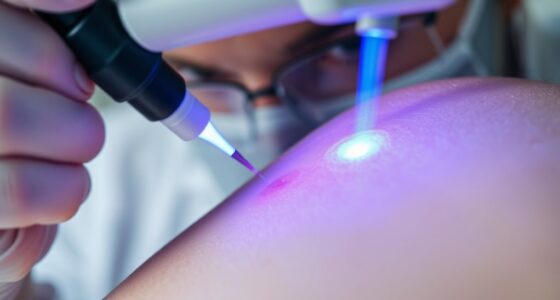
Light therapy targets bacteria in your skin by using specific wavelengths of light that are absorbed by the bacteria’s internal structures. When these wavelengths penetrate your skin, they activate the bacteria’s internal components, producing reactive oxygen species that kill the bacteria. This process helps reduce inflammation and prevents pore clogging, which can trap oil and dead skin cells. As bacteria die, they no longer stimulate excess oil production, a key factor in acne development. Additionally, understanding the role of NEAT in overall health can support skin healing and reduce stress-related breakouts. Research indicates that supporting your body’s natural defenses enhances the effectiveness of light therapy. Incorporating holistic health practices can further optimize skin recovery and resilience. Maintaining a balanced diet and adequate sleep can also boost immune function, aiding in faster healing. Recognizing the importance of immune health emphasizes how supporting your body’s natural defenses can improve treatment outcomes. This targeted approach helps clear existing acne and minimizes future breakouts, making your skin less prone to the cycle of pore clogging and oil buildup.
Which Lights Are Used to Kill Acne Bacteria? (Blue, Red, and More)
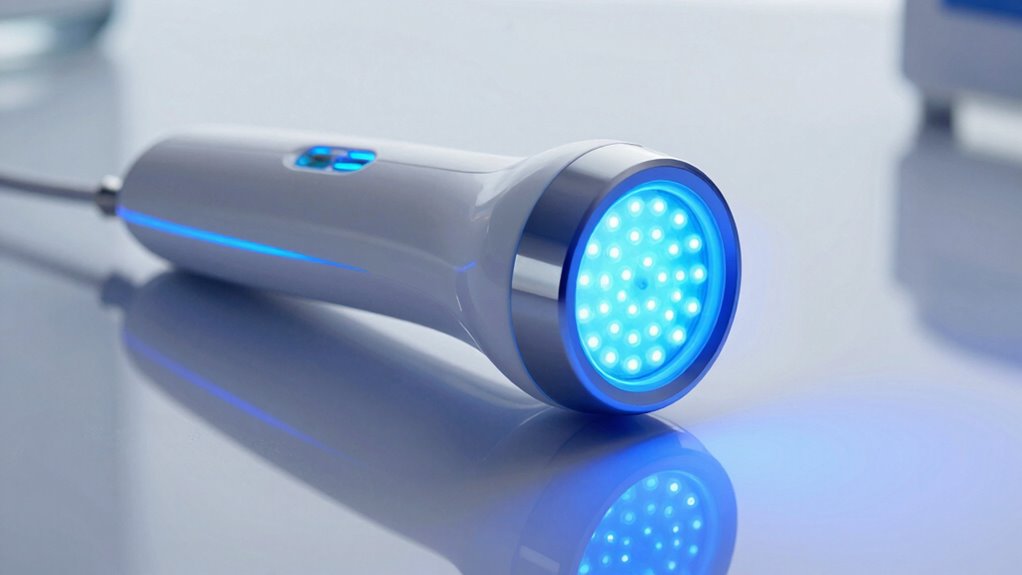
Blue light is well-known for its ability to target and destroy acne-causing bacteria effectively. Red light, on the other hand, offers benefits like reducing inflammation and promoting healing. Understanding how each type of light works helps you choose the best option for clearer skin.
Blue Light Efficacy
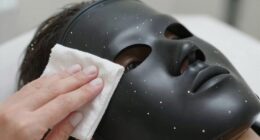
Since different wavelengths of light can target acne-causing bacteria, blue light therapy specifically uses certain blue hues to effectively combat these microorganisms. This wavelength penetrates the skin’s surface, helping with pore cleansing and oil control. Blue light’s efficacy depends on:
- Its ability to destroy *Propionibacterium acnes* bacteria directly.
- Reducing inflammation caused by bacteria.
- Decreasing excess oil production that clogs pores.
- Supporting clearer skin by preventing future breakouts.
- Its compatibility with natural pools that promote sustainable skincare practices.
Additionally, the specific wavelengths of light used in therapy are carefully selected to optimize bacterial destruction while minimizing damage to surrounding tissue. Precise light parameters are crucial for achieving optimal results without adverse effects. Effective measurement tools help ensure consistent treatment quality and safety during sessions.
Red Light Benefits
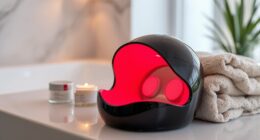
Red light therapy offers several benefits in the fight against acne by targeting bacteria and reducing inflammation. One key advantage is skin rejuvenation, which helps improve overall skin tone and texture. Red light penetrates deeper layers, stimulating collagen production and promoting healing. This deeper penetration allows it to effectively address issues like skin cell repair, which is essential for comprehensive skin recovery. Additionally, better understanding of light-wavelength interaction can help optimize treatment outcomes. This process can also address pigmentation issues, fading dark spots and uneven skin tone caused by acne scars. Unlike blue light, which mainly targets surface bacteria, red light works beneath the skin’s surface to enhance cellular activity and accelerate recovery. Regular treatments can lead to healthier, more resilient skin, reducing the appearance of scars and blemishes. Additionally, understanding the impact of light wavelengths on skin health helps optimize treatment outcomes. Moreover, the specific wavelengths used in therapy are crucial for maximizing the effectiveness of red light in acne treatment. Recognizing the beneficial effects of red light can guide users to achieve better results with their skincare routines. Overall, red light therapy not only kills bacteria but also supports skin renewal, making it a valuable tool in extensive acne treatment.
What Are the Limitations and Realistic Results of Bacterial Light Therapy?

Bacterial light therapy can only reduce acne bacteria to a certain extent, so it might not clear up all your breakouts completely. Your skin’s response can vary, meaning some people see better results than others. Keep in mind that the long-term benefits are uncertain, and repeat treatments may be needed for sustained improvement. Additionally, the effectiveness of this therapy may depend on light wavelength and technology, which influence how well bacteria are targeted and destroyed. Factors like treatment frequency also play a role in achieving optimal results. Understanding the mechanism of action behind light therapy can help set realistic expectations. Incorporating holistic SEO practices, such as well-structured content and credible sources, can help improve awareness about the therapy’s limitations and realistic expectations.
Bacterial Reduction Limits
While bacterial light therapy can effectively reduce acne-causing bacteria, its limitations mean you shouldn’t expect it to eliminate all bacteria or fully clear your skin. The therapy mainly targets surface bacteria, but deeper issues like pore deepening and excess oil production can persist. Keep in mind:
- It doesn’t address oil reduction beyond surface-level effects.
- Bacteria in deeper pores may remain unaffected.
- Skin’s natural flora might be disrupted, causing imbalance.
- Results vary based on individual skin response and severity.
- Treatment limitations highlight the importance of comprehensive skincare strategies.
- Understanding the scope of bacterial reduction helps set realistic expectations for this therapy.
This means bacterial light therapy is best used alongside other treatments for exhaustive acne management. It can improve inflammation and reduce bacteria temporarily, but it won’t fix underlying causes like excess oil or deep pore blockages. Realistic expectations help you avoid disappointment and maximize results.
Variable Skin Responses
Because skin responds differently to bacterial light therapy, your results can vary widely. Some people have increased skin sensitivity, leading to irritation or redness after treatments. Others may find that their skin tolerates the therapy well, but still see only modest improvements. Treatment frequency is also a factor; more frequent sessions don’t always mean better results and can sometimes cause adverse reactions. It’s important to listen to your skin and adjust the schedule accordingly. Remember, individual responses depend on factors like skin type, severity of acne, and overall skin health. While bacterial light therapy can be effective, it’s not a one-size-fits-all solution. Managing expectations and consulting with a skincare professional can help you optimize results while minimizing discomfort.
Long-Term Effectiveness
Although bacterial light therapy can provide noticeable improvements in acne, its long-term effectiveness has limitations. It primarily targets bacteria, but factors like hormonal influences and holistic skincare play essential roles in sustained results. Over time, bacteria can develop resistance or recolonize, reducing therapy effectiveness. Additionally, underlying issues such as hormonal fluctuations may cause acne to return despite treatment. To improve long-term outcomes, consider combining light therapy with other approaches. Keep in mind these limitations:
- Bacterial resistance can diminish effectiveness.
- Hormonal influences may trigger breakouts regardless of treatment.
- Holistic skincare is necessary for lasting results.
- Maintenance sessions are often required to sustain improvements.
Understanding these factors helps set realistic expectations for bacterial light therapy’s role in your acne management plan.
Does Killing Bacteria Guarantee Clear Skin?

Killing bacteria on your skin might seem like a straightforward way to clear up acne, but it doesn’t guarantee perfect results. Bacterial resistance can develop when bacteria survive treatment, making future infections harder to control. Plus, acne isn’t caused solely by bacteria; excess oil, dead skin, and inflammation play significant roles. Relying only on bacteria-killing treatments can overlook these factors. To truly improve your skin, consider alternative treatments that address multiple causes of acne. Light therapy that targets bacteria is helpful, but it shouldn’t be your only approach. Combining therapies, such as topical treatments, lifestyle changes, and proper skincare, offers a more holistic solution. Remember, clear skin often results from a balanced approach rather than just eliminating bacteria.
Is Bacterial Light Therapy Safe and Suitable for Your Skin?
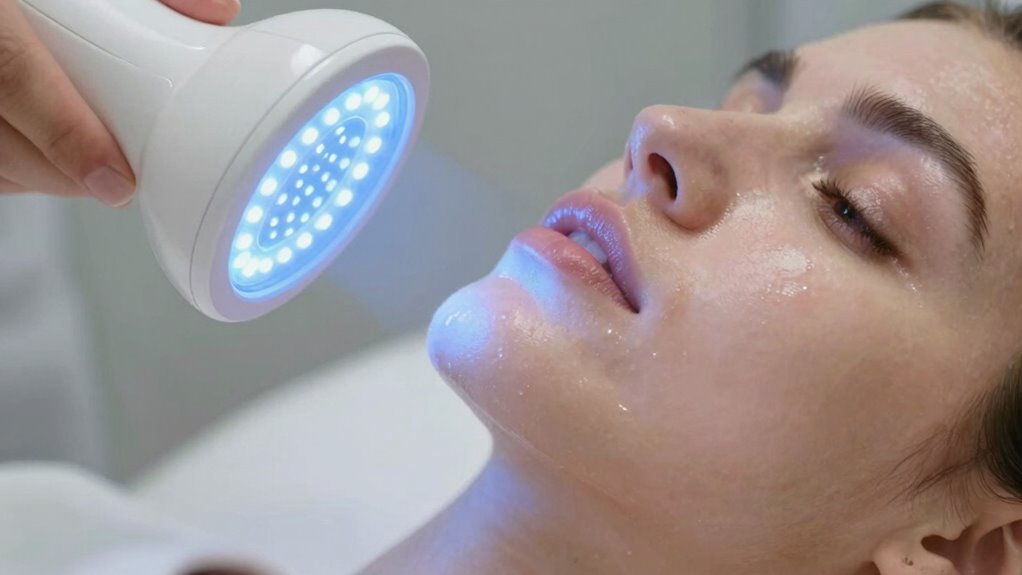
Bacterial light therapy is generally considered safe for most skin types, but it’s important to understand your individual skin needs before trying it. If you have sensitive skin, proceed cautiously and consult a dermatologist. Confirm the device you choose has proper safety certifications to prevent skin irritation or damage. Keep these points in mind:
- Skin sensitivity varies; perform a patch test first.
- Use devices approved by safety standards to avoid adverse reactions.
- Follow instructions carefully to avoid overexposure.
- If you notice redness or discomfort, discontinue use and consult a professional.
While most people tolerate bacterial light therapy well, understanding your skin’s response and choosing safe, certified devices ensures a safer experience tailored to your needs.
How to Choose the Best Light Device for Acne Bacteria Treatment

Choosing the right light device for treating acne-causing bacteria involves understanding your skin’s specific needs and selecting a device that delivers safe, effective results. First, check device compatibility with your skin type and acne severity to ensure it is suitable. Consider the wavelengths offered, such as blue or LED light, and confirm they target bacteria effectively. Additionally, pay attention to treatment frequency recommendations; some devices require daily use, while others may suggest several sessions per week. Consistency is key to seeing results. Always follow the manufacturer’s guidelines and consult a dermatologist if unsure. Selecting a device that aligns with your treatment schedule and skin needs will maximize benefits and help you achieve clearer skin safely.
Frequently Asked Questions
Can Bacterial Light Therapy Cause Side Effects or Skin Irritation?
Bacterial light therapy can cause side effects like skin sensitivity or allergic reactions, especially if you have sensitive skin. You might notice redness, dryness, or irritation after treatment. To mitigate these effects, follow your dermatologist’s instructions and avoid excessive exposure. If you experience persistent irritation or allergic reactions, stop treatment and consult your healthcare provider. Being aware of your skin’s response helps ensure safe and effective therapy.
How Long Does It Typically Take to See Results From Bacterial Light Therapy?
You’ll usually notice visible improvement from bacterial light therapy within 4 to 6 weeks of consistent treatment. The treatment duration varies depending on your skin’s response and the severity of your acne. To achieve the best results, follow your dermatologist’s recommended schedule, which often includes multiple sessions per week. Patience is key, but with regular treatments, you’ll start seeing clearer skin and reduced breakouts over time.
Is Bacterial Light Therapy Effective for All Types of Acne?
Imagine your skin’s battle against different acne types—bacterial, hormonal, or cystic. Bacterial light therapy shines brightly, targeting bacteria effectively, but its efficacy varies. It’s most effective for inflammatory acne caused by bacteria, yet less so for hormonal or cystic types. So, while it offers hope for some, it’s not a universal fix. You’ll want to consult a dermatologist to see if light therapy suits your specific acne concerns.
Are There Any Contraindications or Conditions That Prevent Using Light Therapy?
You should avoid light therapy if you have contraindications like active skin infections, open wounds, or recent sun exposure. Skin sensitivities, such as rosacea or eczema, may also make you more prone to irritation. Always consult your dermatologist before starting treatment to guarantee it’s safe for your specific condition. If you’re pregnant or on photosensitive medications, light therapy might not be suitable, so professional guidance is essential.
How Often Should Light Therapy Sessions Be Scheduled for Best Results?
You should schedule light therapy sessions based on your skin’s response and your dermatologist’s advice. Typically, a frequency scheduling of 2-3 sessions per week works well initially, with treatment duration lasting around 15-30 minutes per session. Over time, your provider may recommend adjusting the frequency to maintain results. Consistency is key, so sticking to the prescribed treatment duration helps optimize acne clearing and overall skin health.
Conclusion
While bacterial light therapy can help reduce acne, it’s not a guaranteed fix for everyone. If you’re worried about safety or effectiveness, talk to a dermatologist to see if it’s right for you. Remember, combining light therapy with good skincare and healthy habits offers the best results. Don’t expect overnight miracles—patience and consistency are key. With the right approach, you can improve your skin and boost your confidence.