To safely use a home phototherapy lamp for psoriasis, guarantee your device is properly calibrated and maintained regularly. Prepare your skin by moisturizing beforehand, and set up the lamp at the correct distance and angle to target affected areas. Always wear UV-protective eyewear and limit session durations to avoid overexposure. Keep the environment safe and your device clean. Following these safety basics helps prevent skin or eye damage, and there’s more to learn to make your treatment effective and safe.
Key Takeaways
- Regularly calibrate and maintain the UV lamp to ensure safe and effective treatment doses.
- Follow device instructions for proper setup, distance, and session duration to prevent overexposure.
- Wear UV-protective eyewear and use supports to ensure correct posture during therapy sessions.
- Monitor skin responses closely; stop treatment if redness, irritation, or discomfort occurs.
- Keep the device clean, dry, and inspect for damage regularly to maintain safety and performance.
Why Safety Is Critical When Using Home Phototherapy Lamps
When using home phototherapy lamps for psoriasis, safety is essential because improper use can lead to serious side effects. One key aspect is ensuring your lamp is properly calibrated to deliver the correct UV dose. Incorrect calibration can cause insufficient treatment or skin damage. Regular lamp calibration helps maintain safe and effective therapy. Additionally, maintaining skin hydration before and after sessions is crucial, as dry skin is more prone to irritation and burns. Proper hydration supports your skin’s barrier, reducing the risk of adverse effects. Proper lamp calibration ensures that you receive the right amount of UV exposure, minimizing potential harm. Always follow the manufacturer’s instructions and your healthcare provider’s guidelines. Never adjust the lamp’s settings without professional advice. Being aware of potential side effects and following safety protocols can help prevent complications. Ensuring your lamp is appropriately UV dose measurement can further help in achieving safe treatment. Prioritizing safety through correct calibration and skin hydration minimizes risks, ensuring your psoriasis treatment is both safe and effective. Awareness of early warning signs is also vital to identify any adverse reactions promptly.
How Your Phototherapy Device Works and Its Safety Features

Your phototherapy device works by emitting controlled doses of ultraviolet (UV) light to target psoriasis plaques and reduce inflammation. To guarantee it delivers the correct amount of light, the device undergoes regular calibration, which maintains accurate UV output and prevents overexposure. Traceability in quality assurance ensures that each device’s calibration history is documented and verifiable, supporting consistent performance. Safety features are built-in to protect you during use; these include automatic timers that shut off the device after your session, and sensors that detect skin contact to prevent accidental exposure. Many devices also have adjustable intensity settings, allowing you to customize treatment based on your skin’s response. Proper device calibration and safety features work together to make sure your treatment is both effective and safe, giving you confidence in managing your psoriasis at home. Additionally, understanding UV light safety protocols and other wellness concepts can also support your overall health and treatment success. Regularly reviewing device maintenance procedures can help ensure ongoing safety and optimal performance. Incorporating proper user training can further reduce risks and improve treatment outcomes.
Preparing Your Skin and Environment for Safe Light Therapy
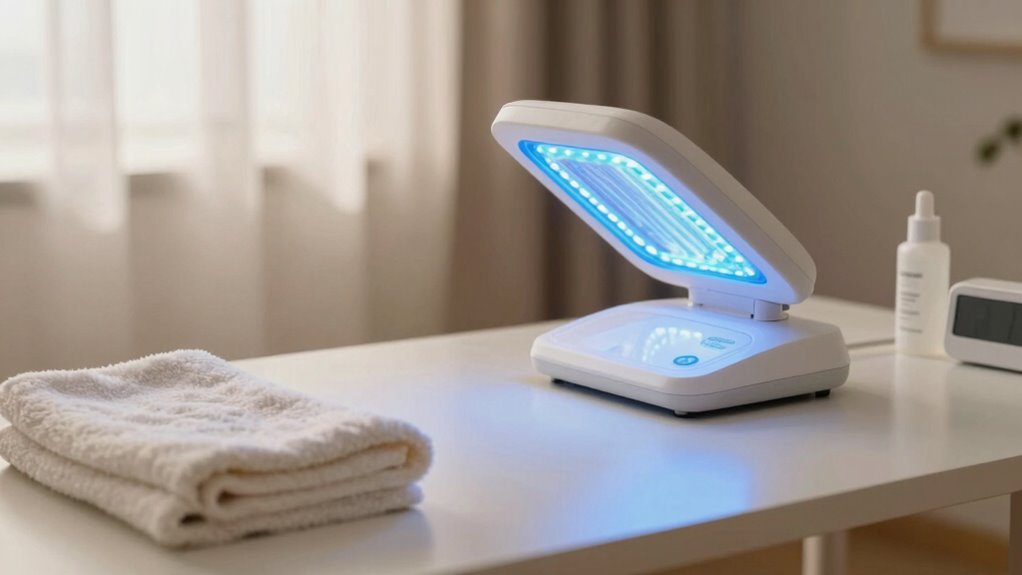
Preparing your skin and environment before light therapy is essential to guarantee safe and effective treatment. Proper skin hydration helps prevent irritation, so drink plenty of water and use moisturizer if needed. Confirm your environment has suitable lighting to avoid glare and distractions, creating a calm setting. Additionally, maintaining indoor air quality can help ensure a comfortable and healthy space during treatment. Good connectivity options can facilitate access to support or telehealth consultations if needed. Ensuring microplastics in dust are minimized can also contribute to a cleaner, healthier environment during therapy sessions. You may also want to consider UV exposure risks to further protect your skin from unintended harm. Regularly checking for environmental hazards can help create a safer space during your therapy sessions. Here’s a quick guide:
| Step | What to Do | Why It Matters |
|---|---|---|
| Hydrate Your Skin | Apply moisturizer or drink water | Prevents dryness and irritation |
| Check Lighting | Adjust environmental lighting | Reduces glare, improves focus |
| Clean Skin | Gently wash the treatment area | Removes oils and dirt, enhances safety |
| Remove Distractions | Turn off bright or flashing lights | Ensures focus and safety |
| Prepare Space | Clear the area of clutter | Creates a safe, calming environment |
Setting Up and Positioning Your Phototherapy Lamp Correctly
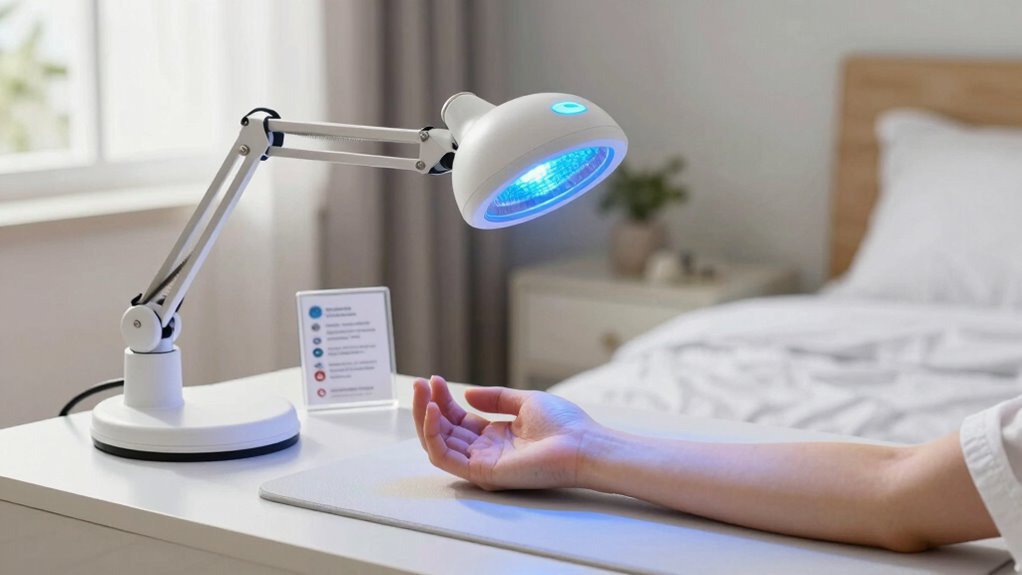
To get the best results, you need to set up your phototherapy lamp at the right height and position your body correctly. Make sure the lamp is neither too close nor too far away, and maintain consistent session times. Proper setup guarantees safe, effective treatment with minimal side effects. Additionally, understanding lighting safety guidelines can help prevent accidental overexposure and ensure optimal therapy outcomes. Being aware of work-life balance principles can also reduce stress associated with treatment routines and improve overall well-being. Ensuring your environment has proper ambient lighting conditions can further enhance the safety and effectiveness of your therapy sessions. Paying attention to device maintenance can also prolong the lifespan of your lamp and maintain consistent performance.
Optimal Lamp Height
Finding the correct lamp height is vital for effective phototherapy treatment. The lamp height determines the amount of UV light your skin receives, making ideal positioning essential. To find the right height, start by consulting your device’s instructions or your healthcare provider’s recommendations. Generally, the lamp should be positioned at a distance that delivers a consistent and adequate dose without risking overexposure. Use a ruler or measuring tape to set the lamp at the specified height, typically between 12 to 24 inches from your skin. Ensure the lamp is stable and secure to prevent accidental shifts. Proper lamp height maximizes treatment effectiveness while minimizing side effects, so take your time to set it accurately. Understanding UV dosage can help you optimize your phototherapy sessions safely.
Correct Body Positioning
Positioning your body correctly is crucial to guarantee your skin receives the proper amount of UV light during phototherapy. Good posture correction ensures the targeted areas are properly exposed, maximizing treatment effectiveness. Stand or sit steadily to prevent unnecessary movement that could lead to uneven UV distribution. Keep your body relaxed to enhance patient comfort during the session, which helps you stay still and avoid accidental overexposure. Adjust your position so the affected skin faces the lamp directly, maintaining a safe distance as recommended. Use supports or chairs if needed to maintain a consistent posture throughout the session. Remember, proper body positioning not only improves treatment results but also reduces the risk of side effects caused by improper exposure. Additionally, being aware of cybersecurity tactics can help safeguard your personal health information when managing your treatment records online. Maintaining awareness of UV safety precautions is essential to prevent overexposure and skin damage during your therapy sessions. Ensuring proper mechanical setup of your lamp is also vital for consistent and safe treatment outcomes. Regularly inspecting your equipment for damage or wear can prevent malfunctions that might compromise safety and effectiveness.
Consistent Session Duration
Setting a consistent session duration is essential for maximizing the effectiveness of your phototherapy treatment. To do this, you need to track your session frequency carefully, ensuring you don’t overexpose or under-treat your skin. Consistent timing helps your body adapt and reduces the risk of side effects. Before each session, verify that your device is properly calibrated to deliver the correct amount of UV light. Proper device calibration ensures you’re receiving the right dosage, which supports steady progress. Keep a log of your session durations and monitor your skin’s response, adjusting if necessary. By maintaining a routine with precise session lengths, you optimize treatment outcomes and stay on track with your psoriasis management plan.
How Long Should You Use the Phototherapy Lamp Each Session?
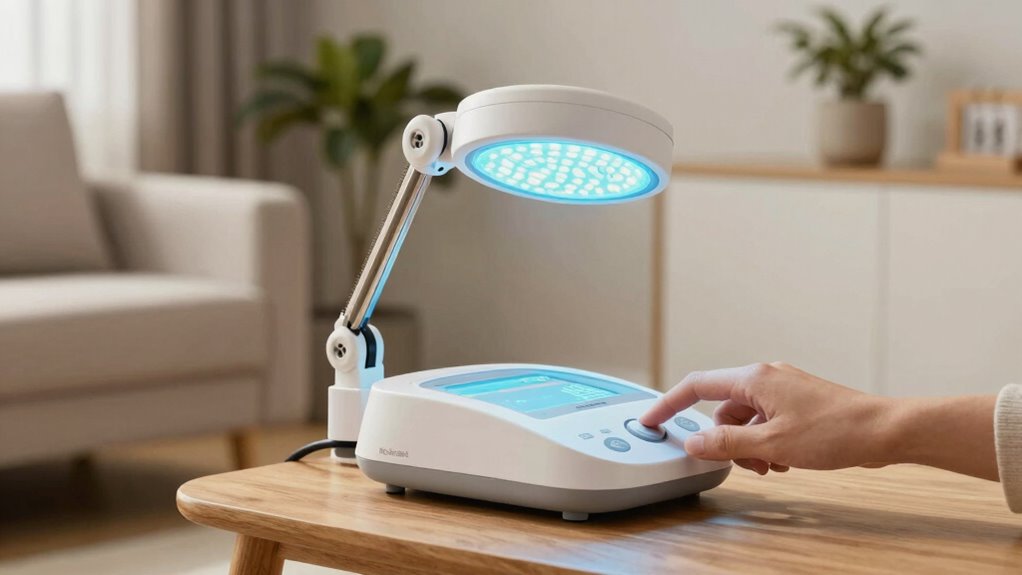
Determining the right duration for each phototherapy session is essential to effectively treat psoriasis while minimizing risks. Your lamp duration and session length depend on your skin type, psoriasis severity, and your doctor’s recommendations. Typically, start with short sessions and gradually increase as advised. Keep in mind:
- Overexposure can cause burns or skin damage
- Underexposure may lead to ineffective results
- Follow your prescribed lamp duration carefully
- Consistency is key to progress
- Always monitor your skin’s response during each session
Adjustments should be made only under medical supervision. Using the correct session length ensures safe, effective treatment without unnecessary risks. Remember, the goal is to find a balance that maximizes benefits while protecting your skin. Proper phototherapy timing can enhance treatment outcomes and reduce side effects. Additionally, understanding safe exposure levels is crucial to prevent adverse effects and optimize healing. Being aware of recommended session durations helps ensure you get the most benefit without compromising safety.
Common Safety Risks and How to Avoid Them
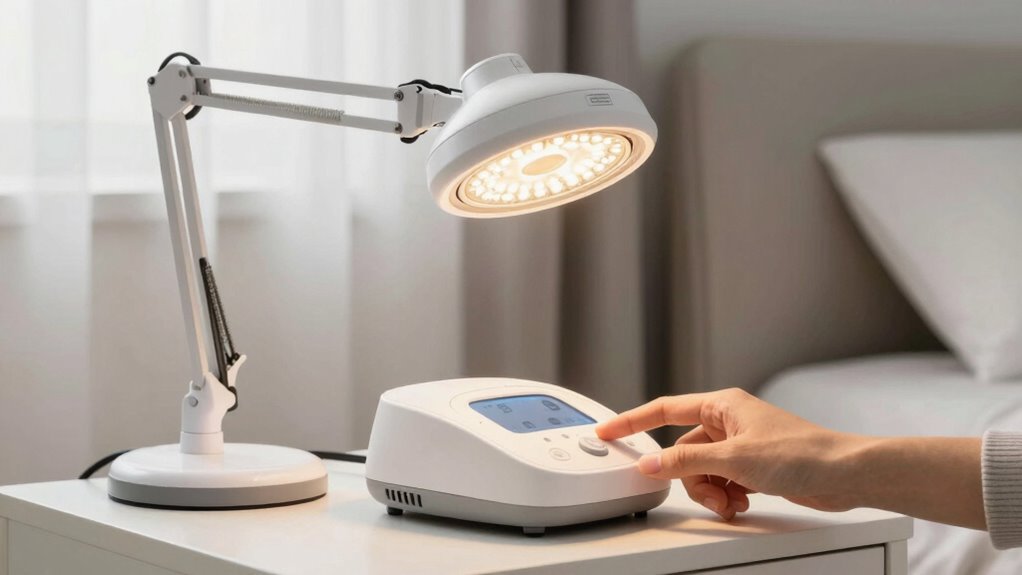
To stay safe during phototherapy, you need to focus on proper lamp placement to target treatment areas accurately. Avoid overexposure by sticking to recommended session times, and always wear protective eyewear to shield your eyes from harmful UV rays. Taking these precautions helps minimize risks and guarantees a safer treatment experience.
Proper Lamp Placement
Proper lamp placement is essential to guarantee safe and effective phototherapy sessions for psoriasis. Correct lamp positioning ensures consistent light exposure and prevents uneven treatment. To enhance safety, keep the lamp at the right distance and angle, avoiding direct eye exposure. Remember to:
- Maintain recommended distance between lamp and skin
- Position the lamp to evenly cover affected areas
- Keep the lamp stable during sessions
- Avoid placing the lamp too close, which can cause overexposure
- Adjust the lamp angle to target specific patches accurately
Proper lamp placement minimizes skin irritation risks and maximizes treatment benefits. Always follow your device’s instructions for ideal lamp positioning, and double-check your setup before each session to ensure the light exposure is safe and effective.
Avoid Overexposure Risks
Overexposure during phototherapy can lead to skin irritation, burns, or increased risk of long-term skin damage. To prevent this, carefully follow your treatment schedule and avoid exceeding the recommended UV exposure time. Keep track of your sessions, and don’t rush through them, as prolonged UV exposure increases the chance of adverse effects. Always adhere to your lamp’s guidelines, and be mindful of your skin’s response. If you notice redness, soreness, or discomfort, stop treatment immediately and consult your healthcare provider. Remember, more UV exposure isn’t better; it can cause significant skin damage over time. By controlling your UV exposure and respecting your skin’s limits, you reduce the risk of complications and ensure safe, effective phototherapy.
Use Protective Eyewear
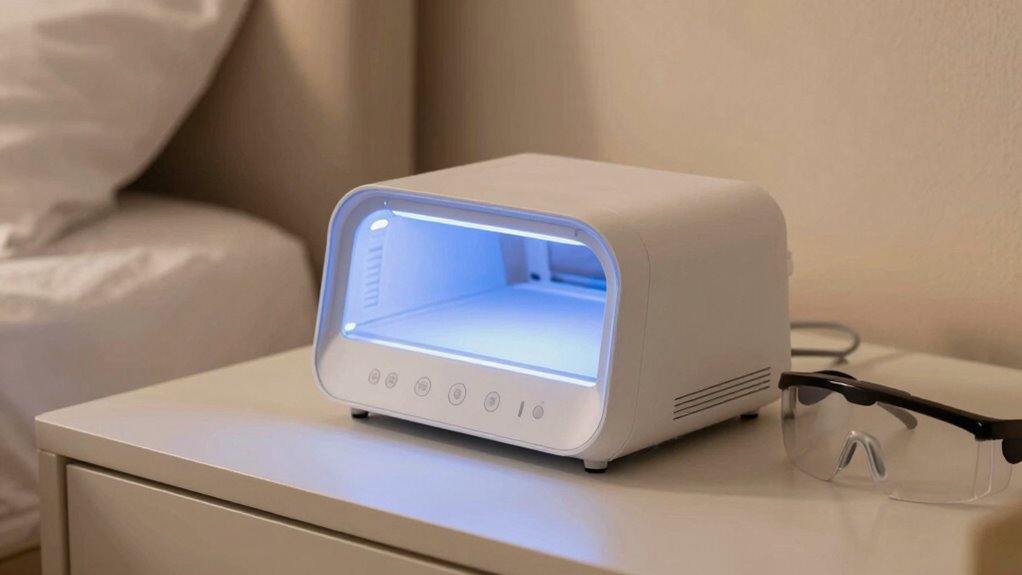
Have you considered how exposure to UV light can affect your eyes during phototherapy? Protecting your eyes is essential for safe treatment. Always wear proper protective eyewear designed for UV protection to guarantee eye safety. Without it, you risk short-term discomfort or long-term damage.
Remember:
- Use certified protective eyewear every session
- Replace damaged or scratched eye covers promptly
- Keep eyewear clean to maintain effectiveness
- Don’t remove eyewear during UV exposure
- Follow manufacturer instructions for proper use
Investing in good protective eyewear is a simple step that greatly reduces safety risks. Your eyes are sensitive, and taking precautions ensures your treatment remains safe and effective. Prioritize eye safety by consistently using protective eyewear during phototherapy.
Why Eye Protection Is Essential During Light Therapy
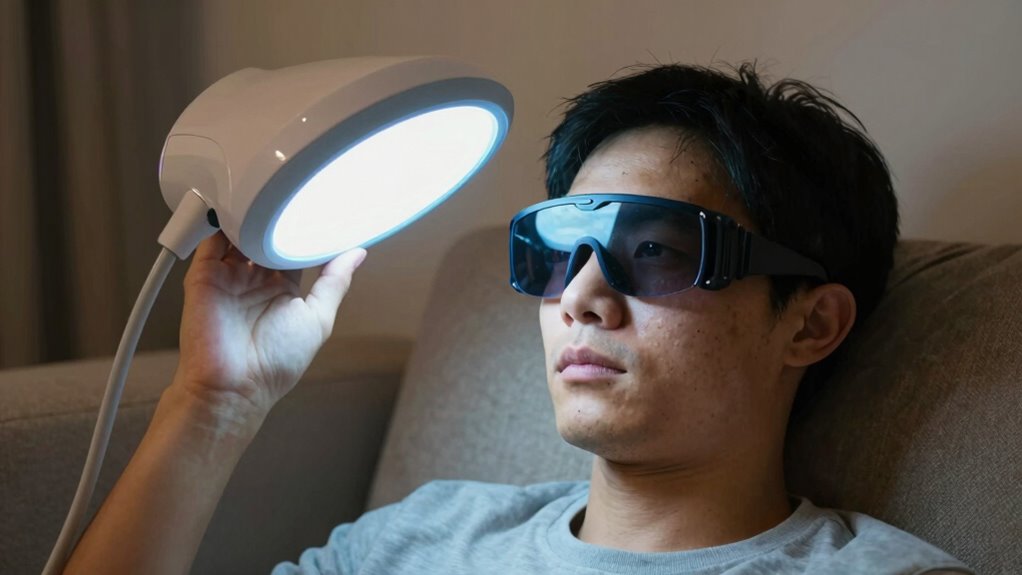
Since light therapy involves exposing your skin to intense ultraviolet or visible light, safeguarding your eyes is essential to prevent damage. UV rays can harm your eyes, leading to conditions like photokeratitis or long-term vision issues. Wearing protective eyewear ensures eye safety during treatment sessions. Without proper protection, even brief exposure can cause discomfort or injury.
| Importance of Eye Protection | Types of Protective Eyewear |
|---|---|
| Prevents UV damage | Goggles, safety glasses |
| Reduces risk of injury | Wraparound designs |
| Ensures safe treatment | UV-blocking lenses |
Always wear the recommended protective eyewear to keep your eyes safe while enjoying the benefits of light therapy.
How to Monitor Your Skin’s Response and Know When to Stop
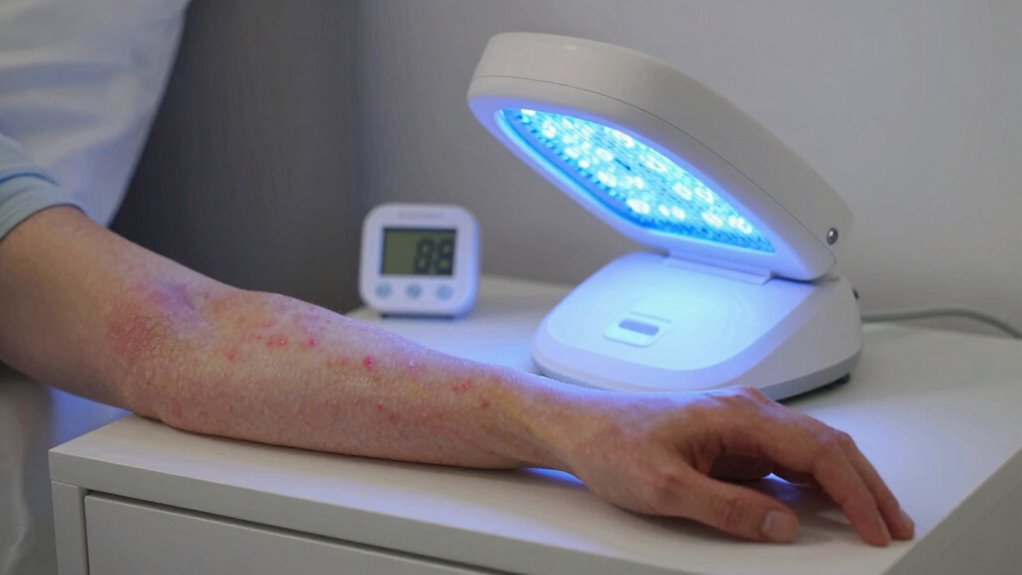
Monitoring your skin’s response during light therapy is essential to guarantee safe and effective treatment. Keep an eye out for signs of skin irritation, such as redness, burning, or peeling. Regularly assess how your skin reacts after each session to prevent overexposure. Make sure your device is properly calibrated to deliver consistent, safe doses of light. If you notice persistent irritation or worsening symptoms, it’s time to stop or adjust your treatment. Remember, overdoing it can cause long-term skin damage.
To help you stay on track:
- Check for unusual redness or swelling
- Track any discomfort or pain
- Follow your prescribed treatment schedule
- Ensure your device calibration is accurate
- Consult your healthcare provider if concerns arise
Cleaning and Maintaining Your Home Phototherapy Lamp for Safety
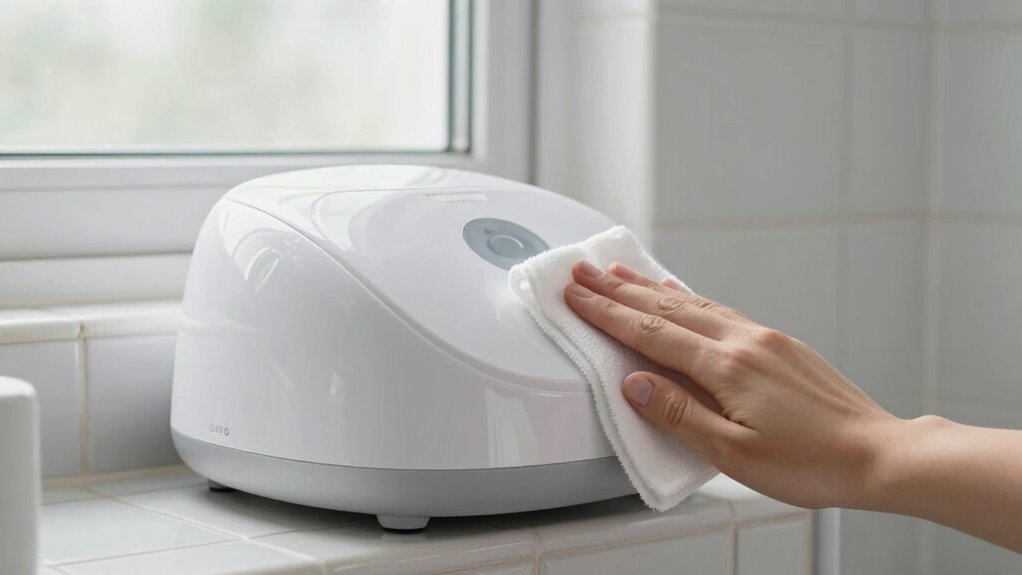
Keeping your home phototherapy lamp clean and well-maintained is essential to guarantee safe and effective treatment. Regular lamp cleaning prevents dust and residue buildup that could affect UV output. Device maintenance ensures all parts function properly and safely. Always unplug the device before cleaning, using a soft, damp cloth to wipe the lamp surface. Avoid harsh chemicals that may damage components. Check the lamp’s filters and bulbs periodically, replacing them as recommended. Here’s a quick guide:
| Step | Action | Frequency |
|---|---|---|
| 1 | Clean lamp surface | Weekly |
| 2 | Inspect bulbs & filters | Monthly |
| 3 | Check for damage | Monthly |
| 4 | Keep device dry | Always |
Proper lamp cleaning and device maintenance keep your treatment safe and effective.
When to Consult Your Healthcare Provider About Safety Concerns
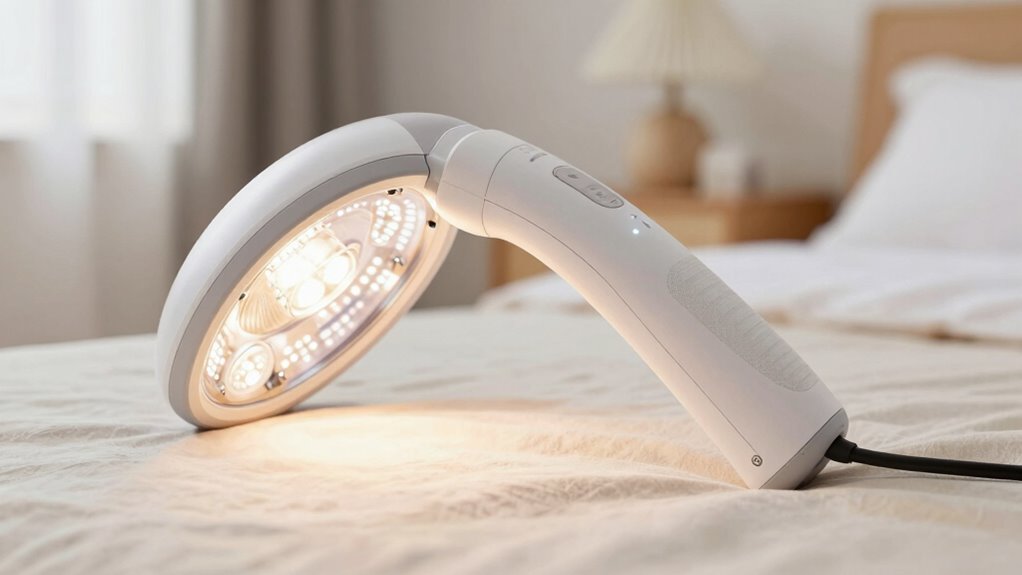
It’s important to contact your healthcare provider promptly whenever you notice any unusual or worsening skin reactions, such as severe redness, blistering, or pain, during phototherapy treatment. If you experience medication interactions that increase sensitivity or cause side effects, seek advice immediately. Also, if your skin becomes increasingly irritated or you notice signs of infection, don’t hesitate to reach out. Remember, emotional support is crucial if the treatment affects your mental well-being or causes anxiety.
Be alert to these warning signs:
- Severe skin redness or blistering
- Increased pain or discomfort
- Unexpected side effects from medications
- Signs of infection
- Emotional distress or anxiety
Prompt consultation ensures safe, effective therapy and peace of mind.
Frequently Asked Questions
Can Children Safely Use Home Phototherapy Lamps for Psoriasis Treatment?
Children should not use home phototherapy lamps for psoriasis treatment without strict pediatric safety measures and medical supervision. You need to restrict child exposure, as their skin is more sensitive and vulnerable to damage. Always consult your child’s healthcare provider before considering phototherapy at home. They can assess risks, recommend safe protocols, and ensure proper use, protecting your child’s health and preventing potential adverse effects.
Are There Specific Brands or Models Recommended for Safety and Effectiveness?
You should look for brand recommendations that prioritize safety certifications, such as FDA approval or UL listing, to guarantee your home phototherapy lamp is safe and effective. Popular brands with positive reviews often meet strict safety standards, so research and choose models with proven track records. Always check for clear instructions, proper UV dose controls, and consult your dermatologist before starting treatment to minimize risks.
How Do I Recognize if My Lamp’s UV Output Is Malfunctioning or Unsafe?
Think of your UV lamp as a delicate orchestra, where every note must be perfect. To spot device malfunction signs, regularly check for uneven UV output or unexpected brightness. If the lamp flickers, produces a strange smell, or feels hotter than usual, it’s time for UV lamp maintenance. These signs indicate your device might be unsafe, so always follow safety guidelines and consult a professional if in doubt.
What Should I Do if I Accidentally Overexpose My Skin During a Session?
If you accidentally overexpose your skin, stop the session immediately and rinse the area with cool water to soothe irritation. Apply a moisturizer or aloe vera to help reduce skin irritation. Keep an eye on the affected area; if you notice blistering, severe pain, or swelling, seek emergency steps like contacting your healthcare provider promptly. Always follow your doctor’s advice to prevent further skin damage.
Are There Any Long-Term Safety Concerns With Daily Home Phototherapy Use?
Long-term effects from daily home phototherapy are generally minimal if you follow safety guidelines. However, overexposure can increase your risk of skin aging and skin cancer. To guarantee daily safety, stick to your prescribed schedule, use proper protective gear, and consult your dermatologist regularly. This proactive approach helps minimize potential long-term health concerns and keeps your treatment safe and effective over time.
Conclusion
Remember, just like tending a delicate garden, your skin needs gentle care and proper tools. When you follow safety tips—using the right distance, duration, and protection—you’ll see your psoriasis improve without risking harm. I once heard of someone who rushed into home phototherapy without care, only to experience burns. Don’t be that person. Approach your treatment like nurturing a precious plant—attentively, cautiously, and with respect for its needs. Your safe journey to clearer skin starts here.