One common mistake that makes joint light therapy less effective is ignoring your skin’s sensitivity and overextending session durations. Pushing sessions too long can cause irritation, redness, and discomfort, which may discourage you from sticking with the treatment. It’s essential to start with shorter sessions, monitor your skin’s response, and follow recommended guidelines. Properly managing exposure and environment helps guarantee better results. Keep these tips in mind to get the most benefit from your therapy.

Get wellness gear delivered free with Prime
- Fast, free delivery on millions of items
- Prime Video, Amazon Music and more included
- Member-only deals all year
Key Takeaways
- Overexposing skin during joint sessions can cause irritation, reducing overall treatment effectiveness.
- Ignoring skin sensitivity may lead to discomfort, discouraging consistent participation in therapy.
- Extending session length beyond recommended times increases risk of skin or eye strain, diminishing benefits.
- Poor air quality or inadequate ventilation can cause fatigue, decreasing session efficacy.
- Failing to monitor skin response and adjust exposure can result in adverse reactions, lessening therapy outcomes.
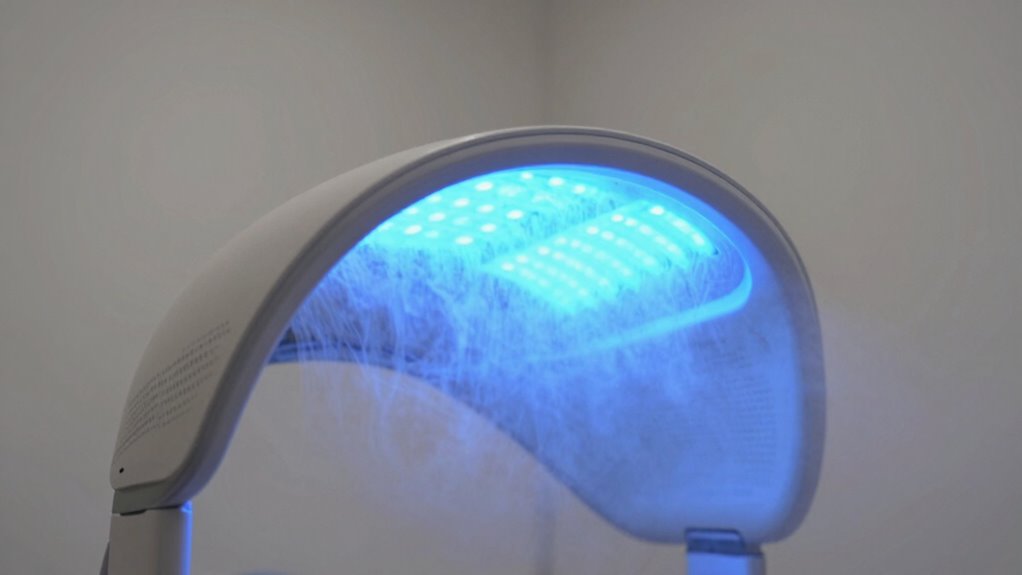
When it comes to skin sensitivity, you might not realize how delicate your skin can be, especially if you have a history of reactions to light or skincare products. If you expose your skin to light therapy for too long or too close, you risk irritation, redness, or even burns. It’s important to start with shorter sessions and monitor how your skin responds. If you notice any discomfort, reduce the exposure time or increase the distance between the light source and your skin. Ignoring skin sensitivity can lead to unnecessary discomfort and might deter you from sticking with your treatment plan.
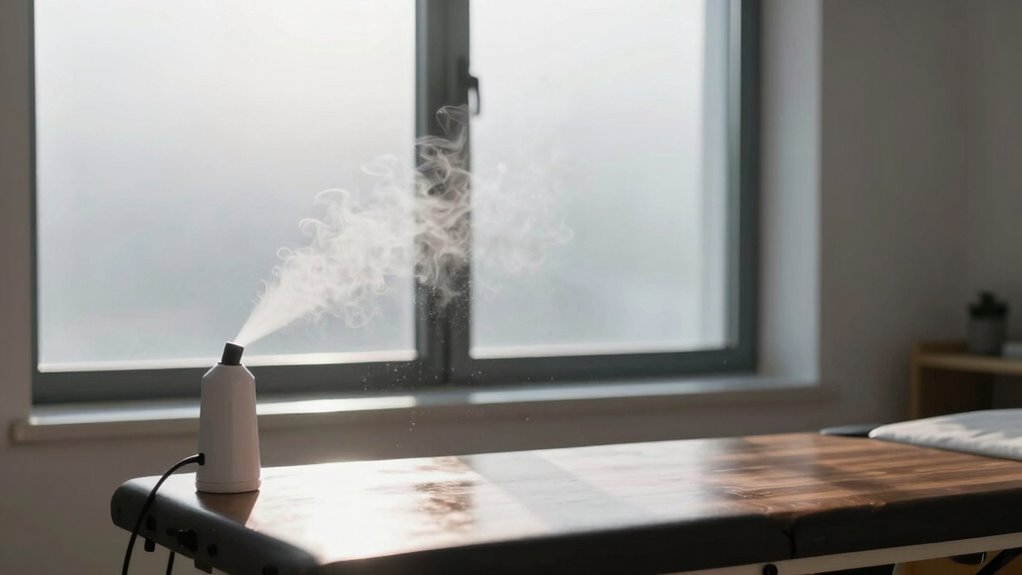
Session duration is another *vital* factor that many people underestimate. While it might seem convenient to extend your sessions for faster results, doing so can actually be counterproductive. Excessive exposure can cause eye strain, headaches, or skin irritation, especially if you’re not following recommended guidelines. Most light therapy devices specify *ideal* session lengths, often around 20-30 minutes. Sticking to these guidelines helps *assure* you get the benefits without overdoing it. Conversely, too-short sessions may not deliver enough light to be effective, so finding the right balance is key. Additionally, considering the importance of proper ventilation and air quality can help optimize your overall treatment environment, reducing potential side effects like headaches or fatigue caused by poor indoor air. Ensuring good air circulation can also enhance comfort during your sessions. Being mindful of your skin’s response can further prevent adverse effects and promote better results. Incorporating proper skin care routines before and after sessions can also support skin health and minimize irritation. Moreover, maintaining optimal air quality can prevent unnecessary discomfort and improve the overall effectiveness of your therapy.
light therapy device for skin sensitivity
As an affiliate, we earn on qualifying purchases.
As an affiliate, we earn on qualifying purchases.
Frequently Asked Questions
Can Light Therapy Be Harmful if Misused?
Yes, light therapy can be harmful if misused, especially without paying attention to UV safety and skin sensitivity. If you overexpose yourself or use the wrong settings, you risk skin irritation, burns, or damage. Always follow professional guidelines, limit exposure time, and protect sensitive skin areas. Proper use minimizes risks and guarantees you get the benefits without adverse effects. Remember, moderation and caution are key.
How Long Should Each Session Last for Optimal Results?
For ideal results, each light therapy session should last about 20 to 30 minutes, depending on your specific device and needs. You should aim for consistent session duration to maximize benefits. The key is to follow recommended guidelines for your device to guarantee optimal timing without overexposure. Stick to the suggested session length, and you’ll likely see better outcomes without risking side effects or diminishing returns.
Is Light Therapy Effective for All Joint Types?
In the blink of an eye, you’ll see that light therapy isn’t a one-size-fits-all for every joint type. Its effectiveness depends on the specific joint and condition. Some joints, like knees and elbows, respond well, while others might not see the same benefits. To maximize therapy effectiveness, tailor the session to your joint type, and consult a professional to determine if light therapy suits your unique needs.
What Are Common Signs of Incorrect Light Therapy Use?
You’ll notice signs of incorrect light therapy use if the light intensity feels too weak or causes discomfort, and if you skip sessions or don’t follow a consistent schedule. These issues can reduce effectiveness and slow recovery. Make sure the light intensity is appropriate for your needs, and stick to a regular session routine. Consistency helps your body adapt and maximizes the therapy’s benefits, ensuring better joint health over time.
How Often Should Joint Light Therapy Sessions Be Scheduled?
You should schedule joint light therapy sessions about two to three times a week, striking a perfect balance between consistency and overdoing it. The irony is, more isn’t always better—overuse can diminish results. Focus on ideal frequency and proper session scheduling to guarantee each session maximizes benefits. Keep a steady rhythm, and your joints will thank you for the thoughtful approach, rather than risking burnout or ineffective outcomes.
Conclusion
If you keep making this one light therapy mistake, you might as well be throwing your money into the fiery pits of the sun! Imagine wasting hours, energy, and hope on joint sessions that barely scratch the surface of their potential. Don’t let a simple oversight turn your healing journey into a frustrating nightmare. Fix this mistake now, and watch your results skyrocket—it’s like flipping a switch from darkness to blazing brilliance!
Cold & flu season Picks
humidifiers
As an affiliate, we earn on qualifying purchases.