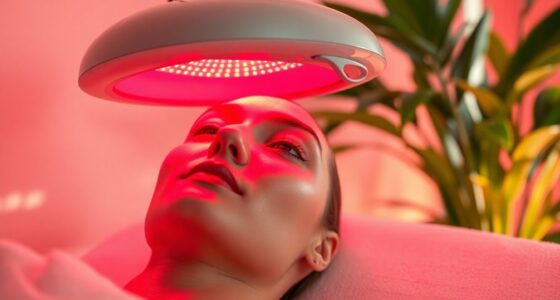
If you have acne-prone skin, blue light is great for targeting surface bacteria and reducing active breakouts quickly, while red light penetrates deeper to promote healing, boost collagen, and improve skin texture over time. Blue light is ideal for fast action without deep skin disruption, but red light helps support your skin’s overall renewal. To find out how combining both can optimize your skincare efforts, stay tuned for more details.

Get wellness gear delivered free — and shop member deals
- Fast, free delivery on millions of items
- Access to Prime Big Deal Days deals on October 6–7
- Prime Video, Amazon Music and more included
Key Takeaways
- Red light promotes deep skin healing, collagen production, and reduces inflammation, making it suitable for overall skin rejuvenation.
- Blue light targets surface bacteria like Propionibacterium acnes, effectively reducing active acne lesions.
- Combining red and blue light can provide comprehensive treatment: bacteria elimination and skin regeneration.
- Red light is gentle and ideal for sensitive or inflamed skin, while blue light offers quick bacterial control.
- Using both therapies optimizes acne management with minimal side effects and supports long-term skin health.
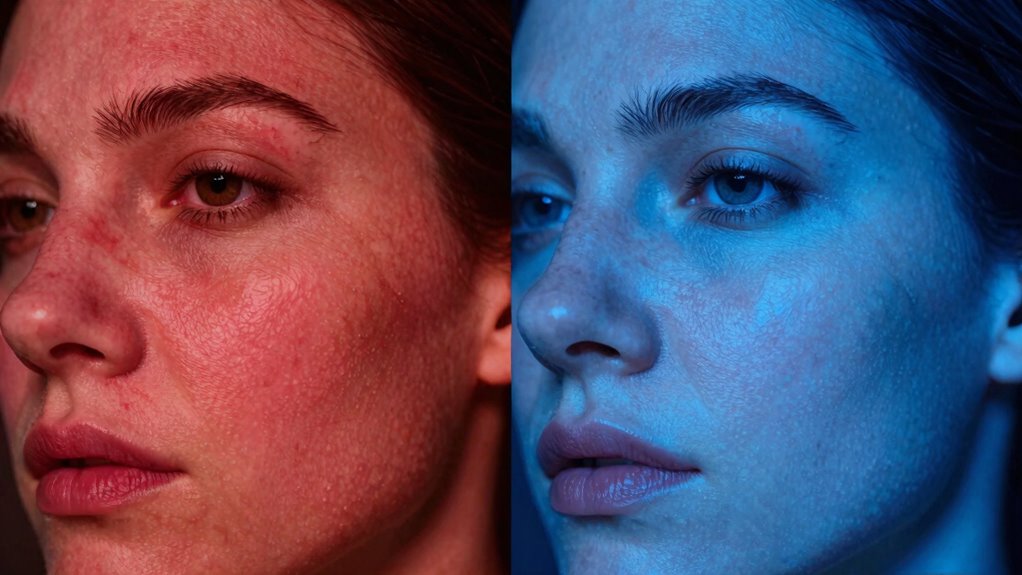
If you’re struggling with acne as an adult, you might have heard about red and blue light therapy as potential treatments. These options have gained popularity because they’re non-invasive and can target acne-causing bacteria and inflammation. Both use specific wavelengths of light to improve skin health, but they do so in different ways. Understanding how each works can help you decide which might be better suited for your skin needs.
Red light therapy penetrates deeper into your skin, reaching the layers where inflammation and skin cell repair happen. It’s often used to promote healing, reduce redness, and improve overall skin texture. This makes it particularly appealing if your skin is sensitive or easily irritated. Since red light therapy is gentle, it tends to cause fewer side effects, even for those with delicate skin. Many clinics use laser therapy devices that emit this wavelength, and you might notice improvements in skin tone and reduced inflammation after a few sessions. However, because it penetrates deeply, some people with very sensitive skin might experience mild irritation or redness initially, so it’s important to start with shorter treatments and monitor your skin’s response. Additionally, some studies suggest red light therapy can stimulate cellular activity, promoting skin renewal and healing. This process can also support skin regeneration, which is vital for maintaining healthy skin. Moreover, red light therapy’s ability to penetrate deeply can enhance collagen production, contributing to a firmer, more youthful appearance. As research continues, understanding the mechanisms of light therapy can further optimize its benefits for skin health.
Blue light therapy targets the surface level of your skin, specifically focusing on killing the bacteria responsible for acne, namely Propionibacterium acnes. It works by activating molecules within the bacteria, causing them to die off without harming your skin’s surface. This makes blue light an excellent choice for controlling active breakouts. It’s generally safe and well-tolerated, but if you have skin sensitivity or a tendency to develop redness, you might find blue light causes temporary dryness or slight irritation. Since blue light is less invasive and doesn’t involve heat or deep penetration, it’s a good option if you want a quick, targeted treatment without risking too much disruption to your skin barrier. Both types of light therapy can be combined effectively for comprehensive acne management, especially when tailored to individual skin responses.
red light therapy device for acne
As an affiliate, we earn on qualifying purchases.
As an affiliate, we earn on qualifying purchases.
Frequently Asked Questions
Can Red or Blue Light Treatments Cause Skin Irritation?
Red or blue light treatments can cause skin irritation if you have increased skin sensitivity. While generally safe, they might lead to temporary redness or mild discomfort, especially if you’re prone to photo damage. It is crucial to follow proper guidelines and start with shorter sessions. If you notice persistent irritation, consult a dermatologist, as excessive exposure could worsen skin sensitivity or cause unwanted photo damage.
How Long Does It Take to See Results From Light Therapy?
Most people notice improvements in skin condition within 4 to 6 weeks of consistent light therapy. You should expect to see visible results after about 8 to 12 treatment sessions, depending on your skin’s response. Regular treatment frequency, usually 2-3 times weekly, promotes faster skin rejuvenation and clearer skin. Stay patient and committed, as consistent use enhances your chances of achieving noticeable, long-lasting results.
Are There Any Side Effects From Repeated Light Treatments?
Repeated light treatments are generally safe, but you might experience side effects like mild skin irritation or redness due to light penetration. Skin pigmentation could also be temporarily affected, especially in individuals with darker skin tones. These effects usually diminish quickly after treatment. To minimize risks, follow your practitioner’s guidelines, and avoid overexposure. If you notice persistent side effects, consult a dermatologist promptly.
Can These Treatments Be Combined With Other Acne Medications?
Yes, you can typically combine light treatments with other acne medications, but it’s crucial to take into account medication interactions and treatment compatibility. Some topical or oral medications may increase sensitivity or cause irritation when paired with light therapy. Always consult your dermatologist before combining treatments to guarantee safety and effectiveness. They can guide you on the best approach, minimizing risks and maximizing your acne-fighting results.
Is Light Therapy Safe for Sensitive Skin Types?
Sure, light therapy is generally safe, but if you have sensitive skin or light sensitivity, proceed with caution. It’s like giving a gentle hug to a delicate flower—sometimes it’s just too much. You might experience redness or irritation. Always consult your dermatologist first, start with shorter sessions, and monitor how your skin reacts. Remember, even the gentlest light can be too harsh for sensitive skin types.
Conclusion
While it might seem tempting to choose one light therapy over the other, combining red and blue lights offers a smarter, more effective approach. Don’t let the idea of “just one treatment” fool you—your skin benefits from both combating bacteria and reducing inflammation. Remember, personalized skincare isn’t about quick fixes but tailored strategies. Embrace the dual approach, and you’ll see clearer, healthier skin—because your skin deserves more than just a one-size-fits-all solution.
Fall Picks
fall essentials
As an affiliate, we earn on qualifying purchases.