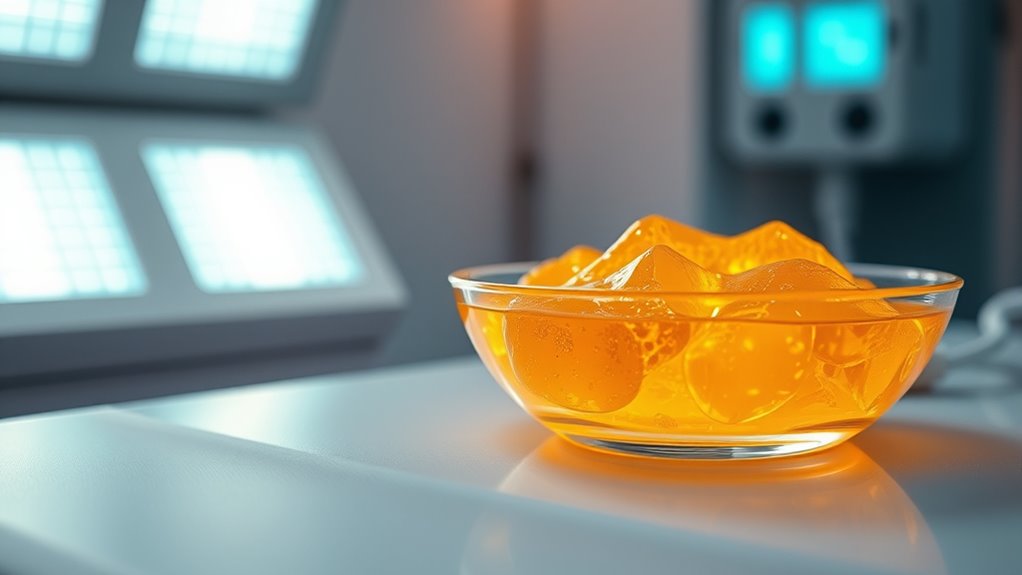

Combining light therapy with platelet-rich fibrin (PRF) can boost your skin’s rejuvenation by stimulating cellular activity and increasing collagen production, leading to smoother, firmer skin. Light therapy activates mitochondria, speeding up tissue repair, reducing inflammation, and minimizing recovery time. This synergy enhances natural healing, improves skin elasticity, and delivers more youthful results faster. Staying tuned reveals how this powerful combo creates a safe, effective path to healthier, vibrant skin with minimal downtime.
Key Takeaways
- Light therapy enhances PRF’s effects by stimulating cellular activity and collagen production for more youthful skin.
- Combining both accelerates tissue regeneration, reducing healing time and minimizing side effects like redness or swelling.
- Near-infrared wavelengths penetrate deeper, boosting mitochondrial function and amplifying PRF’s regenerative benefits.
- Synergistic treatment improves skin elasticity, firmness, and overall rejuvenation with less downtime.
- The integrated approach promotes healthier, more resilient skin through enhanced cellular energy and tissue repair processes.
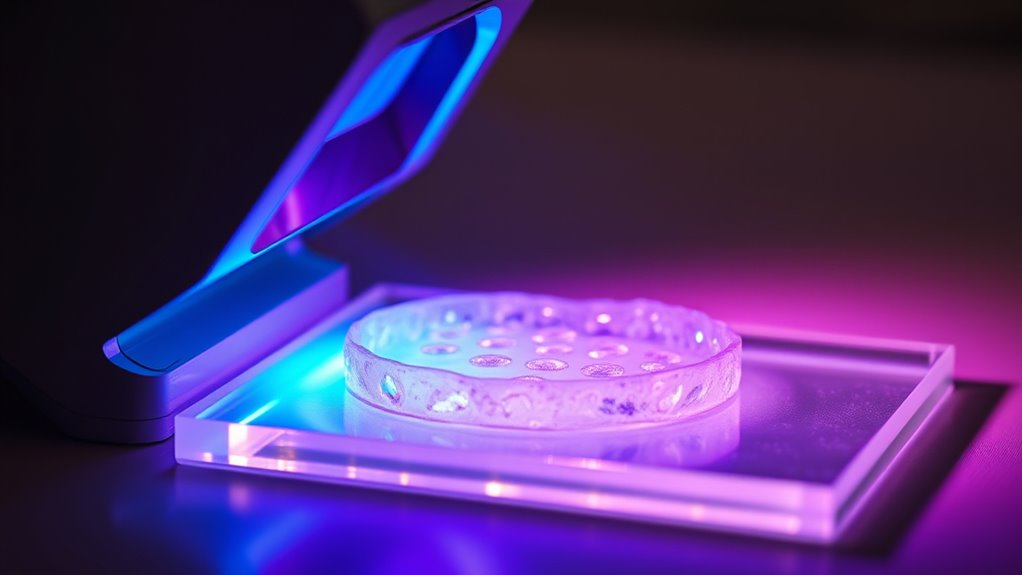
Combining light therapy with platelet-rich fibrin (PRF) offers a promising approach to enhancing skin rejuvenation and accelerating healing. When you integrate these therapies, you harness a powerful synergy that can amplify your skin’s natural repair processes. One key aspect of this combination is the photobiomodulation synergy, where specific wavelengths of light stimulate cellular activity, boosting the effects of PRF. This synergy enhances collagen production, reduces inflammation, and promotes faster tissue regeneration. As a result, your skin appears more youthful, vibrant, and resilient in less time compared to traditional methods.
PRF enhancement plays an essential role here. By applying light therapy after PRF injections or treatments, you activate deeper cellular mechanisms, encouraging improved blood flow and nutrient delivery to the targeted area. The light energy penetrates tissues, stimulating mitochondrial activity within cells, which leads to increased ATP production. This energy boost accelerates cell repair and regeneration, making your skin look healthier and more refreshed sooner. Additionally, light therapy can help diminish the appearance of fine lines and wrinkles by promoting collagen synthesis, which is crucial for skin elasticity and firmness.
Applying light therapy after PRF boosts cellular activity, enhances blood flow, and promotes collagen for healthier, younger-looking skin.
Integrating light therapy with PRF isn’t just about boosting visible results; it also reduces recovery time. When your tissues respond more efficiently to PRF, inflammation subsides faster, pain diminishes, and healing progresses more smoothly. This means less downtime and a quicker return to your daily routine. The combined approach also minimizes side effects, such as swelling or redness, since photobiomodulation can calm inflamed tissue and support ideal healing conditions.
You should consider how the timing and wavelength of light can influence outcomes. Specific wavelengths—like near-infrared—are particularly effective in stimulating mitochondrial activity without damaging surface tissues. When used in conjunction with PRF, they create an environment conducive to tissue repair and rejuvenation. This careful synergy ensures that your skin’s response is maximized, leading to natural-looking improvements that last longer.
Frequently Asked Questions
Are There Any Known Contraindications for Combining These Treatments?
You should conduct a risks assessment to determine patient suitability before combining light therapy with PRF. Contraindications include active infections, pregnancy, or blood clotting disorders, as these conditions may increase risks or diminish treatment effectiveness. Always evaluate medical history thoroughly, and consult with the patient to ensure no adverse reactions are likely. Proper assessment helps ensure the safe and effective integration of these therapies.
How Do These Therapies Interact at the Cellular Level?
Imagine revealing a hidden synergy at the cellular level. When you combine light therapy with PRF, you stimulate cellular signaling pathways that accelerate tissue regeneration. Light therapy boosts mitochondrial function, energizing cells, while PRF releases growth factors, enhancing healing. Together, they create a powerful cascade, amplifying each other’s effects. This interaction could markedly improve recovery times and tissue repair, making your treatment approach more effective and promising.
What Are the Long-Term Safety Considerations?
You should consider long-term effects and safety monitoring when combining light therapy with PRF. While current studies suggest minimal risks, ongoing monitoring is vital to detect any delayed adverse reactions. Regular assessments help guarantee safety, especially with repeated treatments. Stay informed about new research, and consult your healthcare provider to address any concerns, ensuring that the benefits outweigh potential risks over the long term.
Can This Combination Be Used for All Skin Types?
Can this combination be used for all skin types? Absolutely, but it’s like fitting a key into a lock—you need treatment customization. Skin type suitability varies, so your provider should tailor the approach to suit your specific skin. While generally safe for most, darker skin tones may require adjustments to avoid pigmentation issues. Always consult a specialist to guarantee the safest, most effective treatment plan for your unique skin.
What Is the Ideal Timing for Combining Light Therapy With PRF?
The ideal timing for combining light therapy with PRF depends on your treatment goals. Generally, you should schedule light therapy sessions either immediately after PRF or within a few days to maximize collagen stimulation and healing. Proper treatment scheduling ensures both therapies work synergistically, enhancing results. Consult your practitioner to determine the best timing based on your skin type, condition, and specific needs, ensuring safe and effective outcomes.
Conclusion
By merging light therapy with platelet-rich fibrin, you’re opening a door to a healing landscape where rejuvenation blossoms like a vibrant garden. This powerful duo acts as a symphony of renewal, gently coaxing your body to restore and revitalize itself. Imagine your tissues as a canvas, illuminated by healing rays and enriched with natural growth factors—painting a future where recovery is swift, radiant, and beautifully in your control.