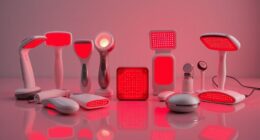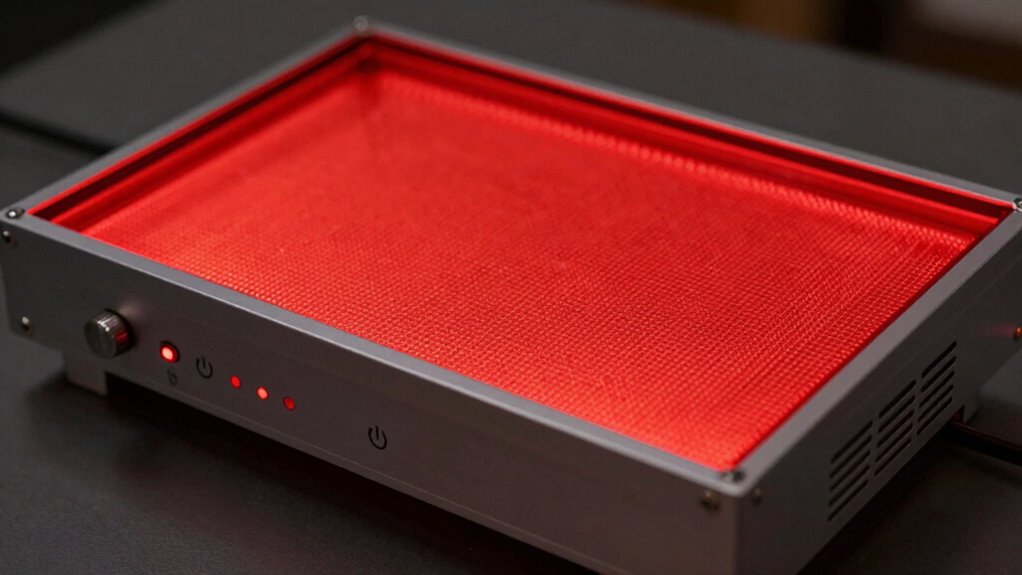
To decide if a red light panel is worth it, focus on nine key specs: brightness (lumens and PPFD), spectrum quality, power and wattage, build durability, size, energy efficiency, control features, brand reputation, and how well it suits your needs. A panel with the right balance of these factors guarantees effective results and long-term value. If you want to uncover how each of these details impacts performance, keep going to find out more.
Key Takeaways
- Wavelength specificity (620-750 nm) ensures targeted therapeutic benefits and effective skin or tissue stimulation.
- Light intensity measured in lumens and PPFD determines treatment speed and overall effectiveness.
- Power density and wattage influence session duration and treatment depth.
- Light spectrum quality, including CRI and wavelength consistency, impacts color accuracy and treatment precision.
- Panel size and build quality affect coverage area, durability, and ease of installation for long-term value.
How Bright Is Your Red Light Panel? Understanding Lumens and PPFD
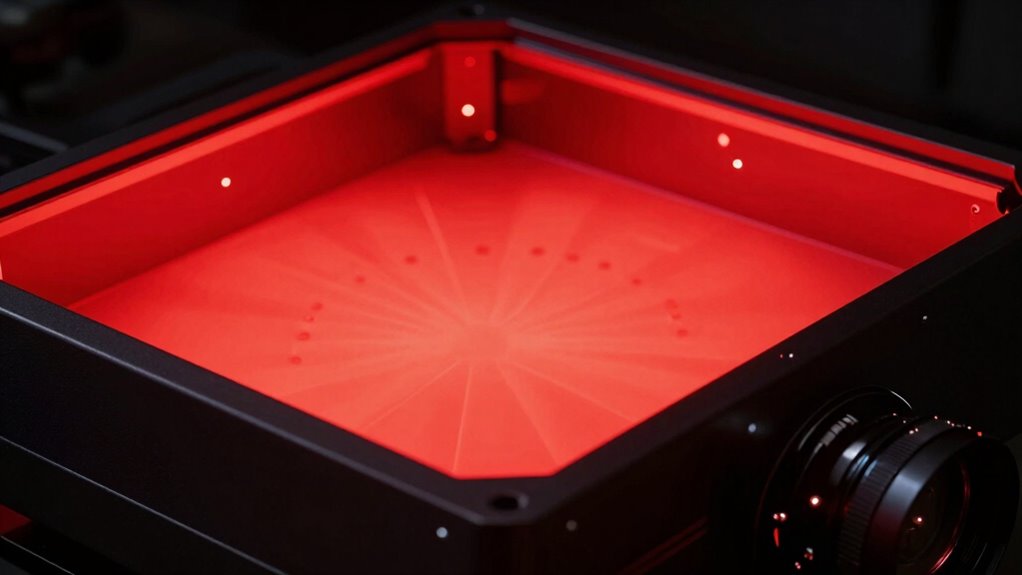
When choosing a red light panel, understanding how bright it is can make all the difference. Light quality influences how effectively your panel promotes plant growth or enhances skin treatment. Lumens measure overall brightness, so higher lumens usually mean a more intense light. PPFD, or Photosynthetic Photon Flux Density, shows how much usable light your plants receive per square meter. But brightness isn’t just about intensity; color temperature also plays a role. A panel with a warmer hue (lower color temperature) can create a softer, more natural light, while a cooler tone (higher color temperature) offers a brighter, more energetic feel. Additionally, understanding the spectral output of your panel can help ensure it delivers the specific wavelengths needed for optimal results. The light distribution pattern also impacts how evenly the light covers your target area, ensuring consistent illumination. To maximize the effectiveness of your light, considering the light uniformity is essential for achieving uniform plant growth or skin treatment outcomes. Recognizing these lighting parameters can further assist in selecting the ideal panel for your needs, ensuring you get the most out of your investment. Exploring light penetration can also help determine how well the light reaches deeper into plants or skin layers.
How to Assess the Light Spectrum and Color Accuracy of Red Light Panels

To evaluate a red light panel’s spectrum and color accuracy, start by checking its light spectrum range to guarantee it covers the wavelengths your needs require. Then, look at the Color Rendering Index (CRI) to see how accurately it renders colors, and verify wavelength consistency to maintain reliable performance. These points help you determine if the panel will deliver precise and effective lighting.
Light Spectrum Range
Understanding the light spectrum range of a red light panel is essential because it determines how effectively the device stimulates your skin or tissues. A broader spectrum can target more layers and offer better results. When evaluating, consider the specific wavelengths used, as they influence LED efficiency and light intensity. A well-designed panel typically emits light in the 620-750 nm range, maximizing therapeutic benefits. Look for panels that provide:
- Precise wavelength selection
- Wide spectral coverage
- Consistent wavelength output
- Minimal spectral overlap
- Optimal light intensity for your needs
These features ensure you’re getting maximum therapeutic effect and energy efficiency. A suitable spectrum enhances treatment outcomes without wasting energy on unnecessary wavelengths, making your investment truly worthwhile.
Color Rendering Index (CRI)
The Color Rendering Index (CRI) measures how accurately a red light panel displays colors compared to natural light. A high CRI indicates better color accuracy, essential for tasks requiring precise color distinctions. When evaluating CRI, consider the panel’s color temperature, as warmer or cooler tones can influence how colors appear under the light. Light diffusion also plays a role, affecting how evenly light spreads and how well colors are rendered across a surface. Panels with a high CRI typically provide more natural and vibrant color reproduction, making them ideal for photography, art, or clinical settings. Lower CRI panels may distort colors, leading to inaccurate perceptions. By examining these factors, you can ensure your red light panel delivers true-to-life color performance, maximizing its usefulness and value. Additionally, understanding the electric power generation capabilities of related devices can help optimize your lighting setup for energy efficiency and sustainability. Recognizing the impact of AI ethics in developing advanced lighting technologies can also guide responsible and innovative product design. Furthermore, paying attention to material quality ensures durability and consistent performance over time. Considering the support breakfast options available can enhance overall user satisfaction and experience with your lighting environment.
Wavelength Consistency
Evaluating wavelength consistency involves examining how uniformly a red light panel emits its spectrum. Consistent wavelength output ensures accurate color rendering and reliable performance over time. To assess this, look for indicators of good light uniformity and emission stability. For example:
- Narrow wavelength range, typically around 620-750 nm
- Minimal variation in emitted spectrum across the panel
- Stable output over extended periods
- Consistent color temperature and hue
- Positive reviews regarding color accuracy and reliability
- Quality assurance protocols that verify consistent spectral output throughout production
These factors help guarantee your panel maintains its spectral integrity, making it worth your investment. A panel with high emission stability and uniform wavelength distribution delivers predictable, precise results, essential for professional or health-related applications. Wavelength consistency safeguards your project’s quality and ensures you get reliable, long-lasting performance.
How to Choose the Right Power and Wattage for Your Red Light Panel

Choosing the right power and wattage for your red light panel is essential to guarantee effective treatment without wasting energy. Higher wattage provides more intense light, which can accelerate skin recovery or boost plant growth, but may also increase energy costs. Lower wattage is suitable for targeted light therapy or delicate applications. Consider your space, goals, and the recommended treatment area size. Additionally, understanding safety precautions can help prevent overexposure and maximize benefits. Being aware of recommended usage durations ensures you achieve optimal results while minimizing potential side effects. Properly managing battery maintenance can also influence the panel’s performance and longevity. Being informed about energy efficiency can help you select a model that balances power with cost-effectiveness. It’s also important to evaluate the adjustable settings to customize your treatment intensity and duration effectively.
What Makes a Red Light Panel Durable? Checking Build Quality and Longevity
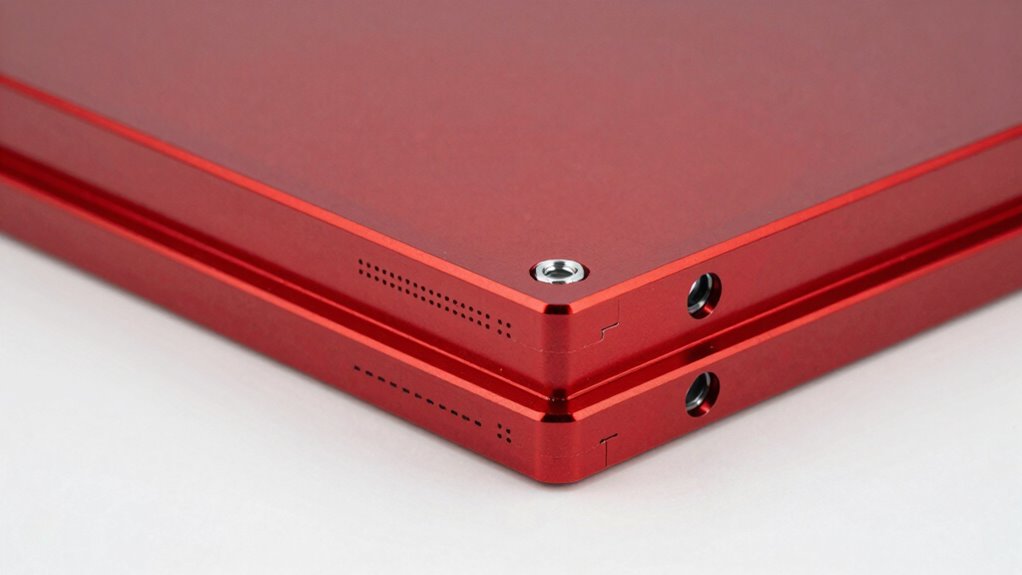
When evaluating a red light panel’s durability, focus on its build quality and the materials used. High material quality guarantees the panel withstands daily use and environmental factors. Look for units that have undergone thorough durability testing, confirming their resilience over time. To assess durability, consider these key factors:
Prioritize build quality and durability testing for long-lasting red light therapy panels.
- Robust construction with high-quality materials
- Resistance to heat and impact
- Effective heat dissipation features
- Tight, secure housing to prevent damage
- Positive user reviews on longevity
Additionally, examining the cultural significance of certain design features can provide insights into the quality standards upheld in different regions. Choosing a panel with strong build quality and proven durability testing results guarantees it won’t break down easily. This investment ensures your red light therapy sessions remain consistent without interruptions caused by equipment failure. Prioritize durability to get the most value and longevity from your red light panel. Incorporating durability testing can further ensure the product meets rigorous standards and has been subjected to real-world stress tests. A focus on material resilience can help identify panels that withstand environmental challenges over time. Conducting comprehensive durability assessments can offer additional assurance of a panel’s long-term performance.
How to Pick the Right Size and Mounting Options for Your Space
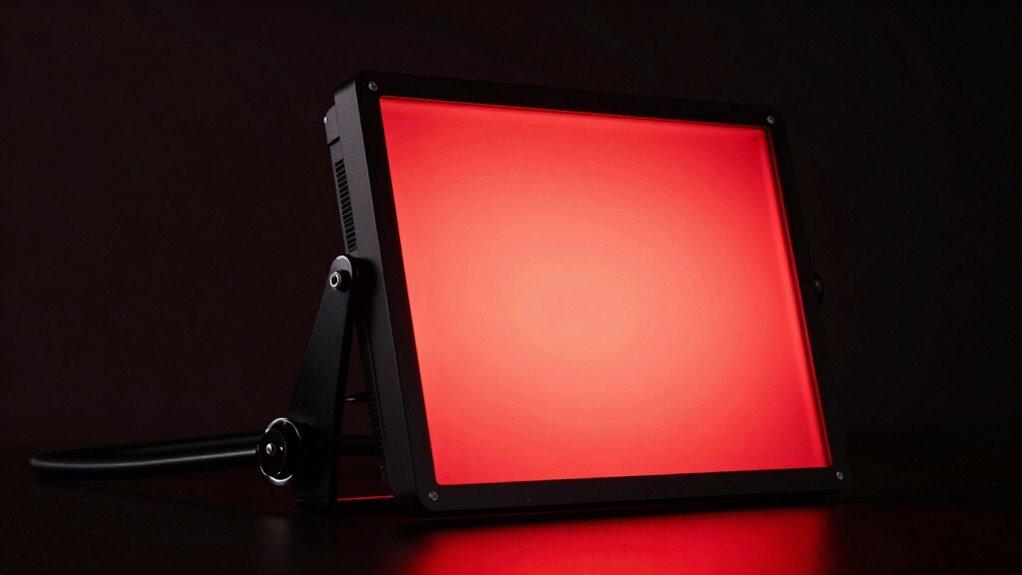
Selecting the right size and mounting options for your space is essential to maximize the effectiveness of your red light panel. Start with installation tips by measuring your area carefully, ensuring the panel fits without overwhelming the space or blocking movement. Consider the aesthetic design—choose a size that blends seamlessly with your decor and enhances the room’s look. Wall mounting is common, but ceiling mounts or free-standing options might suit different environments better. Think about accessibility for adjustments and cleaning. Proper placement—like eye level or slightly above—ensures ideal benefits. Remember, a well-chosen size and smart mounting can improve both function and appearance, making your red light panel a seamless part of your space rather than an afterthought. Additionally, considering proper vehicle protection can help preserve your setup during daily use or transportation. Paying attention to safety considerations ensures that your installation remains secure and reduces the risk of accidents or damage. Taking into account installation guidelines can further streamline the setup process and enhance safety.
How Energy-Efficient Are Red Light Panels? Operating Costs Explained
Red light panels vary in power consumption, which directly impacts your energy bills. Maintenance costs can add up over time, affecting your overall expenses. By understanding these factors, you can determine if the long-term savings make a particular panel worth the investment. Additionally, considering the natural ingredients used in some panels can influence their overall efficiency and effectiveness. Selecting energy-efficient models with optimized design can further reduce operating costs and improve longevity. Being aware of the power usage of different panels helps you choose options that are more cost-effective over time, especially when factoring in energy efficiency ratings that indicate their performance.
Power Consumption Levels
Understanding how much energy a red light panel consumes is key to evaluating its overall value. Power consumption levels directly impact your energy savings and determine the device’s power efficiency. A highly efficient panel uses less electricity while delivering ideal results, reducing operating costs over time. Look for panels with lower wattage ratings that still provide sufficient light output. Features like adjustable brightness and timers can further enhance energy efficiency. Additionally, check if the panel has certifications indicating energy-saving performance. High power consumption not only raises your electricity bill but also impacts the environment. To maximize your investment, choose a panel designed for low power use without sacrificing performance. Prioritizing power efficiency ensures you get the most benefits for your money.
Cost of Maintenance
Ever wondered how much it costs to keep your red light panel running over time? Conducting a thorough cost analysis helps you understand maintenance costs, which can profoundly impact your investment. Red light panels with durable components and efficient design usually have lower maintenance needs, saving you money in the long run. Regular upkeep involves cleaning, replacing worn parts, and ensuring proper functioning of electrical connections. Some models may require more frequent servicing, increasing ongoing expenses. By comparing maintenance costs across different panels, you can identify options that balance initial price with lower upkeep demands. Ultimately, a red light panel that’s easy to maintain not only reduces total ownership costs but also ensures consistent performance and longevity.
Long-Term Savings
Since energy consumption directly impacts your ongoing expenses, choosing an energy-efficient red light panel can lead to significant long-term savings. These panels typically feature optimized components, such as low wattage LEDs and efficient power supplies, reducing your energy bills. Pay attention to the color temperature, which affects how much energy is used to produce the desired light quality, and the beam angle, which influences how much area is covered without waste. A wider beam angle can light larger spaces more efficiently, saving power in the long run. Look for panels with high energy efficiency ratings, low maintenance costs, and durable components that withstand frequent use. By selecting a panel with these features, you ensure lower operating costs and better value over its lifespan.
What Control Features and Customization Options Should You Look For?
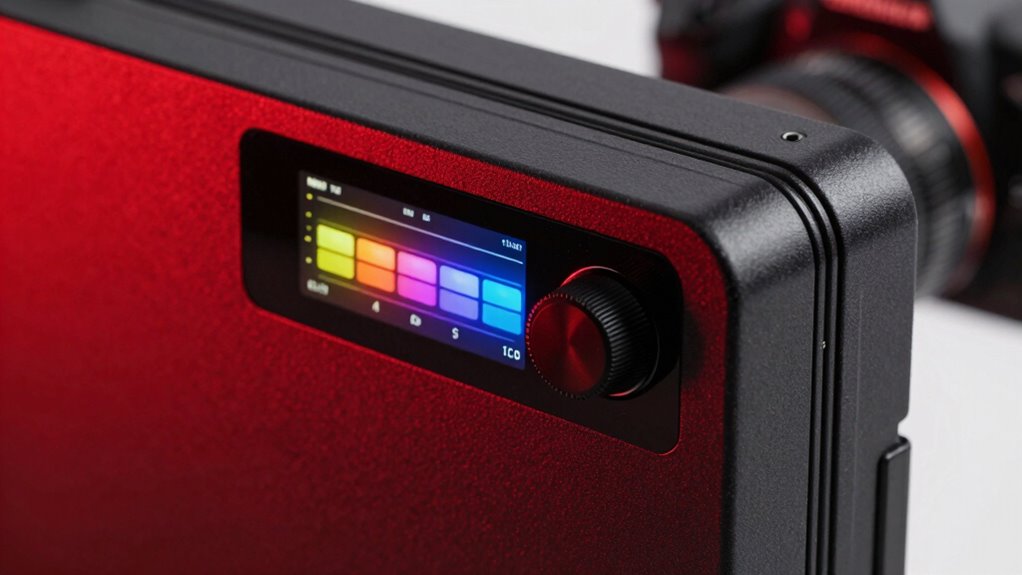
When choosing a red light panel, you should prioritize control features and customization options that give you flexibility and ease of use. Look for adjustable settings that let you fine-tune brightness, color temperature, and timing to suit different needs. A user-friendly control interface is essential—whether it’s a touchscreen, remote, or app—so you can easily modify settings without hassle. Some panels offer preset modes for quick adjustments or scene selections that streamline your workflow. The ability to customize the light output ensures you get consistent results and adapt to various environments. Overall, intuitive control features and versatile customization options make your experience more efficient, helping you maximize the panel’s potential while maintaining effortless operation.
How to Compare Price, Warranty, and Brand Reputation for the Best Value

To find the best value in a red light panel, it’s essential to compare prices, warranties, and brand reputations carefully. Your pricing strategy should include looking for competitive costs without sacrificing quality. Check the warranty duration and coverage—longer warranties often indicate confidence in durability. Brand loyalty can influence your decision; trusted brands usually offer better customer support and reliability. Keep these tips in mind:
Compare prices, warranties, and brands to ensure you get the best value in a red light panel.
- Compare prices across different retailers and online stores
- Evaluate warranty terms and what they cover
- Research brand reputation through reviews and testimonials
- Consider whether the price reflects the panel’s features and quality
- Be cautious of deals that seem too good to be true
Which Specs Matter Most for Your Specific Use Case and Budget?
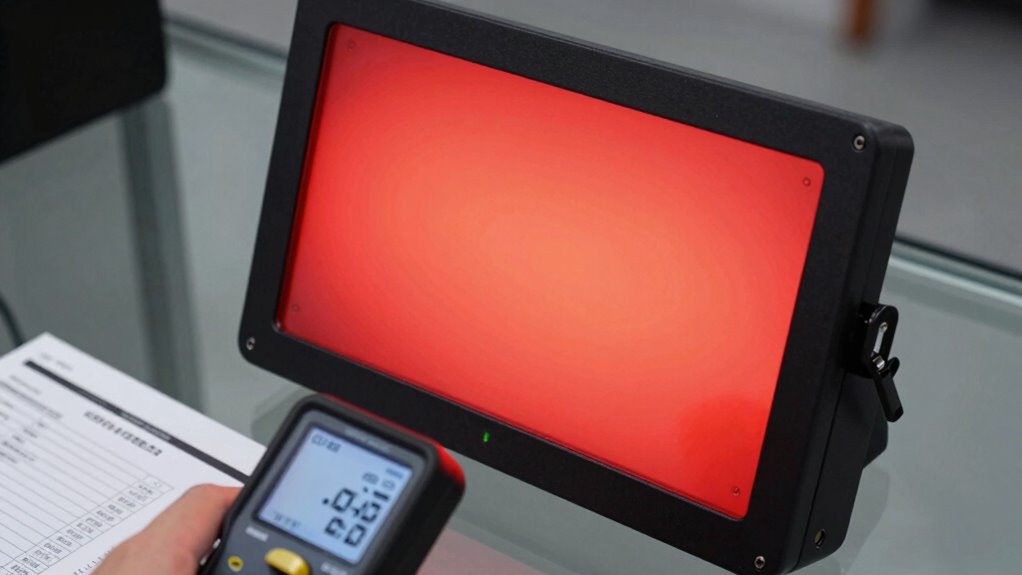
Are you clear on which specifications truly matter for your specific use case and budget? Knowing what to prioritize can maximize red light therapy benefits and guarantee you choose the right red light panel brands. Focus on key specs like wavelength, power density, and panel size. For example, if you’re seeking skin rejuvenation, a panel with wavelengths around 630-670 nm is ideal. If pain relief is your goal, longer wavelengths like 810 nm work better. Use this table to evaluate:
| Specification | Why It Matters | Your Needs |
|---|---|---|
| Wavelength | Determines therapy benefits | Skin, pain, or inflammation focus |
| Power Density | Affects treatment intensity | Quick results or longer sessions |
| Panel Size | Impacts coverage area | Small for targeted, large for full-body |
| Brand Reputation | Ensures device quality | Trusted red light panel brands |
Frequently Asked Questions
What Safety Features Should I Consider in a Red Light Panel?
Did you know that over 80% of users experience benefits from red light therapy without proper safety measures? When choosing a red light panel, prioritize UV safety features to protect your skin and eyes from harmful UV exposure. Also, guarantee it has robust electrical safety, like certified wiring and overload protection, to prevent hazards. These features keep your sessions safe, effective, and worry-free.
How Does Heat Dissipation Affect Red Light Panel Performance?
Heat dissipation directly impacts your red light panel’s performance by preventing overheating, which can reduce effectiveness and lifespan. Good thermal management and heat control ensure the LEDs stay cool, maintaining consistent light output and preventing damage. Without proper heat dissipation, your panel might overheat, causing decreased efficiency or failure. So, look for panels with built-in heat sinks or fans that optimize thermal management for reliable, long-lasting use.
Are There Specific Certifications to Look for in Quality Red Light Panels?
Think of certifications as a trusted compass guiding you through a sea of options. Look for certification standards like FDA clearance or UL listing, which assure safety and quality assurance. These marks signal the device meets rigorous industry benchmarks, giving you peace of mind. Prioritizing certified panels helps you avoid low-quality products and guarantees that you’re investing in a reliable, effective red light therapy device.
Can Red Light Panels Be Used for Both Indoor and Outdoor Applications?
Yes, you can use red light panels for both indoor and outdoor applications. Just make certain they have outdoor durability and weather resistance, so they withstand elements like rain, wind, and sun. Look for panels with sealed components and sturdy casings designed for outdoor use. This way, you can enjoy the benefits of red light therapy wherever you need it, whether inside your home or outside in your yard or garden.
How Easy Is It to Upgrade or Modify a Red Light Panel Later?
Upgrading or modifying your red light panel is generally straightforward if it offers good modification flexibility. Many panels are designed with upgrade options in mind, allowing you to swap out LEDs, add attachments, or enhance features with minimal effort. You should check if the panel has accessible components and compatibility with future upgrades, ensuring you can customize it later without needing a complete replacement, making it a smarter investment.
Conclusion
Ultimately, choosing a red light panel boils down to understanding these nine specs and balancing them with your needs and budget. Don’t be deceived by shiny features—consider durability, efficiency, and spectrum quality, much like a seasoned alchemist selecting rare ingredients. By comparing these factors, you’ll guarantee your purchase is truly worth it, transforming your space with the right light. Remember, even in this age of innovation, wisdom from the past can guide your modern choices.