

Before choosing between red and near-infrared light therapy, understand their key differences. Red light penetrates only a few millimeters, making it ideal for skin issues like rejuvenation and surface healing. Near-infrared reaches deeper tissues, making it better for deep muscle, joint, or chronic pain relief. Knowing which wavelength targets your specific needs guarantees better results. Stay tuned to learn how to pick the right device and maximize your therapy benefits.

Get wellness gear delivered free with Prime
- Fast, free delivery on millions of items
- Prime Video, Amazon Music and more included
- Member-only deals all year
Key Takeaways
- Red light penetrates only a few millimeters, ideal for surface skin treatments, while near-infrared reaches deeper tissues for muscles and joints.
- Near-infrared wavelengths are less absorbed by superficial tissues, enabling effective deep tissue therapy, unlike red light which is primarily superficial.
- Use red light for skin rejuvenation, inflammation reduction, and cosmetic applications; opt for near-infrared for chronic pain and deep healing.
- Device selection should match treatment goals: red for surface, near-infrared for deep tissues; combining both can target multiple layers safely.
- Safety, proper dosage, and understanding wavelength science are essential before purchasing to ensure effective, safe, and targeted therapy results.
red light therapy device for skin rejuvenation
As an affiliate, we earn on qualifying purchases.
As an affiliate, we earn on qualifying purchases.
What Is Red and Near-Infrared Light Therapy and How Does It Work?
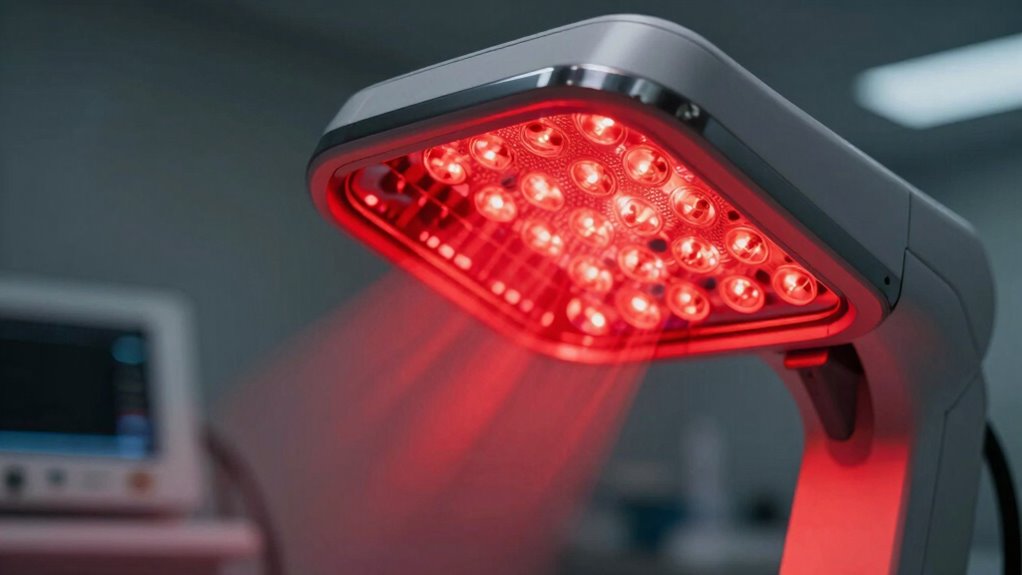
Red and near-infrared light therapy are non-invasive treatments that use specific wavelengths of light to stimulate cellular function. Through photobiomodulation research, scientists have discovered that these wavelengths enhance mitochondrial activity, boosting energy production and healing. LED technology makes this therapy accessible by providing efficient, targeted light delivery without discomfort or downtime. When you’re exposed to red or near-infrared light, your cells absorb the photons, which triggers biological processes that support tissue repair, reduce inflammation, and improve circulation. This process isn’t about heat or UV exposure; it’s about cellular energy optimization and performance. Recognizing the natural properties of these wavelengths can further enhance the effectiveness of treatment plans. Moreover, understanding the biological effects of different wavelengths helps tailor therapies to specific conditions or skin types.
How Do Red and Near-Infrared Wavelengths Differ in Penetration and Effectiveness?

Red light typically penetrates only a few millimeters into the skin, making it effective for surface-level treatments. In contrast, near-infrared wavelengths reach deeper tissues, enhancing their biological effects. Understanding these differences helps you choose the right therapy for your specific needs. Additionally, selecting the appropriate wavelength depends on the penetration depth you are considering for your treatment goals.
Penetration Depth Differences
Although both red and near-infrared wavelengths are used in light therapy, they differ considerably in how deeply they penetrate tissue. This variation is primarily due to wavelength specificity, which influences how each light interacts with biological structures. Near-infrared light, with its longer wavelengths, can penetrate more deeply because it experiences less tissue absorption compared to red light. Red wavelengths tend to be absorbed more readily by superficial layers, making them effective for targeting surface tissues. In contrast, near-infrared can reach deeper tissues, such as muscles and joints. Understanding these penetration depth differences helps you choose the right wavelength for your specific needs, ensuring the light therapy device delivers effective results where they’re needed most. Additionally, the wavelength-specific tissue absorption plays a crucial role in determining how effective each type of light is for different therapeutic applications.
Biological Effectiveness Variations
While both red and near-infrared wavelengths can stimulate biological processes, their effectiveness varies depending on their ability to reach target tissues. To maximize results, consider these factors:
- Wavelength precision influences how effectively light interacts with cellular structures, impacting overall biological response.
- Dosage optimization ensures you deliver the right amount of light for desired effects without overexposure.
- Penetration depth differences mean near-infrared light often reaches deeper tissues, but red light can be more effective for surface-level applications.
- Wavelength accuracy plays a critical role in ensuring the light interacts correctly with cellular components for optimal outcomes.
- Consistent light delivery methods are essential to achieving predictable and effective biological responses.
Understanding these variations helps you choose the right wavelength for your goals. Red light may be more suitable for superficial healing, while near-infrared excels in targeting deeper tissues. Tailoring wavelength and dosage enhances effectiveness and safety.
What Are the Unique Benefits of Red Light Therapy?

Red light therapy offers several unique benefits that can positively impact your health and well-being. One key advantage is skin rejuvenation, helping to reduce wrinkles, fine lines, and scars by stimulating collagen production. This process promotes a smoother, more youthful complexion. Additionally, red light therapy provides effective pain relief by decreasing inflammation and accelerating tissue repair. It’s often used to ease chronic pain, muscle soreness, and joint discomfort. Plus, early socialization with the right approach can enhance the therapy’s effectiveness by ensuring better compliance and comfort during treatment. Unlike other treatments, red light therapy is non-invasive and has minimal side effects, making it safe for regular use. These benefits make it a popular option for those seeking natural, drug-free ways to improve skin health and manage pain, enhancing overall quality of life without significant downtime. Light therapy’s ability to stimulate cellular activity further supports its role in promoting healing and regeneration. Moreover, understanding the cellular activity involved can help users optimize their treatment routines for better results. The antioxidant effects produced during light therapy may also help combat oxidative stress, further supporting overall health.
When Is Near-Infrared Light More Effective Than Red Light?
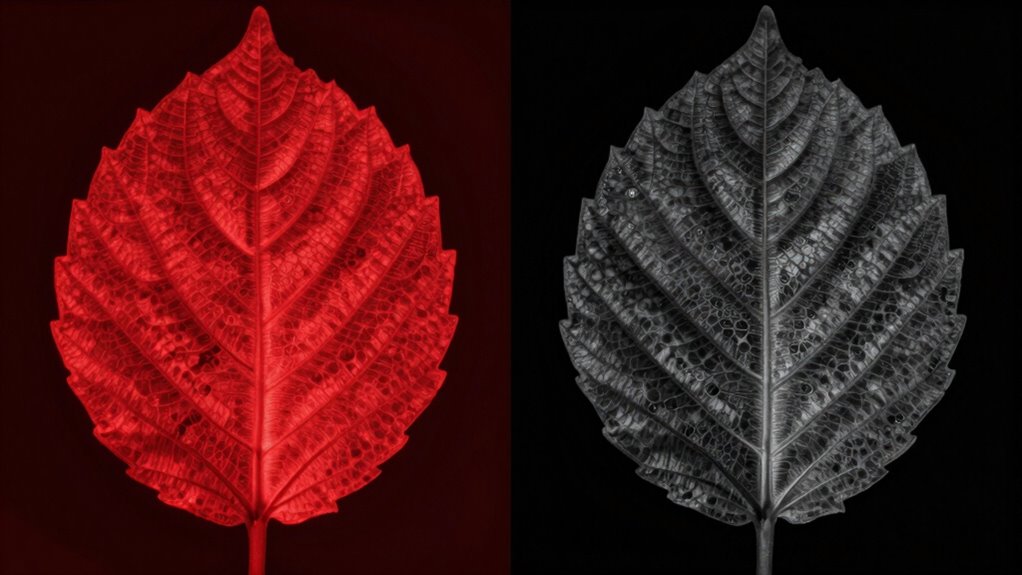
Near-infrared light becomes more effective than red light when deeper tissue penetration is essential for your treatment goals. If you’re targeting cosmetic applications like skin rejuvenation beneath the surface or aiming for athletic recovery, near-infrared can deliver better results. Consider these scenarios:
- Deep tissue healing – When you need to reach muscles, joints, or cartilage, near-infrared penetrates further for more effective therapy. The wavelength plays a crucial role in how deeply the light can penetrate tissues. Additionally, tissue absorption properties influence how well light reaches deeper layers. Understanding tissue penetration depth helps optimize treatment outcomes. The biological effects of near-infrared light can enhance cellular repair processes at greater depths.
- Chronic pain relief – For persistent aches that lie beneath the skin, near-infrared’s deeper reach provides better relief.
- Enhanced athletic recovery – If you’re recovering from intense workouts or injuries, near-infrared stimulates deeper tissues for faster healing.
In these cases, near-infrared light surpasses red light by effectively targeting tissues beneath the surface. Tissue penetration plays a crucial role in determining which wavelength is more suitable for your specific needs.
How to Choose the Best Light Therapy Device for Your Goals?
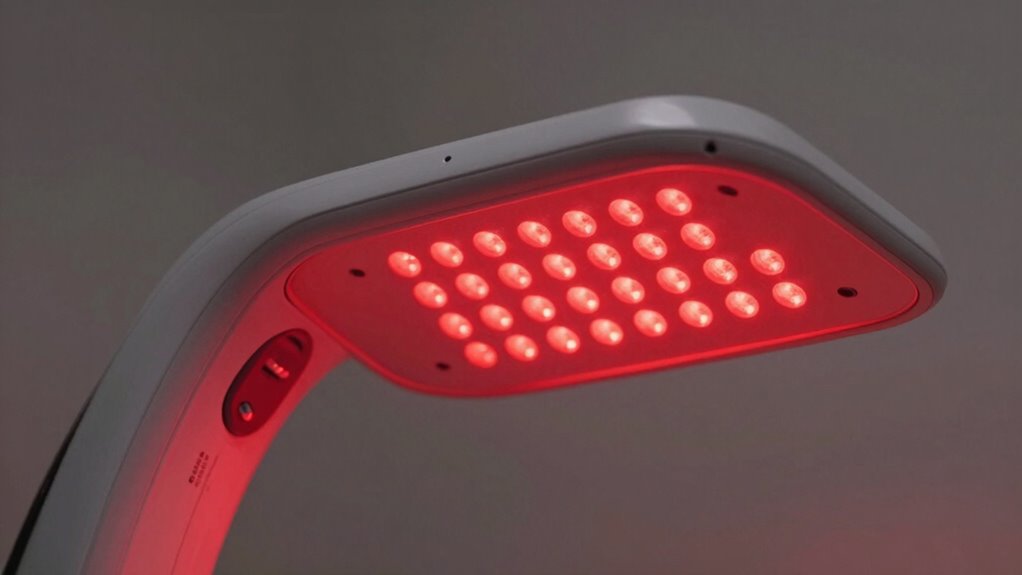
Choosing the right light therapy device depends on your specific goals and the areas you want to target. Focus on wavelength specificity, as different wavelengths penetrate tissues differently and produce varied effects. Red light typically promotes surface-level healing, while near-infrared penetrates deeper for joint and muscle recovery. Check that the device is properly calibrated to deliver consistent, accurate wavelengths; poor calibration can reduce effectiveness. Consider the size and design of the device to ensure it covers the target area comfortably. Also, verify the device’s power output and session duration recommendations to match your needs. Ultimately, selecting a device with the appropriate wavelength specificity and reliable calibration guarantees you get the most effective therapy aligned with your goals. Additionally, understanding the underlying chemical principles behind light therapy can help you make more informed choices. To maximize benefits, it’s important to understand wavelength penetration and how it influences tissue response, ensuring you select the most suitable device for your needs. Knowing how tissue response varies with different wavelengths can help tailor your treatment for optimal results. Incorporating knowledge of device calibration ensures consistent therapy sessions and better outcomes. Furthermore, considering the quality and safety standards of a device can help prevent potential risks and ensure reliable performance.
Are There Risks or Side Effects From Red or Near-Infrared Light Therapy?

While red and near-infrared light therapy are generally safe, you should be aware of potential risks. You might experience skin sensitivity or irritation, and eye safety is a concern if proper precautions aren’t taken. Additionally, long-term effects remain unclear, so it’s important to stay informed and consult a professional if you have concerns. Being aware of privacy policies and how cookies are used can help you better understand data handling practices related to these therapies. It’s also advisable to review device safety standards to ensure proper usage and minimize potential hazards.
Possible Skin Sensitivity
Although red and near-infrared light therapy are generally considered safe, some people may experience skin sensitivity or mild side effects. You might notice reactions such as:
- Redness or irritation on the treated skin area
- Mild itching or burning sensations
- Rare allergic reactions, including rash or swelling
These responses are usually temporary and diminish quickly. To reduce risks, start with shorter sessions and observe how your skin reacts. If you notice persistent skin sensitivity or allergic reactions, stop treatment and consult a healthcare professional. Keep in mind that individual sensitivities vary, so it’s important to monitor your skin’s response closely. Proper use and awareness can help you enjoy the benefits while minimizing potential side effects.
Eye Safety Concerns
Skin sensitivity is a common concern with red and near-infrared light therapy, but many people wonder if their eyes are at risk. Ocular safety is an important consideration, especially since intense light exposure could affect your eyes. While most studies show that low-level red and near-infrared light are safe when used properly, retinal risks aren’t entirely zero. Directly staring into a powerful light source or using unapproved devices could pose a danger to your eyes. To protect your vision, avoid looking directly at the light during treatment and follow manufacturer instructions. If you have pre-existing eye conditions or concerns, consult with an eye care professional before starting therapy. Proper precautions help ensure you enjoy the benefits safely without risking your ocular health.
Long-Term Effects Unknown
Despite the growing popularity of red and near-infrared light therapy, researchers still don’t fully understand the long-term effects. The long-term safety remains uncertain, and there are potential unknown effects that could emerge over time. You should be aware of three key concerns:
- Possible tissue damage from prolonged exposure
- Unknown impacts on cellular function after repeated treatments
- Risks related to unanticipated interactions with medications or existing conditions
While short-term results are promising, the lack of extensive long-term studies means the safety profile isn’t fully established. It’s essential to stay cautious until more research clarifies these unknown effects. Until then, you should prioritize informed use and consult health professionals when considering long-term therapy.
Can You Combine Red and Near-Infrared Light for Better Results?
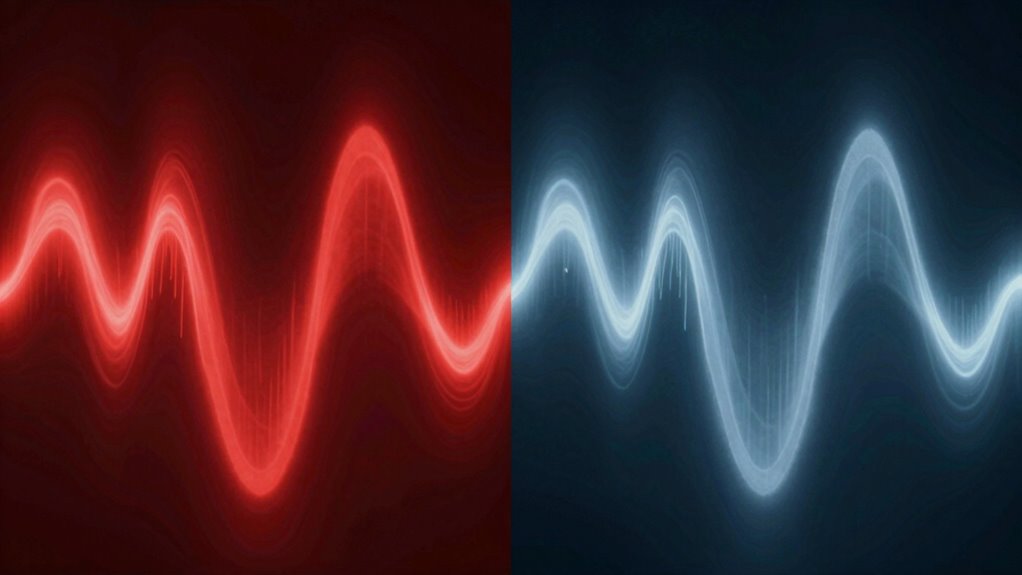
Combining red and near-infrared light can enhance the effectiveness of light therapy by targeting different layers of tissue more completely. Red light works mainly on surface tissues, while near-infrared penetrates deeper, addressing internal structures. This synergy can improve overall results. However, your device’s compatibility is key—ensure it supports both wavelengths and maintains wavelength specificity for ideal outcomes. Not all devices are designed to combine these spectra effectively. Before mixing, verify if your device offers the necessary features to deliver both wavelengths safely. Here’s a quick comparison:
| Feature | Red Light | Near-Infrared Light | Combined Use |
|---|---|---|---|
| Penetration Depth | Superficial | Deep | Both, if device compatible |
| Wavelength Specificity | 620–750 nm | 750–1200 nm | Supported in compatible devices |
| Device Compatibility | Varies | Varies | Confirm before use |
What Do Experts Say About Red vs. Near-Infrared Light Therapy?
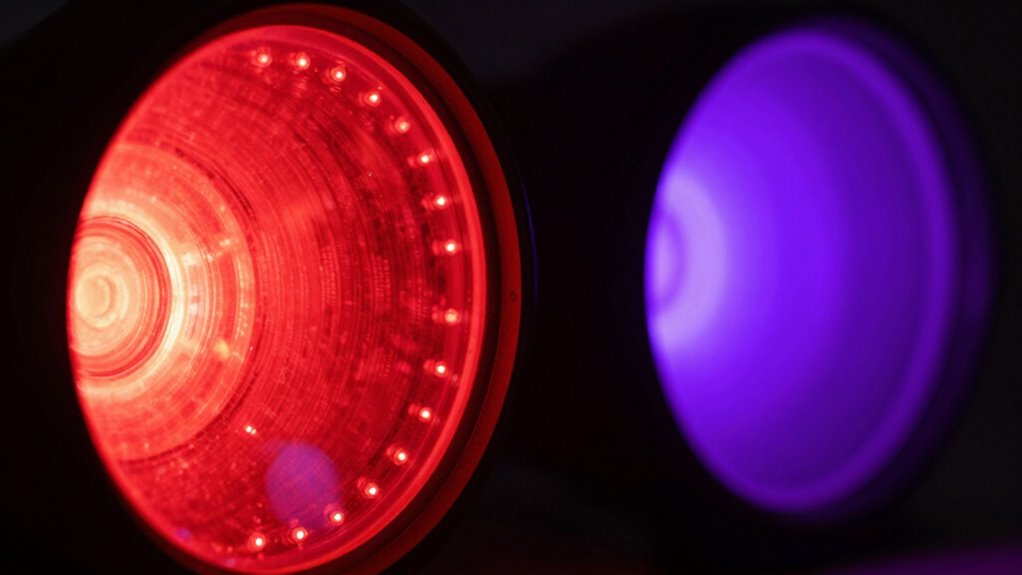
Experts generally agree that both red and near-infrared light therapy offer distinct benefits, but their effectiveness depends on your specific goals. They emphasize understanding wavelength science to make informed decisions. Here are three key insights from the experts:
- Red light primarily targets surface tissues, making it ideal for skin health and wound healing.
- Near-infrared penetrates deeper, benefiting muscles, joints, and internal organs.
- Many light therapy myths stem from misconceptions about wavelength science—more isn’t always better.
Experts advise you to choose based on your desired outcome rather than assumptions. Knowing the differences in wavelength and how they interact with tissues helps you avoid falling for light therapy myths and ensures you get the right treatment for your needs.
Frequently Asked Questions
How Do Red and Near-Infrared Light Therapy Impact Skin Aging?
Red and near-infrared light therapy boost your skin’s health by stimulating collagen production and enhancing skin elasticity. Red light penetrates shallow layers, reducing wrinkles and fine lines, while near-infrared reaches deeper, promoting circulation and cell repair. Together, they combat signs of aging, leaving your skin firmer and more youthful. You’ll notice improved texture and reduced sagging, making these therapies effective tools for skin rejuvenation and anti-aging routines.
Are There Differences in Treatment Duration Between Red and Near-Infrared Light?
Treatment duration and session length can vary depending on whether you use red or near-infrared light. Typically, red light sessions last about 10 to 20 minutes, while near-infrared treatments might extend up to 20 minutes or slightly longer. You’ll want to follow the device’s guidelines and your healthcare provider’s recommendations for peak results. Remember, consistency is key, so stick to the prescribed treatment plan for best skin aging benefits.
Can Red or Near-Infrared Therapy Help With Specific Medical Conditions?
Red and near-infrared therapy can potentially help with specific medical conditions like pain, inflammation, and skin issues. Imagine easing your chronic pain or speeding up healing naturally—this is what many turn to alternative medicine for. Incorporating these therapies into your lifestyle can offer benefits like improved skin, reduced inflammation, and better overall wellness. Always consult a healthcare professional to guarantee they’re suitable for your unique needs.
What Is the Recommended Frequency for Using Red and Near-Infrared Devices?
You should follow the frequency guidelines and device recommendations provided with your red or near-infrared device. Generally, using the device 3 to 5 times a week is effective, but it can vary based on your specific condition and device strength. Always start with shorter sessions and gradually increase. Consult your healthcare provider for personalized advice, ensuring safe and ideal results with your therapy routine.
How Does Light Intensity Affect the Effectiveness of Therapy?
Imagine cranking a flashlight to supernova brightness—too much light can overwhelm your body, reducing therapy benefits. Light intensity directly impacts effectiveness; too low, and it’s like whispering in a storm—insufficient dosage. Too high, and it’s like burning toast. To maximize results, you need ideal dosage, which means adjusting light intensity carefully. Proper dosage optimization ensures your tissues absorb just the right amount for healing without overstimulation or waste.
Conclusion
Understanding the difference between red and near-infrared light is like knowing which tool to use for each job—both have their place. By choosing the right wavelength for your goals, you’ll access the full potential of light therapy. Don’t jump in without knowing the specifics; it’s like sailing without a compass. With the right knowledge, you’ll steer toward better health and wellness, making your journey smoother than a well-lit path.
Cold & flu season Picks
humidifiers
As an affiliate, we earn on qualifying purchases.