
Start with short sessions of 10-15 minutes and gradually increase the duration as your muscles adjust. Focus on consistency by scheduling multiple sessions weekly, and pay close attention to how your body responds to avoid overstimulation. Use certified infrared devices that are safe and effective, and combine light therapy with other recovery techniques for better results. Patience is key; if you keep at it, you’ll discover more ways to maximize your recovery journey.

Get wellness gear delivered free with Prime
- Fast, free delivery on millions of items
- Prime Video, Amazon Music and more included
- Member-only deals all year
Key Takeaways
- Begin with short, 10-15 minute sessions to allow muscles to adapt gradually.
- Use certified infrared devices to ensure safety and effectiveness.
- Increase session duration gradually while monitoring your body’s response.
- Maintain consistency by scheduling regular therapy sessions weekly.
- Combine light therapy with other recovery methods for optimal results.
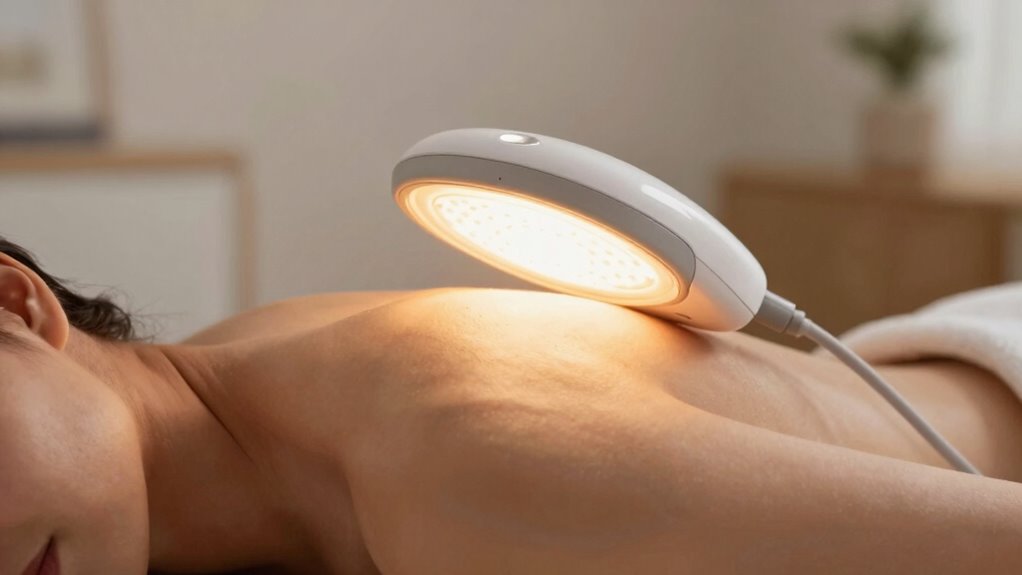
If you’re dealing with sore muscles, starting light therapy can be an effective way to promote recovery without overdoing it. Light therapy, especially when using infrared light, has gained popularity for its ability to accelerate muscle recovery, reduce pain, and improve overall muscle function. The key is to start gradually, allowing your body to adapt to the therapy and maximize its benefits without risking overstimulation or irritation.
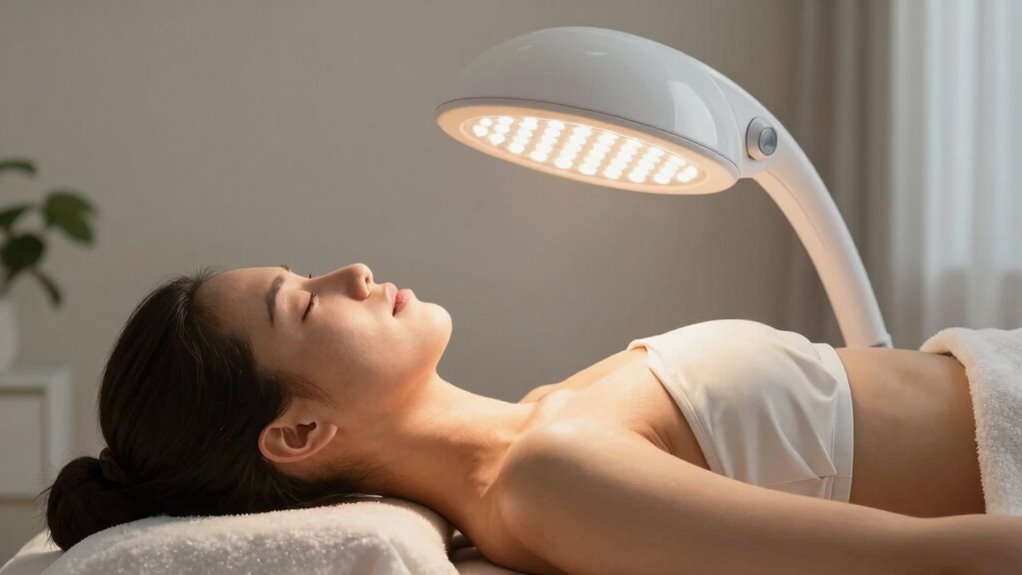
When you begin light therapy for sore muscles, keep your sessions short—about 10 to 15 minutes is a good starting point. This initial phase helps your muscles get used to the infrared benefits without overwhelming them. As you become more comfortable with the process, you can slowly increase the duration, but always listen to your body. If you notice any discomfort or unusual fatigue, it’s wise to scale back and give your muscles time to recover. *Crucial* is to be consistent, so plan to incorporate these sessions several times a week, rather than trying to do too much at once.
Using infrared light during therapy is particularly effective because of its deep tissue penetration. Infrared benefits allow the light to reach muscles beneath the skin, promoting circulation and reducing inflammation. This improved blood flow speeds up muscle recovery by delivering more oxygen and nutrients to damaged tissues, helping you heal faster. It also helps alleviate soreness by breaking down lactic acid buildup and reducing muscle tension, so you feel less stiff and more flexible. The gentle warmth generated by infrared light can further enhance relaxation, making recovery sessions more comfortable and soothing. Additionally, infrared light is considered a safe and non-invasive treatment option when used properly. Incorporating proper device selection can significantly improve your experience and results, ensuring you get the most effective therapy for your needs. Furthermore, choosing devices that are certified and tested can provide added assurance of safety and efficacy. To optimize your results, consider also integrating complementary recovery methods, which can work synergistically with light therapy.
It’s also beneficial to pay attention to the timing of sessions, as scheduling your therapy at consistent intervals can help maintain steady progress and avoid disrupting your recovery rhythm. Starting light therapy thoughtfully ensures you make the most of its muscle recovery and infrared benefits. By easing into your sessions and paying attention to how your body responds, you’ll be able to harness the full potential of this innovative treatment safely and effectively. Remember, patience and consistency are your allies in achieving faster, healthier muscle recovery.
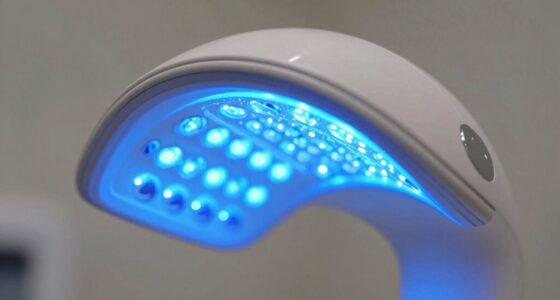
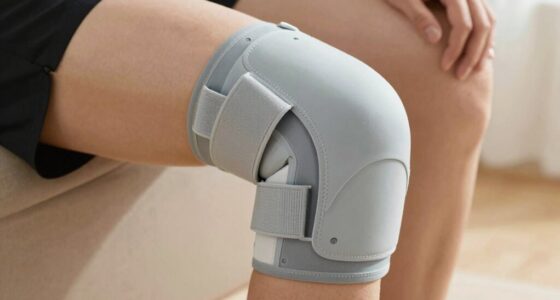
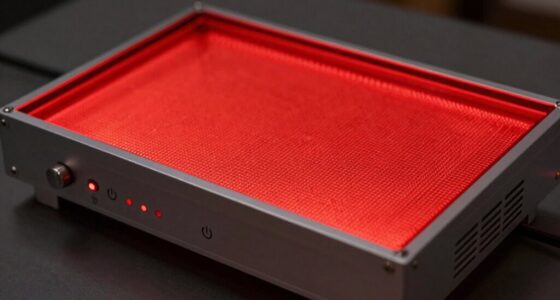
infrared light therapy device for muscle recovery
As an affiliate, we earn on qualifying purchases.
As an affiliate, we earn on qualifying purchases.
Frequently Asked Questions
Can Light Therapy Replace Traditional Muscle Recovery Methods?
Light therapy can complement traditional muscle recovery methods, but it shouldn’t completely replace them. It acts as an alternative treatment that promotes muscle relaxation and reduces soreness. You might find it effective for speeding up recovery, especially when combined with stretching, massage, or rest. However, for ideal results, use light therapy alongside these proven approaches rather than relying solely on it for muscle recovery.
How Long Should I Use Light Therapy Initially?
Imagine gentle sunlight warming your muscles, easing fatigue. Start with 10 to 15 minutes of light therapy per session, focusing on sore areas. This duration helps your body adapt without overwhelming your muscles, boosting recovery speed. As you become more comfortable, you can gradually increase the time. Consistent use aids in reducing muscle fatigue and accelerates healing, making each session a calming step toward faster recovery.
Are There Any Side Effects From Light Therapy?
You might experience some potential side effects from light therapy, like mild skin irritation or eye safety concerns if you don’t use proper precautions. To minimize risks, keep the device at the recommended distance and avoid overexposure. Always wear protective eyewear if suggested, and monitor your skin for any redness or discomfort. If you notice persistent issues, consult a healthcare professional to guarantee safe and effective use.
What Types of Light Are Most Effective for Sore Muscles?
Think of light therapy as a gentle sunrise awakening your muscles. You’ll find LED wavelengths, especially red and near-infrared light, most effective for sore muscles. Infrared benefits penetrate deeply, reaching tissues and promoting healing. By targeting these specific wavelengths, you activate cellular repair processes, reduce inflammation, and ease pain. So, choosing the right LED lights with infrared benefits helps your muscles recover faster and feel revitalized.
Is Light Therapy Suitable for All Muscle Types and Injuries?
Light therapy can be appropriate for many muscle types, but muscle specificity and injury variability matter. You should consider the injury’s severity and location, as some muscles respond better to specific wavelengths. Always start with gentle sessions, and consult a healthcare professional if you have complex injuries or uncertainty. Customizing the therapy to your muscle type ensures safer, more effective results, helping you recover faster and reduce soreness.
Conclusion
Now that you’ve learned the basics, you’re ready to access the potential of light therapy. Imagine easing your muscle soreness with just a simple, effective technique—yet, there’s more to discover. Will you take the next step and explore advanced treatments? The choice is yours, and the results could surprise you. Don’t wait too long; your muscles are calling for relief. The secret to faster recovery might be just a light away—are you ready to find out?
Halloween Picks
halloween
As an affiliate, we earn on qualifying purchases.