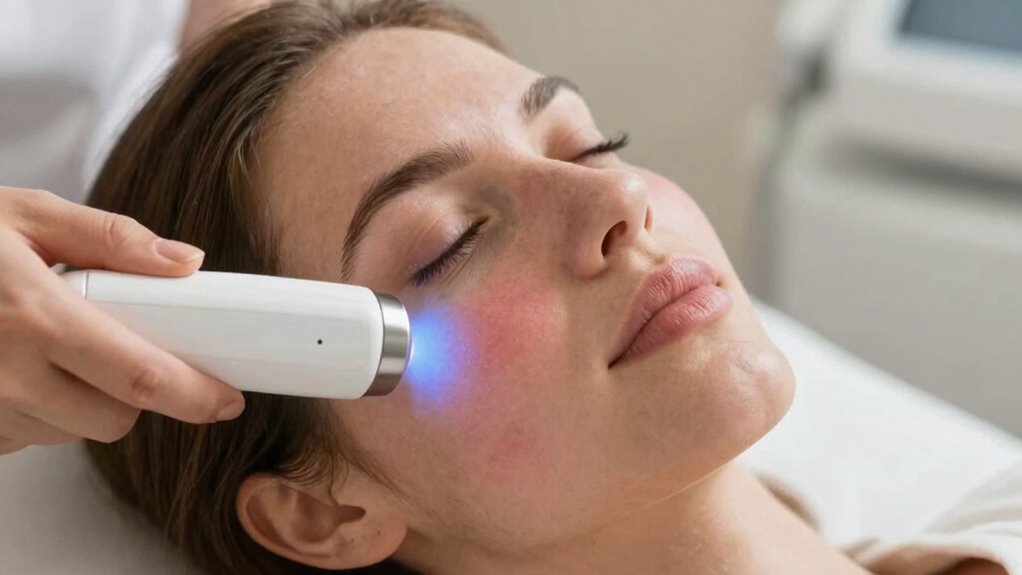

Focusing only on spot treating with at-home IPL devices may seem quick and easy, but it often leads to uneven results or skin issues if not done correctly. Spot treatments can be less effective and risky without proper knowledge, device settings, and skin assessment. Broad area treatments tend to offer more consistent, safer results. If you want to avoid common pitfalls and learn how to use IPL wisely, there’s more to take into account for safe, effective skin improvement.
Key Takeaways
- At-home IPL devices are primarily designed for spot treatments, not comprehensive photofacial skin rejuvenation.
- Relying solely on spot treatments may overlook underlying pigmentation or redness issues, leading to incomplete results.
- Overemphasis on targeted spots can cause uneven skin tone or hyperpigmentation if not applied properly.
- IPL photofacial requires broader coverage for optimal results, which at-home devices may not adequately provide.
- Professional treatments are recommended for comprehensive skin rejuvenation beyond the “spot treating” limitations of home IPL devices.
Understanding How IPL Works and Its Skin Benefits
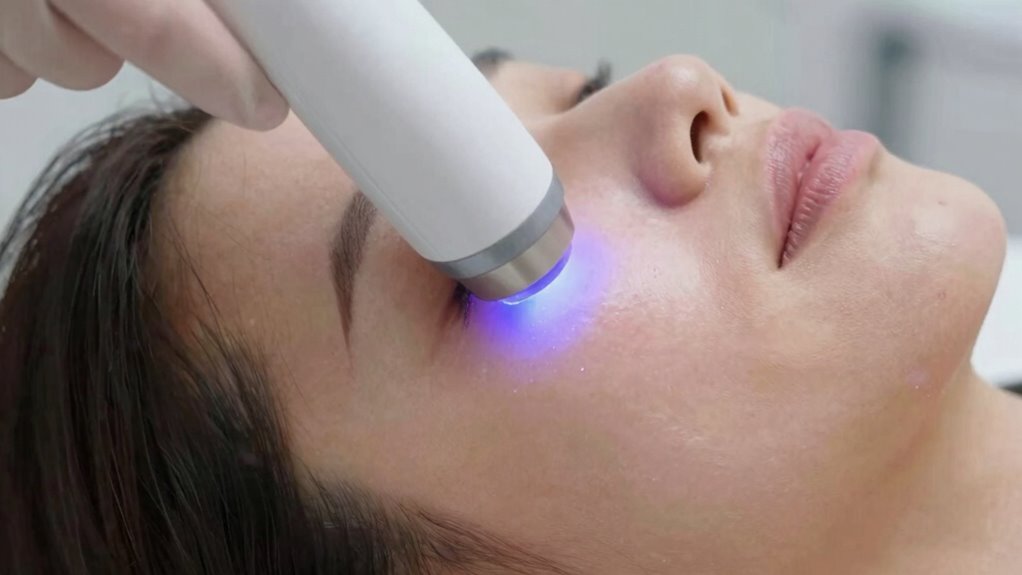
Intense Pulsed Light (IPL) works by emitting broad-spectrum light that penetrates your skin to target specific imperfections. Unlike traditional lasers, IPL uses a range of wavelengths, offering flexibility in addressing various skin concerns. Its laser precision allows it to focus on pigmented areas, effectively targeting excess melanin that causes dark spots or sun damage. This targeted pigment treatment helps break down pigment clusters without harming surrounding skin, promoting clearer, more even skin tone. IPL’s ability to selectively target pigmentation makes it a popular choice for reducing age spots, sun freckles, and other discolorations. This method’s precision minimizes damage, supporting safer, more effective skin rejuvenation. Understanding how IPL interacts with skin layers enhances its reputation as a safe and effective treatment option, especially considering its selective targeting of pigmentation, which reduces collateral damage. Additionally, the skin rejuvenation process can stimulate collagen production, further improving skin texture and elasticity. The specific wavelengths used in IPL can be adjusted to optimize treatment for different skin types and conditions. Moreover, light-based therapies like IPL can also improve overall skin tone and texture by promoting cellular renewal.
Is Spot Treating With At-Home IPL Safe? Common Misconceptions
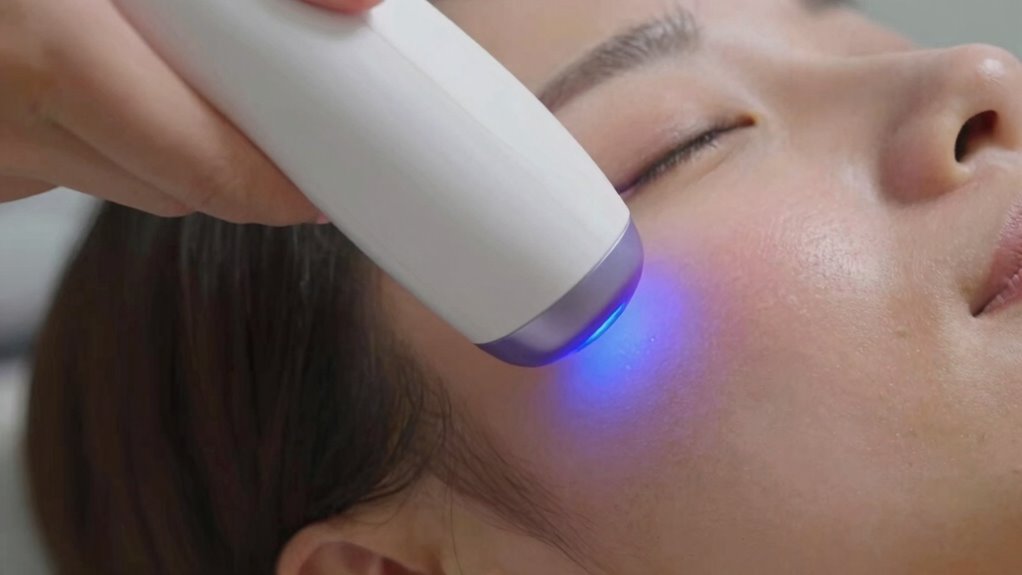
Many people believe spot treating with at-home IPL is completely safe, but it’s important to understand the potential risks involved. While home devices can be effective, misconceptions may lead you to overlook safety precautions. Knowing the facts can help you use IPL confidently and avoid common pitfalls. Proper technique and understanding the device’s limitations are essential for safe and effective treatment. Additionally, using vehicle protection accessories like remote car covers or gear upgrades can help safeguard your investment from damage during treatments or storage. Moreover, understanding the importance of device specifications such as wavelength and energy levels can ensure more accurate and safe treatments. Being aware of essential safety tips like avoiding water contact and proper placement can further reduce hazards associated with device use. Incorporating regional safety standards can also help ensure your device use aligns with recommended safety guidelines.
Safety Risks of Spot Treating
While spot treating with at-home IPL devices might seem convenient, it’s important to understand the safety risks involved. Improper use can lead to skin pigmentation issues, such as hyperpigmentation or hypopigmentation. Since these devices deliver intense pulses of light, targeting only specific spots might seem safe, but overexposure or incorrect settings can damage surrounding skin. Spot treating without professional guidance increases the risk of burns or scars, especially on sensitive areas. Your skin’s response varies, and uneven treatment can worsen pigmentation problems instead of improving them. Additionally, proper device calibration is essential for safe and effective treatment. Always follow manufacturer instructions carefully and consider consulting a dermatologist before attempting spot treating at home. Missteps can lead to long-term skin concerns, making treatment safety a top priority. Moreover, understanding the risks of improper IPL use can help prevent adverse outcomes and ensure your skin remains healthy. It’s also important to recognize that individual skin sensitivity varies significantly, so what works for one person might not be safe for another. Furthermore, being aware of potential long-term effects can help you make more informed decisions about at-home IPL treatments.
Effectiveness of Home IPL
Spot treating with at-home IPL devices might seem like an effective way to target specific spots, but the reality is more complex. These devices often lack the power necessary for significant results, making them less effective than professional treatments. Additionally, laser safety is a concern; improper use can damage your skin or worsen pigmentation issues. At-home IPL devices are generally less capable of addressing varied skin pigmentation safely, especially for darker skin tones, risking uneven results or hyperpigmentation. Spot treating may seem convenient, but it often leads to inconsistent outcomes. For ideal safety and effectiveness, professional treatments are recommended, as trained practitioners can adjust settings based on your skin type and pigmentation, ensuring safer, more predictable results. Furthermore, proper device calibration is essential to minimize risks and optimize treatment outcomes, which is difficult to achieve with at-home devices. Understanding skin response to IPL can help you better assess the potential risks and benefits of treatment options. Recognizing the importance of professional guidance can also significantly improve safety and results.
Common Misconceptions About IPL
Is spot treating with at-home IPL devices truly safe? Many believe DIY safety measures make it risk-free, but that’s a misconception. At-home IPL can increase skin sensitivity and cause burns if misused. Spot treating specific areas might seem efficient, but uneven application can lead to uneven results or damage. Imagine this scenario:
| Safe Use | Risky Use | Result |
|---|---|---|
| Follow instructions carefully | Ignoring guidelines | Skin irritation |
| Use proper eye protection | Using incorrect settings | Burns or pigmentation |
| Test on small patch first | Overusing or overlapping | Scarring or hyperpigmentation |
Before you decide to spot treat, understand that DIY safety isn’t foolproof. Proper knowledge and caution are essential to avoid skin sensitivity issues. Additionally, understanding cabling solutions and proper device maintenance can help prevent unnecessary complications and ensure safe usage. Being aware of skin response and monitoring for adverse effects can further reduce risks. Moreover, understanding recommended treatment protocols can help achieve optimal results while minimizing side effects. Remember that a comprehensive approach involving professional guidance can significantly reduce potential hazards.
What Are the Risks of Using IPL on Specific Spots Without Professional Guidance?
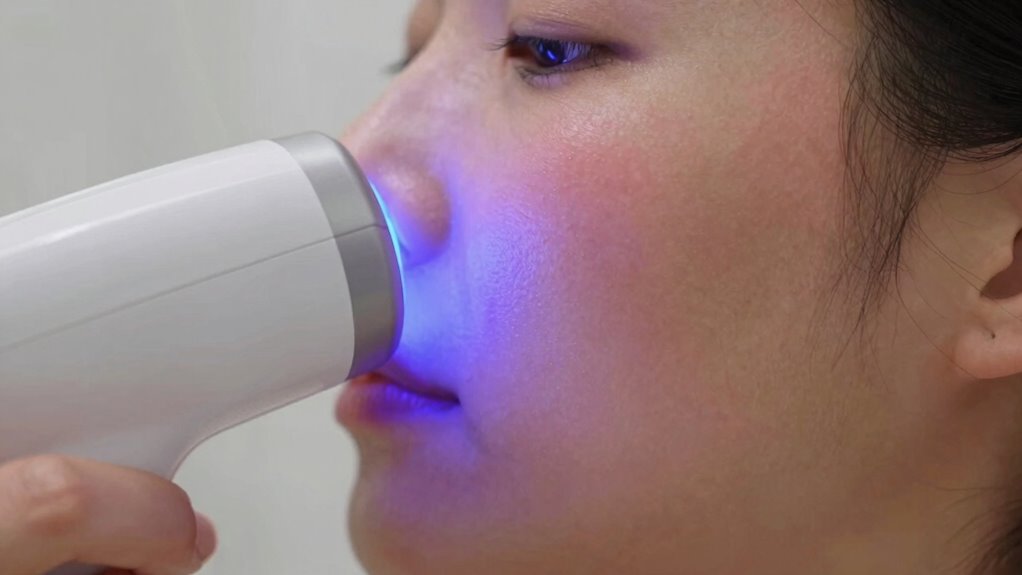
Using IPL on specific spots without professional guidance can lead to unexpected and sometimes serious side effects. DIY skincare might seem convenient, but spot treating without expert advice increases your risk of burns, scars, and pigmentation changes. IPL devices emit intense pulses of light that need precise targeting; without proper knowledge, you could damage surrounding skin or worsen existing issues. Tanning risks also rise when using IPL improperly, as it can cause uneven pigmentation or make your skin more sensitive to UV exposure. Self-administered treatments lack the safety protocols a professional provides, increasing the chance of side effects. Always consult a skincare expert before attempting IPL treatments on specific spots to prevent long-term damage and ensure safe, effective results. Additionally, indoor air quality can impact skin health, highlighting the importance of maintaining a clean environment to support overall skin and health safety. Proper power storage and environmental control are essential to prevent device malfunctions and ensure safe treatment conditions. Furthermore, understanding safe usage guidelines can significantly reduce the risks associated with DIY IPL treatments.
How to Develop a Safe and Effective IPL Skincare Routine
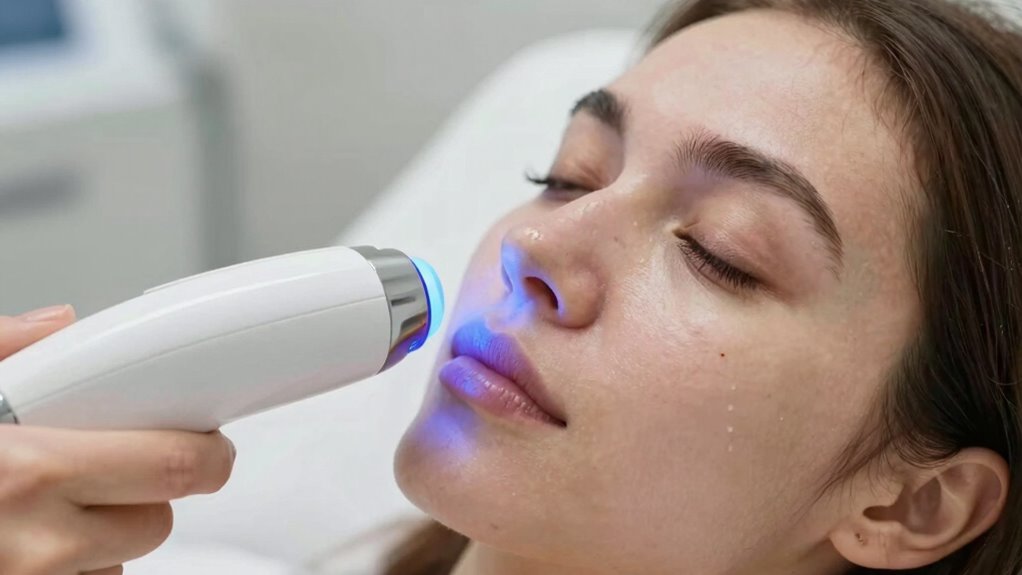
Creating a safe and effective IPL skincare routine starts with understanding your skin type and concerns. Knowing your skin helps you select the right device settings and treatment areas, reducing risks. Consistently maintain your IPL device by cleaning and inspecting it, ensuring peak performance and safety. Proper device maintenance prevents malfunctions and infections. Prioritize skin hydration before and after treatments, as well-hydrated skin responds better and minimizes irritation. Always follow manufacturer instructions for timing and frequency, avoiding overuse. Keep a treatment journal to track progress and reactions, adjusting your routine if needed. Remember, patience is key—building a routine that respects your skin’s limits leads to better results and fewer complications.
What Should You Consider Before Starting At-Home IPL Treatments?
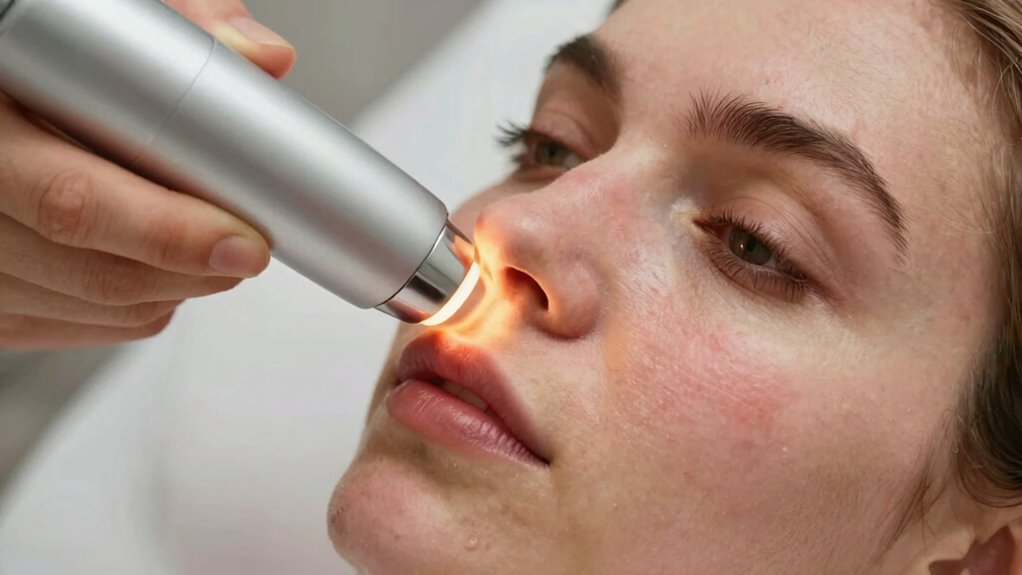
Before starting your at-home IPL treatments, it’s important to evaluate whether your skin and health conditions are suitable for this type of procedure. Prioritize DIY safety by thoroughly researching the device you plan to use and follow all manufacturer instructions. Proper device calibration is essential to ensure the IPL device delivers the correct light intensity, minimizing the risk of burns or ineffective results. Check if your skin type and concerns align with IPL treatment, and avoid using it if you have active infections, open wounds, or certain medical conditions. Consulting a healthcare professional beforehand can help determine if at-home IPL is appropriate for you. Remember, rushing into treatments without proper evaluation can compromise safety and outcomes.
Why Broad Area IPL Treatments Often Deliver Better Results
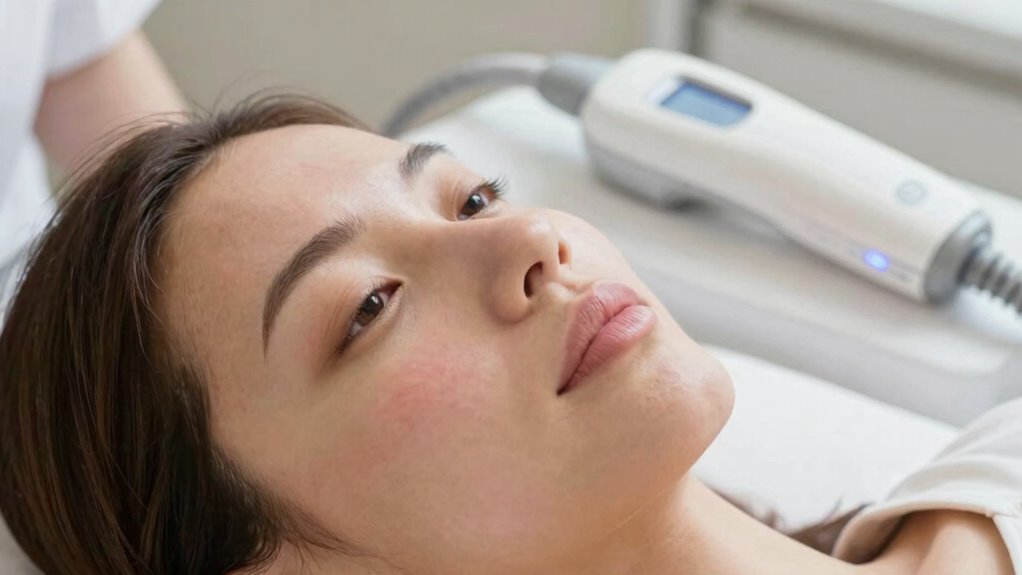
Broad area IPL treatments tend to produce better results because they target larger sections of skin at once, ensuring more uniform coverage. Spot treatments may seem convenient, but they often only address skin deep issues and can miss underlying pigmentation or redness. When you treat wider areas, you activate a more extensive healing response, leading to smoother, more even skin. Consider these benefits:
- Achieve consistent results across your entire face or body, reducing patchiness.
- Minimize the risk of uneven spots or residual pigmentation.
- Save time by covering larger areas in fewer sessions.
Focusing solely on spot treating can trap you into a cycle of superficial fixes that don’t address the root causes. Broad area treatments, when done correctly, penetrate deeper, delivering more effective, lasting results.
Tips to Maximize IPL Results and Minimize Risks
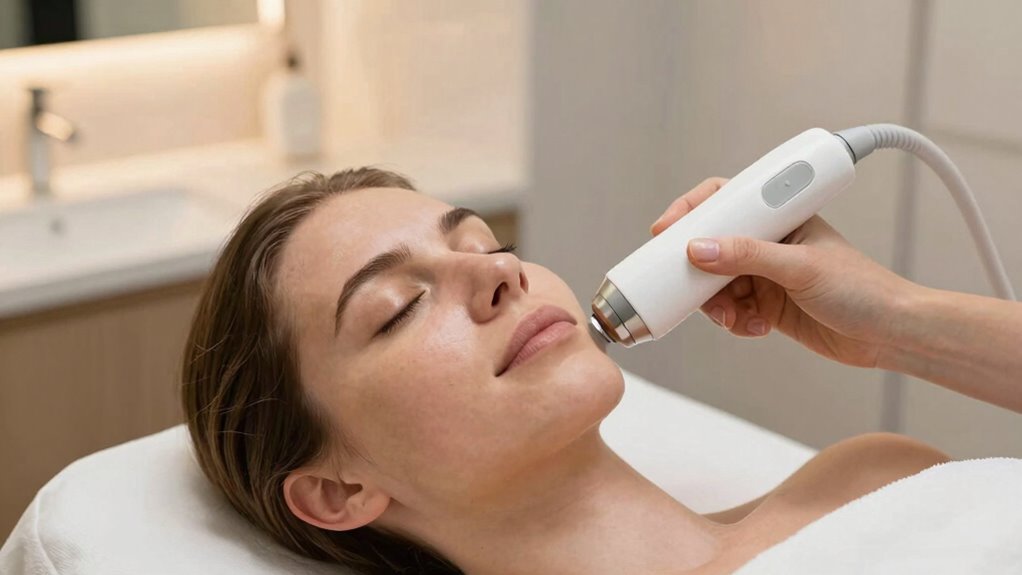
To get the best results from your IPL treatments while minimizing risks, it’s essential to follow proper preparation and aftercare guidelines. Avoid DIY skincare that irritates your skin before treatment, and always clean your face thoroughly. Use sunscreen daily to protect treated areas from UV exposure. Limit sun exposure and avoid tanning beds after treatments. Remember, IPL is a cosmetic procedure, so don’t skip professional advice or over-rely on DIY methods. Here’s a quick overview:
| Preparation | Aftercare |
|---|---|
| Avoid harsh skincare products | Keep skin moisturized |
| Stay out of direct sunlight | Use sunscreen consistently |
| Follow device instructions carefully | Avoid strenuous activity immediately after |
Sticking to these tips helps ensure safe, effective results.
When Should You Consult a Professional for IPL Treatments?
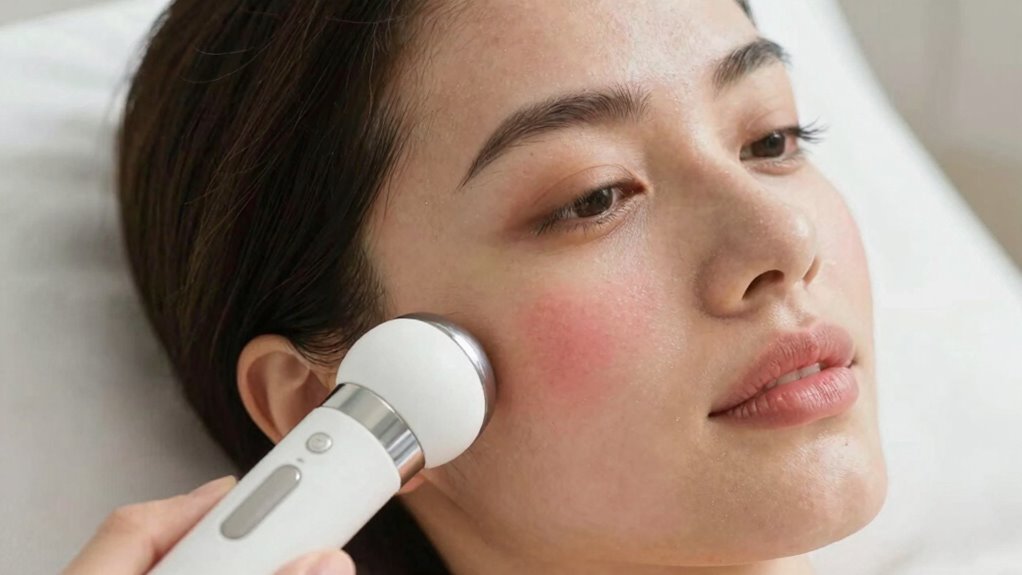
If you notice persistent or severe skin concerns, it’s time to see a professional rather than try at-home treatments. Understanding your skin’s limits and potential risks can help you decide when expert guidance is advisable. Consulting a specialist ensures safe, effective IPL treatments tailored to your needs.
Recognize Skin Concerns
Wondering when it’s time to see a professional about IPL treatments? If you notice certain skin concerns, it’s a clear sign you should consult an expert. Professional cosmetic procedures are tailored for specific issues and guarantee safe skin rejuvenation. Consider these warning signs:
- Persistent redness or rosacea that worsens over time
- Dark spots or pigmentation that don’t fade with over-the-counter treatments
- Unexplained bumps, growths, or moles that change in appearance
These issues may indicate underlying conditions needing professional assessment. Attempting at-home treatments for such concerns can lead to ineffective results or further damage. Recognizing these skin concerns early helps you decide when expert care is necessary for safe, effective cosmetic procedures and ideal skin rejuvenation.
Understand Treatment Limits
While IPL treatments can effectively improve many skin concerns, they aren’t suitable for every issue or skin type. Knowing your limits helps guarantee DIY safety and treatment accuracy. If you have darker skin, recent sun exposure, or active skin infections, it’s best to consult a professional. They can assess whether IPL is appropriate or if other options suit you better.
| Concern | When to Seek Professional Help |
|---|---|
| Uncertain skin response | If unsure, see a dermatologist |
| Complex skin conditions | Consult a specialist before treatment |
| Multiple skin issues | Professional guidance ensures safe, effective results |
| Skin type limitations | Experts can adapt treatments for your skin type |
Identify Potential Risks
Knowing when to consult a professional is essential to avoid potential risks associated with IPL treatments. Spot treating with DIY devices can seem tempting, but it may lead to serious issues if you ignore warning signs. Consider seeking expert help if:
- You notice persistent redness, swelling, or blistering after using your device—these signals your skin needs professional assessment.
- You’re targeting large or complex areas beyond the device’s limitations, risking uneven results or damage.
- You experience pain or discomfort during or after treatment, which indicates your skin isn’t tolerating the process safely.
Relying solely on at-home IPL devices for spot treating can be risky when device limitations are exceeded or adverse reactions occur. When in doubt, consulting a professional ensures safe, effective results.
Wrapping Up: Making Informed Decisions With At-Home IPL Devices
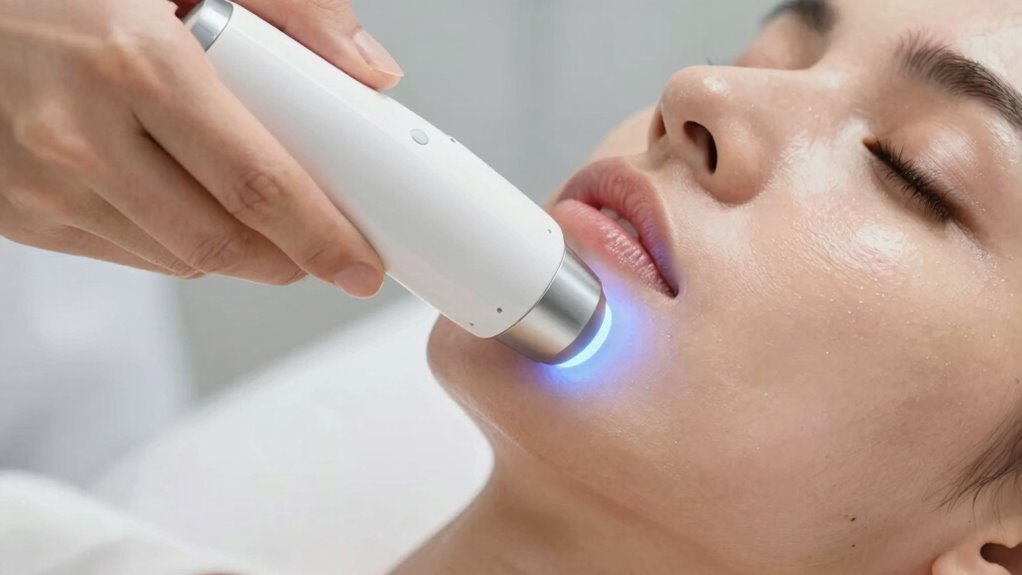
Deciding to use an at-home IPL device requires careful consideration of its benefits and limitations. You need to prioritize laser safety by following manufacturer instructions precisely to avoid skin damage. Understand that these devices may not match professional treatments in effectiveness, especially for complex skin concerns. Assess your skincare routines to ensure compatibility with at-home IPL use, avoiding products or medications that increase photosensitivity. Make informed decisions by researching device features, reading reviews, and consulting with a dermatologist if unsure. Remember, at-home IPL devices are tools that can complement, but not replace, professional advice and treatments. By staying cautious and educated, you can better protect your skin while achieving your desired results safely.
Frequently Asked Questions
Can At-Home IPL Devices Target Multiple Skin Concerns Simultaneously?
Yes, at-home IPL devices can target multiple skin concerns, but they have device limitations. These devices often focus on spot treatment, making it challenging to address larger areas or different issues simultaneously. While you might see some improvement, you won’t get the same all-encompassing results as professional treatments. Be aware of these limitations to avoid over-relying on your device, which might not effectively treat all your skin concerns at once.
How Do I Identify if a Spot Is Suitable for IPL Treatment?
To determine if a spot is suitable for IPL treatment, start with a thorough spot assessment. Check if the spot is uniform in color, flat, and stable over time. Avoid treating moles, freckles, or areas with irregular borders or changes in appearance, as these may not be appropriate for IPL. If unsure, consult a dermatologist for an expert treatment suitability evaluation to ensure safety and effectiveness.
What Maintenance Is Required After Completing At-Home IPL Sessions?
Think of your skin like a garden—regular maintenance keeps it thriving. After at-home IPL sessions, you should stick to a consistent skincare routine, including gentle cleansing, moisturizer, and sunscreen. Avoid sun exposure and harsh products. It’s wise to schedule dermatologist consultations for ongoing advice and skin assessments. This ongoing care helps maintain your results and keeps your skin healthy, just like watering and caring for a garden guarantees its beauty flourishes.
Are There Specific Skin Tones or Types That Respond Better to IPL?
You’ll find that lighter skin tones typically respond better to IPL treatments, as they allow the light to target pigmented areas effectively. Skin type considerations also matter—those with sensitive or darker skin may experience uneven results or increased risk of side effects. Always check your skin tone suitability before starting IPL, and consider consulting a skincare professional to guarantee your skin type aligns with safe and effective treatment options.
How Do I Recognize Adverse Reactions During or After IPL Treatments?
You need to stay alert like a vigilant guardian during and after IPL. Watch for signs like redness, swelling, blistering, or dark patches—these are your body’s warning signals. Conduct a patch test beforehand to catch allergy symptoms early. If you notice persistent discomfort, intense itching, or unusual discoloration, stop treatment and consult a professional. Your skin’s safety depends on recognizing these adverse reactions early and acting swiftly.
Conclusion
Remember, at-home IPL is like walking a tightrope—you need balance and caution. While it promises radiant skin, rushing into spot treatments without guidance can backfire, turning your skincare journey into a minefield. Educate yourself, follow safety tips, and don’t hesitate to seek professional advice when in doubt. With patience and proper care, you’ll steer clear of pitfalls and let your skin shine like a well-tended garden, blossoming with confidence.