TL;DR

Get wellness gear delivered free — and shop member deals
- Fast, free delivery on millions of items
- Access to Prime Big Deal Days deals on October 6–7
- Prime Video, Amazon Music and more included
Blue light blocking glasses filter high-energy blue light from screens, helping reduce eye strain and potentially improving sleep. They come in various styles and levels of filtering, suited for different needs. Scientific evidence shows benefits for many users, especially those with long screen hours.
Ever stare at your screen until your eyes feel gritty, tired, and dry? Or struggle to fall asleep after a long day of scrolling? Blue light blocking glasses might just be the easy fix you need. These sleek, stylish frames are designed to filter out the high-energy blue light emitted from your devices, aiming to keep your eyes comfortable and your sleep on track. But do they really work? And which pair is right for you? That’s what we’ll uncover here.
In this guide, you’ll learn how blue light glasses function, what benefits they offer, and how to choose the best pair for your lifestyle. Whether you’re a gamer, a remote worker, or just someone who spends hours glued to your phone, understanding these glasses can help you make smarter choices for your eye health and sleep quality.
Blue light filtering glasses can significantly reduce eye strain symptoms, especially for heavy screen users.
Choose frames based on your style, comfort, and whether you need prescription lenses; a good fit encourages daily use.
Latest tech includes adjustable tints and integration with smart devices, making glasses more adaptable.
They work best when combined with habits like taking breaks, dimming screens, and avoiding screens before bed.
While generally safe, some users notice minor visual distortions; try different styles to find what fits best.
What Are Blue Light Blocking Glasses, and Do They Really Help?
Blue light blocking glasses are eyewear designed to filter out a specific part of the visible spectrum—blue light, which ranges from about 380 to 500 nanometers. These glasses usually have lenses tinted yellow or amber, which absorb or block blue wavelengths. For example, if you work late at night or binge-watch sci-fi series, these glasses can cut down on the blue light hitting your eyes.
Many users report feeling less eye strain, fewer headaches, and better sleep. According to recent surveys, up to 60% of adults experience digital eye strain, and blue light glasses are a popular tool to ease these symptoms. While the scientific jury is still out on whether they prevent long-term eye damage, most agree they’re helpful for immediate comfort.
It’s important to understand that the primary benefit of these glasses is comfort and sleep quality rather than preventing permanent eye damage. The blue light spectrum overlaps with the wavelength that can interfere with melatonin production, which regulates sleep. By reducing blue light exposure, especially before bedtime, these glasses can help maintain your natural sleep rhythm. However, they are not a substitute for good sleep hygiene or minimizing screen time altogether. The tradeoff involves balancing the aesthetic appeal and comfort of the glasses with their actual filtering capacity—some glasses filter more blue light than others, and this can impact their effectiveness.
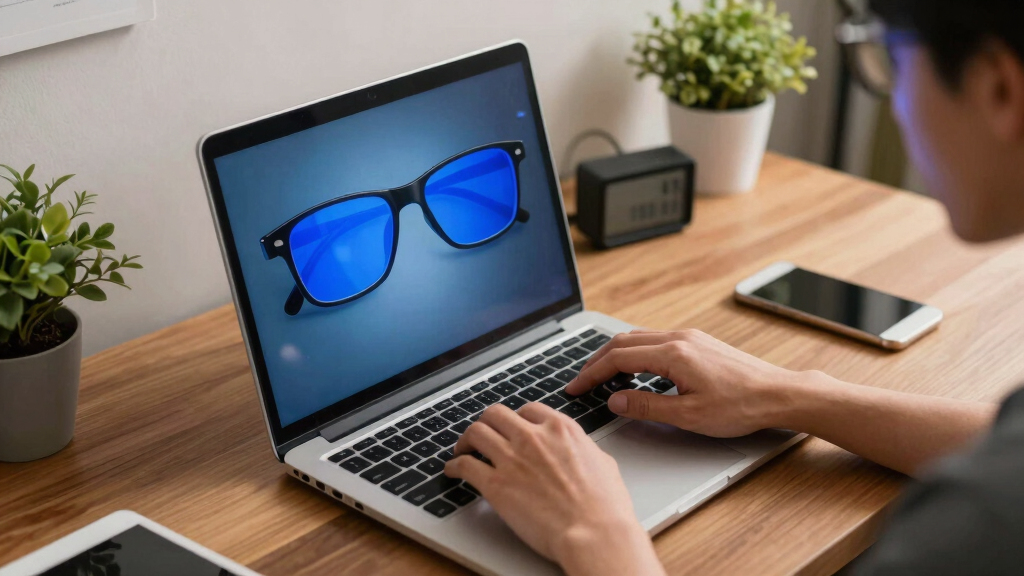
blue light blocking glasses for computer
As an affiliate, we earn on qualifying purchases.
As an affiliate, we earn on qualifying purchases.
How Blue Light Blocking Glasses Protect Your Eyes During Screen Time
When you stare at screens—whether on your laptop, tablet, or phone—your eyes are exposed to intense blue light. This light can cause dryness, irritation, and blurred vision. Blue light blocking glasses act like a filter, reducing the amount of blue light that reaches your retina.
Imagine working on a report at night. Without glasses, your eyes might feel gritty after an hour. With blue light glasses, that discomfort can diminish by around 20-30%. They’re especially useful if you notice headaches or eye fatigue after long sessions. Think of them as sunglasses for your digital life—only designed for indoor use.
While they don’t eliminate blue light entirely, they significantly reduce the intensity reaching your eyes, which can help prevent the visual fatigue associated with prolonged screen exposure. This reduction can lead to less dryness and irritation, as blue light contributes to increased eye strain by stimulating prolonged eye focusing and blinking patterns that can cause dryness. The tradeoff here involves choosing lenses that offer enough filtering to be effective without overly distorting colors or brightness, which might interfere with your daily activities or work tasks.
For example, a graphic designer might wear these glasses during 8-hour shifts to stay comfortable and focused, reducing the likelihood of developing chronic discomfort or headaches due to prolonged exposure.
Which Style Fits Your Life: Fashion, Function, or Both?
Blue light glasses come in a rainbow of styles—some sleek and minimalist, others bold with bright colors. Comfort matters just as much as looks. If you’re wearing them all day, look for lightweight frames with adjustable nose pads. Want a pair that matches your office wardrobe? Plenty of brands blend fashion with function.
Here’s a quick comparison:
| Style Type | Best For | Features |
|---|---|---|
| Fashion-forward | Everyday wear, social settings | Trendy frames, various colors, may have tinted lenses |
| Functional | Long hours at screens, work from home | Lightweight, ergonomic, anti-reflective coating |
| Prescription-compatible | People needing vision correction | Custom lenses with blue light filtering |
Choosing the right pair depends on your daily routine, style preference, and comfort needs. For example, if you’re a student glued to your laptop, lightweight, non-slip frames might be your best bet.
What’s New in Blue Light Glasses? Tech and Trends to Watch
New tech makes blue light glasses smarter and more adaptable. Some brands now offer lenses with adjustable tint, so you can switch from clear to amber with a tap. Imagine sitting in a bright office and then unwinding at home—your glasses can adapt to your environment.
Market-wise, more companies are integrating blue light filters into their regular eyewear lines. Big names like Warby Parker and Ray-Ban now feature models with built-in blue light filters. Plus, tech giants like Apple and Google are adding blue light reduction features directly into their devices, sometimes reducing blue light exposure by up to 50%.
Experts say these innovations could make wearing blue light glasses more seamless and personalized. Still, keep in mind: these glasses are just one piece of the puzzle. Good habits, like taking regular breaks, remain vital.
Furthermore, technological advancements are making these glasses more customizable, allowing users to choose the level of blue light filtering based on their specific needs. This means you can tailor your eyewear to your work environment or sleep schedule, maximizing comfort and efficacy. However, it’s important to recognize that these innovations often come with increased costs or complexity, which might not be necessary for casual users. The key is to weigh the benefits of advanced features against your actual lifestyle needs.
How to Pick the Perfect Pair for Your Needs
Choosing the right blue light glasses boils down to your lifestyle and preferences. Here’s a simple 3-step process:
- Assess your screen time: Do you work on screens 4+ hours daily? Or just occasionally? More screen time typically means greater benefit.
- Decide on features: Want stylish frames or maximum filtering power? Are prescription lenses necessary?
- Test comfort and style: Try them on. Do they fit well without pinching? Do they match your style? Comfort encourages wear, which is key.
For example, if you work from home and spend 8 hours on a laptop, a pair with high blue light filtration and a comfortable, lightweight frame might be your best choice.
Are Blue Light Glasses Worth It? The Real Benefits and Limits
Do blue light glasses actually work? For many, yes—especially in reducing eye discomfort and helping with sleep. Studies find they can cut symptoms like dryness and headaches by roughly 20%. Plus, delaying melatonin suppression can help you fall asleep faster.
But they’re not magic. Blocking blue light won’t fix all sleep issues or eye problems. They work best when combined with good habits—like taking screen breaks every 20 minutes and dimming lights at night. Think of them as a helpful tool, not a cure-all.
Understanding their true value involves recognizing their limitations. They are most effective when integrated into a broader strategy of digital health, including proper lighting, screen management, and sleep routines. Relying solely on blue light glasses without addressing these factors can lead to unmet expectations or overuse. The tradeoff is that while they can improve comfort, they don’t eliminate the root causes of digital eye strain or sleep disruption, which often involve behavioral habits.
For example, a software developer might wear them during late-night coding sessions and see noticeable relief from eye fatigue, but still needs to practice good sleep hygiene for optimal results.
Are There Any Downsides or Risks?
Blue light glasses are generally safe and pose minimal risks. Some users might notice a slight color tint that affects how they perceive their screen—images may look warmer or yellower. For most, this is a minor tradeoff for comfort. Rarely, some report mild dizziness or eye strain if lenses aren’t well-fitted.
Additionally, over-reliance on glasses without practicing good screen habits can limit their benefits. Remember: taking regular breaks and managing screen brightness are just as important as wearing glasses.
It’s also worth noting that not all blue light glasses are created equal. Cheaper or poorly manufactured lenses may not provide adequate filtering and could potentially cause eye strain or discomfort. It’s advisable to choose reputable brands and consult with an eye care professional if you experience persistent issues. Balancing the use of blue light glasses with healthy screen habits ensures maximum benefit and minimizes any potential drawbacks.
Frequently Asked Questions
Do blue light glasses really work?
Many users report less eye strain, fewer headaches, and better sleep. Scientific results vary, but they are generally helpful for comfort and sleep hygiene when used properly.
Are blue light glasses necessary for everyone?
Not for everyone. They’re most beneficial if you spend several hours daily on screens or experience discomfort. For occasional users, they might be optional.
Can blue light glasses damage my vision?
No. They’re designed to filter blue light safely and do not harm your eyesight. They simply reduce exposure to specific wavelengths.
Will they improve my sleep if I use screens at night?
They can help by reducing blue light exposure before bed. However, limiting screen time and practicing good sleep habits are equally important.
Are there any side effects or downsides?
Generally safe, but some may notice slight color tinting or visual distortion. Ensure a good fit to avoid discomfort, and try different styles if needed.
Conclusion
Blue light blocking glasses are a straightforward way to make your digital life more comfortable. They’re not a cure-all, but for many, a noticeable relief from eye fatigue and a subtle boost to sleep quality. Think of them as part of a toolkit—a simple, stylish step toward better screen habits and eye comfort.
Next time you settle in for a long session, consider slipping on a pair. Your eyes—and your sleep—might thank you later.
Fall Picks
fall essentials
As an affiliate, we earn on qualifying purchases.