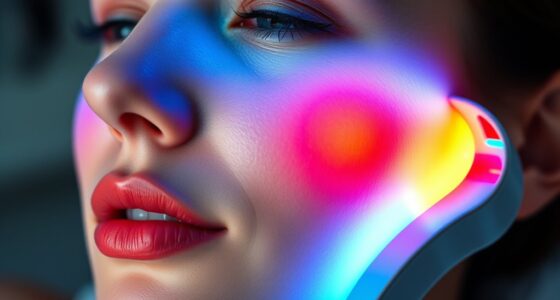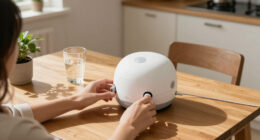

To safely use LED therapy around your eyes, choose FDA-approved devices designed for delicate skin, and always wear the provided goggles. Keep the device about 1-2 inches from your skin, and limit sessions to 10-15 minutes. Consult a professional first, and make certain your skin is clean before treatment. Following these safety tips can help you achieve better results without risking damage—continue to explore ways to protect your eye area effectively.

Get wellness gear delivered free with Prime
- Fast, free delivery on millions of items
- Prime Video, Amazon Music and more included
- Member-only deals all year
Key Takeaways
- Use FDA-approved LED devices specifically designed for eye area to ensure safety.
- Maintain proper distance (1-2 inches) and limit sessions to 10-15 minutes for safe treatment.
- Always wear protective goggles provided with the device to shield your eyes during therapy.
- Consult a dermatologist before starting LED eye treatments to tailor the safest approach.
- Follow manufacturer instructions carefully and stop use if you experience discomfort or adverse effects.

Have you ever wondered how LED therapy can brighten and rejuvenate the delicate skin around your eyes? It’s a popular non-invasive treatment that uses specific wavelengths of light to stimulate your skin’s natural healing processes. When you apply LED therapy correctly, it can reduce puffiness, diminish dark circles, and improve skin elasticity. This method is gentle enough for the sensitive eye area, making it an attractive option for those seeking visible results without surgery or harsh chemicals.
However, safety is paramount when using LED devices near your eyes. To ensure you’re protected, always choose FDA-approved or medically recommended LED devices designed specifically for facial or eye area use. These devices often come with built-in safety features, like adjustable intensity levels and protective goggles, to prevent accidental overexposure. Never use a device that isn’t intended for eye area treatment, as the intensity or wavelength might cause irritation or damage.
Choose FDA-approved LED devices with safety features for eye area use to prevent irritation or damage.
Before starting any LED therapy, it’s wise to consult with a dermatologist or skincare professional. They can evaluate your skin type and concerns to recommend the appropriate wavelength and treatment duration. Typically, red and near-infrared lights are preferred for eye rejuvenation because they penetrate deeper and promote collagen production, while avoiding blue or violet lights that might cause unnecessary irritation. Your specialist can also guide you on the proper distance to hold the device from your skin, usually about an inch or two, to optimize safety and effectiveness.
When you’re ready to treat your eye area, make sure your skin is clean and free of makeup or skincare products that could interfere with light absorption. Use gentle motions and avoid pressing too hard, as the delicate skin around your eyes is easily irritated. Limit sessions to the recommended time, often around 10-15 minutes per eye area, and do not overuse the device. Consistency is key—regular treatments over several weeks can produce noticeable improvements, but patience is essential.
It’s also wise to protect your eyes during therapy by wearing the provided goggles or shielding your eyes with sunglasses if goggles aren’t supplied. Always follow the manufacturer’s instructions for use and maintenance. If you experience any discomfort, redness, or unusual sensations, stop the treatment immediately and seek advice from your healthcare provider. Keep in mind that LED therapy is not a quick fix; it works gradually and safely when used responsibly. By following these safe strategies, you can harness the benefits of LED therapy to enhance your eye area without risking harm.
Additionally, understanding the spiritual significance of the number 7 can inspire patience and perseverance in your skincare journey, recognizing that meaningful results often require consistent effort over time.
FDA approved LED eye therapy device
As an affiliate, we earn on qualifying purchases.
As an affiliate, we earn on qualifying purchases.
Frequently Asked Questions
Can LED Treatments Cause Long-Term Eye Damage?
LED treatments generally don’t cause long-term eye damage when performed correctly. However, if you don’t follow safety guidelines, such as wearing protective goggles or keeping a safe distance from the device, you might risk eye strain or temporary discomfort. To stay safe, always follow professional advice and manufacturer instructions. If you experience persistent discomfort or vision issues afterward, consult an eye specialist promptly to rule out any damage.
Are There Specific LED Wavelengths Safer for Sensitive Eyes?
Think of LED wavelengths as different musical notes—some are gentle melodies, others are loud and harsh. For sensitive eyes, look for wavelengths in the red and near-infrared spectrum, which are generally safer. These wavelengths act like soft lullabies, minimizing risk. Always consult a professional to guarantee your treatment uses the safest, most appropriate wavelengths, helping you enjoy the benefits without risking your eye health.
How Should I Protect My Eyes During LED Therapy?
To safeguard your eyes during LED therapy, always wear suitable protective eyewear designed for the specific wavelength used. Keep your eyes closed and avoid staring directly at the light source. Follow the therapist’s instructions carefully, including session duration and distance from the LED device. If you experience discomfort, redness, or irritation, inform your provider immediately. Regularly check your equipment’s safety features to guarantee maximum protection.
Is There an Age Limit for Safe LED Eye Treatments?
You’re never too young or old to shine, but age can influence LED eye treatment safety. Generally, there’s no strict age limit, yet children and seniors should consult a healthcare professional first. Your eyes are like delicate flowers, needing gentle care. Always follow expert advice and use protective measures like goggles. This way, you guarantee a safe, glowing experience that nurtures rather than harms your precious eyesight.
Can LED Therapy Worsen Existing Eye Conditions?
Yes, LED therapy can worsen existing eye conditions if not used properly. If you have eye issues like glaucoma, cataracts, or retinal problems, you should consult your doctor before undergoing treatment. LED light, especially if intense or improperly directed, could potentially aggravate these conditions. Always inform your provider about your eye health to ensure the therapy is safe and tailored to your needs.
Conclusion
You might worry that LED treatments could harm your eye area, but with proper precautions, they’re safe. Remember, neglecting eye protection poses a bigger risk than the treatment itself. Prioritize using recommended shields and follow professional guidance. Taking these simple steps shows you value your eye health and well-being. Don’t let fear hold you back from benefiting from LED skincare—stay informed, stay cautious, and enjoy the safe, effective results.
Halloween Picks
halloween
As an affiliate, we earn on qualifying purchases.