
You don’t need to cut out your devices if you’re sensitive, you just need to time their use better. Space out treatments, especially exfoliants, and allow your skin enough time to recover. Pair device use with calming products and avoid combining harsh treatments too close together. Protect your skin with daily sunscreen, especially when using any device. Mastering the right timing can help you get maximum benefits while minimizing irritation—keep going, and you’ll discover how to do it effectively.

Get wellness gear delivered free with Prime
- Fast, free delivery on millions of items
- Prime Video, Amazon Music and more included
- Member-only deals all year
Key Takeaways
- Proper scheduling of device use allows skin recovery, reducing irritation without eliminating beneficial treatments.
- Space out exfoliation and device treatments to prevent overstimulation and maintain skin tolerance.
- Incorporate soothing, hydrating products post-treatment to support skin healing and minimize sensitivity.
- Prioritize sun protection to shield sensitive skin from UV damage during and after device use.
- Gradually introduce treatments, paying attention to skin’s response to optimize results and prevent overuse.
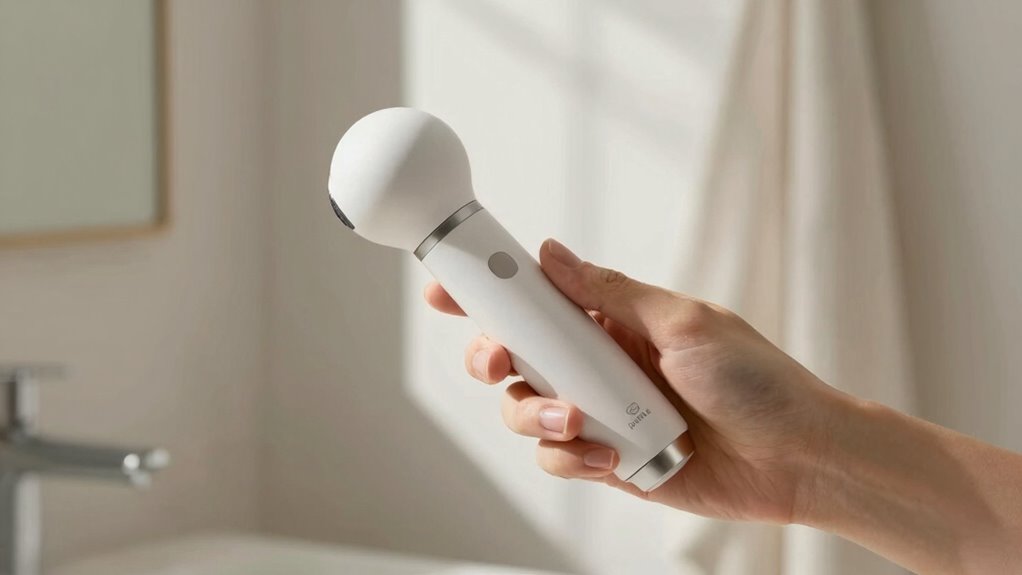
If you have sensitive skin, managing your skincare routine isn’t about using fewer devices, but about timing their use more thoughtfully. Sensitive skin reacts easily to harsh ingredients, overstimulation, or inconsistent routines. Instead of cutting out devices altogether, focus on when and how you incorporate them into your regimen. Proper timing reduces irritation and allows your skin to recover, making your skincare more effective.
One of the most critical aspects to weigh is chemical exfoliation. While it’s beneficial for removing dead skin cells and brightening your complexion, overdoing it can lead to redness, dryness, or increased sensitivity. If you’re using chemical exfoliants, do so on days when your skin feels resilient, and always follow up with soothing, hydrating products. Avoid using exfoliants immediately before or after other aggressive treatments, like facial devices or strong cleansers, as this can compound irritation. Instead, space out chemical exfoliation and prioritize gentle, calming routines on off days. This thoughtful timing helps your skin build tolerance without sacrificing the benefits of exfoliation.
Space out chemical exfoliation and pair with soothing products to protect sensitive skin.
Sun protection is another vital element that demands your attention, especially when managing sensitive skin. Daily application of a broad-spectrum sunscreen is non-negotiable, but timing matters here too. Apply sunscreen as the final step of your morning routine, about 15 minutes before sun exposure, giving it time to set properly. If you’re planning outdoor activities, reapply every two hours, or more often if you’re sweating or swimming. Proper sun protection shields your skin from UV damage, which can exacerbate sensitivity and cause long-term harm. Remember, some skincare devices—like certain laser or light therapies—may increase your skin’s vulnerability to the sun. In those cases, avoid sun exposure altogether during the recovery period and for a few days afterward, ensuring your skin isn’t put under unnecessary stress. Additionally, understanding how active ingredients interact with devices can help prevent adverse reactions and optimize your routine.
Ultimately, the key isn’t avoiding devices or active ingredients altogether; it’s about respecting your skin’s limits and giving it time to adjust. Incorporate chemical exfoliation gradually, and always pair it with gentle, nourishing products. Prioritize sun protection by applying and reapplying sunscreen diligently, especially when using devices or treatments that heighten sensitivity. When you adopt a mindful approach to timing, you’ll find your skin becomes less reactive, healthier, and more resilient. It’s not about fewer devices — it’s about smarter, more considerate use that honors your skin’s need for balance and care.
gentle chemical exfoliant for sensitive skin
As an affiliate, we earn on qualifying purchases.
As an affiliate, we earn on qualifying purchases.
Frequently Asked Questions
How Can I Identify My Skin’s Specific Sensitivities?
To identify your skin’s sensitivities, start with patch testing new products on a small skin area before full application. Pay attention to reactions like redness, itching, or swelling. Keep a journal to track symptoms and note ingredients that cause irritation. Avoid known irritants and incorporate ingredient avoidance strategies. This careful approach helps you understand your skin’s specific sensitivities, allowing you to choose products that soothe rather than upset your skin.
Are There Any Ingredients to Avoid During Sensitive Skin Treatments?
You should avoid ingredients that may cause ingredient sensitivities or unwanted interactions, such as fragrances, alcohol, and harsh preservatives. Stay away from strong acids or retinoids if your skin is very sensitive, as they can increase irritation. Always read labels carefully to spot potential ingredient interactions that could aggravate your skin. By being cautious and choosing gentle, fragrance-free products, you help minimize the risk of reactions and keep your skin calmer.
What Are Signs That My Skincare Devices Are Causing Irritation?
You’ll notice irritation when your skin becomes red, itchy, or inflamed after using your skincare devices. If you experience discomfort, check if your device is properly calibrated—incorrect settings can cause over-treatment. Also, avoid layering incompatible products, as this can irritate sensitive skin. Pay attention to how your skin reacts during and after use to identify signs of irritation, and adjust your routine accordingly to prevent further issues.
How Does Climate Affect Sensitive Skin and Device Use?
When it comes to climate, you need to roll with the punches, especially if you have sensitive skin. Seasonal changes and humidity levels can make your skin more reactive, so timing your device use accordingly is key. During dry, cold months, cut back to avoid irritation. In humid seasons, you might find your skin tolerates devices better. Adjust your routine based on these shifts, and you’ll keep your skin happy and healthy.
Can Sensitive Skin Improve Over Time With Proper Timing?
Yes, sensitive skin can improve over time with proper treatment timing. As your skin builds resilience, you’ll notice fewer reactions and discomfort. By carefully scheduling treatments and avoiding overuse, you give your skin a chance to recover and strengthen. Consistent, gentle care helps enhance your skin’s resilience, making it less reactive. Patience and strategic treatment timing are key to seeing long-term improvements in sensitive skin.
Conclusion
Remember, your sensitive skin isn’t a battle to be fought with fewer devices, but a puzzle of perfect timing. Like a symphony that relies on harmony, your skincare routine thrives when you synchronize your treatments thoughtfully. So, instead of retreating from your favorite devices, learn to listen to your skin’s whispers. When you strike the right balance, you’ll discover that gentle, well-timed care transforms your routine from a challenge into a soothing ritual.
Halloween Picks
halloween
As an affiliate, we earn on qualifying purchases.