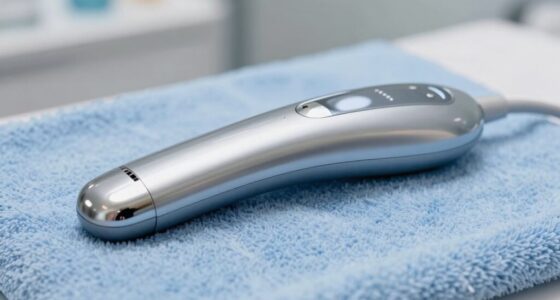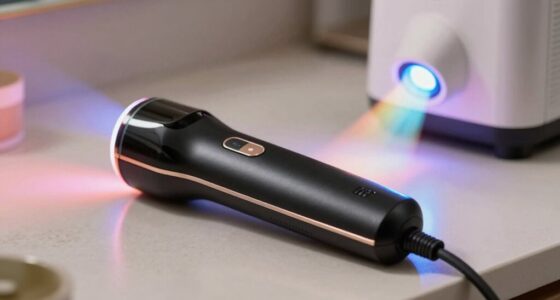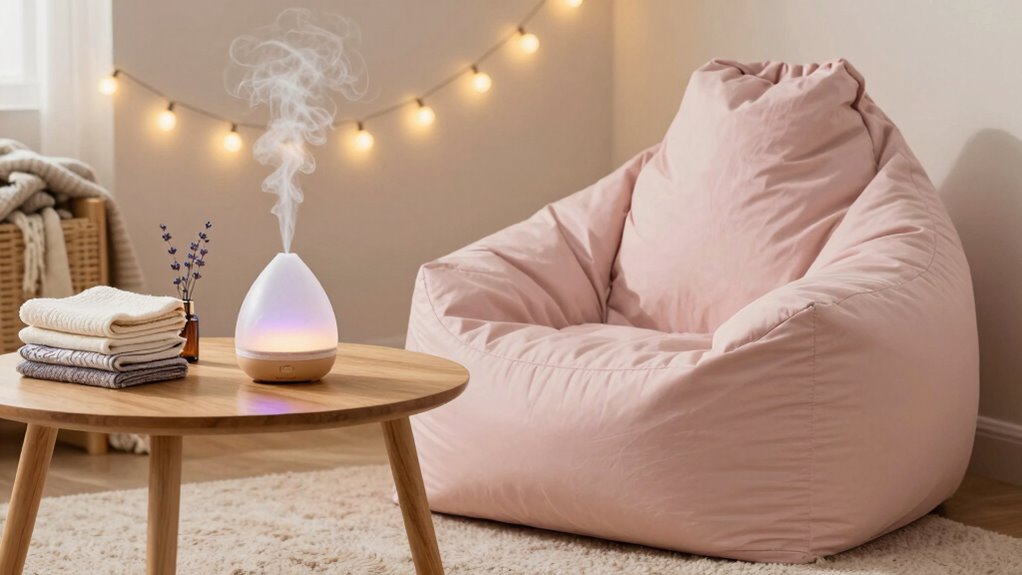

After a procedure, incorporating calming tools into gentle routines can profoundly enhance your recovery. Use soft textures, aromatherapy, and calming music in quiet moments to promote relaxation without overwhelming your senses. Focus on slow, deep breathing and avoid rushing to help ease discomfort and reduce stress. Creating consistent, simple routines helps your body and mind relax and heal. Keep exploring further to discover how to develop effective routines that support your well-being.
Get ready for Prime Big Deal Days — try Prime free
Exclusive member deals on October 6–7, plus fast free delivery. Cancel anytime.
As an affiliate, we earn on qualifying purchases.
Key Takeaways
- Incorporate calming tools gradually within quiet, stress-free environments to avoid sensory overload.
- Use gentle routines like deep breathing or soft music to enhance the soothing effects of calming tools.
- Practice patience and small steps when integrating routines to promote relaxation without overwhelming the patient.
- Establish consistent, simple routines at specific times to build associations with calmness and aid recovery.
- Complement calming tools with additional techniques like aromatherapy or guided meditation for deeper relaxation.
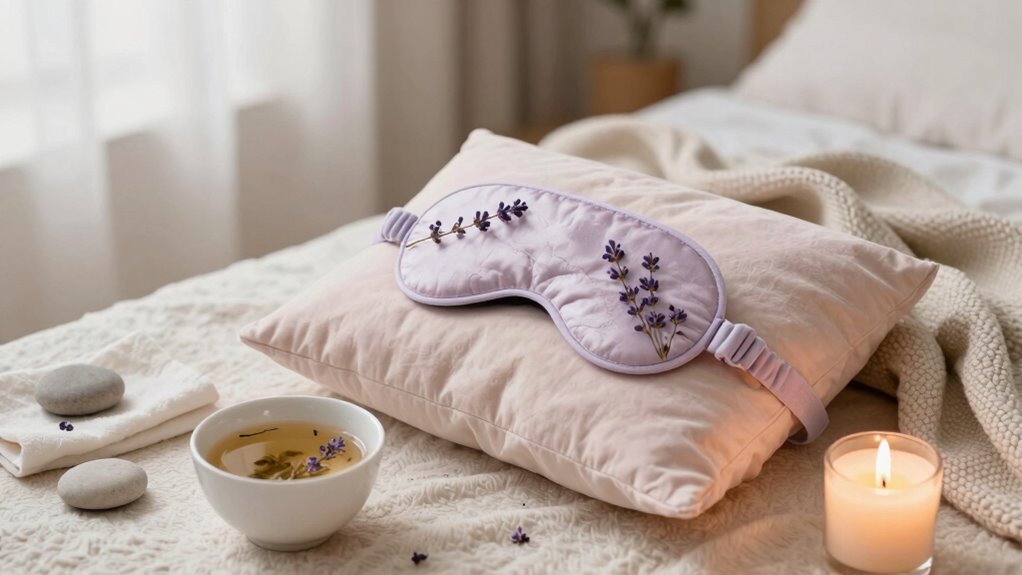
After a procedure, calming tools can make a significant difference in helping you relax and recover comfortably. When your body and mind are under stress, gentle routines around these tools become essential. They aren’t just about distraction; they’re about creating a soothing environment that promotes stress reduction and healing. You might find that incorporating sensory therapy techniques with your calming tools helps ease any lingering discomfort and calms your nerves. These tools, such as soft blankets, aromatherapy, or calming music, work best when used thoughtfully—without overwhelming your senses or rushing the process.
It’s important to approach your post-procedure routine with patience. Instead of rushing into activities or trying to do too much at once, take small steps to incorporate calming tools gradually. For example, if you’re using a weighted blanket or a soft pillow, settle into a quiet space where you won’t be disturbed. Focus on your breathing, inhaling slowly and deeply, which enhances stress reduction by calming your nervous system. Sensory therapy can be as simple as listening to gentle sounds or feeling the warmth of a heated pack. Incorporating relaxation techniques can help your body switch from a stress response to a more relaxed state, encouraging better recovery. Additionally, creating a calm environment can further enhance the effectiveness of your routines and promote overall well-being.
Creating routines around your calming tools shouldn’t feel complicated or overwhelming. Keep it straightforward: set aside a specific time each day to engage with your sensory therapy. Maybe it’s a few minutes of deep breathing with calming music or a gentle massage with essential oils. This consistency helps your brain associate these routines with relaxation, making it easier to enter a peaceful state when you need it most. Gentle routines also prevent overstimulation, allowing your senses to process stimuli gradually instead of becoming overwhelmed, which can be counterproductive after a procedure. Incorporating digital marketing tools that promote relaxation, such as guided meditation apps, can further enhance your calming routine. Moreover, understanding the importance of subconscious processes can help you develop more effective routines that support your mental and physical healing.
As an affiliate, we earn on qualifying purchases.
Frequently Asked Questions
How Long Should I Use Calming Tools After a Procedure?
You should use calming tools for about 15 to 30 minutes after a procedure, depending on the individual’s needs. During this time, incorporate gentle routines like relaxation techniques and sensory activities to help ease anxiety. Observe their response; if they seem calmer, you can gradually extend or reduce the duration. Consistent, gentle use helps create a soothing environment, promoting recovery and comfort during the post-procedure period.
Are There Age Restrictions for Using Calming Tools?
There are generally no strict age restrictions for using calming tools, but you should consider the child’s age and development. For very young children, gentle, soft, and simple calming tools work best, while older kids might benefit from more advanced options. Always supervise their use to guarantee safety. Tailor calming tools to your child’s needs, and consult a healthcare provider if you’re unsure about their suitability for specific ages.
Can Calming Tools Replace Professional Post-Procedure Care?
Calming tools can’t replace professional post-procedure care, but they can complement it as part of alternative therapies. You provide emotional support by incorporating gentle routines around these tools, helping to ease anxiety and promote relaxation. Always follow your healthcare provider’s advice and use calming tools as an adjunct, not a substitute. They help create a soothing environment, but professional care remains essential for proper recovery and safety.
What Are the Safest Calming Tools for Sensitive Skin?
For sensitive skin, you should choose calming tools made from gentle textures and hypoallergenic materials. Look for soft, plush fabrics or smooth silicone that won’t irritate your skin. Avoid anything with harsh chemicals or rough surfaces. Always test new tools on a small skin area first. These safe options help soothe your skin without causing discomfort, making your post-procedure routine more comfortable and effective.
How Do I Introduce Calming Tools to Anxious Children?
Think of calming tools as gentle anchors for anxious children. To introduce them, start with simple calming techniques like deep breaths or soft textures, and gently demonstrate how each tool works. Use reassuring language to build trust, and keep the routine consistent. Child comfort grows when they feel safe and in control, so let them explore new calming tools at their own pace, turning the experience into a comforting discovery rather than a challenge.
Conclusion
As you introduce calming tools after a procedure, remember that gentle routines nurture trust as much as the tools themselves soothe. While the tools offer immediate relief, your calm presence creates a lasting sense of safety. The contrast between swift comfort and slow reassurance reminds you that healing isn’t just about quick fixes—it’s about fostering a gentle environment where recovery feels supported and secure, one calm moment at a time.
NFL season / tailgating Picks
team gear
As an affiliate, we earn on qualifying purchases.