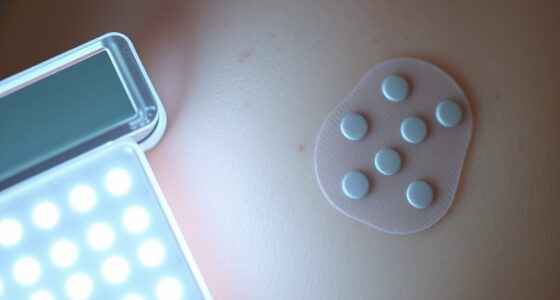

When testing new light devices for melasma, it’s essential to assess your skin’s sensitivity first. Start with a small patch test on discreet skin areas, follow proper device calibration, and limit initial exposure. Use gentle skincare and protect your skin from sun damage. Monitoring your skin closely helps catch any adverse reactions early. To guarantee safety and get the best results, further guidance is key—continue to explore how to do it right.

Get wellness gear delivered free with Prime
- Fast, free delivery on millions of items
- Prime Video, Amazon Music and more included
- Member-only deals all year
Key Takeaways
- Conduct thorough skin assessments and patch tests on discreet areas before full device use.
- Start with minimal exposure times and monitor skin closely for 24-48 hours for adverse reactions.
- Choose devices with safety features, adjustable settings, and proper certifications suited to your skin type.
- Avoid sun exposure and use broad-spectrum sunscreen before and after light treatments to prevent aggravation.
- Consult a dermatologist to personalize treatment plans and ensure safe, effective testing of new light devices.
As an affiliate, we earn on qualifying purchases.
What Is Melasma and How Do Light Treatments Help?

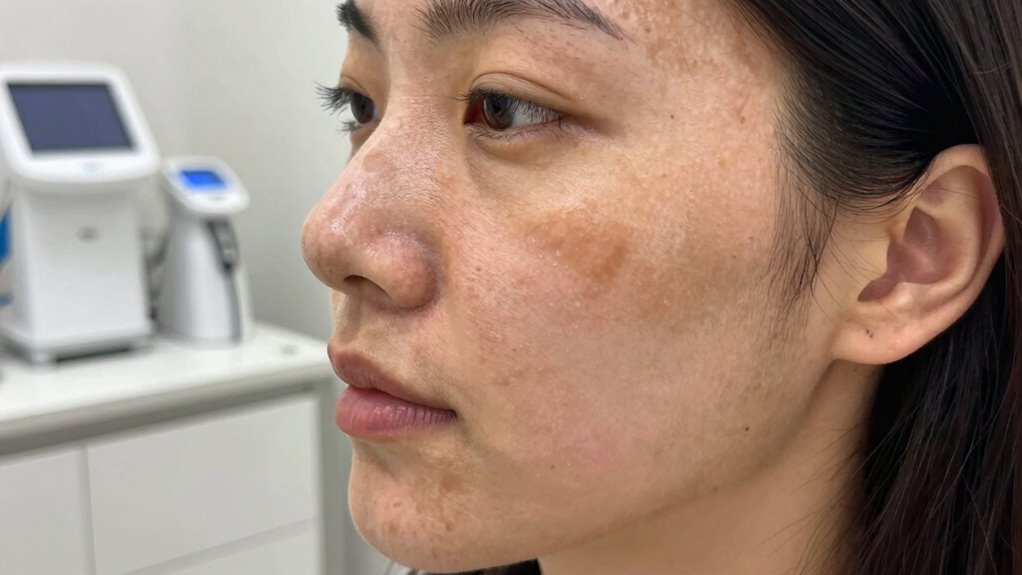
Melasma is a common skin condition characterized by dark, irregular patches usually appearing on the face. Light treatments, such as laser therapy, often help reduce these discolorations by targeting excess melanin. However, some individuals explore cosmetic tattooing to mask stubborn patches or improve overall skin appearance. Chemical peels are another option, gently removing the top layers of skin to promote new, clearer growth. These treatments can be effective in lightening melasma but should be approached carefully, as not all options suit every skin type. Consulting with a professional helps determine the best approach for your skin. Proper skin assessment is essential before trying light treatments to ensure safety and effectiveness. Additionally, understanding the safety considerations associated with various light therapies can help prevent adverse effects. Light treatments can be part of an all-encompassing plan to manage melasma, especially when combined with skincare routines tailored to sensitive skin.
How to Know If Your Skin Can Handle Light-Based Melasma Treatments
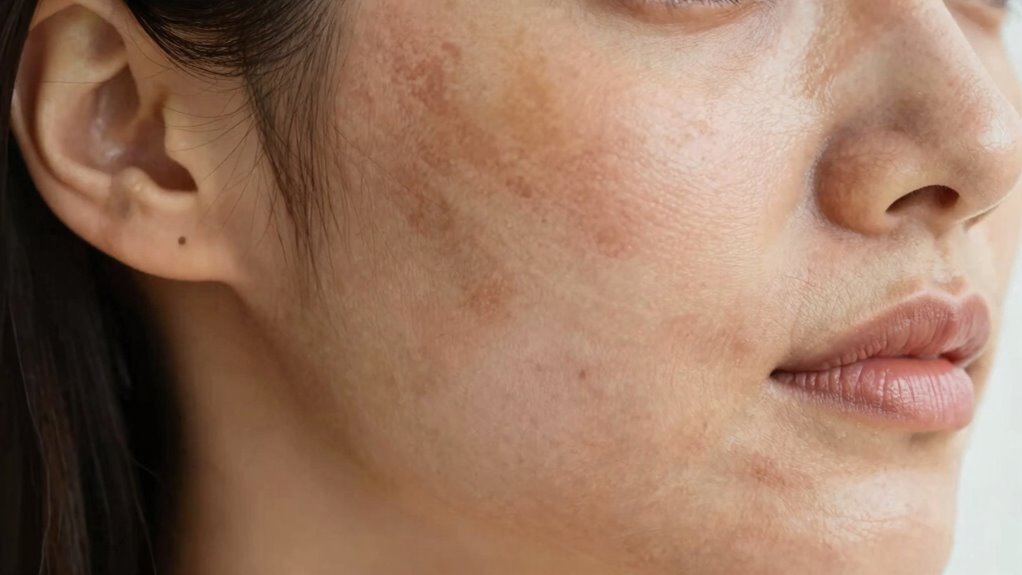
To determine if your skin can handle light-based melasma treatments, you need to consider your skin type and how it reacts to light. Evaluating the severity of your melasma and understanding your history of light sensitivity are also vital steps. Knowing these factors helps guarantee safe and effective treatment tailored to your needs. Additionally, understanding your skin’s Free Floating response to environmental factors can further inform your suitability for these procedures. Recognizing your skin’s reactivity to environmental stimuli can provide valuable insight into how your skin may respond to light-based therapies. Being aware of your individual skin characteristics can help you better anticipate your skin’s response and ensure a personalized approach to treatment. Conducting a patch test can also be an essential step in assessing your skin’s specific tolerance for light exposure before proceeding with full treatments. Consulting with a dermatologist about your skin’s history of reactions can provide further guidance and safety assurance.
Skin Type Compatibility
Wondering if your skin type can handle light-based treatments for melasma? Your skin tone plays a vital role in determining safety and effectiveness. Lighter skin tones generally tolerate these treatments better, with a lower risk of side effects. Conversely, darker skin tones may have a higher chance of hyperpigmentation or uneven results, so extra caution is necessary. Your medical history is equally important—conditions like photosensitivity, certain medications, or prior skin reactions can influence your suitability. Always inform your skincare professional about your skin tone and medical background. They’ll evaluate these factors to decide if light-based therapy is appropriate for you. Proper assessment ensures you get safe, effective treatment without unnecessary risks. Cabling solutions and proper equipment setup also contribute to the safe application of these devices. Additionally, understanding indoor air quality can help you maintain a healthier environment during your skin treatment journey. Recognizing the importance of skin type compatibility can further optimize your results and minimize risks, as well as prior skin conditions that may affect treatment outcomes.
Melasma Severity Assessment
Evaluating the severity of your melasma is key to determining if light-based treatments are suitable. Mild melasma appears as light brown patches that are easy to conceal and may respond well to cosmetic procedures. Moderate cases involve more prominent discoloration, often requiring more cautious approaches. Severe melasma presents as dark, stubborn patches that might not improve with light therapy alone. To assess your severity, consider how your skin reacts to previous treatments and whether sunscreen application effectively protects your skin from UV exposure. If your melasma is extensive or resistant, you should consult a dermatologist before proceeding. Proper assessment helps guarantee you choose safe, effective options while minimizing potential side effects during light-based procedures.
Prior Light Sensitivity
Understanding your skin’s prior sensitivity to light is essential before starting light-based melasma treatments, as it helps predict how your skin will respond and reduces the risk of side effects. Conducting a skin sensitivity testing can identify your reaction to different light intensities. Use photoprotection strategies, like sunscreen and protective clothing, to safeguard your skin during testing. To visualize your sensitivity, consider this table:
| Light Intensity | Skin Reaction | Recommended Action |
|---|---|---|
| Low | No reaction | Proceed gradually, monitor |
| Moderate | Mild redness | Increase protection, pause |
| High | Severe reaction | Avoid or consult a specialist |
This approach helps you understand your limits before undergoing treatment, ensuring safety and effectiveness. Being aware of environmental impact of tissue paper can also guide you toward sustainable choices in your skincare routine. Additionally, understanding the safety guidelines for LED devices can further enhance your protective measures during light therapies. Recognizing prior light sensitivity can also aid in choosing appropriate treatments and minimizing adverse reactions. Knowing your skin’s response to light can help tailor treatments to your individual needs and improve outcomes. Moreover, assessing your skin’s sensitivity history can provide valuable insights into potential reactions to various therapies, promoting safer practices.
How to Safely Patch Test Light Therapy on Melasma-Prone Skin
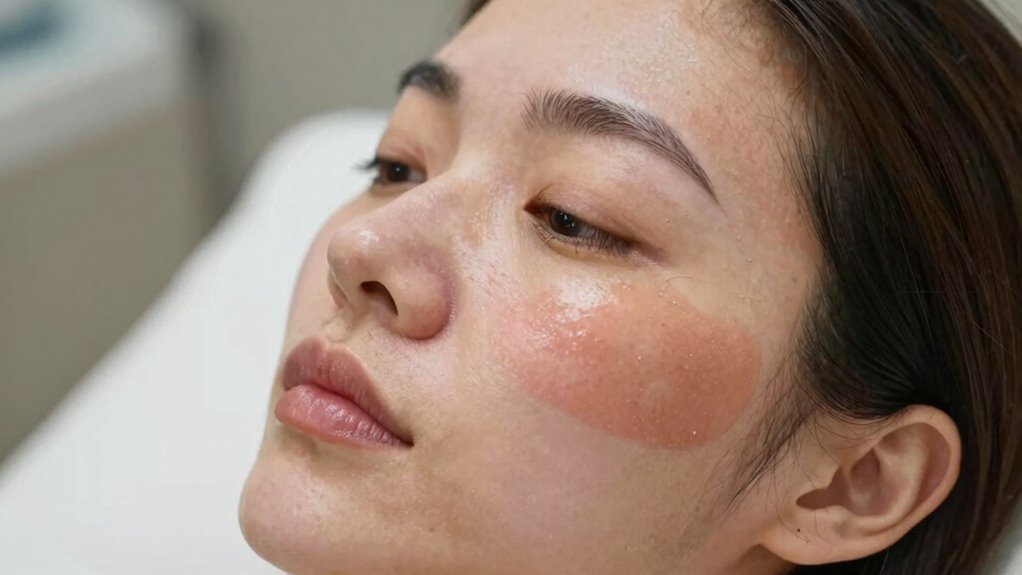
To safely patch test light therapy on melasma-prone skin, start by choosing a small, discreet area, such as behind your ear or along your jawline, where any reaction will be less noticeable. Follow the device calibration instructions carefully to guarantee the light intensity is appropriate for sensitive skin. Adhere to established patch test protocols, which typically involve applying the device for a limited time—usually a few minutes—and monitoring the area for 24 to 48 hours. Keep the area clean and avoid applying any skincare products beforehand. If you notice redness, irritation, or any worsening of pigmentation, discontinue use immediately. Proper calibration and strict adherence to patch testing procedures help minimize risks and ensure your skin’s safety before full-device use. Additionally, understanding light therapy safety protocols can help you share your experiences safely and effectively with your audience. Being aware of potential skin reactions and how to respond can further protect your skin during testing. Familiarizing yourself with humidity and air quality tips can also contribute to maintaining optimal skin health during your light therapy routine.
Choosing the Best Light Device for Melasma: Tips and Considerations
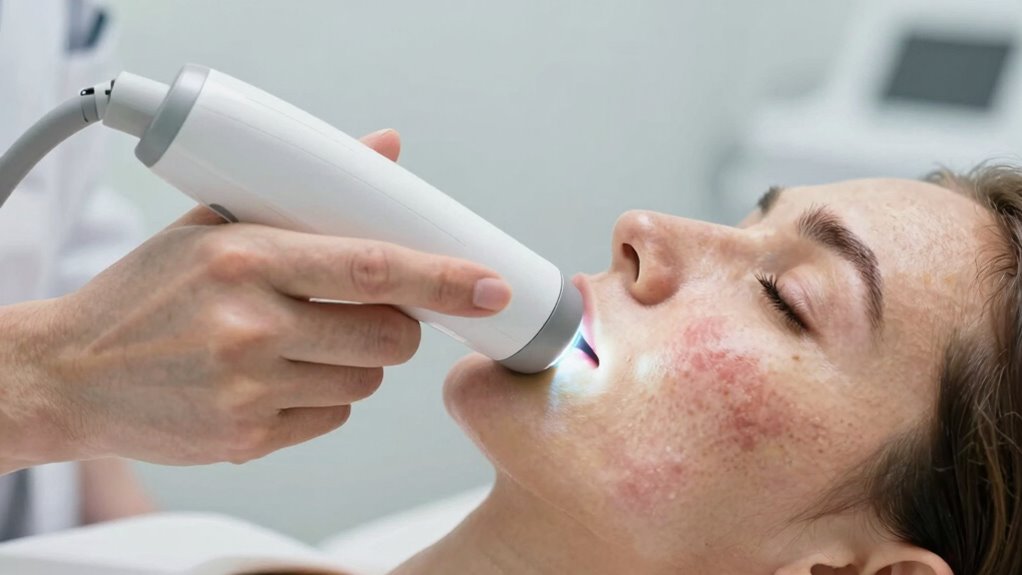
Choosing the right light device for melasma treatment involves carefully considering factors like skin sensitivity, device type, and safety features. Start by exploring different phototherapy options, such as IPL, LED, and laser devices, to understand their benefits and limitations. Conduct a thorough device comparison, focusing on wavelength, intensity, and treatment duration. For sensitive skin, prioritize devices with adjustable settings and built-in safety features. Consider professional guidance to ensure the device matches your skin type and melasma severity. Remember, not all devices are created equal; some may be more effective or safer for your particular needs. By weighing these factors, you’ll select a device that offers effective treatment while minimizing risks. Additionally, understanding Inspiring Leadership and Management Insights for Success can help you approach your skincare journey with confidence and clarity. To ensure safety, always review the safety features of each device and follow manufacturer instructions carefully. Evaluating clinical effectiveness can further guide your choice toward the most reliable options. Being aware of device certifications can also provide added assurance of safety and efficacy. Incorporating professional consultation can help tailor your treatment plan to your specific skin condition and needs.
How to Minimize Risks and Avoid Worsening Your Melasma

Since melasma can easily worsen with improper light exposure, taking proactive steps to minimize risks is vital. Avoid excessive sun exposure, especially during peak hours, and always wear broad-spectrum sunscreen daily. Be cautious with cosmetic procedures like chemical peels or laser treatments, as they can trigger melasma flare-ups if not properly managed. Before trying new devices or treatments, consult a dermatologist to confirm they’re safe for your skin type. Limit the use of harsh skincare products that can irritate your skin and make melasma worse. Keep track of how your skin responds to any new treatment or exposure, and stop immediately if you notice increased pigmentation. Staying vigilant helps prevent your melasma from worsening due to avoidable triggers. Using proper DIY tools and safety precautions can also help you avoid accidental skin damage during treatments or device use.
How to Monitor Your Skin and When to Seek Professional Advice

Regularly monitoring your skin allows you to catch changes early and prevent melasma from worsening. Keep an eye out for new or darkening patches, especially if you’ve experienced sun damage or hormonal shifts. Note any irregularities, such as uneven pigmentation or texture changes, and track how your skin responds to treatments or light exposure. If you notice persistent dark spots, rapid worsening, or new areas appearing, it’s time to seek professional advice. A dermatologist can assess whether hormonal factors or sun damage are influencing your melasma and recommend appropriate interventions. Early consultation guarantees you manage your condition effectively and avoid further pigmentation issues. Remember, timely professional guidance is key to safe and effective melasma management.
Combining Light Treatments With Skincare for Safe Melasma Management
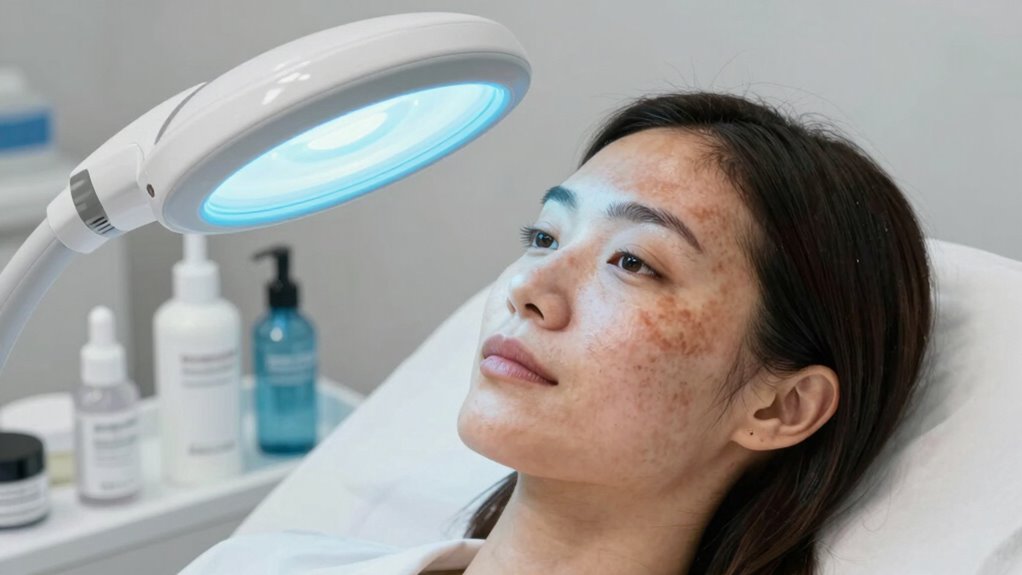
Integrating light treatments with your skincare routine can enhance melasma management while ensuring safety. To get the best results, follow these steps:
- Use gentle, brightening skincare products that support skin barrier health and reduce pigmentation.
- Avoid excessive sun exposure, especially after cosmetic procedures, and always apply a broad-spectrum sunscreen daily.
- Time your light treatments carefully, waiting until your skin has fully healed from any cosmetic procedures before resuming sessions.
Frequently Asked Questions
Can Light Treatments Cause Permanent Pigmentation Changes?
Light treatments can cause permanent pigmentation changes if device safety isn’t maintained or pigmentation risks aren’t properly managed. You need to confirm the device is used by trained professionals who understand your skin type and condition. Improper settings or misuse can lead to lasting discoloration. Always verify that the treatment provider follows safety protocols, and discuss your concerns about pigmentation risks beforehand to minimize any chances of permanent changes.
Are There Specific Light Wavelengths Better for Melasma?
Imagine guiding a gentle beam of light across your skin, targeting stubborn melasma. For best results, you should opt for specific wavelengths like 1064 nm or 755 nm, which penetrate deeply and selectively target pigmented areas. Laser safety and wavelength selection are vital here; they minimize risks and enhance effectiveness. Always consult professionals who understand these precise parameters to guarantee your treatment is both safe and successful.
How Long Should I Wait Between Patch Tests and Full Treatments?
You should wait at least 24 to 48 hours between patch tests and full treatments to guarantee your skin reacts properly. This patch test timing helps identify any adverse reactions before proceeding. For treatment intervals, follow your provider’s recommendations, usually waiting 4 to 6 weeks between sessions. Always monitor your skin’s response and consult your specialist if you notice any irritation or unexpected changes during the treatment course.
What Are Signs of Adverse Reactions During Light Therapy?
You might notice skin sensitivity, redness, or swelling during light therapy, which are common signs of adverse reactions. Keep an eye out for allergic reactions like hives or intense itching, as they indicate your skin isn’t tolerating the treatment well. If these symptoms occur, stop the session immediately and consult your practitioner. Prompt action helps prevent further irritation and guarantees your safety throughout the process.
Is It Safe to Combine Light Therapy With Other Skin Treatments?
You should be cautious when combining light therapy with other skin treatments, as there are significant combination risks. Always consult your dermatologist to develop proper treatment scheduling, ensuring that procedures don’t interfere with each other or cause adverse reactions. Mixing treatments without guidance can compromise safety and effectiveness. Follow professional advice closely, and never skip scheduled intervals to protect your skin’s health and achieve ideal results.
Conclusion
Testing new light devices on melasma is like walking a tightrope—you need the right balance to avoid setbacks. Always patch test first, listen to your skin, and seek professional guidance if unsure. When you approach it carefully, you can navigate this journey smoothly and confidently. Remember, patience and caution are your best allies, helping you manage melasma safely, like a gentle breeze guiding you through a calm sea.
Fall Picks
fall essentials
As an affiliate, we earn on qualifying purchases.