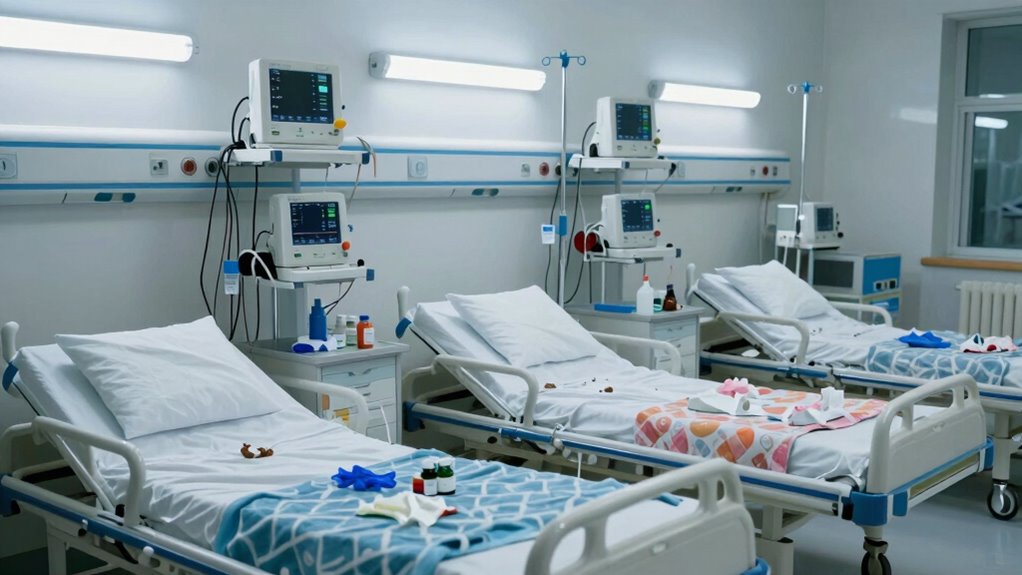

Most recovery room setups fail repeatedly because they overlook the real needs of patients and staff. Designers often focus on aesthetics or standard templates instead of considering workflow patterns and comfort. Poor layout choices can cause confusion, delays, and frustration, impacting care quality. By understanding what truly matters—such as easy access to supplies, effective equipment placement, and patient comfort—you can avoid common mistakes. Keep exploring to uncover how thoughtful design makes all the difference in recovery success.

Get wellness gear delivered free — and shop member deals
- Fast, free delivery on millions of items
- Access to Prime Big Deal Days deals on October 6–7
- Prime Video, Amazon Music and more included
Key Takeaways
- Failure to understand the specific workflow and needs of patients and staff leads to repeated setup failures.
- Overemphasis on aesthetics or standard templates neglects practical usability and real-world functionality.
- Poor layout planning causes inefficiencies, bottlenecks, and increased errors during patient care.
- Inadequate integration of technology results in inconvenient equipment placement and workflow disruptions.
- Ignoring detailed patient comfort and staff efficiency factors perpetuates ineffective recovery room designs.
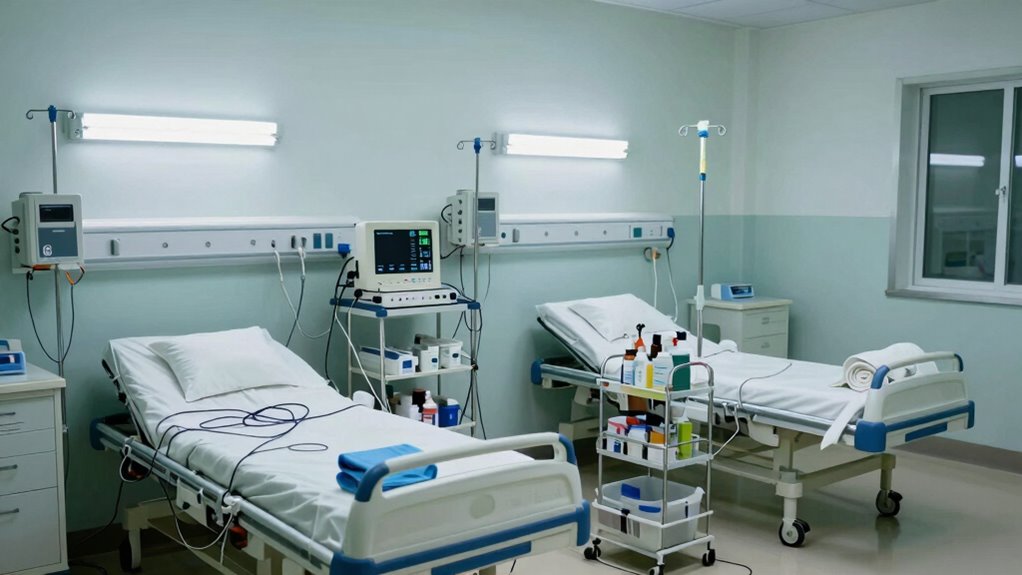
Despite careful planning, recovery room setups often fail because they overlook one simple but essential factor: understanding the specific needs of patients and staff. This oversight can lead to a space that looks good on paper but falls short during actual use. To create an effective recovery room, you need to prioritize patient comfort and staff efficiency from the start. Neglecting these aspects can cause delays, discomfort, and even safety issues that compromise overall outcomes.
Patient comfort is more than just having soft bedding or a quiet environment. It involves contemplating the patient’s immediate needs, including pain management, easy access to call buttons, and a calming atmosphere. When you ignore these factors, patients may experience unnecessary stress, which hampers recovery. For example, if beds are placed too far apart or if there isn’t enough space for caregivers to move freely, patient comfort suffers, and staff find it harder to provide timely care. Comfort directly impacts patient satisfaction and can influence recovery speed, so it’s essential to design with their needs in mind.
Prioritize pain relief, accessible call buttons, and a calming environment to enhance patient comfort and support faster recovery.
Staff efficiency hinges on thoughtful room layout and equipment placement. When you fail to think about how staff will move within the space, you create bottlenecks and confusion. An efficient setup means clear pathways, easily accessible supplies, and strategically positioned monitors and emergency equipment. If everything is cluttered or awkwardly arranged, staff waste precious time searching for tools or navigating around obstacles. This not only delays care but also increases the risk of errors. You need to think about workflow patterns and anticipate how staff will interact with the environment to streamline their tasks. Incorporating technology integration into the design process is crucial for creating a seamless environment that supports both patient safety and staff efficiency.
Another common mistake is underestimating the importance of technology integration. Modern recovery rooms rely heavily on monitors, infusion pumps, and communication systems. If these aren’t properly integrated into the layout, staff spend more time managing equipment instead of focusing on patient care. Proper planning involves ensuring power sources, data ports, and storage are conveniently located, reducing the need for staff to leave the patient’s side to retrieve or troubleshoot equipment. Additionally, understanding workflow patterns helps in designing spaces that minimize unnecessary movement and optimize staff performance.
Ultimately, the recurring failure in recovery room setups boils down to a lack of understanding of the real-world needs of both patients and staff. When you focus solely on aesthetics or standard templates without contemplating specific workflows and comfort factors, the setup becomes inefficient and less patient-friendly. By paying close attention to these details, you can design a recovery space that promotes swift recovery, enhances staff productivity, and improves overall care quality.
hospital recovery room furniture
As an affiliate, we earn on qualifying purchases.
As an affiliate, we earn on qualifying purchases.
Frequently Asked Questions
How Can I Prevent Recovery Room Setup Mistakes?
To prevent recovery room setup mistakes, focus on thorough emergency preparedness and regular equipment calibration. Double-check that all emergency supplies are stocked and accessible, and guarantee equipment functions correctly before use. Train staff consistently, emphasizing proper setup procedures and quick response protocols. By maintaining high standards for emergency preparedness and scheduling routine equipment calibration, you can reduce errors and create a safer, more efficient recovery environment for patients.
What Are the Common Overlooked Safety Features?
You often overlook safety features like proper emergency equipment placement and clear staff communication protocols. Guarantee emergency equipment is easily accessible and regularly maintained, so you can respond quickly during crises. Also, establish effective communication channels among staff to coordinate care seamlessly. By focusing on these overlooked safety features, you reduce risks and improve patient outcomes, creating a safer recovery environment for everyone.
How Often Should Recovery Rooms Be Inspected?
You should inspect recovery rooms daily to guarantee safety and readiness. During these inspections, check that emergency protocols are up-to-date and clearly posted, and verify that all equipment is properly calibrated and functioning. Regular inspections help identify potential hazards early, ensuring patient safety. Document your findings, and schedule more thorough weekly or monthly checks to maintain high standards and prevent recurring setup failures.
Who Is Responsible for Recovery Room Maintenance?
You’re responsible for recovery room maintenance, but remember, accountability starts with staff. You need to make sure staff regularly checks equipment calibration and adheres to safety protocols. Keeping everything in tip-top shape prevents issues down the line. When everyone takes ownership, the room functions smoothly. Think of it as a team effort, where each member’s vigilance keeps the recovery space safe and efficient, avoiding costly mistakes or mishaps.
What Training Is Needed for Staff on Recovery Setup?
You need to guarantee your staff is well-trained in recovery setup by focusing on staff competency and equipment calibration. Provide extensive training on proper equipment use, safety protocols, and emergency procedures to maintain high standards. Regularly assess their skills, update training as needed, and emphasize the importance of proper setup to prevent failures. This proactive approach helps your team confidently manage recovery rooms, reducing mishaps and improving patient outcomes.
Conclusion
Just like a poorly built puzzle, a recovery room setup falls apart when the pieces don’t fit together properly. If you ignore the common pitfalls, you’ll keep facing the same failures, wasting time and resources. But when you learn from these mistakes and plan carefully, your recovery room can run smoothly, supporting patients like a well-oiled machine. Don’t let history repeat itself—think ahead, organize smartly, and create a space that truly facilitates healing.
Cold & flu season Picks
humidifiers
As an affiliate, we earn on qualifying purchases.