
To make big devices less annoying, focus on the Small-Space Rule by emphasizing simplicity and clear visual hierarchy. Keep essential features, like wireless charging zones, unobtrusive and well-organized, avoiding cluttered corners. Prioritize ergonomics and human factors by ensuring controls are easy to reach and spaced appropriately, reducing accidental taps. By designing interfaces with less noise and more focus, you’ll create a seamless user experience. Want to discover more ways this rule improves your device design?

Get wellness gear delivered free — and shop member deals
- Fast, free delivery on millions of items
- Access to Prime Big Deal Days deals on October 6–7
- Prime Video, Amazon Music and more included
Key Takeaways
- Prioritize essential features and eliminate unnecessary clutter to maximize usability within limited space.
- Use clear visual hierarchy and dedicated icons to guide users efficiently without overwhelming the interface.
- Maintain adequate spacing around controls to prevent accidental interactions and enhance touch accuracy.
- Incorporate ergonomic design principles to ensure comfortable device handling and interaction.
- Emphasize minimalism to reduce visual noise, making large devices feel less intimidating and more user-friendly.
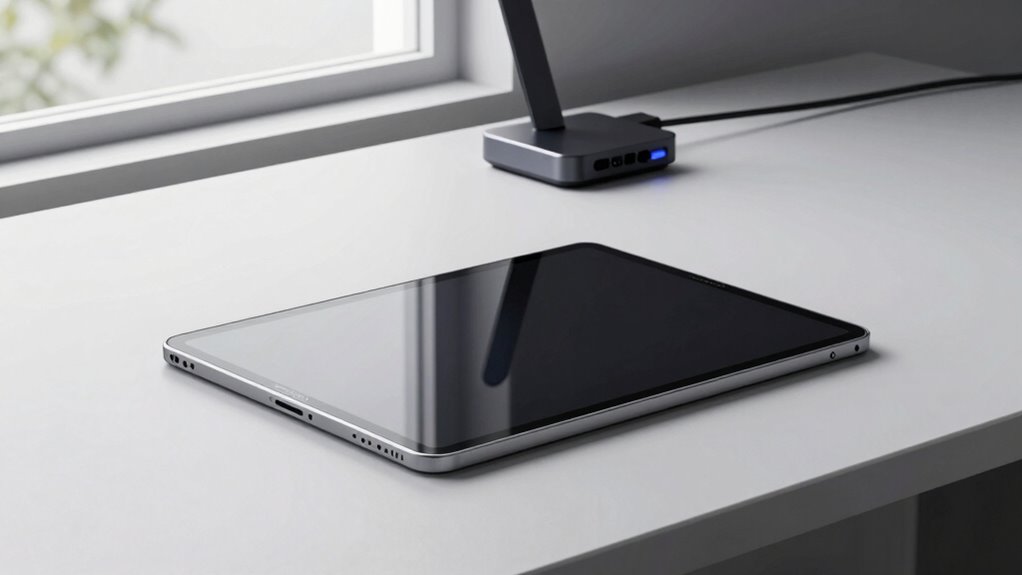
When designing for large devices, it’s tempting to maximize every inch of space, but without a strategic approach, your layout can become cluttered and overwhelming. Big screens offer plenty of room, yet filling every corner can make the interface feel chaotic rather than functional. To create a seamless user experience, you need to focus on the small-space rule: prioritize simplicity and clarity in your design choices. This approach ensures that essential features like wireless charging zones remain accessible without cluttering the overall design. Incorporating wireless charging pads or zones into your device should be intuitive, with clear visual cues that don’t clutter the user interface design. Keep the charging areas distinct yet unobtrusive, so users naturally find and use them without confusion or frustration. Additionally, considering visual hierarchy helps guide users’ attention to key features and reduces visual noise.
Prioritize simplicity and clarity when integrating wireless charging zones on large screens for a seamless user experience.
Your user interface design plays a pivotal role in making big devices less annoying. Instead of stuffing every feature onto the screen, embrace minimalism. Use space wisely by grouping related functions and providing clear visual hierarchy. For example, when implementing wireless charging, consider a dedicated icon or indicator that pops up only when needed. This way, your interface remains clean, and users aren’t overwhelmed with constant alerts or cluttered visuals. The goal is to guide users effortlessly, so they trust the device to be both powerful and straightforward. Additionally, understanding the importance of touch targets and spacing ensures that interactions remain comfortable and accurate, reducing accidental taps and enhancing overall usability.
Another aspect of the small-space rule is understanding the importance of touch targets and spacing. On large screens, it’s tempting to pack in as many buttons and options as possible, but this often leads to accidental taps and frustration. Instead, allocate enough space around essential controls, especially for features like wireless charging, where users might need to reposition their device or hand. Proper spacing enhances usability and prevents accidental interactions, making the experience more pleasant. Paying attention to human factors when designing interfaces helps create a more ergonomic and user-friendly experience. Additionally, considering ergonomics can further improve how comfortably users interact with large devices, making a significant difference in everyday usability. Incorporating user feedback during the design process can also reveal areas where spacing improvements can make a big difference in real-world use.
Finally, remember that less truly is more. When you design with the small-space rule in mind, you’re creating a device that feels less intimidating and more user-friendly. Clear, concise interfaces combined with thoughtful placement of features like wireless charging minimize clutter, reduce stress, and improve overall satisfaction. With this approach, your big device becomes a powerful tool that’s also easy to use—because good design doesn’t just fill space; it simplifies it.
wireless charging pad with visual indicator
As an affiliate, we earn on qualifying purchases.
As an affiliate, we earn on qualifying purchases.
Frequently Asked Questions
How Does the Small-Space Rule Improve Device Portability?
The small-space rule improves device portability by emphasizing a compact design that fits comfortably in your hand or pocket, making it easier to carry around. It also enhances ergonomic efficiency, so you can use the device comfortably during extended periods without strain. By prioritizing minimal size without sacrificing functionality, this rule guarantees your device remains convenient to transport and use on the go, reducing bulk and increasing ease of handling.
Can This Rule Be Applied to Wearable Technology?
Yes, you can apply this rule to wearable technology by focusing on compact design and efficient use of space. This enhances fashion aesthetics, making devices look stylish without bulk, and boosts user comfort by reducing weight and bulkiness. When you prioritize small space in wearables, they become more appealing and practical, encouraging extended use without discomfort or compromise in style. This approach seamlessly combines form and function for better wearable tech experiences.
What Materials Are Best for Small-Space Device Design?
For small-space device design, you want to choose compact materials that keep devices lightweight and comfortable. Think of lightweight plastics, advanced composites, and slim metals like aluminum—they offer durability without bulk. These lightweight designs reduce strain and enhance portability, making your device more user-friendly. Prioritize materials that balance strength and flexibility, ensuring your device feels unobtrusive while maintaining resilience and performance in tight spaces.
Does the Rule Affect Device Durability or Longevity?
The small-space rule can influence durability concerns and longevity implications, but it doesn’t necessarily weaken your device. By prioritizing efficient design and quality materials, you can maintain durability despite size constraints. However, compact devices might face increased wear and tear if not properly engineered. So, while the rule aims to optimize space, you should still focus on choosing sturdy components to guarantee your device stays reliable over time.
Are There Specific Industries That Benefit Most From This Rule?
You’ll find industries like consumer electronics, healthcare, and automotive benefit most from this rule. It’s especially useful in market segmentation, where compact device designs appeal to specific customer needs. Regulatory considerations also come into play, as smaller devices often meet safety and size standards more easily. By applying this rule, you can improve product usability, meet industry requirements, and better target niche markets with innovative, space-efficient designs.
Conclusion
Now that you understand the small-space rule, imagine how much smoother your big devices could become. But here’s the catch—there’s one essential step you might be overlooking. Ready to unleash the full potential of your gadgets? Don’t miss out on this game-changing tip that could transform your experience entirely. Stay tuned—what’s coming next could be the difference between frustration and effortless ease. Are you prepared to take the leap?
Fall Picks
fall essentials
As an affiliate, we earn on qualifying purchases.