

The key to improving recovery consistency lies in timing your nutrition and rest right after workouts. Hydrate immediately to replenish fluids, then consume a balanced meal within 30 to 60 minutes to jump-start muscle repair. Incorporate active recovery like light movement or stretching to boost blood flow. Pay attention to your body’s signals; adjusting rest based on soreness and fatigue helps prevent overtraining. Keep these timing tricks in mind, and you’ll open steady progress every session.

Get wellness gear delivered free with Prime
- Fast, free delivery on millions of items
- Prime Video, Amazon Music and more included
- Member-only deals all year
Key Takeaways
- Initiate hydration and nutrient intake immediately post-workout to enhance recovery and muscle repair.
- Consume a balanced meal within 30-60 minutes after exercising to maximize nutrient absorption.
- Schedule rest and sleep consistently to support deep recovery phases and improve training consistency.
- Use recovery metrics like soreness, sleep quality, and hydration to tailor timing and intensity of recovery efforts.
- Incorporate active recovery days and stretching within the optimal window to maintain consistency and prevent overtraining.
post workout hydration water bottle
As an affiliate, we earn on qualifying purchases.
As an affiliate, we earn on qualifying purchases.
Why Proper Recovery Timing Matters for Your Gains

Proper recovery timing is vital because your muscles need adequate rest to repair and grow stronger. When you prioritize recovery at the right times, you allow your body to maximize gains and avoid burnout. Hydration strategies play an important role; staying well-hydrated helps transport nutrients and remove waste products from muscles, speeding up recovery. Additionally, sleep quality directly impacts how well your muscles recover, as most repair processes happen during deep sleep stages. Skipping rest or delaying recovery can hinder progress and increase injury risk. By respecting your body’s signals and establishing consistent recovery routines, you optimize these processes. Recognizing the importance of recovery scheduling can further enhance your training results and overall well-being. Ultimately, proper timing ensures your muscles have the resources they need to rebuild effectively, leading to better performance and long-term gains.
What Is the Best Time to Recover After Exercise?
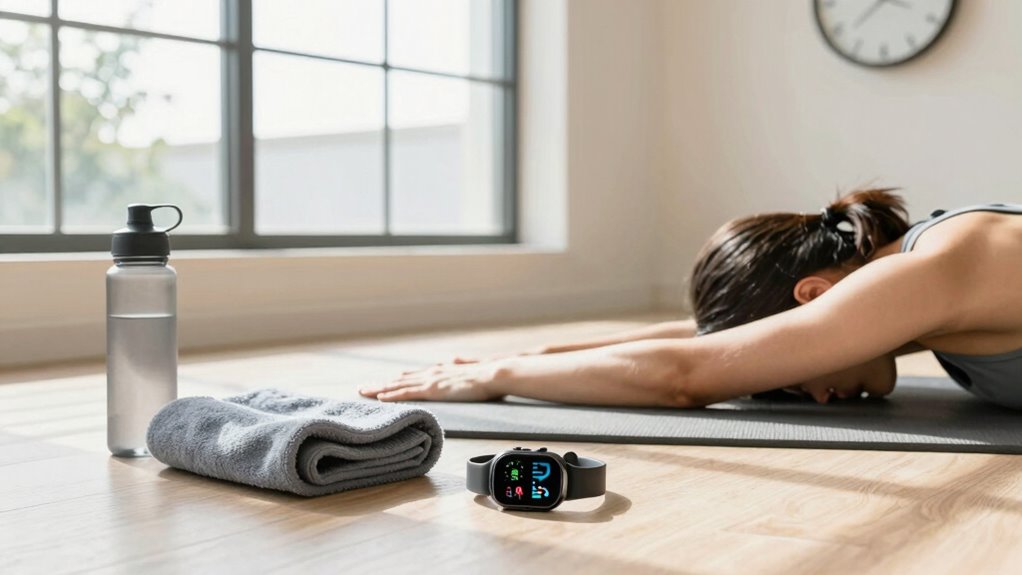
The best time to recover after exercise depends on the intensity and duration of your workout, but generally, initiating recovery as soon as possible helps optimize results. Prioritize hydration timing by drinking water or electrolytes immediately post-exercise to replenish lost fluids and support muscle repair. Sleep scheduling also plays a crucial role; aiming for quality sleep soon after your workout enhances recovery processes and reduces fatigue. Avoid delaying recovery efforts, as waiting too long can hinder muscle regeneration and increase soreness. By promptly addressing hydration and ensuring good sleep patterns, you set a solid foundation for faster recovery. Additionally, incorporating mindfulness practices can help manage stress levels, further supporting your body’s repair mechanisms. Proper post-exercise nutrition is also essential to provide your body with the necessary nutrients for optimal recovery. Developing a consistent recovery routine can make this process more effective and sustainable over time. Recognizing the importance of timing in your recovery strategies can significantly improve your overall progress. Remember, timely recovery isn’t just about feeling better — it’s about maximizing your progress and maintaining consistency over time.
How to Time Your Meals for Faster Recovery

After your workout, timing your meals can considerably boost recovery and help you get back to feeling your best faster. Aim to consume a balanced meal with the right meal composition, including proteins to repair muscles, carbohydrates to replenish glycogen, and healthy fats for overall recovery. Eating within 30 to 60 minutes post-exercise is ideal, as your body is primed to absorb nutrients efficiently. Additionally, hydration strategies are vital—drink water or electrolyte-rich fluids to replace lost fluids and support metabolic processes. Proper hydration not only aids in muscle function but also reduces soreness. By coordinating your meal timing with hydration, you optimize recovery, decrease fatigue, and set a solid foundation for your next workout.
Rest and Active Recovery Strategies That Work

Rest and Active Recovery Strategies That Work
Incorporating rest and active recovery into your workout routine is essential for maximizing gains and preventing injuries. Prioritize sleep optimization by maintaining a consistent schedule and creating a relaxing bedtime environment, which helps your body repair efficiently. Hydration strategies are equally important; drink water throughout the day and replenish electrolytes after workouts to support muscle function and reduce soreness. Additionally, exploring air fryer accessories can make preparing healthy post-workout meals more convenient and enjoyable. Incorporating low-impact activities such as swimming or walking can also promote recovery without overtaxing your muscles. Engaging in muscle tension relief techniques like foam rolling can further enhance blood flow and reduce muscle tension, which can improve your heart rate variability (HRV) and overall resilience. Incorporating proper nutrition strategies can also accelerate recovery by providing essential nutrients to repair tissues and replenish energy stores.
Common Recovery Timing Mistakes to Avoid

One common recovery timing mistake is waiting too long before starting your post-workout recovery. Delaying activities like taking post workout supplements or doing stretching routines can hinder your progress. Immediately refueling with the right nutrients helps jump-start muscle repair and replenish energy stores. Skipping or postponing stretching routines can lead to increased muscle tightness and reduced flexibility. By waiting too long, you risk prolonging soreness and delaying overall recovery. To optimize results, aim to begin your recovery routine within 30 minutes after exercising. This ensures your body receives the necessary support when it’s most receptive. Avoid the mistake of procrastination, and incorporate timely post workout supplements and stretching routines into your schedule for quicker, more effective recovery. Recognizing the importance of recovery timing can help you develop more effective routines and enhance your overall progress.
The Simple Timing Trick That Supercharges Your Results
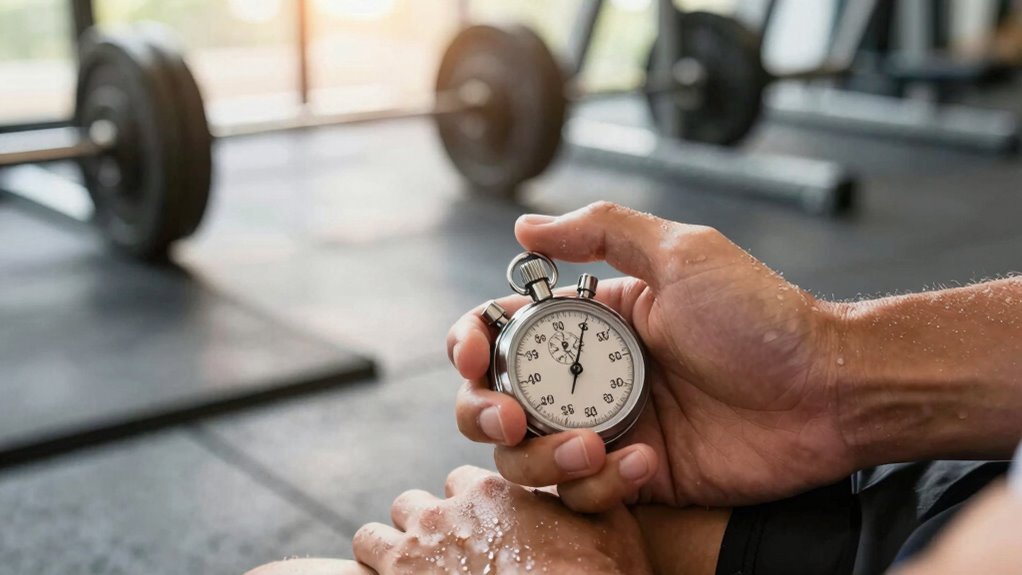
Timing your recovery activities precisely can considerably boost your results. Right after your workout, prioritize hydration strategies—drink water or electrolyte drinks to replenish lost fluids and support muscle repair. Incorporate stretching routines within 30 minutes post-exercise to improve flexibility and reduce soreness. Stretching when muscles are warm enhances blood flow, helping nutrients reach tissues faster. Additionally, utilizing connected fitness devices can help monitor your recovery progress and optimize your timing. Monitoring your recovery metrics allows for more personalized adjustments, ensuring you maximize benefits. Paying body awareness can further enhance your ability to respond to your body’s needs promptly. Being attentive to early recovery signals helps prevent overtraining and injury. Avoid waiting too long, as delayed recovery efforts diminish their effectiveness. This simple timing trick ensures your body recovers efficiently, setting the stage for better performance and consistency. By aligning hydration and stretching with your workout’s immediate aftermath, you supercharge your results and stay on track with your fitness goals. Small timing adjustments can make a significant difference in your overall progress.
Track Your Recovery and Keep Improving

To keep improving, you need to monitor your recovery metrics regularly. Pay attention to how your body responds and adjust your rest periods accordingly. This way, you can optimize your recovery and enhance your overall progress.
Monitor Recovery Metrics
Monitoring your recovery metrics is essential for understanding how well your body is bouncing back after workouts. Keeping an eye on key indicators helps you make better adjustments and stay consistent. Focus on these four areas:
- Hydration levels – track your fluid intake and urine color to prevent dehydration, which hampers recovery. Proper hydration supports muscle repair and overall performance.
- Sleep quality – monitor how well you sleep, since restorative sleep supports muscle repair and energy restoration.
- Heart rate variability – measure fluctuations to gauge your nervous system’s recovery status.
- Muscle soreness and fatigue – note how your body feels post-workout to identify overtraining or the need for extra rest. Incorporating proper recovery techniques can also help optimize these metrics.
Adjust Rest Periods
Adjusting your rest periods based on recovery metrics helps optimize your training results and prevent overtraining. If your muscles aren’t fully relaxed before your next session, you risk injury or burnout. Pay attention to muscle relaxation signals and adjust your rest accordingly. Good sleep quality plays a vital role in recovery, affecting how quickly your body restores energy and repairs tissues. If you notice lingering soreness or disrupted sleep, extend your rest periods to allow your body to recover fully. Incorporating sleep hygiene practices can further enhance your recovery and overall rest quality. Incorporating recovery metrics and simple exercises can also support your recovery process. Incorporating active recovery or lighter days to promote muscle relaxation and boost sleep quality can make a significant difference. Consistently monitoring these metrics ensures you’re not pushing too hard too soon, helping you maintain consistent progress and avoid setbacks. Proper rest tailored to your recovery signals keeps you on track for long-term success. Paying attention to twin flame signs can also help you stay emotionally balanced during your recovery journey.
Frequently Asked Questions
How Does Hydration Influence Recovery Timing?
Hydration plays a vital role in recovery timing because it maintains your electrolyte balance, which is essential for muscle function and repair. When you stay properly hydrated, your body can efficiently process nutrients and eliminate waste, speeding up recovery. Use effective hydration strategies, like drinking water with electrolytes post-workout, to optimize this process. This helps you recover faster, stay consistent, and get back to training sooner.
Can Mental Relaxation Improve Workout Recovery?
Did you know that mental relaxation can boost recovery by up to 20%? When you practice mindfulness or focus on stress reduction, you help lower cortisol levels, which speeds up muscle repair and reduces fatigue. Incorporating mindfulness practices into your post-workout routine can enhance recovery, improve sleep quality, and keep you consistent with your workouts. So, take a moment to relax—your body benefits more than you might realize.
Does Sleep Quality Affect Recovery Timing?
Yes, sleep quality substantially affects your recovery timing. Good sleep hygiene ensures you get restful sleep, which accelerates muscle repair and reduces fatigue. Dream patterns, especially during REM sleep, help your brain process stress and restore mental clarity. When you prioritize consistent, high-quality sleep, you’ll notice faster recovery, less soreness, and improved workout consistency. So, invest in sleep habits and pay attention to your dreams to optimize recovery timing.
Are Certain Supplements Better if Taken at Specific Times?
Yes, supplement timing matters. For post-work nutrition, you want to consume protein and carbs within 30 to 60 minutes after your workout to optimize recovery. Certain supplements, like creatine or BCAAs, are most effective when taken at specific times—creatine works well when taken post-workout, while BCAAs can be beneficial before or during exercise. Timing your supplements helps maximize their benefits and supports consistent progress.
How Do Age and Fitness Level Alter Recovery Timing Needs?
Age considerations and fitness adaptations influence your recovery timing needs. As you age, your body generally requires more time to recover, so spacing out workouts and prioritizing rest becomes essential. If you’re highly fit, your recovery may be quicker, allowing for more frequent training sessions. Adjust your recovery strategies based on these factors, listening to your body’s signals to optimize performance and minimize injury risks.
Conclusion
By timing your recovery right, you set yourself up for steady progress and fewer setbacks. Remember, patience is a virtue, and rushing recovery can do more harm than good. Stick to a consistent schedule, listen to your body, and use the simple timing tricks to keep improving. When you give your body what it needs at the right moments, you’ll find that success is just around the corner—don’t let it slip through your fingers.
Cold & flu season Picks
humidifiers
As an affiliate, we earn on qualifying purchases.