To avoid scalp irritation with hair-growth devices, make sure your scalp is clean and completely dry before use, and perform a patch test to check for sensitivities. Start with low device settings and gradually increase as your scalp tolerates, avoiding harsh products or treatments beforehand. Keep an eye on early signs of irritation like redness or itching, and adjust or pause treatments if needed. For more tips on safe device use, continue exploring our advice.
Key Takeaways
- Conduct a patch test and ensure scalp is clean, dry, and free of irritants before treatment.
- Use the device at recommended settings, starting with low intensity and gradually increasing.
- Avoid hair products, coloring, or styling agents before and during device use.
- Monitor scalp response during treatment; reduce intensity or pause if irritation or discomfort occurs.
- Follow proper post-treatment care, including gentle cleansing, moisturizing, and avoiding harsh chemicals.
What Causes Scalp Irritation From Hair-Growth Devices?
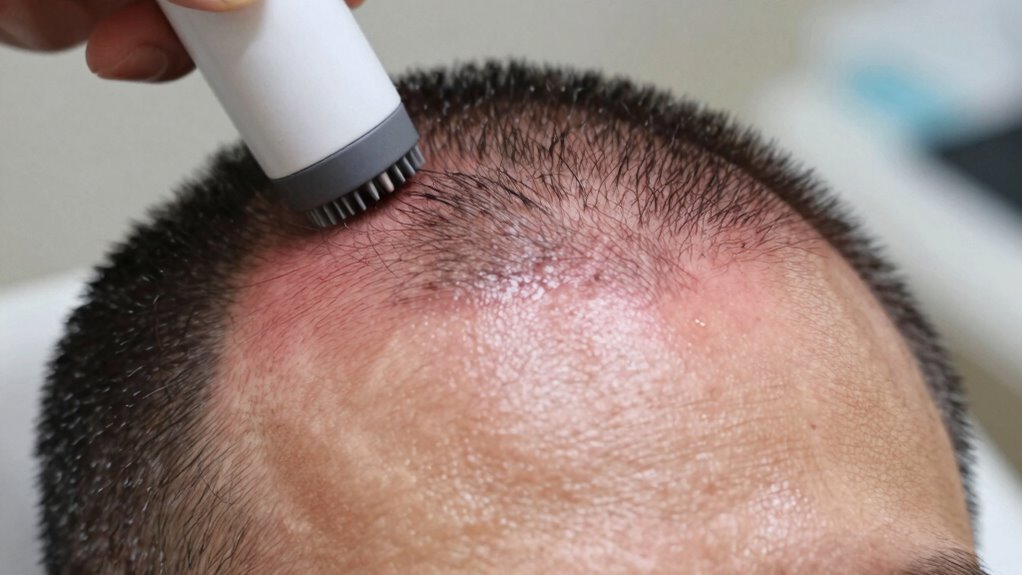
While hair-growth devices can be effective, they sometimes cause scalp irritation. This often happens because your scalp has heightened sensitivity or reacts to certain materials or treatments. If your scalp is prone to sensitivity, the intense light or heat from these devices can trigger discomfort or redness. Allergic reactions are another common cause, especially if you’re sensitive to specific gels, creams, or device components. These reactions may lead to itching, swelling, or inflammation. Even if you’ve used similar products before, your scalp’s response can change over time. It’s essential to recognize these signs early and understand that irritation isn’t always due to improper use. Being aware of scalp sensitivity and potential allergic reactions helps you take preventive steps for safer treatments. Understanding scalp sensitivities can help you better anticipate and manage these reactions effectively. Additionally, proper device maintenance is crucial to minimize skin reactions and ensure safe use. Recognizing skin reactions early allows for prompt management and reduces the risk of more serious irritation. Knowing how individual sensitivities can vary over time enables you to adapt your approach and avoid unnecessary discomfort. Furthermore, being mindful of material sensitivities can prevent exacerbating irritation and improve overall treatment tolerance.
How to Prepare Your Scalp for Safe Treatment
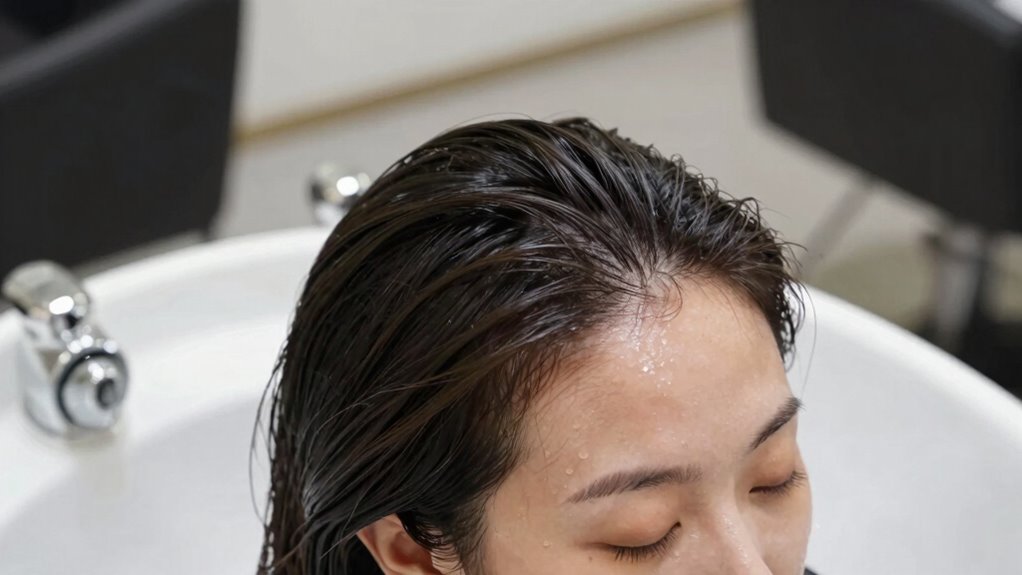
Before your treatment, make sure your hair is clean and completely dry to avoid trapping oils or moisture. Leave out any hair products that could interfere with the device’s effectiveness or cause irritation. Also, double-check that your device is compatible with your hair type to guarantee safe and ideal results. To further enhance safety, consider performing a patch test to check for any allergic reactions or sensitivity patch test. Ensuring your scalp is free of buildup can also reduce the risk of irritation, especially when using digital hair-growth devices. Incorporating proper scalp hygiene practices can further help maintain a healthy scalp environment and minimize potential issues. Regular gear inspection can help identify any device issues before use, ensuring safety and effectiveness.
Cleanse and Dry Hair
To prepare your scalp for safe treatment, start by thoroughly cleansing your hair and scalp to remove dirt, oil, and product buildup. Maintaining good scalp hygiene is essential to prevent irritation and guarantee your hair-growth device works effectively. Use a gentle shampoo suited for your scalp type, avoiding harsh ingredients that could compromise hair protection. After washing, gently pat your hair dry with a soft towel; avoid rubbing, which can cause friction and irritation. Make sure your scalp is completely dry before starting treatment, as moisture can interfere with device performance and increase discomfort. Proper cleansing and drying create a clean, dry surface that minimizes the risk of irritation, setting the stage for a safe and effective hair-growth routine. Additionally, choosing the right application technique can help ensure even coverage and reduce the likelihood of irritation during use. Incorporating scalp health practices, such as regular exfoliation, can further promote a healthy environment for hair growth and device safety. For optimal results, consider using essential oils for scalp care, which can soothe the scalp and support overall health.
Avoid Hair Products
After thoroughly cleansing and drying your hair, it’s important to avoid applying any hair products before treatment. Hair care routines often include styling products, oils, or sprays, but these can interfere with device effectiveness and increase irritation risk. To prepare your scalp for safe treatment, skip these products to keep your scalp clean and free from residues. This simple step helps ensure proper device contact and reduces the chance of adverse reactions. Focus on maintaining good scalp skincare by keeping your scalp dry and free of buildup. Remember, even light products can create a barrier that hampers treatment. By avoiding hair products, you improve your scalp’s condition and maximize the benefits of your hair-growth device. Proper hygiene practices, including avoiding irritants like certain piercing aftercare products, are also essential for optimal results. Additionally, avoiding electric bike related accessories that may cause scalp irritation during treatment can be beneficial. Being aware of potential skin sensitivities can help you tailor your routine to prevent irritation and ensure safe device use. For example, scalp irritation can be exacerbated by environmental factors or contact with unsuitable materials, so taking precautions is crucial. You can also consider using soothing scalp treatments post-treatment to support skin recovery. Always prioritize a clean, product-free scalp for safe, effective safety and results.
Check Device Compatibility
How can you guarantee your device is compatible with your scalp? Start by checking the device features to ensure they suit your scalp type and sensitivity. Compatibility concerns often arise from mismatched settings or unsuitable technology, which can cause irritation. To help, review this quick guide:
| Device Features | Compatibility Concerns |
|---|---|
| Wavelength and intensity | Sensitive skin reactions |
| Treatment duration | Hair type limitations |
| Device type (LED, laser) | Scalp conditions |
| Safety mechanisms | Age or medical restrictions |
Ensure your device is designed for scalp use and follow manufacturer instructions. Proper compatibility checks prevent irritation and maximize your hair-growth device’s safety and effectiveness. Additionally, verifying that the device’s technology aligns with your specific scalp needs can greatly reduce the risk of adverse reactions. Using appropriate settings tailored to your scalp’s sensitivity is essential for a safe treatment experience.
Choosing the Right Settings to Minimize Discomfort
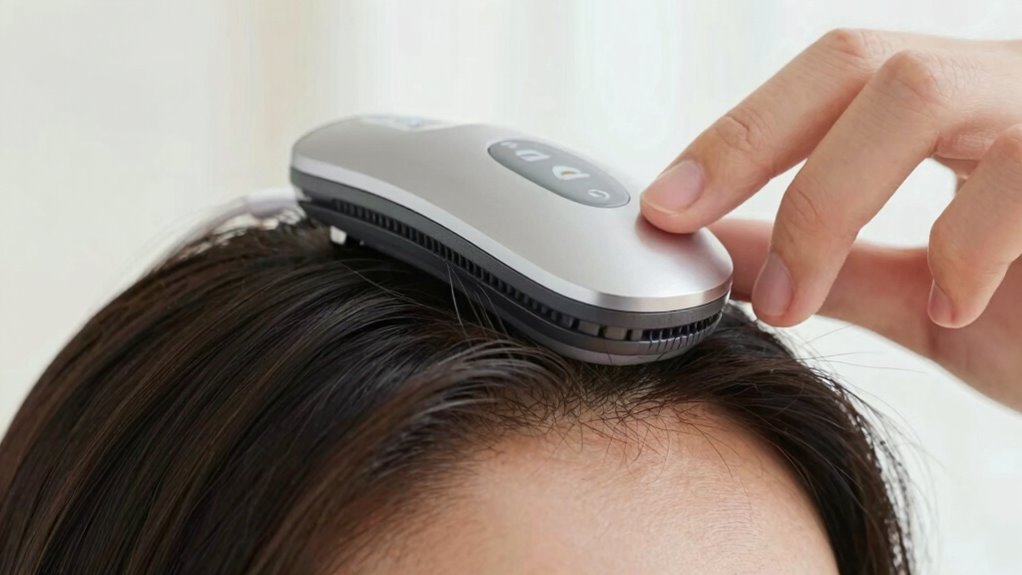
Choosing the right settings is essential for minimizing discomfort during scalp procedures. Adjusting device intensity and duration helps prevent irritation and soreness. Start with lower settings and gradually increase as your scalp adapts. Incorporate gentle scalp massage to improve blood flow and ease tension. Maintaining good hair hygiene before treatments reduces dirt and buildup, lessening the risk of irritation. Be mindful of sensations; if you feel discomfort, lower the settings immediately. Regularly clean your device to guarantee it functions smoothly. Remember, everyone’s scalp sensitivity differs, so listen to your body. Using vetted hair-growth devices ensures safety and effectiveness. Additionally, understanding scalp sensitivity can help tailor treatments for better comfort. Being aware of skin reactions can guide you in adjusting your treatment plan appropriately. Recognizing individual differences in scalp response allows for more personalized care and better outcomes. Recognizing the importance of device settings can help optimize treatment efficacy while minimizing side effects. By customizing your device settings and caring for your scalp, you can enjoy effective hair growth without unnecessary discomfort. Your comfort and scalp health go hand-in-hand for ideal results.
Tips for Safe and Comfortable Hair-Growth Device Use
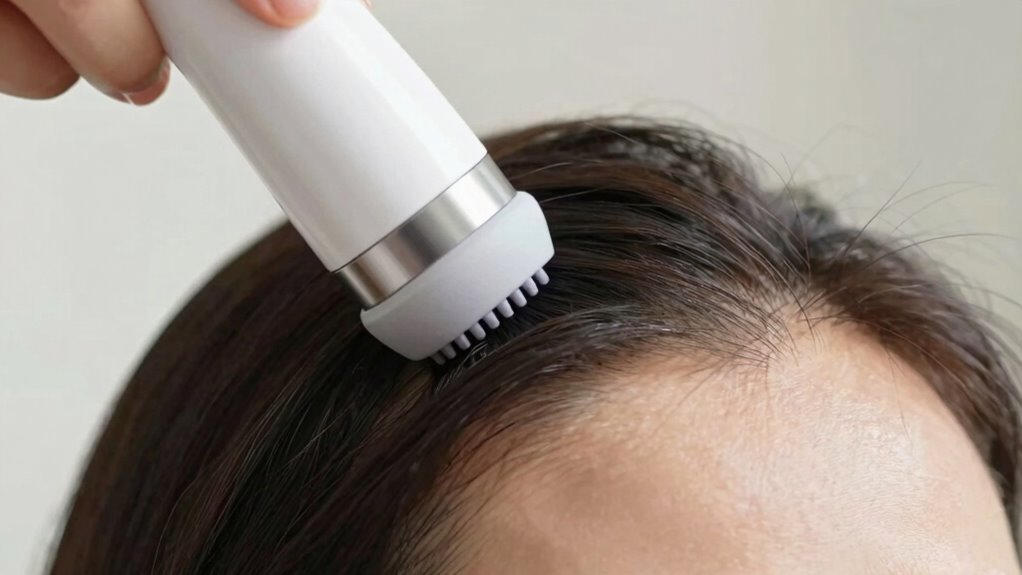
Using your hair-growth device safely and comfortably requires attentiveness and proper technique. Before use, avoid applying hair coloring treatments that can weaken your scalp’s skin, increasing irritation risk. Gentle scalp massage before and after treatment can improve circulation and reduce tension, making the process more comfortable. Always follow manufacturer instructions, adjusting settings gradually to prevent overstimulation. Keep your scalp clean and dry, and avoid excessive device use, which can cause irritation. If your scalp feels sensitive, take breaks between sessions. Wearing a soft, breathable cap can help distribute pressure evenly. Remember, combining scalp massage with proper device use supports healthy circulation, while avoiding harsh hair coloring helps maintain scalp integrity and minimizes discomfort during your hair-growth journey. Using proper tools and safety tips ensures a more effective and irritation-free experience. Additionally, being aware of scalp sensitivity can help you recognize early signs of irritation and take prompt action to protect your scalp health.
How to Spot and Address Early Signs of Irritation
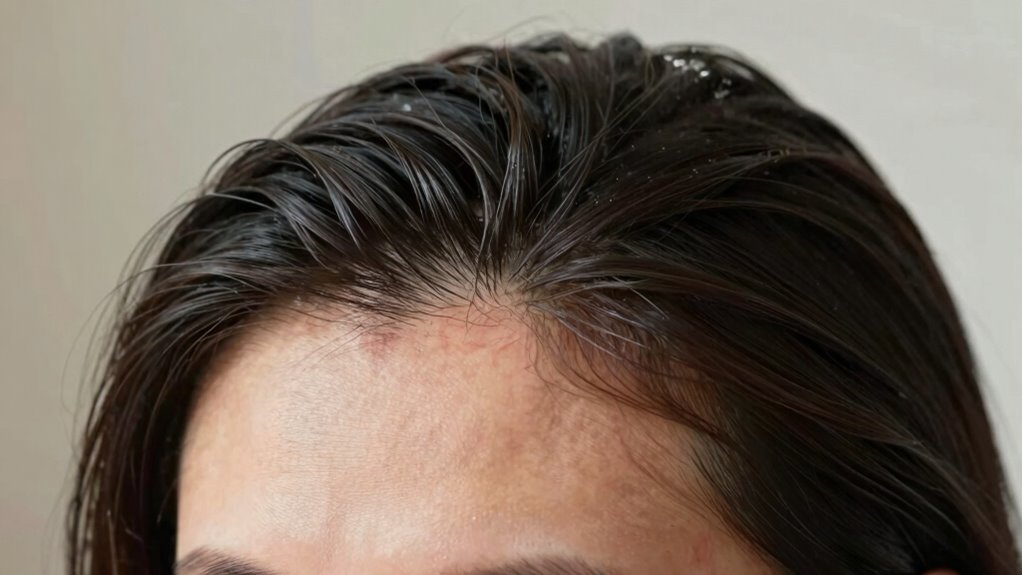
Keep an eye out for early redness on your scalp, as it can be a sign of irritation. If you notice itching or burning, it’s important to monitor how your skin reacts and respond promptly. Adjust your device usage or take a break to prevent further discomfort or damage.
Recognize Early Redness
Early redness on your scalp is often the first sign that irritation is beginning, so paying close attention can help you catch issues before they worsen. Recognizing redness awareness is key to managing scalp sensitivity and preventing further discomfort. Look for subtle changes like pinkish patches or slight inflammation. To stay alert:
- Check your scalp regularly during and after treatments
- Notice if redness persists or spreads
- Observe if your scalp feels warm or tender
- Watch for any swelling or raised areas
- Be attentive to any discomfort that accompanies redness
Monitor Itching or Burning
How can you tell if your scalp is beginning to irritate? Pay attention to scalp itching and burning sensations. If your scalp feels itchy or uncomfortable, it’s a sign that irritation might be developing. Burning sensations are also a clear indicator that your scalp isn’t tolerating the device well. These symptoms can occur early, even before redness appears, so don’t ignore them. When you notice itching or burning, pause your treatment and check your scalp’s condition. Continuing to use the device despite these signs can worsen irritation or cause injury. Monitoring your scalp closely helps you catch problems early, allowing you to take steps to protect your skin and avoid more serious issues down the line.
Adjust Device Usage
When you notice signs of irritation, such as itching or burning, it’s important to adjust how you’re using your device immediately. First, check your device calibration to guarantee it’s functioning correctly and not delivering excessive intensity. Reducing the device’s power or session duration can improve user comfort and prevent further irritation. Consider the following steps:
- Lower the device’s intensity settings
- Shorten treatment sessions
- Increase the interval between uses
- Ensure proper contact with the scalp
- Use soothing topical treatments if needed
Pay attention to how your scalp responds after adjustments. If irritation persists, consult the device’s instructions or a healthcare professional. Proper calibration and attentive use help maintain scalp safety and maximize results without discomfort.
Post-Treatment Care for a Healthy Scalp

After a scalp treatment, proper care is essential to guarantee your scalp stays healthy and recovers effectively. Focus on maintaining scalp hydration by using gentle, nourishing products that prevent dryness and irritation. Avoid harsh shampoos or chemicals that can strip moisture and compromise your scalp’s health. Incorporate regular scalp exfoliation to remove dead skin cells and promote healthy hair growth, but do so gently to prevent irritation. Keep your scalp clean and moisturized, and avoid excessive manipulation. Wearing loose hairstyles and avoiding direct sun exposure also help protect your scalp. Staying consistent with these care steps supports healing and reduces the risk of irritation, ensuring your scalp remains healthy and ready for future treatments or hair growth.
Frequently Asked Questions
Are There Specific Scalp Conditions That Make Irritation More Likely?
If you have a scalp allergy or psoriasis, you’re more prone to irritation from hair-growth devices. These conditions can weaken your scalp’s barrier, making it sensitive to device contact. To protect yourself, consult a dermatologist before starting treatments, and consider doing a patch test. Proper scalp care and monitoring for symptoms help prevent aggravating existing conditions and reduce the risk of irritation.
How Often Should I Take Breaks During Treatment Sessions?
You should take breaks during your treatment sessions based on your treatment schedule and how your scalp responds. Typically, it’s recommended to pause every 15-20 minutes to prevent irritation. Listen to your scalp and watch for signs of discomfort. Taking regular breaks helps with irritation prevention and guarantees your scalp stays healthy. Always follow your device’s guidelines and consult your dermatologist if you notice persistent irritation.
Can Diet or Supplements Influence Scalp Sensitivity?
Did you know that 70% of people see improved scalp health with proper diet and supplements? Your diet impact can influence scalp sensitivity, as nutrient deficiencies may weaken skin and hair follicles. Supplements like biotin, zinc, and omega-3s can support scalp resilience, reducing irritation. By maintaining a balanced diet and considering targeted supplements, you help your scalp adapt better to hair-growth devices, minimizing discomfort and promoting healthier hair growth.
What Are Recommended Products to Soothe the Scalp After Use?
After using hair-growth devices, you should apply gentle cleansers to remove residue without irritating your scalp. Follow up with a soothing serum containing calming ingredients like aloe vera or chamomile to reduce redness and discomfort. Avoid harsh products and opt for those specifically designed for sensitive skin. Regularly using these products can help keep your scalp comfortable and healthy, ensuring your hair-growth routine remains effective and irritation-free.
How Long Should I Wait Before Resuming Treatments if Irritation Occurs?
If irritation occurs, you should take a treatment pause immediately to allow your scalp to recover. Wait at least 48 hours before resuming treatments, and monitor your scalp’s reaction. During this irritation management period, avoid using harsh products and keep the area clean and moisturized. If irritation persists beyond a few days, consult a dermatologist before restarting your hair-growth device to prevent further scalp damage.
Conclusion
To keep your scalp healthy while using hair-growth devices, follow proper preparation and care. Did you know that 30% of users experience some irritation, but most can avoid it with the right approach? By choosing suitable settings, spotting early signs, and caring for your scalp afterward, you can enjoy safe, effective results without discomfort. Stay attentive and gentle—you’ll be on your way to healthier hair and a happier scalp in no time.