To improve your sleep, focus on aligning your light exposure with your body’s internal clock. During the day, get plenty of natural light to boost alertness and support your circadian rhythm. In the evening, dim your lights and avoid screens with blue light to help your body produce melatonin. Staying consistent with sleep and wake times also reinforces your natural cycle. Keep exploring how managing light habits further enhances your restful nights and energized days.

Get wellness gear delivered free — and shop member deals
- Fast, free delivery on millions of items
- Access to Prime Big Deal Days deals on October 6–7
- Prime Video, Amazon Music and more included
Key Takeaways
- Consistent sleep schedules aligned with natural light cues reinforce circadian rhythm stability.
- Morning exposure to natural light boosts alertness and helps regulate melatonin production.
- Dimming and warm lighting in the evening signal the body to prepare for sleep.
- Minimizing blue light from screens before bedtime supports natural melatonin release.
- Proper light management during the day and night improves sleep quality and overall well-being.

Getting good sleep isn’t just about the hours you clock; it’s also about your light habits. Your exposure to light, especially in the evening, directly influences your circadian rhythm—the internal clock that regulates your sleep-wake cycle. When you align your light exposure with your natural circadian rhythm, falling asleep becomes easier, and the quality of your sleep improves. Conversely, bright artificial light late at night can trick your brain into thinking it’s daytime, delaying melatonin production, which is essential for falling asleep. That’s why practicing good sleep hygiene involves managing your light environment, especially in the hours leading up to bedtime.
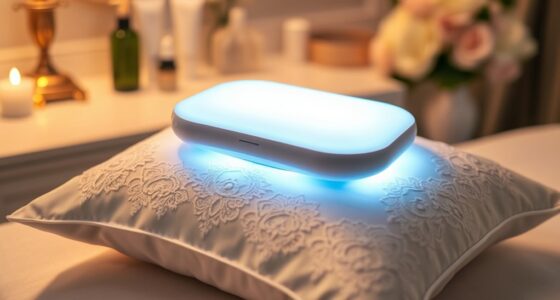
Managing evening light exposure is essential for better sleep and a healthy circadian rhythm.
During the day, try to maximize natural light exposure. Spend time outside if possible, or sit near windows to help signal to your brain that it’s daytime. This natural light helps keep your circadian rhythm in sync, promoting alertness during waking hours. When evening approaches, reduce your exposure to bright lights, especially blue light emitted by screens from smartphones, computers, and TVs. Use dim, warm-colored lighting in the hour or two before bed to signal to your body that it’s time to wind down. This gentle shift in lighting reinforces your sleep hygiene practices by encouraging your body to produce melatonin naturally, making it easier to fall asleep and stay asleep through the night.
Establishing consistent sleep and wake times also supports your circadian rhythm and sleep hygiene. Going to bed and waking up at the same time every day, even on weekends, helps your internal clock stay regular. When your circadian rhythm is properly aligned, you’ll wake up feeling more refreshed and alert, and you’ll find it easier to drift off at night. Avoiding bright screens and artificial lights close to bedtime isn’t just about comfort; it’s a critical part of maintaining a healthy sleep cycle. Think of light habits as a way to reinforce your sleep hygiene, creating an environment that naturally promotes restful sleep. Additionally, understanding the impact of light exposure on your internal clock can empower you to make smarter choices about your lighting environment. Incorporating light management strategies can further optimize your sleep routine and overall health, helping you maintain a healthy circadian rhythm.
Making mindful adjustments to your light habits can also help reduce light pollution, which not only affects your sleep but can disrupt the natural environment around you. Incorporating these habits might require some adjustment, but the payoff is significant. Better light habits help regulate your circadian rhythm and improve your sleep hygiene, leading to more restorative sleep and increased daytime energy. When your internal clock and light environment work together, you set the foundation for healthier sleep patterns, helping you wake up feeling more refreshed and ready to take on the day. In the end, managing your light exposure isn’t just a small detail—it’s a powerful tool in your sleep health arsenal. Recognizing the importance of light exposure can make a substantial difference in your overall sleep quality and daily well-being.
As an affiliate, we earn on qualifying purchases.
Frequently Asked Questions
How Does Sleep Quality Affect Overall Mental Health?
When your sleep quality improves, your mental health benefits considerably. Better sleep helps you manage stress more effectively, reducing anxiety and depression. It also enhances your ability to process emotions through dream therapy, making you feel more balanced. Prioritizing good sleep supports overall mental resilience, sharpens focus, and boosts mood. In turn, this creates a positive cycle that strengthens your mental well-being and helps you handle daily challenges better.
Can Light Habits Influence Sleep Disorders?
Yes, your light habits can influence sleep disorders. By maintaining a consistent light exposure, you help regulate your circadian rhythm, which controls your sleep-wake cycle. Bright light in the morning can boost alertness, while reducing exposure to blue light before bed aids sleep. Light therapy is also effective for conditions like Seasonal Affective Disorder and certain circadian rhythm sleep disorders, helping realign your internal clock for better rest.
What Are the Best Light Conditions for Improving Sleep?
Imagine your circadian rhythm as a finely tuned orchestra, needing the right light cues to perform perfectly. For better sleep, you should get bright light exposure in the morning, about 30 minutes to an hour, to reinforce your natural cycle. Keep your environment dim in the evening, with minimal blue light from screens, to signal your body it’s time to wind down, promoting restful sleep.
How Quickly Can Light Habits Improve Sleep Quality?
Light habits can boost your sleep quality within just a few days. By aligning your exposure to natural and artificial light, you promote circadian alignment and melatonin regulation. Consistently getting bright morning light and reducing blue light in the evening helps reset your internal clock. Over a week or so, you’ll notice improved sleep onset, deeper rest, and more refreshed mornings as your body adapts to these healthier light patterns.
Are There Age-Specific Light and Sleep Recommendations?
Think of age-specific lighting and sleep recommendations as tailored suits—perfectly fitting your needs. For instance, children need plenty of natural light and longer sleep durations, while adults benefit from dimmer evenings to promote melatonin production. Older adults should prioritize morning light exposure and aim for consistent sleep duration to maintain health. Adjusting light habits based on your age helps optimize your sleep quality and overall well-being.
Conclusion
By prioritizing good sleep and establishing better light habits, you’re setting yourself up for success. Remember, these small changes can make a big difference in how you feel and function daily. Don’t let this opportunity slip through your fingers—think of it as hitting two birds with one stone. When you nurture your body with proper rest and light, you’re paving the way for a brighter, more energized you. So, get started today and watch the benefits unfold.
Halloween Picks
halloween
As an affiliate, we earn on qualifying purchases.