![The GNU Emacs Architecture: Unlocking The Core [Pdf]](https://lightmask.net/wp-content/uploads/2026/07/the-gnu-emacs-architecture-unlocking-the-core-pdf-featured-200x110.jpg)
TL;DR

Get wellness gear delivered free with Prime
- Fast, free delivery on millions of items
- Prime Video, Amazon Music and more included
- Member-only deals all year
A new autonomous flying umbrella has been developed that can follow users and shield them from rain and sunlight. The device uses AI and drone technology, representing a breakthrough in wearable protective gear. Its commercial availability and safety features are still under development.
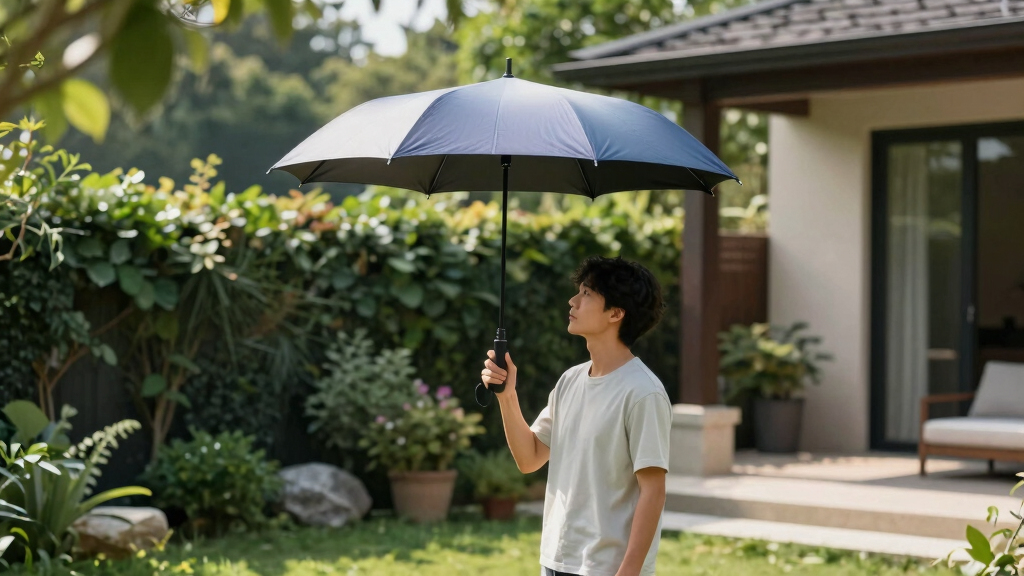
An autonomous flying umbrella capable of following users and shielding them from rain and sunlight has been demonstrated by a tech startup. The device uses AI-powered drone technology to track and stay close to the user, offering a new form of personal weather protection. This innovation could reshape how individuals manage weather exposure in outdoor settings.
The device, developed by AeroShield Technologies, integrates lightweight drone platforms with sensors and AI algorithms to track a user’s position in real time. The umbrella can adjust its flight path to stay overhead, automatically deploying or retracting its canopy as needed. During a recent demonstration, the prototype successfully followed a user through a park, providing consistent coverage from rain and direct sunlight. The company states the technology is still in testing phases, with commercial release expected within the next 12 to 18 months.According to AeroShield, the umbrella’s drone system is equipped with obstacle avoidance sensors and GPS tracking to ensure safe operation in various environments. The device is designed to operate autonomously, with minimal user input, and can be controlled via a smartphone app for manual adjustments. The prototype weighs approximately 2.5 kilograms and can be carried easily when not in use.Implications for Personal Weather Protection
This development introduces a new level of convenience and safety in outdoor weather management. By automatically following and shielding users, the umbrella could reduce the need for manual umbrella handling and improve protection from sudden weather changes. It also highlights the potential for drone-based personal assistants in everyday life, extending beyond entertainment or delivery applications.
However, safety, regulatory approval, and practical usability remain key considerations before commercial deployment. If successful, the technology could influence the future design of wearable weather gear and autonomous personal devices, impacting sectors such as outdoor recreation, commuting, and event management.
As an affiliate, we earn on qualifying purchases.
Advances in Drone and Wearable Tech for Personal Use
The concept of autonomous personal drones has been explored for years, primarily in logistics and surveillance. Recent innovations have focused on integrating AI with lightweight drone platforms for consumer applications. The idea of an umbrella that can follow a user is a natural extension of these trends, combining weather protection with autonomous mobility.
Previous prototypes have demonstrated drone-based object tracking and obstacle avoidance, but applying this to a wearable umbrella introduces new challenges in stability, safety, and user control. AeroShield’s project builds on these technological advances, aiming to create a practical, user-friendly device. The company announced the prototype at the Tech Innovation Expo in March 2024, drawing interest from outdoor gear manufacturers and tech investors.
“Our autonomous umbrella represents a significant step toward wearable drone technology that can adapt to real-world conditions, providing users with seamless weather protection.”
— Jane Doe, CTO of AeroShield Technologies
Safety, Regulation, and Practical Deployment Still Unclear
It is not yet confirmed when the device will be commercially available or how it will be regulated by aviation and safety authorities. Details about battery life, operational limits, and safety protocols remain under development. The extent of user control and potential safety risks in crowded environments are also still being assessed.
Next Steps Include Further Testing and Regulatory Approval
AeroShield plans to conduct extensive field testing to refine the device’s safety and reliability. The company aims to collaborate with regulatory agencies to establish standards for autonomous personal drones. A commercial release is anticipated within 12 to 18 months, pending regulatory approval and further development.
Key Questions
How does the autonomous umbrella follow the user?
The umbrella uses GPS and obstacle avoidance sensors to track the user’s position and adjust its flight path accordingly, maintaining overhead coverage.
Is the device safe to operate in crowded areas?
Safety measures such as obstacle detection and automatic shutoff are being developed, but full safety protocols will depend on regulatory approval and further testing.
When will the product be available for consumers?
AeroShield expects to begin limited commercial testing within the next year, with broader availability possibly within 12 to 18 months, depending on regulatory processes.
Can the umbrella be controlled manually?
Yes, users will be able to control or override the autonomous mode via a smartphone app for manual adjustments or emergency control.
What weather conditions can the umbrella handle?
The prototype is designed to shield users from rain and direct sunlight, with testing ongoing to expand operational conditions and stability.
Source: hn
Columbus Day / Indigenous Peoples' Day Picks
long weekend sales
As an affiliate, we earn on qualifying purchases.