
TL;DR

Get wellness gear delivered free with Prime
- Fast, free delivery on millions of items
- Prime Video, Amazon Music and more included
- Member-only deals all year
This article explains how to accurately plan and photograph the upcoming Blue Moon’s full moonrise. It covers timing, location, and technical tips to ensure you don’t miss this rare event.
Photographers and moon enthusiasts can now prepare to capture the upcoming Blue Moon’s full moonrise with precision, as experts provide detailed guidance on timing and location to avoid missing this rare event.
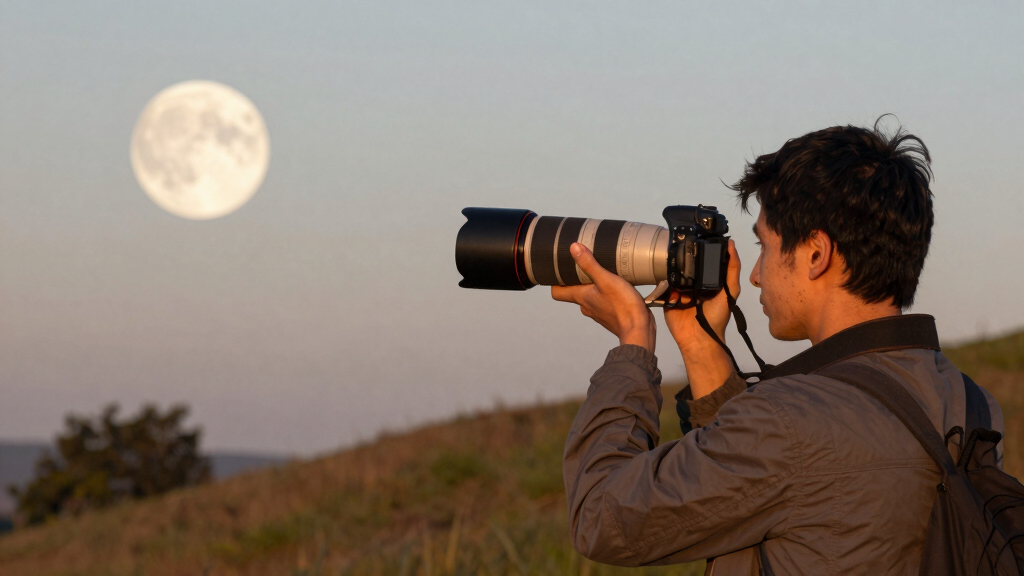
The upcoming Blue Moon will reach full illumination at 4:45 a.m. EDT on Sunday, May 31. To see the moon at its most striking during moonrise, observers should aim to be positioned about 20 minutes before sunset, when the moon is likely to rise during the blue hour—when it is dark enough to highlight its orange hue against the landscape. Tools like PhotoPills or The Photographer’s Ephemeris can help determine the exact moonrise point from any location. The best viewing spots are elevated, unobstructed horizons over water or open land, with timing crucial because the moon often appears larger and more vibrant as it first emerges. Photographers should be prepared to act quickly, as the moon’s brightness changes rapidly once it clears terrain or buildings.
Why It Matters
This event offers a unique opportunity for photographers and skywatchers to witness and document a rare full moonrise. Accurate planning enhances the experience and ensures high-quality images, which are often shared widely on social media. For the general public, understanding the timing and location makes it more likely to witness this fleeting spectacle, fostering greater appreciation for lunar phenomena.
As an affiliate, we earn on qualifying purchases.
Background
The Blue Moon, the second full moon in a calendar month, is a rare occurrence, happening roughly once every 2.7 years. This month’s full moon reaches peak illumination at 4:45 a.m. EDT on May 31, but the moon’s rise on the horizon occurs earlier and varies by location. Previous events have highlighted the importance of precise timing and location, as many miss the moonrise due to lack of planning. Photographers have increasingly relied on planning apps to optimize their chances of capturing these fleeting moments.
“To capture the full moonrise at its best, you need to be in the right place at the right time, ideally about 20 minutes before sunset, with a clear view of the horizon.”
— Jamie Carter, photographer and moon enthusiast
“The full moon’s appearance during moonrise is highly dependent on your geographic position and local terrain, making precise planning essential.”
— A lunar event expert from NASA
What Remains Unclear
It remains unclear how weather conditions will impact visibility in different locations, as cloud cover can obscure the moonrise. Additionally, the exact moonrise time varies slightly depending on the observer’s precise location, which may affect planning accuracy.
What’s Next
Observers should use lunar planning apps to identify the exact moonrise point in their area and prepare their equipment accordingly. The next significant full moon event will be the next lunar cycle, with further opportunities to photograph or observe lunar phenomena scheduled in the coming months.
Key Questions
When is the best time to see the Blue Moon’s full moonrise?
The optimal time is approximately 20 minutes before sunset, during the blue hour, when the moon is low on the horizon and its orange hue is most prominent.
Where should I position myself to get the best view?
Choose an elevated, unobstructed location with a clear view of the eastern horizon, preferably over water or open land, to maximize the visibility and photographic potential.
Do I need special equipment to photograph the moonrise?
A camera with manual settings, a tripod, and planning tools like moonrise apps will help you capture sharp, well-exposed images of the moon as it rises.
Will the moon appear blue during the Blue Moon?
No, the term ‘Blue Moon’ refers to the second full moon in a calendar month and does not imply the moon will be blue in color.
Source: Google Trends
Cold & flu season Picks
humidifiers
As an affiliate, we earn on qualifying purchases.