
TL;DR

Get wellness gear delivered free with Prime
- Fast, free delivery on millions of items
- Prime Video, Amazon Music and more included
- Member-only deals all year
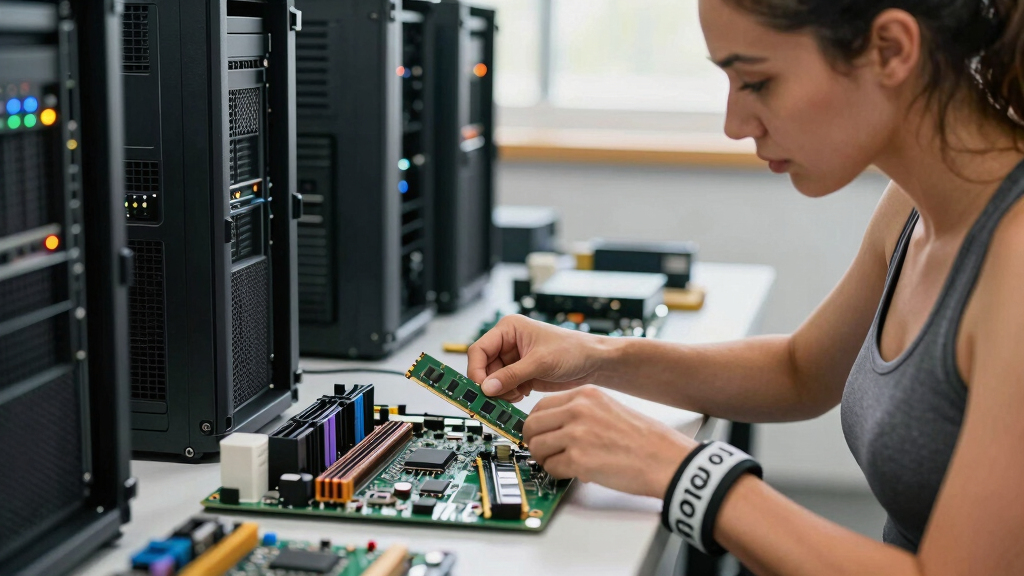
Meta has announced it is reusing older RAM modules in its new server designs, integrating them with a custom bridge chip. This approach aims to cut costs and optimize hardware utilization, though details about performance implications remain unclear.
Meta has revealed it is reusing older RAM modules in its new server hardware, employing a custom-designed bridge chip to facilitate compatibility and performance. This move aims to reduce costs and improve resource utilization, making it a notable development in data center hardware strategies.
According to Meta, the company is repurposing existing RAM modules in its latest server models, instead of sourcing entirely new memory components. The key enabler for this approach is a custom bridge chip designed specifically to interface with older RAM modules, ensuring compatibility and stability. This strategy is part of Meta’s broader efforts to optimize infrastructure costs amid rising hardware expenses and supply chain constraints.
Meta has not disclosed specific technical specifications of the bridge chip or detailed performance metrics, but sources confirm that the reuse of RAM is intended to maintain server performance while reducing capital expenditure. Industry analysts suggest this could set a precedent for other large-scale data center operators seeking to maximize hardware lifespan and resource efficiency.
Implications for Data Center Hardware Cost Management
This development is significant because it demonstrates a practical approach to extending the lifecycle of existing hardware components within large-scale server deployments. By reusing RAM modules, Meta could lower capital and operational costs, potentially influencing industry standards for hardware reuse. However, the impact on server performance, reliability, and scalability remains to be fully assessed, and the approach may face technical challenges related to compatibility and stability.
As an affiliate, we earn on qualifying purchases.
Meta’s Hardware Strategy and Industry Trends
Meta has been investing heavily in expanding its data center infrastructure to support its social media, virtual reality, and AI services. Traditionally, data center operators replace RAM modules with each new server generation to ensure maximum performance. However, supply chain disruptions and rising component costs have prompted companies to explore hardware reuse strategies. Previous efforts in hardware recycling have focused on storage drives and processors, but reuse of RAM with custom interface solutions is less common. The announcement aligns with broader industry trends toward sustainability and cost efficiency in data center management.
“Reusing existing RAM modules with our custom bridge chip allows us to optimize hardware utilization without compromising performance.”
— Meta spokesperson
Technical and Performance Uncertainties of RAM Reuse
It is not yet clear how the reused RAM modules will perform over time, especially regarding reliability and potential compatibility issues. Details about the technical specifications of the custom bridge chip and its ability to handle different RAM generations are still emerging. Additionally, the long-term durability and impact on server uptime remain uncertain, as Meta has not publicly shared comprehensive testing results.
Next Steps for Meta’s Hardware Deployment and Industry Adoption
Meta is expected to continue deploying servers utilizing this RAM reuse approach in its data centers. Monitoring of performance metrics and reliability over time will be critical to assess viability. Industry observers will watch for further technical disclosures from Meta and potential adoption by other companies, especially if this strategy proves cost-effective and stable in large-scale operations.
Key Questions
Why is Meta reusing older RAM modules in new servers?
Meta aims to reduce hardware costs and optimize resource utilization by repurposing existing RAM modules, supported by a custom bridge chip that ensures compatibility and performance.
How does the custom bridge chip work with reused RAM?
The bridge chip acts as an interface between the server’s processor and the older RAM modules, managing communication and ensuring compatibility despite hardware differences.
Will reusing RAM affect server performance or reliability?
This remains uncertain; Meta has not disclosed detailed testing results, and the long-term effects on performance and reliability are still being evaluated.
Could this approach be adopted by other data center operators?
Potentially, if Meta demonstrates successful deployment and performance stability, other companies may consider similar hardware reuse strategies to cut costs and extend hardware lifecycles.
Are there any environmental benefits to reusing RAM modules?
Reusing existing hardware components can contribute to sustainability by reducing electronic waste and lowering the demand for new manufacturing, though this is not the primary focus of Meta’s announcement.
Source: hn
Columbus Day / Indigenous Peoples' Day Picks
long weekend sales
As an affiliate, we earn on qualifying purchases.