TL;DR
Play games included with Prime
Start a Prime free trial and play with Amazon Luna on your devices.
Start playingAs an affiliate, we earn on qualifying purchases.
Samsung has started deploying Android 17 with One UI 9 to select Galaxy devices. The initial device list has been confirmed, signaling a significant update cycle. Details on the full rollout timeline remain to be seen.
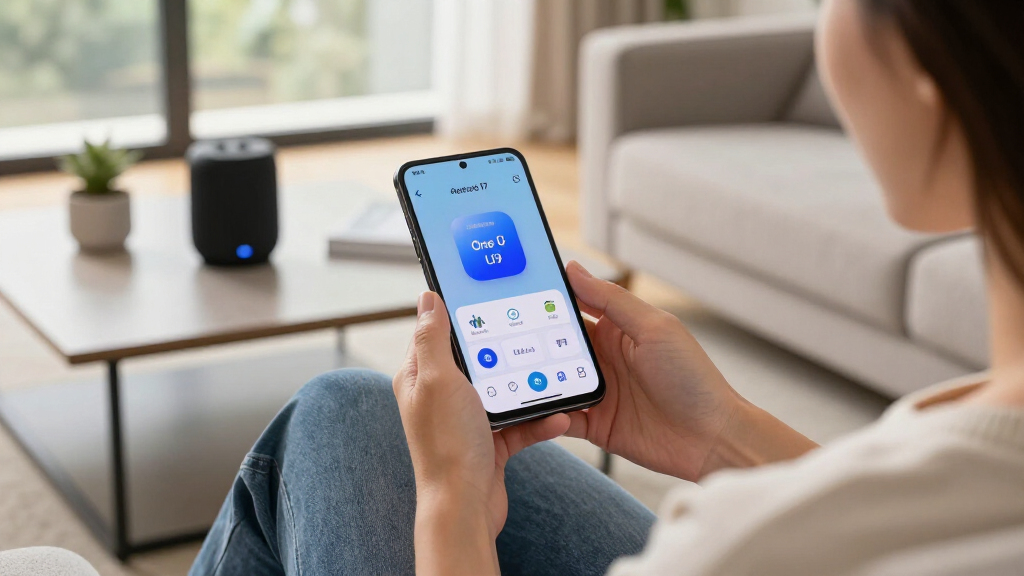
Samsung has officially begun rolling out the Android 17 operating system with the latest One UI 9 interface to select Galaxy devices, confirming the initial list of models set to receive the update. This marks a major milestone in Samsung’s software update cycle, offering new features and improvements to users.
The South Korean tech giant announced that the deployment of Android 17 with One UI 9 has started for a specific group of Galaxy smartphones. Samsung confirmed the first batch of devices eligible for the update, which includes several flagship and mid-range models. The rollout is currently in progress, with users in various regions beginning to receive the update via OTA (over-the-air) download.
According to Samsung, the initial device list includes models such as the Galaxy S23 series, Galaxy Note 20 series, Galaxy A54, and Galaxy A73. The company has not yet disclosed the full list of devices or the exact timeline for the complete rollout, but the start of deployment indicates a structured update schedule. The update brings the latest Android features, security patches, and enhancements specific to One UI 9, Samsung’s custom user interface overlay.
Samsung’s software update cycle has historically been a key factor for consumer satisfaction, especially for flagship users. The company has committed to providing at least four years of security updates for its recent flagship devices, and this rollout underscores that ongoing support. The update process is expected to continue over the coming weeks, with additional models and regions to be covered.
Why Android 17 with One UI 9 Matters for Galaxy Users
This update is significant because it introduces the latest Android features and security improvements to Samsung’s flagship and popular mid-range smartphones. For users, this means enhanced performance, new customization options, and better integration with the broader Android ecosystem. It also reflects Samsung’s ongoing commitment to software support, which can influence consumer loyalty and device longevity. The rollout’s success may set a precedent for future updates and reassure users about Samsung’s update promises.
As an affiliate, we earn on qualifying purchases.
Background on Samsung’s Software Update Strategy
Samsung has historically been one of the most proactive Android manufacturers regarding software updates, often providing extended support for its devices. The company’s recent focus has been on delivering timely updates across its Galaxy lineup, including flagship models like the Galaxy S series and Note series, as well as mid-range devices. Android 17 and One UI 9 are the latest versions, following previous major upgrades, and are expected to bring new features such as improved AI capabilities, enhanced security, and user interface refinements.
The announcement of Android 17’s rollout coincides with broader industry trends towards faster update cycles and longer device support periods. Samsung’s initial list of devices indicates a targeted approach, prioritizing newer flagship models, with plans to extend to more devices in the future. This pattern aligns with Samsung’s recent strategy to improve user experience through regular software updates.
While the exact features of Android 17 and One UI 9 are still emerging, early leaks suggest improvements in multitasking, privacy controls, and system stability. The rollout is being closely watched by industry analysts and consumers alike, as it signals Samsung’s ongoing push to maintain its competitive edge in the Android ecosystem.
Details on Full Device List and Timeline Still Unclear
While Samsung has confirmed the initial devices receiving Android 17 with One UI 9, the full list of compatible models and the exact timeline for complete regional rollout remain undisclosed. It is also unclear how quickly the update will reach all eligible devices, especially older models or those in less-covered regions. Additionally, specific new features and improvements are still being officially detailed, with some information expected to emerge as users begin installing the update.
Next Steps in Samsung’s Android 17 Deployment
Samsung is expected to continue the phased rollout over the coming weeks, expanding to additional devices and regions. Users are advised to check for updates regularly via device settings. Samsung may also release detailed changelogs and feature lists as the update becomes more widespread. Industry sources suggest that the company will prioritize flagship models first, then move to mid-range and older devices, following its usual update pattern.
Meanwhile, users should ensure their devices have sufficient storage and are connected to stable Wi-Fi networks before initiating the update. Tech observers will be watching for user feedback and any issues reported during the rollout to gauge its success and stability.
Key Questions
Which Samsung devices are receiving Android 17 with One UI 9 first?
Initial confirmed devices include the Galaxy S23 series, Galaxy Note 20 series, Galaxy A54, and Galaxy A73. The full list of devices and regions will be announced as the rollout progresses.
When will my Samsung device get the Android 17 update?
The update has started in select regions for certain models. The complete rollout timeline varies by device and location, with more models expected to receive the update over the coming weeks.
What new features does Android 17 with One UI 9 bring?
While official details are still emerging, early indications suggest improvements in AI capabilities, privacy controls, system stability, and user interface refinements. Samsung will release detailed changelogs once the update is widespread.
Is this update available for older Galaxy devices?
Currently, the focus is on recent flagship and mid-range models. Support for older devices has not been confirmed but may be announced later depending on Samsung’s update strategy.
Should I manually check for the update now?
Yes, users should regularly check their device settings for software updates, especially if their device is on the initial list or falls within the supported models.
Source: rss
NFL season / tailgating Picks
team gear
As an affiliate, we earn on qualifying purchases.