
TL;DR

Get wellness gear delivered free — and shop member deals
- Fast, free delivery on millions of items
- Access to Prime Big Deal Days deals on October 6–7
- Prime Video, Amazon Music and more included
This article examines recent trends in user interfaces within the demo scene, focusing on how creators are innovating and the challenges they face. The development is ongoing, with new tools and approaches emerging.
Recent discussions at demo scene events have highlighted significant innovations and challenges in user interface design among digital artists and programmers. These developments are shaping how creators interact with their audiences and push the boundaries of visual and interactive experiences, making this a key area of interest within the scene.
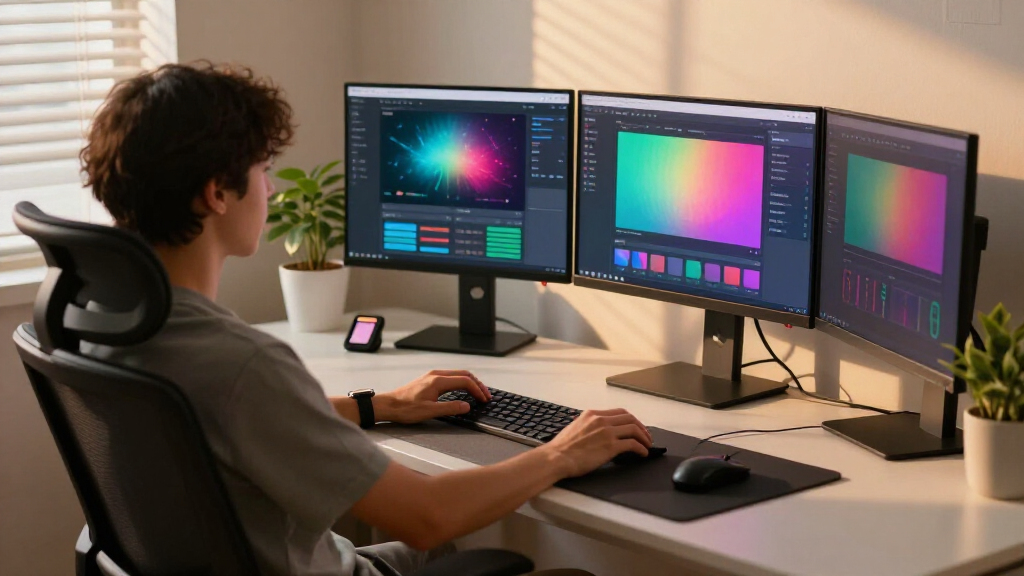
In the demo scene, which involves creating audiovisual digital art primarily for competitions and exhibitions, user interfaces (UI) are increasingly central to the overall experience. Recent presentations and discussions at events like Breakpoint and Revision have showcased new UI approaches, emphasizing accessibility, visual clarity, and integration with complex visual effects.
Sources from within the scene indicate that creators are experimenting with custom interfaces to better control audiovisual elements in real-time, often using open-source tools and frameworks. This trend aims to enhance both performance and audience engagement.
While some UIs are straightforward, others incorporate innovative features such as gesture controls, minimalistic designs, and adaptive layouts that respond to viewer interaction. These efforts reflect a broader push toward making demo art more interactive and accessible to a wider audience.
Despite these advancements, challenges remain, including technical constraints, standardization issues, and balancing aesthetic appeal with usability, especially for newcomers to the scene. These issues are actively discussed among community members and developers.
Implications of UI Innovations for the Demo Scene Community
The evolution of user interfaces in the demo scene is significant because it directly influences how digital artists create, present, and engage with their work. Improved UIs can lower barriers for new creators, foster more interactive experiences, and expand the scene’s reach beyond niche audiences.
Moreover, these developments could influence broader digital art practices, including live performances, installations, and even commercial multimedia projects. As UI design becomes more sophisticated and user-friendly, it may lead to new forms of artistic expression and audience participation.
However, the scene’s reliance on custom and experimental UI solutions also raises concerns about standardization and long-term sustainability, which could impact community cohesion and knowledge sharing.
interactive user interface design tools
As an affiliate, we earn on qualifying purchases.
As an affiliate, we earn on qualifying purchases.
Recent Trends and Challenges in Demo Scene User Interfaces
The demo scene, originating in the 1980s as a computer art movement, has always prioritized technical innovation and visual creativity. In recent years, a notable shift has occurred toward integrating more sophisticated user interfaces, driven by advances in hardware, software, and community experimentation.
At events like Revision and Breakpoint, creators have showcased UIs that incorporate gesture controls, minimalistic overlays, and real-time interaction capabilities. These innovations aim to make demos more accessible and engaging, aligning with broader trends in digital art and interactive media.
Despite these positive developments, challenges persist. Technical limitations of hardware, the lack of unified standards, and the steep learning curve for new participants hinder wider adoption. Additionally, balancing aesthetic quality with functional usability remains an ongoing concern among scene veterans and newcomers alike.
Discussions within the community suggest that collaboration and open-source sharing of UI tools could help address these issues, but concrete steps are still emerging.
“Innovative UIs are opening new doors for creative expression, but we need more standardization to ensure these tools are sustainable long-term.”
— Alex Johnson, demo scene veteran
Unresolved Questions About UI Standardization and Accessibility
It is not yet clear how the demo scene will address the lack of standardized UI frameworks, which could affect interoperability and community cohesion. While community discussions are ongoing, concrete solutions or agreed-upon standards have yet to emerge.
Additionally, the long-term impact of these innovations on scene participation, especially among newcomers, remains uncertain. The balance between experimental freedom and usability continues to be a topic of debate.
Next Steps for UI Development and Community Collaboration
Community members and developers are expected to continue sharing UI tools and best practices through forums, open-source repositories, and upcoming demo scene events. Efforts to develop standardized frameworks or guidelines may gain momentum, fostering broader adoption.
Further research and experimentation are likely to focus on enhancing accessibility features, integrating new interaction modalities, and ensuring the sustainability of innovative UI solutions.
Monitoring these developments will be key to understanding how the scene evolves and how new creators can participate more easily.
Key Questions
How are user interfaces changing in the demo scene?
Creators are experimenting with gesture controls, minimalistic overlays, and real-time interaction features to make demos more engaging and accessible.
What are the main challenges facing UI development in the demo scene?
Technical constraints, lack of standardization, and balancing aesthetic quality with usability are ongoing challenges that the community is working to address.
Will there be standard UI frameworks for the demo scene?
It is currently uncertain; community discussions are ongoing, and efforts toward developing standards or guidelines are expected to continue.
How do these UI innovations impact new participants?
Innovative UIs can lower barriers to entry and foster more interactive experiences, but usability and learning curves remain concerns for newcomers.
What role do community events play in UI development?
Events like Revision and Breakpoint showcase new UI approaches, facilitate knowledge sharing, and help coordinate future development efforts.
Source: hn
Fall Picks
fall essentials
As an affiliate, we earn on qualifying purchases.