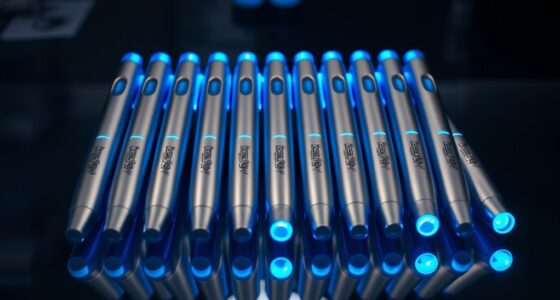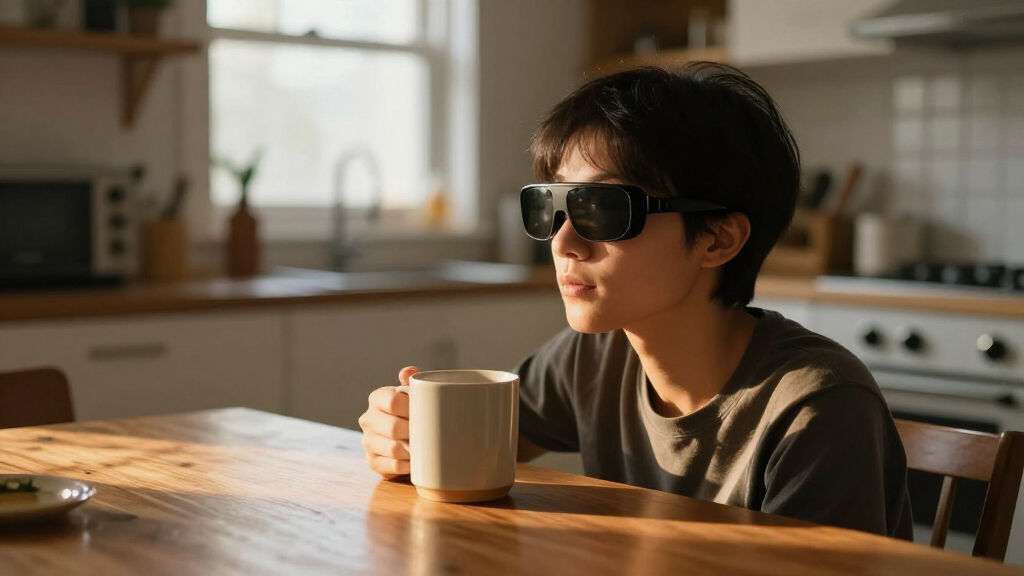

Light therapy glasses deliver light while you go about a morning routine, but models vary in light spectrum, fit, controls, and how much product information they provide. The Luminette 3 Wearable Light Therapy Glasses are my best overall pick in this lineup, with the AYO Blue-Turquoise glasses standing out for buyers focused on a wearable, travel-friendly routine. For a simpler entry point, the MEINNO Portable Light Therapy Glasses offer another style of wearable option. The main tradeoffs are comfort and portability versus documented specifications and flexibility; red-light or under-eye designs also serve a different purpose from bright-light glasses. Read on for the full comparison and guidance on choosing the right type for your routine.

Get wellness gear delivered free with Prime
- Fast, free delivery on millions of items
- Prime Video, Amazon Music and more included
- Member-only deals all year
Key Takeaways
- Luminette 3 leads the roundup because it is a dedicated wearable bright-light option, while the repeated Luminette 3 listings, including the pink version, appear to be variants rather than distinct product platforms.
- MEINNO and GentleGlow MEINNO give buyers portable wearable alternatives, but their names alone do not establish how their light output or controls compare with Luminette or AYO.
- AYO’s blue-turquoise positioning makes it a distinct choice for shoppers comparing light spectrum and portability; verify the maker’s specifications and usage guidance before choosing it over a white-light model.
- Red-and-blue and under-eye products are not direct substitutes for glasses designed to provide bright light exposure; match the product’s stated purpose to the outcome you want.
- UV-free claims are not a complete comparison: wavelength information, light intensity, fit, session guidance, and return or support terms matter more than a broad label alone.
| UV-Free Blue and White Light Therapy Glasses |  | Best for Adjustable Session Lengths | Light modes: Blue and white | Blue wavelength: 480 nm | Light intensity equivalence: 10,000 lux | VIEW LATEST PRICE | See Our Full Breakdown |
| MEINNO Portable Light Therapy Glasses |  | Best for Everyday Activity | Light modes: Blue and white | Blue wavelength: 480 nm | Light therapy equivalence: 10,000-lux lamp | VIEW LATEST PRICE | See Our Full Breakdown |
| GentleGlow MEINNO Wearable Light Therapy Glasses |  | Best for Safety-Standard Details | Light modes: Blue at 480 nm and white | Weight: 2.29 ounces | Timer settings: 15, 30, and 45 minutes | VIEW LATEST PRICE | See Our Full Breakdown |
| AYO Blue-Turquoise Light Therapy Glasses |  | Best for Fit and Visibility | Light: Blue-turquoise light and red light for wind-down | Weight: 1.1 ounces | Fit: Adjustable nosepiece; suitable for spectacle wearers | VIEW LATEST PRICE | See Our Full Breakdown |
| Lukirch Red and Blue Light Therapy Glasses |  | Best for Two-Color Sessions | Blue wavelength: 480 nm | Red wavelength: 670 nm | Light source: LED | VIEW LATEST PRICE | See Our Full Breakdown |
| Luminette 3 Wearable Light Therapy Glasses |  | Best Overall | Light intensities: 500, 1,000, and 1,500 lux | Light type: Blue-enriched white LED | Weight: 1.86 oz | VIEW LATEST PRICE | See Our Full Breakdown |
| Luminette 3 Wearable Light Therapy Glasses |  | Best for Travel | Light intensities: 500, 1,000, and 1,500 lux | Light type: Blue-enriched white LED | Weight: 0.42 oz | VIEW LATEST PRICE | See Our Full Breakdown |
| Luminette 2 Wearable Light Therapy Glasses |  | Best for Buyers Comparing Generations | Light type: Blue-enriched white LED | Light intensities: 500, 1,000, and 1,500 lux | Fit: One size with flexible arms | VIEW LATEST PRICE | See Our Full Breakdown |
| Red Light Therapy Glasses for Eyes and Under-Eye Area |  | Best for Red-Light and Microcurrent Features | Weight: 1.58 oz | Power levels: 3 | Auto-off timer: 10 minutes | VIEW LATEST PRICE | See Our Full Breakdown |
| Luminette 3 Light Therapy Glasses – Wearable White LED Sun Lamp for Sleep, Mood & Jet Lag (Pink) |  | Best Colorway Pick | Light intensities: 500, 1,000, and 1,500 lux | Light type: Blue-enriched white LED | Weight: 1.86 oz | VIEW LATEST PRICE | See Our Full Breakdown |
| UV-Free Wearable Light Therapy Glasses with Blue and White Light |  | Best for Flexible Everyday Sessions | Weight: 1.9 oz | Light modes: Blue and white | Blue light wavelength: 480 nm | VIEW LATEST PRICE | See Our Full Breakdown |
| light therapy glasse | Weight | Safety certification |
|---|---|---|
| UV-Free Blue and White Light T | 1.92 ounces | IEC 62471 |
| MEINNO Portable Light Therapy | 2.29 ounces | — |
| GentleGlow MEINNO Wearable Lig | 2.29 ounces | IEC 62471 |
| AYO Blue-Turquoise Light Thera | 1.1 ounces | — |
| Lukirch Red and Blue Light The | 10.72 ounces | — |
| Luminette 3 Wearable Light The | 1.86 oz | IEC 62471 |
| Luminette 3 Wearable Light The | 0.42 oz | IEC 62471 photobiological safety |
| Luminette 2 Wearable Light The | — | IEC 62471 photobiological safety |
| Red Light Therapy Glasses for | 1.58 oz | — |
| Luminette 3 Light Therapy Glas | 1.86 oz | — |
| UV-Free Wearable Light Therapy | 1.9 oz | IEC 62471 |
More Details on Our Top Picks
UV-Free Blue and White Light Therapy Glasses
These glasses suit buyers who want a simple choice of light modes and control over session length. Both blue and white LED modes are described as equivalent to 10,000 lux, while the 15-, 30-, and 45-minute timers shut the lights off automatically. At 1.92 ounces, they are lighter than the MEINNO Portable Light Therapy Glasses, which makes this pair the more appealing option if you plan to wear them while doing ordinary tasks. They are also described as compatible with contacts or glasses. The tradeoff is that the product information gives little detail beyond the core functions: there is no battery or charging information, and no user feedback is provided here. Compared with the AYO glasses, this is a more straightforward feature set, without an app or red-light mode.
Pros:- Blue and white LED modes, each described as equivalent to 10,000 lux
- Three automatic shutoff timer settings
- Lightweight 1.92-ounce design
- Designed for use with contact lenses or glasses
Cons:- Battery life and charging method are not specified
- No user feedback is provided in the product information
Best for: Buyers seeking lightweight glasses with two light modes and preset session timers for at-home routines
Not ideal for: People who want documented battery and charging details, app-based guidance, or a track record of user feedback
- Light modes:Blue and white
- Blue wavelength:480 nm
- Light intensity equivalence:10,000 lux
- Timer settings:15, 30, or 45 minutes
- Weight:1.92 ounces
- Light source:LED
- UV-free:Yes
- Safety certification:IEC 62471
Our verdict“Choose these if you want lightweight blue-or-white light therapy glasses with three timer options and can live without detailed power information.”
MEINNO Portable Light Therapy Glasses
The MEINNO Portable model is aimed at people who want to keep moving during a light session: its description specifically mentions activities such as reading, cooking, and exercising. It offers blue and white LED light, three automatic shutoff timers, and a stated equivalence to a 10,000-lux lamp. Compared with the slightly lighter UV-Free Blue and White Light Therapy Glasses, this pair weighs 2.29 ounces, so it gives up a little portability without adding a clearly stated feature advantage. It is described as compatible with contacts or glasses, but the product information does not explain battery life or charging. It is also not waterproof, so I would keep it away from wet or sweaty conditions. The IEC 62471 standard is specified, but buyers seeking app support or a red-light mode should look at AYO instead.
Pros:- Designed for use during everyday activities
- Blue and white light modes with 480 nm blue light
- Three automatic shutoff timer settings
- Compatible with contact lenses or glasses
Cons:- Not waterproof
- Battery life and charging details are not provided
- Heavier than the UV-Free Blue and White Light Therapy Glasses
Best for: People who want wearable blue-or-white light during dry everyday tasks such as reading or cooking
Not ideal for: Buyers who need water resistance, clear battery and charging specifications, or app-guided sessions
- Light modes:Blue and white
- Blue wavelength:480 nm
- Light therapy equivalence:10,000-lux lamp
- Timer settings:15, 30, and 45 minutes
- Weight:2.29 ounces
- Power source:Battery powered
- Waterproof:No
- Safety standard:IEC 62471
Our verdict“Pick the MEINNO Portable model if you want to wear light therapy glasses during dry daily activities and do not need detailed power specifications.”
GentleGlow MEINNO Wearable Light Therapy Glasses
GentleGlow MEINNO makes the most sense for buyers who want the product details to specify both UV-free light and IEC 62471 certification. Like the MEINNO Portable Light Therapy Glasses, it provides blue and white light, 15-, 30-, and 45-minute timers, and a 2.29-ounce wearable design; the stated 1.11-watt power and 3.7-volt voltage add technical detail, not a proven runtime advantage. That makes it a close alternative rather than a major step up from its MEINNO sibling. The practical limitation is the same: it is not waterproof, and battery life and charging details are absent. Compared with the AYO glasses, GentleGlow lists less about fit and visibility, but offers more explicit technical and safety information.
Pros:- Explicitly described as UV-free
- IEC 62471 safety certification is specified
- Blue and white light modes with 480 nm blue light
- Three automatic shutoff timer settings
Cons:- Not waterproof
- Battery life and charging details are not specified
- At 2.29 ounces, it is heavier than the UV-Free Blue and White Light Therapy Glasses
Best for: Buyers who prioritize stated UV-free design and IEC 62471 certification alongside simple timed sessions
Not ideal for: People who need water resistance, known battery runtime, charging details, or clearly documented full-visibility wear
- Light modes:Blue at 480 nm and white
- Weight:2.29 ounces
- Timer settings:15, 30, and 45 minutes
- UV-free:Yes
- Safety certification:IEC 62471
- Light source:LED
- Wattage:1.11 watts
- Voltage:3.7 volts
- Waterproof:No
Our verdict“Choose GentleGlow MEINNO if UV-free design and stated safety certification matter more to you than water resistance or documented battery runtime.”
AYO Blue-Turquoise Light Therapy Glasses
AYO stands apart from the timer-focused MEINNO glasses with a design centered on wearability and visibility. The 1.1-ounce frame has an adjustable nosepiece and is described as suitable for spectacle wearers, while its full-visibility design lets users see normally during a session. It also adds a red-light wind-down mode, an app, and personal support, giving it a broader routine-oriented approach than the blue-and-white options from MEINNO. That extra focus comes with unanswered practical questions: the supplied details do not state battery life or charging, and use depends on wearing the glasses for regular sessions. Unlike the simpler UV-Free Blue and White Light Therapy Glasses, AYO does not list preset timer lengths or a 10,000-lux equivalence in the provided specs.
Pros:- Lightweight 1.1-ounce design
- Full visibility while wearing
- Adjustable nosepiece and suitable for spectacle wearers
- Includes blue-turquoise light, red light, and a companion app
Cons:- Battery life and charging details are not provided
- Regular wearable sessions are needed to use the light therapy
- Preset timer lengths and light-intensity equivalence are not specified
Best for: Spectacle wearers who value a lightweight adjustable fit, full visibility, and app-supported routines
Not ideal for: Buyers who want specified session timers, a stated 10,000-lux equivalence, or clear battery and charging information
- Light:Blue-turquoise light and red light for wind-down
- Weight:1.1 ounces
- Fit:Adjustable nosepiece; suitable for spectacle wearers
- Visibility:Full visibility while wearing
- App:AYO Circadian Health app
- Product type:Wearable light therapy glasses
Our verdict“AYO is the stronger fit for spectacle wearers who want full visibility and app-supported blue-turquoise and red-light routines.”
Lukirch Red and Blue Light Therapy Glasses
Lukirch is the pick for buyers who specifically want both blue and red light in one cordless pair. Its blue light is specified at 480 nm and its red light at 670 nm; the gradual brightness ramp-up may also make the start of a session less abrupt than on the timer-focused MEINNO Portable Light Therapy Glasses, though the supplied details do not describe how the ramp is controlled. The glasses fit over most prescription eyewear and offer automatic 15-, 30-, and 45-minute timers, plus a one-year warranty. The main compromise is weight: at 10.72 ounces, this is substantially heavier than the 1.1-ounce AYO glasses. It is also not water resistant, and three preset durations leave no fine-grained session adjustment.
Pros:- Offers blue light at 480 nm and red light at 670 nm
- Fits over most prescription glasses
- Gradual brightness ramp-up and automatic timer options
- Includes a one-year warranty
Cons:- Listed weight of 10.72 ounces is much higher than the AYO glasses
- Not water resistant
- Limited to 15-, 30-, or 45-minute timer settings
Best for: Prescription-glasses wearers who want cordless glasses with distinct red and blue light modes and preset sessions
Not ideal for: Buyers seeking a very lightweight frame, water resistance, or adjustable session lengths beyond the three presets
- Blue wavelength:480 nm
- Red wavelength:670 nm
- Light source:LED
- Power source:Cordless electric
- Timer options:15, 30, or 45 minutes
- Weight:10.72 ounces
- Water resistance:Not water resistant
- Warranty:1 year
Our verdict“Choose Lukirch if red-and-blue modes and an over-glasses fit matter more than a lightweight frame or water resistance.”
Luminette 3 Wearable Light Therapy Glasses
I’d make this the roundup’s best all-around wearable option for buyers who want adjustable light without setting aside time at a lamp. Its three levels from 500 to 1,500 lux give more room to adjust than a fixed-output design, while the flexible arms and compatibility with prescription glasses or contacts make it easier to fit into a normal morning. Compared with the Luminette 2, this listing provides a stated weight and profile, giving shoppers more information about size before buying. It also has USB-C charging, though 5–10 sessions per charge means it needs more frequent charging than a plug-in device. I’d skip it if you want long stretches between charges or prefer red light rather than blue-enriched white light.
Pros:- Three intensity settings offer flexibility for different routines
- Can be worn over eyeglasses or with contact lenses
- Portable design supports use during everyday activities
- USB-C charging is widely compatible
Cons:- A charge lasts only 5–10 sessions
- The one-size fit may not suit every head shape
Best for: People seeking hands-free, adjustable light therapy they can wear with their usual glasses during everyday tasks
Not ideal for: Buyers who want a long-lasting charge beyond 5–10 sessions or prefer a non-blue-enriched light source
- Light intensities:500, 1,000, and 1,500 lux
- Light type:Blue-enriched white LED
- Weight:1.86 oz
- Profile:1.2 in
- Battery life:5–10 sessions per charge
- Charging:USB-C
- Fit and compatibility:One size with flexible arms; works with eyeglasses or contact lenses
- Safety certification:IEC 62471
Our verdict“Choose this Luminette 3 if you want adjustable, wearable light therapy that works with your regular eyewear and can accept charging every several sessions.”
Luminette 3 Wearable Light Therapy Glasses
This Luminette 3 listing is the strongest fit here for people who expect to pack their light therapy glasses and use them away from home. The description specifically names working, exercising, and traveling, and its stated 0.42-ounce weight makes portability its clearest distinction from the other Luminette 3 listings, which give a higher weight figure. It retains the same three intensity settings and glasses compatibility as the B07VMRRB9Y version, so the choice is less about light features and more about the listed form factor. A charge still covers only 5–10 sessions, limiting its appeal for trips when charging access is inconvenient. I’d choose it for a light pack, but not on the assumption that its battery lasts longer than its counterparts.
Pros:- Listed weight of 0.42 ounces favors portability
- Three brightness settings allow output adjustment
- Designed for use while working, exercising, or traveling
- Compatible with glasses and contact lenses
Cons:- Battery supports only 5–10 sessions per charge
- The listed profile and weight differ from other Luminette 3 listings, making direct size comparison less clear
Best for: Frequent travelers and commuters who want a lightweight wearable device compatible with glasses or contacts
Not ideal for: People taking longer trips without reliable charging access or shoppers who need clearly documented fit dimensions
- Light intensities:500, 1,000, and 1,500 lux
- Light type:Blue-enriched white LED
- Weight:0.42 oz
- Profile thickness:0.39 in
- Battery life:5–10 sessions per charge
- Charging:USB-C
- Compatibility:Works with glasses and contact lenses
- Safety certification:IEC 62471 photobiological safety
Our verdict“Pick this listing if travel-friendly weight matters most, but compare its sizing details carefully with the other Luminette 3 option.”
Luminette 2 Wearable Light Therapy Glasses
The Luminette 2 earns a place for shoppers who want the core wearable-light format and are comparing it with the Luminette 3 listings. It shares the three intensity levels, blue-enriched white LEDs, eyewear compatibility, and 5–10-session charge range found on the newer Luminette 3 options, so the basic use case is familiar. Its drawback is a thinner spec sheet: unlike the B07VMRRB9Y Luminette 3, the supplied details omit weight and profile measurements, and they don’t state session duration or battery capacity. That makes it harder to judge comfort and charging expectations before purchase. I’d favor this listing only if its generation or fit appeals to you; shoppers prioritizing detailed sizing information have a clearer case for the Luminette 3.
Pros:- Three light levels provide adjustable output
- Works with prescription glasses or contact lenses
- Portable format can be worn during daily activities
- USB-C charging is specified
Cons:- Weight and profile measurements are not provided
- Battery capacity and session duration are unspecified
- Requires charging after 5–10 sessions
Best for: Buyers who want a wearable Luminette design with three settings and are comfortable choosing without stated weight or dimensions
Not ideal for: Shoppers who need precise size, weight, battery-capacity, or session-duration information before choosing
- Light type:Blue-enriched white LED
- Light intensities:500, 1,000, and 1,500 lux
- Fit:One size with flexible arms
- Charging:USB-C
- Sessions per charge:5–10
- Eyewear compatibility:Prescription glasses and contact lenses
- Safety certification:IEC 62471 photobiological safety
Our verdict“Choose the Luminette 2 if its core features suit you and missing size details are acceptable; otherwise, the Luminette 3 listing is easier to evaluate.”
Red Light Therapy Glasses for Eyes and Under-Eye Area
This is the outlier in the group: rather than offering the blue-enriched white light used by the Luminette 3 and Luminette 2, it pairs red-light therapy with gentle microcurrent massage aimed at the under-eye area. That makes it a different purchase, not a direct substitute for buyers seeking the Luminette-style wearable light routine. The 10-minute auto-off timer gives sessions a defined endpoint, and three power levels offer some adjustment. However, the supplied product information does not substantiate claims about reducing dark circles or fine lines, so I wouldn’t buy it expecting those results. Its 3–5 sessions per charge also fall short of the Luminette models’ stated 5–10. This suits feature-curious buyers, not someone who wants a clearly comparable light-therapy glasses option.
Pros:- Combines red light with gentle microcurrent massage
- Three power levels provide adjustment
- 10-minute auto-off timer sets a session limit
- Lightweight design and USB-C charging suit travel
Cons:- Provides only 3–5 sessions per charge, fewer than the Luminette options
- Claims about reducing dark circles and fine lines are not substantiated in the supplied information
- Different light approach makes it a poor substitute for blue-enriched white light glasses
Best for: Shoppers specifically interested in a red-light and microcurrent under-eye device with timed sessions
Not ideal for: Buyers looking for blue-enriched white light therapy glasses or evidence-backed claims about changes to dark circles and fine lines
- Weight:1.58 oz
- Power levels:3
- Auto-off timer:10 minutes
- Charging time:30 minutes
- Sessions per charge:3–5
- Charging port:USB Type-C
- Included accessory:Microfiber cloth
Our verdict“Choose this only if red light and microcurrent are your priority, not if you want the blue-enriched light approach offered by the Luminette models.”
Luminette 3 Light Therapy Glasses – Wearable White LED Sun Lamp for Sleep, Mood & Jet Lag (Pink)
The pink Luminette 3 offers the same practical setup as the B07VMRRB9Y Luminette 3: three blue-enriched white light levels, a hands-free wearable design, flexible arms, and USB-C charging. Its distinct appeal is the pink version, not a different light or battery system, so I’d treat it as a style-led alternative rather than a performance upgrade. The stated 5–10 sessions per charge matches the other Luminette listings, while the one-size fit may not work comfortably for every head shape. Compared with the Luminette 2, this listing gives a weight and profile, though its reported 1.86-ounce weight and 1.2-inch profile do not establish a more compact fit. Choose it when the color matters to you; skip it if you’re paying attention only to therapy specifications.
Pros:- Three intensity settings offer output choice
- Lightweight wearable format supports hands-free daily use
- Flexible arms and one-size design simplify fit
- USB-C charging with up to 10 sessions per charge
Cons:- The 5–10-session battery range still calls for regular charging
- Blue-enriched white light may not suit buyers seeking another light type
- One-size fit may feel uncomfortable on some head shapes
Best for: Buyers who want the Luminette 3 feature set in a pink colorway for hands-free use during daily tasks
Not ideal for: Shoppers who care more about distinct performance advantages, a longer battery interval, or a fit tailored to a specific head shape
- Light intensities:500, 1,000, and 1,500 lux
- Light type:Blue-enriched white LED
- Weight:1.86 oz
- Profile thickness:1.2 in
- Battery life:5–10 light therapy sessions per charge
- Charging cable:USB-C
- Fit:One size with flexible arms
- Color:Pink
Our verdict“Pick the pink Luminette 3 if you want its adjustable wearable setup and prefer this color, rather than expecting different performance from other Luminette 3 listings.”
UV-Free Wearable Light Therapy Glasses with Blue and White Light
Two light modes and wearable use make these glasses a flexible pick for people who want light therapy while reading or working, rather than sitting beside a lamp. The 480 nm blue light and white-light option give them more variety than a single-mode design, while the 15-, 30-, and 45-minute timers allow sessions to fit different routines. A gradual brightness increase over the first minute may also make the start of a session less abrupt.
Compared with the Luminette 3 Wearable Light Therapy Glasses, this model’s listed strengths are its two light modes and straightforward preset timers; the available information does not establish a performance advantage over Luminette. At 1.9 oz, it is portable, but the missing battery and charging details make it harder to judge day-to-day convenience. I’d choose it for flexible, hands-free sessions, not if power specifications are a deciding factor.
Pros:- Wearable design supports reading, working, and other everyday activities during a session.
- Blue and white light modes offer more choice than a single-mode device.
- 15-, 30-, and 45-minute timers provide preset session lengths with automatic shutoff.
- UV-free design and IEC 62471 safety certification are specified.
Cons:- Battery life and charging details are not provided, limiting confidence about portable daily use.
- The listed 10,000-lux lamp equivalence does not specify measurement conditions or how it compares across modes.
Best for: People who want lightweight glasses for short light-therapy sessions while reading or working, and who value both blue and white light modes.
Not ideal for: Buyers who need confirmed battery life or charging information before choosing a portable device, or who prefer a lamp-based setup.
- Weight:1.9 oz
- Light modes:Blue and white
- Blue light wavelength:480 nm
- Illuminance equivalence:10,000-lux light therapy lamp
- Timer settings:15, 30, and 45 minutes
- UV-free:Yes
- Safety certification:IEC 62471
- Brightness ramp-up:Gradual increase during first 60 seconds
- Compatible with:Contact lenses or glasses
Our verdict“Choose these glasses if you want portable sessions with blue and white modes and preset timers, but skip them if battery details are a must-have.”

How We Picked
I ranked these 11 listings by how clearly each appears suited to the specific job of wearable light therapy: providing usable light exposure while leaving the wearer’s hands free. I gave more weight to recognizable wearable designs and clearly differentiated use cases than to broad claims in a product title. I also considered portability, likely ease of fitting into a routine, and whether the listing’s stated light type helps a buyer distinguish it from red-light or under-eye products.
The Luminette 3 sits at the top as the clearest dedicated wearable bright-light choice in this group; AYO follows as a distinct blue-turquoise option, while MEINNO models offer portable alternatives. The two Luminette 3 listings and pink version appear to overlap, so I treat them as variants rather than giving them separate advantages. Product names do not provide enough detail to verify output, clinical evidence, or comfort across every model, so I do not infer those qualities. I rank red-and-blue and under-eye products lower for this roundup because their stated focus is less directly comparable to conventional bright-light glasses.
| light therapy glasse | Safety certification |
|---|---|
| UV-Free Blue and White Light T | IEC 62471 |
| MEINNO Portable Light Therapy | — |
| GentleGlow MEINNO Wearable Lig | IEC 62471 |
| AYO Blue-Turquoise Light Thera | — |
| Lukirch Red and Blue Light The | — |
| Luminette 3 Wearable Light The | IEC 62471 |
| Luminette 3 Wearable Light The | IEC 62471 photobiological safety |
| Luminette 2 Wearable Light The | IEC 62471 photobiological safety |
| Red Light Therapy Glasses for | — |
| Luminette 3 Light Therapy Glas | — |
| UV-Free Wearable Light Therapy | IEC 62471 |
Factors to Consider When Choosing Light Therapy Glasses
Before choosing a pair, I would first pin down what you expect the light to do and whether the product’s specifications support that use. A wearable shape can make a routine easier to keep, but it does not by itself establish the light’s strength, spectrum, or suitability for a particular person.
Match the Light Type to Your Goal
Product names may mention white, blue, turquoise, red, or multiple colors, but those labels do not tell the whole story. Check the maker’s stated wavelengths, light intensity, intended use, and session instructions before comparing products. A device marketed for under-eye use or red-light exposure is not automatically interchangeable with a bright-light product intended for routine light exposure. A common mistake is to buy based on color wording alone, without checking whether the product’s stated purpose matches yours. If the listing leaves these details unclear, treat that as a reason to ask the manufacturer or choose a more fully specified model.
Check Wearability for Your Actual Routine
Glasses only help if their shape and weight make them practical to wear during the activity you have in mind. Think about whether you will use them while eating breakfast, reading, commuting, or working at a screen, since those activities place different demands on fit and unobstructed vision. Look for adjustable supports, clear notes about prescription glasses, and guidance on how the light sits relative to the eyes. A compact design can be useful for travel, while a more stable frame may suit a fixed home routine better. Do not assume that every wearable model can be used comfortably with all eyewear or during every task.
Compare Specifications, Not Just UV-Free Claims
UV-free labeling can be reassuring, but it does not describe brightness, spectrum, or the amount of light reaching the eyes. Compare the technical details and usage guidance provided by the manufacturer, and look for clear answers about intensity, distance, and session length. These details help you judge whether two products are meaningfully different rather than relying on a similar-looking frame or headline. If specifications are missing, the product is harder to compare and its ranking should not be based on a bold claim alone. Buyers with eye conditions or medical concerns should seek professional advice before beginning a light-based routine.
Weigh Portability Against Controls and Power
Portable glasses may be easier to pack and use away from home, but portability is only useful if charging, battery life, and controls fit your schedule. Check how the device is powered, whether settings are adjustable, and whether the instructions explain how to start and end a session. A simple interface can suit a first-time buyer, while multiple settings may appeal to someone who wants more control. Do not assume that a smaller device has the same runtime or features as a larger one. For regular travel, look for specific battery and charging information rather than relying on the word “portable.”
Set Expectations for Evidence and Health Needs
Light therapy products can make broad claims about mood, sleep, or jet lag, but a product title is not proof that a particular result will follow. Look for the intended use, supporting information, safety instructions, and cautions from the manufacturer. A device designed for general morning use may not be appropriate for every sleep schedule or health situation. If you have an eye condition, take medication that affects light sensitivity, or have a history of mood disorders, ask a qualified health professional whether this type of device is suitable. Use the product’s stated guidance rather than extending sessions or changing placement on your own.
Decide When a Higher-Specification Model Is Worth It
Paying more is most defensible when a model offers useful differences such as clearer technical documentation, adjustable settings, dependable support, or a fit that works with your routine. A familiar product family can make comparison easier, but repeated listings and color variants do not necessarily represent separate performance advantages. For a first purchase, prioritize clear instructions and a return policy over extra features you may not use. If two products provide similarly sparse details, a more elaborate title is not a strong reason to choose one. Compare the total ownership picture, including charging needs, warranty terms, replacement parts, and customer support.
Frequently Asked Questions
Are light therapy glasses interchangeable with a red-light or under-eye device?
No. The products in this lineup include dedicated wearable light glasses as well as listings focused on red-and-blue light or the under-eye area, and those labels suggest different intended uses. Check each device’s stated purpose, wavelength information, placement instructions, and safety guidance before treating it as an alternative. A product shaped like glasses is not necessarily designed to provide the same kind of bright-light exposure as a dedicated light therapy model. If the intended use is unclear, ask the manufacturer rather than inferring it from the product name.
Should I choose blue-turquoise light or white light?
The product color label alone is not enough to choose between them. Compare manufacturer-provided wavelength and intensity specifications, recommended session guidance, and the stated purpose for each model. AYO is the lineup’s clearly named blue-turquoise option, while several other listings identify white light, but those descriptions do not establish how the devices perform side by side. If a model does not publish the details you need, consider a listing with clearer documentation. People with light sensitivity or relevant health concerns should seek professional guidance before selecting a light spectrum.
Can I wear light therapy glasses over prescription glasses?
Compatibility depends on the frame design, the position of the light source, and the maker’s instructions. Do not assume that a wearable model will fit over every prescription frame just because it is described as hands-free. Check product dimensions and manufacturer guidance, then confirm the return terms in case the fit is uncomfortable or interferes with vision. If the listing does not address prescription eyewear, ask the seller or manufacturer before buying. A secure, comfortable fit matters more than a compact design you cannot use with your usual glasses.
How can I tell whether a model is suitable for travel?
Look for specific information on battery life, charging method, weight, case or storage, and whether the device can be used without being plugged in. “Portable” in a product name does not confirm that it will last through your trip or work with the outlets available where you are going. Also check whether the maker provides clear instructions for use across changing schedules, since travel can disrupt routines. The MEINNO and AYO listings are positioned as portable or wearable options, but their names alone do not answer runtime questions. Choose based on published power details and the routine you can realistically maintain.
Which details should I verify before starting a light therapy routine?
Read the maker’s instructions for placement, session length, intensity settings, and warnings before using the device. Verify that its stated intended use fits your goal and that it provides enough technical detail to compare with other options. Do not extend sessions or change the light’s position based on assumptions from another model, since products can differ. If you have an eye condition, take medication that affects light sensitivity, or have a health concern related to mood or sleep, consult a qualified professional first. Clear directions and an appropriate fit are better starting points than broad benefit claims.
Conclusion
For most shoppers comparing wearable bright-light options, I would start with the Luminette 3 as the best overall pick because it is the clearest dedicated light therapy glasses choice in this lineup. For a distinct spectrum-focused option, the AYO Blue-Turquoise is the standout, provided its specifications and intended use match your needs. I would call the MEINNO Portable the best value-style choice for buyers prioritizing a portable form, while checking its technical details before purchase; the GentleGlow MEINNO may suit someone who wants another wearable entry point. Beginners should favor whichever model has the clearest instructions, safety guidance, and return terms rather than choosing by light-color claims alone. For targeted red-light or under-eye needs, compare the Lukirch and under-eye listings on their own stated purpose, not as direct substitutes for bright-light glasses.