You might think wearing a mask is enough, but a proper fit is key to real protection. Gaps around your nose or mouth let unfiltered air in or out, reducing the mask’s effectiveness. Even high-quality materials won’t work well if the mask doesn’t fit snugly. Good fit minimizes leaks and guarantees the mask filters properly during long wear. Continue to explore why a secure fit is more important than most people realize.

Get wellness gear delivered free with Prime
- Fast, free delivery on millions of items
- Prime Video, Amazon Music and more included
- Member-only deals all year
Key Takeaways
- Proper fit creates a seal that prevents air leaks, ensuring maximum filtration of airborne particles.
- Even minor gaps significantly reduce a mask’s protective effectiveness.
- Good fit enhances comfort, encouraging consistent and correct mask usage.
- Fit can compensate for lower-quality materials, improving overall mask performance.
- Features like adjustable straps and nose wires improve fit, boosting protection and user compliance.
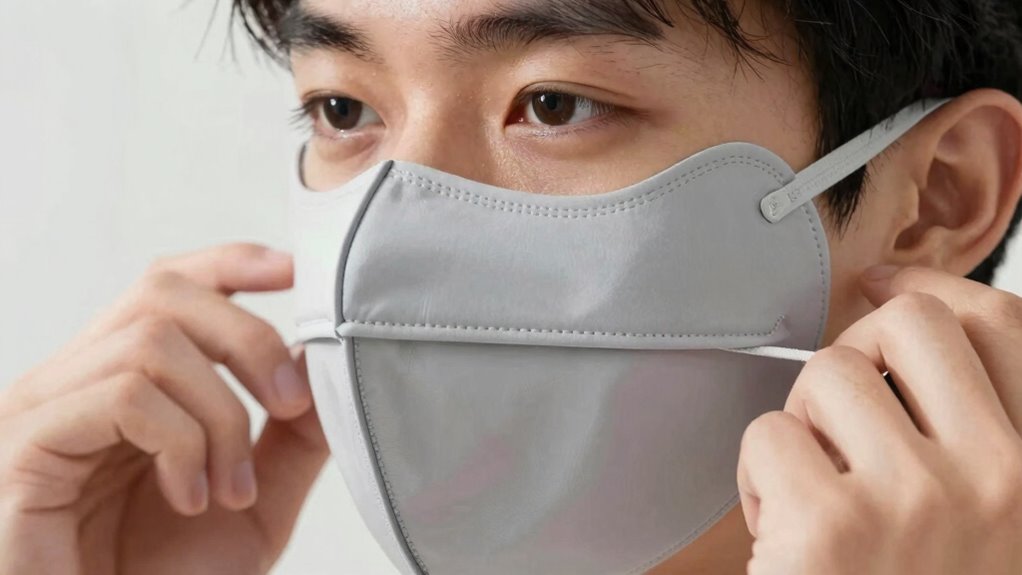
You might think that simply wearing a face mask is enough to protect yourself and others, but the truth is, fit matters more than most people realize. No matter how high-quality your mask is, if it doesn’t fit properly, its effectiveness drops considerably. A well-fitting mask creates a seal around your nose and mouth, preventing air leaks that can allow harmful particles or droplets to bypass the material. Even slight gaps can reduce the mask’s ability to filter out airborne contaminants, making fit an essential factor in your overall protection.
When considering mask material, many focus solely on filtration capabilities, but fit plays an equally important role. A mask made from premium materials like multiple layers of tightly woven fabric or specialized non-woven fibers offers excellent filtration, but if it doesn’t sit snugly on your face, its benefits are compromised. Conversely, a mask with inferior material but a perfect fit might actually perform better in real-world conditions because it minimizes gaps and reduces the chances of unfiltered air entering or escaping.
Breathability factors come into play when you’re trying to balance comfort with protection. Masks that are too thick or made from stiff materials can hinder airflow, making it uncomfortable to wear for extended periods. This discomfort often leads people to adjust or remove their masks, which defeats their purpose. A mask that’s breathable allows you to breathe naturally without feeling suffocated, but it must still provide sufficient filtration and fit tightly enough to be effective. The key is finding a mask that combines good breathability with a secure fit, so you’re more likely to wear it consistently and correctly. Additionally, proper mask fit can help prevent skin irritation and pressure points, increasing comfort during long wear. Ensuring the right fit can also enhance the mask’s ability to reduce air leakage, which is crucial for optimal protection. Recognizing the importance of customizable features like adjustable straps and nose wires can further improve fit and comfort.
As an affiliate, we earn on qualifying purchases.
Frequently Asked Questions
How Often Should I Replace My Face Mask for Optimal Fit?
You should replace your mask every 1 to 3 months for a proper fit, depending on the mask material and how often you wear it. Regular mask maintenance, like washing cloth masks daily and inspecting for wear, helps maintain a snug fit. If your mask becomes stretched, damaged, or no longer fits securely, it’s time for a new one. Proper replacement guarantees effective protection and comfort.
Can Mask Fit Affect Comfort During Extended Wear?
A well-fitting mask improves comfort during extended wear by reducing pressure points and preventing slipping. Comfortable mask material feels soft against your skin while maintaining breathability, and proper ear loop tension ensures the mask stays secure without causing discomfort. When your mask fits well, your ears aren’t strained, and you can breathe easily, making long hours more bearable. Adjusting ear loops and choosing breathable materials can considerably boost your comfort.
Are There Specific Masks Better for Small or Large Faces?
Yes, some masks are better suited for small or large faces. Look for masks with adjustable features to guarantee a proper fit, regardless of your face size. Using fitting techniques like tightening straps or adjusting the nose bridge helps improve comfort and seal. Choosing masks with the right size and proper fit ensures better protection and comfort, making extended wear more manageable and effective for your specific face shape.
How Does Face Shape Influence Mask Fit?
Imagine your face as a unique landscape, where face symmetry and jawline prominence shape how a mask sits. If your face has a balanced symmetry, a well-designed mask contours smoothly, sealing comfortably. For a prominent jawline, a mask with adjustable straps and a snug fit around the chin prevents gaps. Your face shape influences mask fit, making it essential to choose styles that complement your natural contours for maximum protection.
What Are the Signs of a Poorly Fitting Face Mask?
You’ll notice a poorly fitting mask if it constantly slips, leaves gaps around the edges, or if you feel discomfort or difficulty breathing. Check if the mask material feels loose or too tight and whether the mask color clashes with your outfit, which might distract you from proper fit. A good fit guarantees the mask stays in place, covers your nose and mouth snugly, and feels comfortable without pressing too hard against your face.
Conclusion
Remember when I first tried on a mask that kept slipping? It felt like trying to wear a wet sock—it just didn’t stay. That’s the importance of fit. Properly fitting masks aren’t just about comfort; they’re about real protection. Think of your mask as a lock and key—if they don’t fit right, germs can slip through. So, take the time to find your perfect fit, and keep yourself safer every day.
Halloween Picks
halloween
As an affiliate, we earn on qualifying purchases.