
TL;DR

Get wellness gear delivered free with Prime
- Fast, free delivery on millions of items
- Prime Video, Amazon Music and more included
- Member-only deals all year
A Tiny Buddha personal essay identifies five responses to stressful days that the author says can leave people feeling worse: prolonged scrolling, suppressing emotions, treating stress as personal failure, pushing through without rest, and neglecting comforting routines. The article offers alternatives, but it is personal guidance, not a clinical study or evidence that these habits affect everyone the same way.
Tiny Buddha has published a personal essay describing five habits its author says can make an already stressful day harder to recover from, including prolonged social-media scrolling, suppressing emotions and blaming oneself for feeling overwhelmed. The piece recommends quieter, more self-compassionate alternatives, but presents them as the author’s experience rather than findings from a scientific study.
The article describes the author’s five habits as scrolling for long stretches, ignoring or postponing feelings, treating stress as a personal failure, continuing to push through when rest is needed, and failing to make room for comforting activities. The supplied text discusses the first three in detail and argues that distraction or self-criticism may leave the causes of stress unaddressed. Its remaining recommendations center on easing up after a difficult day and choosing restorative routines.
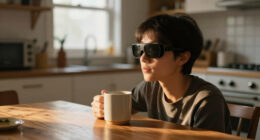
For scrolling, the author suggests taking a break from the phone and spending time with tea, a view of the sunset, an open window, water, a bath or a shower. For emotions, the essay recommends acknowledging a hard day instead of insisting that everything is fine. It also suggests asking what caused the pressure, whether too much has been taken on and whether rest or firmer boundaries are needed.
The advice is grounded in the writer’s personal history. She contrasts a highly orderly childhood home, where she says she was expected to do what was required, with her grandmother’s more relaxed home, where creative and pleasurable activities were part of daily life. The author says that experience shaped her view that home need not extend the day’s demands. The provided source text ends during its discussion of the third habit, so it does not include the complete original treatment of all five.
Small Choices After a Hard Day
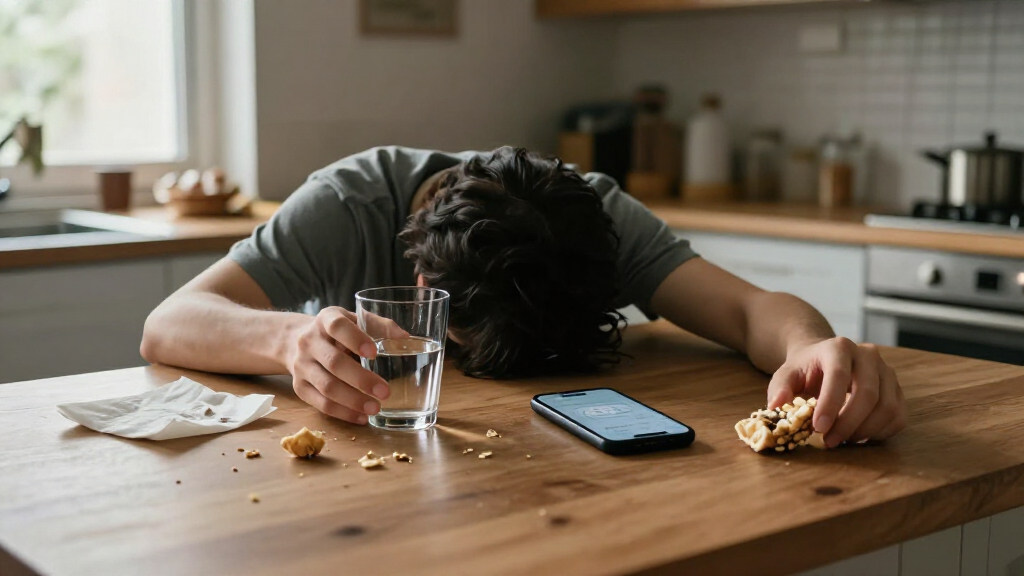
The essay’s practical point is that how people respond after stress can shape whether they get a chance to pause and recover. It draws attention to familiar reactions—reaching for a phone, denying difficult feelings or criticizing oneself—that may feel like ways to get through the evening but can also postpone reflection or rest, according to the author.
That framing may help readers identify patterns without treating them as personal shortcomings. The piece does not establish that the listed habits cause lasting harm, nor does it offer a tested treatment plan. Its suggestions are low-key options, such as taking a few minutes away from screens or naming an emotion, rather than prescriptions that will work for everyone.
relaxing herbal tea for stress relief
As an affiliate, we earn on qualifying purchases.
As an affiliate, we earn on qualifying purchases.
The Essay’s Personal Origins
The article begins with memories of the author’s mother and grandmother. The author characterizes her mother’s home as orderly but emotionally cold, while describing her grandmother’s home as warm, creative and less focused on keeping everything tidy. She says her grandmother’s example taught her the value of balance between obligation and enjoyment.
That account provides the lens for the five habits: the author is not reporting new survey findings or research results, but sharing personal reflections on stressful days and the routines she finds supportive. The source material supplied here gives no publication date, study data or expert interviews, and its excerpt stops before the full article’s discussion is complete.
“Today was hard.”
— Tiny Buddha essay author
What the Source Does Not Establish
The supplied source is incomplete: it ends partway through the section on treating stress as a personal failure. It does not show the full wording or explanations for the fourth and fifth habits, so the complete list and the author’s full supporting discussion cannot be verified from the provided excerpt alone.
The material also gives no publication date and cites no clinical research, surveys or outside specialists. The claims about scrolling, emotional suppression and recovery should therefore be understood as the writer’s perspective, not as established outcomes for every reader. The excerpt does not address when persistent or severe stress may call for professional support.
The Full List and Further Guidance
Readers seeking the author’s complete five-habit list can consult the original Tiny Buddha article. The source supplied for this report does not specify a follow-up, study or other scheduled development. For now, the concrete next steps described in the available text are modest: pause before reaching for a phone, acknowledge how the day felt, and consider whether rest, a boundary or a comforting routine would help.
These are general, non-clinical suggestions rather than a substitute for care. People experiencing ongoing or severe distress may wish to seek advice from a qualified health professional.
Key Questions
What are the five habits named in the article?
The essay identifies prolonged scrolling, ignoring emotions, treating stress as personal failure, pushing through without rest, and neglecting comforting routines. The supplied excerpt gives details for the first three but ends before the full discussion is available.
Does the article present scientific research?
No research, survey results or expert interviews appear in the supplied material. It is a personal essay describing the author’s experiences and suggestions.
What does the author suggest instead of scrolling?
The author suggests taking a short break from screens and trying a quiet activity, such as making tea, watching the sunset, sitting near an open window or taking a bath or shower.
What does the essay recommend for difficult emotions?
It encourages readers to acknowledge the experience—for example, by saying “Today was hard”—and to consider what contributed to the stress instead of automatically blaming themselves.
Is this advice appropriate for everyone?
The piece offers personal, general suggestions, not individualized medical guidance. Responses to stress differ; people dealing with persistent or severe distress can seek support from a qualified professional.
Source: rss
Halloween Picks
halloween
As an affiliate, we earn on qualifying purchases.