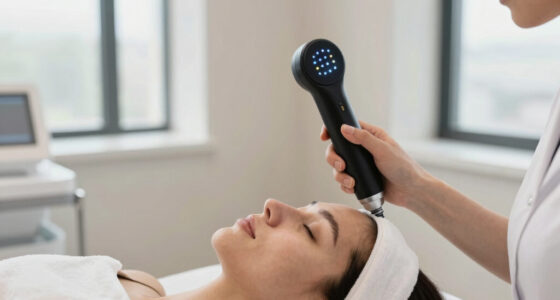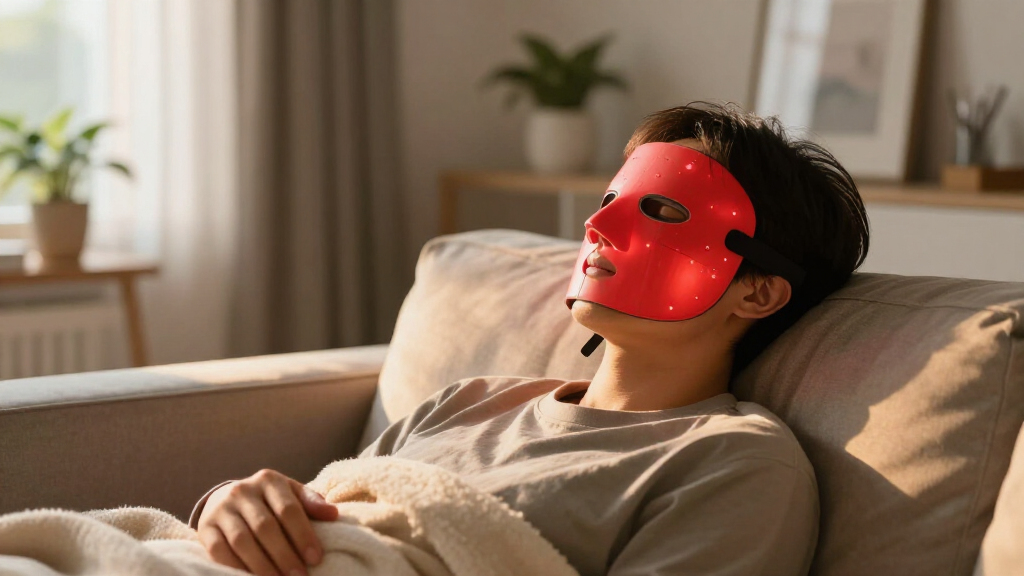

Red light therapy masks have become one of the most popular at-home devices for targeting fine lines, dullness, and acne, but the gap between a $60 Amazon mask and a $400 clinical-grade one is wider than most buyers expect. After comparing 12 leading options, the CurrentBody Series 2 earns the best overall spot for its flexible fit, medically backed wavelengths, and consistent light delivery across the face. The EVFOFO Face & Neck mask stands out for extending treatment to the neck at a mid-range price, while the Wavytalk Glow Time mask is the smart budget pick for anyone testing red light therapy for the first time. The core tradeoff in this category comes down to LED count, irradiance, and neck coverage versus price — cheap masks often skimp on near-infrared output or fit, which limits real results. Read on for the full breakdown of all 12 masks and which one matches your skin concerns, budget, and routine.

Get wellness gear delivered free — and shop member deals
- Fast, free delivery on millions of items
- Access to Prime Big Deal Days deals on October 6–7
- Prime Video, Amazon Music and more included
Key Takeaways
- Masks that combine 630-660nm red light with 850nm near-infrared (like the CurrentBody Series 2 and EVFOFO) consistently outrank single-wavelength masks because near-infrared penetrates deeper for collagen support.
- Neck coverage was a major differentiator: four of the twelve masks include a neck panel, and they dominated the mid-range tier despite costing only slightly more than face-only rivals.
- Budget masks under $80 (the 7 Colors mask, Wavytalk Glow Time) all share a weakness — lower irradiance means slower or subtler results, so they suit maintenance rather than correction.
- Only one mask in the lineup is FDA-cleared for acne (the Blue Light Mask), making it the lone choice for buyers whose primary concern is breakouts rather than anti-aging.
- Cordless designs with remote controls (the 4 Modes Wireless and 2000mAh Remote models) won on convenience but lost points for fit security — a real tradeoff if you plan to move around during 10-15 minute sessions.
| 7 Colors Red Light Therapy LED Facial Mask, Rechargeable |  | Best Budget Starter Pick | LED Beads: 88 | Light Modes: 7 (red, blue, green, yellow, purple, cyan, white) | Battery Life: Up to 2 hours | VIEW LATEST PRICE | See Our Full Breakdown |
| EVFOFO LED Red Light Mask, Face & Neck, 630nm & 850nm NIR, Cordless |  | Best for Face-and-Neck Value | Wavelengths: 630nm red & 850nm NIR | Coverage: Face and neck | Colors: 7 (red, blue, green, plus 4 more) | VIEW LATEST PRICE | See Our Full Breakdown |
| Red Light Therapy Mask for Face & Neck, Wireless LED Face Mask, 4 Modes |  | Best Full-Coverage Design | Light Beads: 680 | Light Modes: Red (630nm), Blue (460nm), Amber (605nm), NIR (850nm) | Battery Capacity: 2000mAh | VIEW LATEST PRICE | See Our Full Breakdown |
| Red Light Therapy Mask for Face and Neck with 468 LEDs |  | Best Premium Feel | LED Count: 468 | Light Spectrum: 7-spectrum + NIR | Irradiance: 108mW/cm² | VIEW LATEST PRICE | See Our Full Breakdown |
| Red Light Therapy Mask for Face & Neck, 850nm NIR & 660nm Red LED, 4 Modes |  | Best for Serious Wavelength Shoppers | Wavelengths: 660nm red, 850nm NIR, 600nm amber, 460nm blue | LED Count: 680 | Light Modes: 4 | VIEW LATEST PRICE | See Our Full Breakdown |
| Wavytalk Red Light Therapy Mask for Face, Glow Time LED Face Mask 850nm NIR |  | Best LED Density | Wavelengths: 415nm, 590nm, 630nm, 850nm | LED Chips: 456 high-purity LEDs | Power Density: 40mW/cm² | VIEW LATEST PRICE | See Our Full Breakdown |
| Red Light Therapy for Face, FDA-Cleared Blue Light Mask for Acne |  | Best for Acne | Wavelengths: 415nm blue, 630nm red, 850nm near-infrared, 590nm amber | LED Chips: 432 | Power Density: 40mW/cm² | VIEW LATEST PRICE | See Our Full Breakdown |
| CurrentBody Red Light Therapy LED Face Mask Series 2 |  | Best Premium Design | LED Bulbs: 236 | Wavelengths: 633nm red, 830nm near-infrared, 1072nm deep near-infrared | Shape: Revamped flexible liquid silicone | VIEW LATEST PRICE | See Our Full Breakdown |
| INIA Red Light Therapy Mask for Face, 850nm NIR, Red/Blue LED 4 Modes | 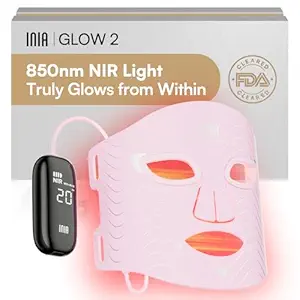 | Best Power Output | Wavelengths: 620nm, 630nm, 460–470nm, 850nm | LED Chips: 220 | Energy Output: 105mW/cm² | VIEW LATEST PRICE | See Our Full Breakdown |
| 850nm NIR Red Light Therapy Mask for Face, Blue LED Light, Rechargeable Battery |  | Best Customization | Wavelengths: 660nm red, 850nm near-infrared | LED Chips: 384 high-intensity LEDs | Battery Capacity: 2600mAh | VIEW LATEST PRICE | See Our Full Breakdown |
| Red Light Therapy for Face, 4 Modes, Wireless 2000mAh Remote |  | Best Travel Pick | Light Modes: 4 (850nm Infrared, 630nm Red, 600nm Amber, 460nm Blue) | LED Configuration: 360 LED beads (90 LEDs) | Battery: 2000mAh rechargeable | VIEW LATEST PRICE | See Our Full Breakdown |
| INIA Red Light Therapy Mask for Face, 850nm NIR, Red/Blue LED Light 4 Modes |  | Best Power Output | Wavelengths: 620nm, 630nm, 460–470nm, 850nm | Modes: 4 customizable modes | LED Chips: 220 | VIEW LATEST PRICE | See Our Full Breakdown |
| red light therapy mask | Wavelengths | Coverage |
|---|---|---|
| 7 Colors Red Light Therapy LED | — | Face only |
| EVFOFO LED Red Light Mask | 630nm red & 850nm NIR | Face and neck |
| Red Light Therapy Mask for Fac | — | Face, neck, and chest |
| Red Light Therapy Mask for Fac | — | Face, neck, and chest |
| Red Light Therapy Mask for Fac | 660nm red, 850nm NIR, 600nm amber, 460nm blue | Face, neck, and upper chest |
| Wavytalk Red Light Therapy Mas | 415nm, 590nm, 630nm, 850nm | — |
| Red Light Therapy for Face | 415nm blue, 630nm red, 850nm near-infrared, 590nm amber | Full face including jawline and nasolabial folds |
| CurrentBody Red Light Therapy | 633nm red, 830nm near-infrared, 1072nm deep near-infrared | — |
| INIA Red Light Therapy Mask fo | 620nm, 630nm, 460–470nm, 850nm | — |
| 850nm NIR Red Light Therapy Ma | 660nm red, 850nm near-infrared | — |
| Red Light Therapy for Face | — | — |
| INIA Red Light Therapy Mask fo | 620nm, 630nm, 460–470nm, 850nm | — |
More Details on Our Top Picks
7 Colors Red Light Therapy LED Facial Mask, Rechargeable
Shoppers dipping a toe into light therapy for the first time will appreciate how little commitment this mask demands. The seven color modes let you experiment with red for texture, blue for blemishes, and green for tone without paying a premium for wavelengths you may never use. Compared with the EVFOFO Face & Neck mask, coverage stops at the face, but that also keeps it lighter and cheaper — a fair trade for beginners who haven’t decided whether light therapy belongs in their routine. The 88 bead count is the lowest in this lineup, so light density is modest, and results depend on patient daily 10-15 minute sessions rather than intensive output.
Pros:- Seven color modes for experimenting with different skin concerns
- Rechargeable and lightweight enough for travel
- Gentle, non-thermal LEDs safe for daily sessions
- Adjustable headband fits most face shapes comfortably
Cons:- Lowest LED density in the roundup at 88 beads
- Face-only coverage with no neck or chest panel
Best for: First-time buyers who want to try multi-color light therapy without a big upfront spend
Not ideal for: Anyone wanting neck and chest coverage or clinic-level light density — this is face-only with the fewest LEDs here
- LED Beads:88
- Light Modes:7 (red, blue, green, yellow, purple, cyan, white)
- Battery Life:Up to 2 hours
- Power per Bead:≤5mW
- Material:Silicone padding
- Coverage:Face only
Our verdict“A low-risk entry point for curious beginners, as long as you accept modest light output and face-only coverage.”
EVFOFO LED Red Light Mask, Face & Neck, 630nm & 850nm NIR, Cordless
This option stands out for pairing dual 630nm and 850nm near-infrared wavelengths with neck coverage at a mid-range price — a combination the budget 7 Colors mask simply can’t match, since near-infrared is the wavelength most associated with deeper skin support. The 10-minute auto-shutoff removes the guesswork that cheaper timers leave you managing manually, which makes it easier to stay consistent three to four times a week. The tradeoff is a wired remote control that dangles during sessions and only splash-level water resistance, so cleaning demands more care than the fully silicone designs elsewhere in this guide.
Pros:- Both 630nm red and 850nm near-infrared wavelengths
- Extends treatment coverage from face to neck
- Cordless, USB-C rechargeable design
- 10-minute auto-shutoff keeps sessions consistent
Cons:- Wired remote is awkward during use
- Only splash-resistant, so cleaning requires care
Best for: Buyers who want clinically relevant red and near-infrared wavelengths plus neck coverage without paying premium prices
Not ideal for: People who hate dangling accessories — the wired remote and careful-cleaning requirement make it less streamlined than fully wireless rivals
- Wavelengths:630nm red & 850nm NIR
- Coverage:Face and neck
- Colors:7 (red, blue, green, plus 4 more)
- Material:Ultra-soft silicone
- Power Source:USB-C rechargeable
- Runtime:90 minutes
- Auto-Shutoff:10 minutes
- Water Resistance:Splash-resistant
Our verdict“The most sensible middle ground if near-infrared wavelengths and neck coverage matter more to you than a fully seamless design.”
Red Light Therapy Mask for Face & Neck, Wireless LED Face Mask, 4 Modes
With 680 light beads spread across the face, neck, and chest, this mask offers the most expansive treatment area of the batch — a step beyond the EVFOFO, which stops at the neck. The flexible timer options from 10 to 30 minutes give you finer control over session length than fixed-timer rivals, useful if you prefer longer weekend sessions. Four modes cover the essentials: red, blue, amber, and near-infrared. Compared with the 468-LED Face and Neck mask later in this list, the bead count is higher but the spectrum count is lower, so it favors raw coverage over color variety. The 2000mAh battery means regular charging is part of the routine.
Pros:- 680 LEDs covering face, neck, and chest
- Four useful modes including near-infrared
- Adjustable 10-30 minute timer range
- Soft, skin-friendly silicone that flexes to your shape
Cons:- Battery needs frequent recharging with multi-zone sessions
- Output may fall short for advanced skincare needs
Best for: Buyers prioritizing maximum treatment area — face, neck, and décolletage — in one session
Not ideal for: Anyone with advanced or stubborn skin concerns expecting professional-grade results from a consumer device
- Light Beads:680
- Light Modes:Red (630nm), Blue (460nm), Amber (605nm), NIR (850nm)
- Battery Capacity:2000mAh
- Charging:Type-C
- Usage Time:120 mins/week
- Timer Options:10, 15, 20, 25, 30 minutes
- Coverage:Face, neck, and chest
Our verdict“The pick for people who refuse to neglect their neck and chest, provided they treat it as a maintenance tool rather than a corrective one.”
Red Light Therapy Mask for Face and Neck with 468 LEDs
This mask is better suited to buyers who want the experience to feel polished, not just functional. The light-blocking eye shield is the standout detail no other mask in this batch matches — it lets you actually relax or watch something during a session instead of squinting. Its 7-spectrum system with near-infrared offers more color variety than the 4-mode 680-bead mask, trading some raw LED count for spectral range. At roughly 270 grams, it sits comfortably for longer sessions, and the adjustable straps keep pressure even. The honest caveat: like every consumer mask here, visible results demand multiple sessions weekly for weeks, and severe skin issues still belong with a dermatologist.
Pros:- Light-blocking eye shield for comfortable, glare-free sessions
- 7-spectrum output plus near-infrared
- Covers face, neck, and chest with high-density diffusion
- Balanced ~270g weight with adjustable straps
Cons:- Higher price than similarly specced rivals
- Results require consistent multi-week use
Best for: Buyers willing to pay more for comfort details like an eye shield and the broadest spectrum range
Not ideal for: People hoping to treat serious skin conditions — this is a rejuvenation and maintenance device, not a medical one
- LED Count:468
- Light Spectrum:7-spectrum + NIR
- Irradiance:108mW/cm²
- Weight:~270g
- Material:Soft silicone
- Coverage:Face, neck, and chest
- Features:Adjustable straps, light-blocking eye shield, rechargeable
Our verdict“The most comfortable, feature-complete experience in this batch for buyers who value the details as much as the output.”
Red Light Therapy Mask for Face & Neck, 850nm NIR & 660nm Red LED, 4 Modes
This model makes the most sense for buyers who care about specific wavelengths rather than color counts. Its 660nm red and 850nm near-infrared pairing sits closer to the ranges used in clinical research than the broader 7-color systems on the 7 Colors or EVFOFO masks. With 680 LEDs matching the full-coverage mask and the same 10-30 minute timer flexibility, it holds its own on hardware. The catch is comfort: the silicone has drawn complaints from sensitive-skin users, and the manual genuinely needs reading before your first session to pair modes correctly. Long-term efficacy data is thin, as it is across this entire category.
Pros:- Research-aligned 660nm red and 850nm near-infrared wavelengths
- 680 LEDs with face, neck, and chest coverage
- Adjustable 10-30 minute timers
- Fully wireless with adjustable straps
Cons:- Reported discomfort for sensitive skin
- Setup requires actually reading the manual
- Little long-term efficacy information available
Best for: Skincare enthusiasts who research wavelengths and want clinically adjacent 660nm/850nm output
Not ideal for: Sensitive-skin users or those who dislike reading instructions — comfort and setup are weaker points here
- Wavelengths:660nm red, 850nm NIR, 600nm amber, 460nm blue
- LED Count:680
- Light Modes:4
- Battery:2000mAh rechargeable
- Timer Options:10, 15, 20, 25, 30 minutes
- Coverage:Face, neck, and upper chest
- Design:Silicone, wireless, adjustable straps
Our verdict“A strong choice for spec-driven buyers chasing the right wavelengths, provided your skin tolerates the silicone and you don’t mind a learning curve.”
Wavytalk Red Light Therapy Mask for Face, Glow Time LED Face Mask 850nm NIR
456 LEDs is the standout number here — the highest chip count in this batch by a wide margin. More diodes translate into more even light distribution across the face, which matters because shadowed zones are where treatment results tend to falter. The four-wavelength system (blue, amber, red, near-infrared) covers acne, dullness, and fine lines in one device, putting it ahead of the dual-wavelength 850nm NIR mask below it on versatility. The tradeoff is logistics: no charger included, and the 2500mAh battery means planning sessions around recharges. Compared with the CurrentBody Series 2, which uses fewer but arguably more refined wavelengths, this mask bets on quantity of coverage rather than precision engineering — a reasonable bet if full-face consistency is the priority.
Pros:- Highest LED count in this batch for even full-face coverage
- Four wavelengths address acne, wrinkles, and radiance together
- Clinically backed 28-day improvement timeline
- Adjustable fit allows movement during sessions
Cons:- Charger and battery accessories not included
- Demands 3–5 weekly sessions to maintain results
Best for: Buyers who want maximum light coverage and multi-concern treatment (acne plus aging plus dullness) in a single device
Not ideal for: Anyone who wants a complete out-of-box package — you’ll need to supply your own USB-C charger before the first session
- Wavelengths:415nm, 590nm, 630nm, 850nm
- LED Chips:456 high-purity LEDs
- Power Density:40mW/cm²
- Battery:2500mAh
- Charging:USB-C, 5V/1A (charger not included)
- Recommended Frequency:3–5 times weekly
Our verdict“Pick this if you want the densest light coverage available for treating multiple skin concerns at once, and don’t mind sourcing a charger.”
Red Light Therapy for Face, FDA-Cleared Blue Light Mask for Acne
FDA clearance is the differentiator here — most masks in this roundup make no regulatory claims at all, and for acne sufferers that clearance signals the blue-light therapy has been reviewed for its intended purpose. The three targeted modes let you focus on breakouts, fine lines, or general renewal rather than committing to a fixed protocol, and the medical-grade silicone build sits more comfortably against breakout-prone skin than rigid plastic designs. While the Wavytalk mask offers a similar wavelength spread and more LEDs, this option’s regulatory status makes it the safer choice when acne is the primary concern. The honest caveat: results vary person to person, and the fit won’t suit every face shape — worth checking return policies before committing.
Pros:- FDA-cleared for at-home acne and wrinkle treatment
- Medical-grade silicone conforms to the face for even exposure
- Three modes let you shift strategy as skin changes
- Travel storage bag included
Cons:- Fit may be uncomfortable for some face shapes
- Weeks of consistent use needed before improvements show
Best for: Acne-focused buyers who want an FDA-cleared device rather than an unregulated wellness gadget
Not ideal for: People with uncommon face shapes or those expecting fast results — visible improvement takes weeks of consistent sessions
- Wavelengths:415nm blue, 630nm red, 850nm near-infrared, 590nm amber
- LED Chips:432
- Power Density:40mW/cm²
- Coverage:Full face including jawline and nasolabial folds
- Material:Medical-grade silicone
- Session Duration:10, 15, or 20 minutes
- Frequency:3–5 times weekly
Our verdict“If acne is your main battle and regulatory oversight matters to you, this is the clear pick over unregulated alternatives.”
CurrentBody Red Light Therapy LED Face Mask Series 2
This is the engineering-first option of the group. With only 236 LEDs, it trails the Wavytalk’s 456 on paper — but the wavelength strategy is more deliberate: 633nm red, 830nm near-infrared, and a deeper 1072nm that no other mask in this batch offers. That deepest wavelength penetrates furthest, targeting collagen production below the surface where surface-level red light can’t reach. The flexible liquid silicone construction wraps facial contours more closely than rigid masks, reducing light leakage at the edges. The tradeoffs are real: fewer treatment modes than the 7-mode 850nm NIR mask, fewer diodes than similarly priced competitors, and the contraindication list deserves a genuine read before purchasing. This pick makes the most sense for buyers prioritizing anti-aging results and build quality over feature count.
Pros:- Unique 1072nm deep near-infrared wavelength for deeper penetration
- Flexible liquid silicone fits facial contours closely
- Focused anti-aging formula proven to boost collagen
- Premium build quality with even light delivery
Cons:- No blue or amber light for acne or pigmentation concerns
- Lower LED count than cheaper rivals in this roundup
Best for: Anti-aging focused buyers who value refined engineering and deeper light penetration over feature quantity
Not ideal for: Budget shoppers or anyone wanting blue light for acne — this mask skips acne-targeting wavelengths entirely
- LED Bulbs:236
- Wavelengths:633nm red, 830nm near-infrared, 1072nm deep near-infrared
- Shape:Revamped flexible liquid silicone
- Target Concerns:Fine lines, wrinkles, redness, brightness
Our verdict“The thinking buyer’s anti-aging mask — fewer features, but smarter light science than anything else here.”
INIA Red Light Therapy Mask for Face, 850nm NIR, Red/Blue LED 4 Modes
105mW/cm² of energy output is the number that separates the INIA from everything else in this roundup — the Wavytalk and the FDA-cleared acne mask both deliver 40mW/cm². Higher power density means more light energy reaching the skin per session, which can shorten the path to visible results, though the science still favors consistency over intensity. The four customizable modes and 10/20/30-minute timer options give real protocol flexibility, and the 2600mAh controller battery outlasts most rivals. With only 220 LEDs, coverage is lighter than the 384-chip 850nm NIR mask, so it trades even distribution for raw output. This model is better suited to buyers who’ve already tried a basic mask and want a stronger, more tunable step up — not beginners who just want a simple daily routine.
Pros:- Highest power density in this roundup at 105mW/cm²
- Four customizable modes for tailored treatments
- Long 30-minute timer option for extended sessions
- 2600mAh battery supports multiple sessions per charge
Cons:- Only 220 LEDs means less even coverage than rivals
- Usage recommendations (3–7 times weekly) leave protocol decisions to you
Best for: Experienced users upgrading from a basic mask who want higher energy output and granular session control
Not ideal for: First-time buyers or anyone with severe skin conditions — the intensity and mode options add complexity a beginner doesn’t need
- Wavelengths:620nm, 630nm, 460–470nm, 850nm
- LED Chips:220
- Energy Output:105mW/cm²
- Battery Capacity:2600mAh
- Timer Options:10, 20, 30 minutes
- Modes:4 customizable light modes
Our verdict“The power user’s mask — maximum energy output and session control, at the cost of simplicity and LED density.”
850nm NIR Red Light Therapy Mask for Face, Blue LED Light, Rechargeable Battery
Seven light modes and five brightness levels make this the most adjustable mask in the batch — a direct contrast to the CurrentBody Series 2, which deliberately limits options in favor of a single proven protocol. If you like tuning a device to your skin’s changing needs, the 5–20 minute adjustable treatment window plus 384 LEDs deliver both flexibility and solid coverage. The 2600mAh battery with dual charge ports is practical for travel, though the device won’t run while charging, so sessions must be planned around battery life. Compared with the INIA, you get more LEDs and more modes but lower per-diode intensity. The honest downside: with seven modes and five brightness settings, some users will spend more time fiddling than treating — complexity isn’t a virtue for everyone.
Pros:- 7 modes and 5 brightness levels for personalized treatment
- 384 LEDs provide strong full-face coverage
- Dual charge ports and 2600mAh battery for portability
- Adjustable 5–20 minute sessions fit busy schedules
Cons:- Cannot be used while charging
- Mode and brightness menus may overwhelm users who want simplicity
Best for: Tinkerers who want granular control over mode, brightness, and session length with strong LED coverage
Not ideal for: Set-and-forget users who find multi-mode menus frustrating rather than useful
- Wavelengths:660nm red, 850nm near-infrared
- LED Chips:384 high-intensity LEDs
- Battery Capacity:2600mAh
- Light Modes:7
- Brightness Levels:5
- Treatment Time:5–20 minutes adjustable
- Charging:Double charge ports (no use while charging)
Our verdict“Choose this for unmatched adjustability at a mid-tier LED count — but only if you’ll actually use all those settings.”
Red Light Therapy for Face, 4 Modes, Wireless 2000mAh Remote
This mask earns its spot as the most travel-friendly option in the lineup. Where the EVFOFO Face & Neck mask trades portability for extended coverage, this model keeps things compact with soft silicone, an adjustable strap, and light-blocking eye covers that fold down into a bag-friendly package. The four-wavelength system — 850nm infrared, 630nm red, 600nm amber, and 460nm blue — is broader than most budget picks, and the amber channel is a genuine differentiator for anyone targeting dullness rather than just acne or fine lines.
The tradeoff is the 2000mAh battery, which is smaller than the INIA’s 2600mAh cell, meaning more frequent recharges if you’re running longer 30-minute sessions. The wireless remote is convenient, but with only 90 physical LEDs, treatment density falls short of the 468-LED face-and-neck mask. This pick makes the most sense for frequent travelers who want flexibility over raw power.
Pros:- Genuinely portable soft silicone design that packs flat for travel
- Four distinct wavelengths including amber, which most competing masks omit
- Wireless remote with 3 intensity levels and 5 timer presets for hands-free sessions
- Light-blocking eye covers add comfort during longer treatments
Cons:- Smaller 2000mAh battery means shorter total runtime than the INIA’s 2600mAh cell
- Only 90 physical LEDs, so light density is lower than higher-count masks in this roundup
- No clear guidance on skin type suitability, which leaves sensitive-skin buyers guessing
Best for: Frequent travelers and commuters who want a lightweight, cordless mask that fits in a carry-on without sacrificing wavelength variety
Not ideal for: Buyers chasing maximum light density or full-face-plus-neck coverage — the 90-LED count and facial-only design lag behind larger rivals
- Light Modes:4 (850nm Infrared, 630nm Red, 600nm Amber, 460nm Blue)
- LED Configuration:360 LED beads (90 LEDs)
- Battery:2000mAh rechargeable
- Intensity Levels:3
- Timer Settings:10, 15, 20, 25, 30 minutes
- Design:Soft silicone, adjustable strap, light-blocking eye covers
- Operation:Wireless remote, hands-free
Our verdict“A smart choice for anyone whose priority is a mask that travels as hard as they do, provided they accept modest LED density in exchange.”
INIA Red Light Therapy Mask for Face, 850nm NIR, Red/Blue LED Light 4 Modes
The INIA’s claim to fame here is energy delivery: at 105mW/cm², it outpaces the typical sub-50mW output of budget masks like the 7 Colors LED Facial Mask, which translates into shorter effective sessions and better penetration from the 850nm near-infrared channel. Compared with the travel-focused 4-Mode wireless mask above, the INIA’s 2600mAh battery supports longer treatment cycles, and its 220 LED chips push more therapeutic light per session despite having fewer beads on paper.
Where it falls short is patience and scope. Like nearly every LED mask, visible results take weeks of consistent use, and this is not a substitute for clinical treatment of severe acne or deep scarring — the FDA-cleared blue light mask is the better regulatory-backed route for acne-specific concerns. This option stands out for buyers who treat light therapy as a long-term routine and want the strongest at-home output their money can buy.
Pros:- High 105mW/cm² energy output that beats most masks in this price bracket
- Full wavelength stack covering red, blue, and 850nm near-infrared for layered benefits
- Large 2600mAh battery comfortably supports back-to-back sessions
- Automatic timer keeps sessions consistent without babysitting the device
Cons:- Results require multi-week consistency, which many casual users abandon
- Limited efficacy for severe acne or advanced skin damage compared with clinical options
- Pricing is not transparently listed, making value comparisons difficult
Best for: Committed skincare enthusiasts who already follow a daily routine and want maximum light energy for collagen and elasticity work
Not ideal for: Anyone expecting fast results or treating severe skin conditions — this mask rewards weeks of consistency and can’t replace clinical intervention
- Wavelengths:620nm, 630nm, 460–470nm, 850nm
- Modes:4 customizable modes
- LED Chips:220
- Energy Output:105mW/cm²
- Battery Capacity:2600mAh rechargeable
- Timer Options:10, 20, 30 minutes
- Treatment Type:Non-invasive at-home use
Our verdict“The strongest energy output in this lineup for disciplined users who will stick with a nightly routine long enough to see real change.”
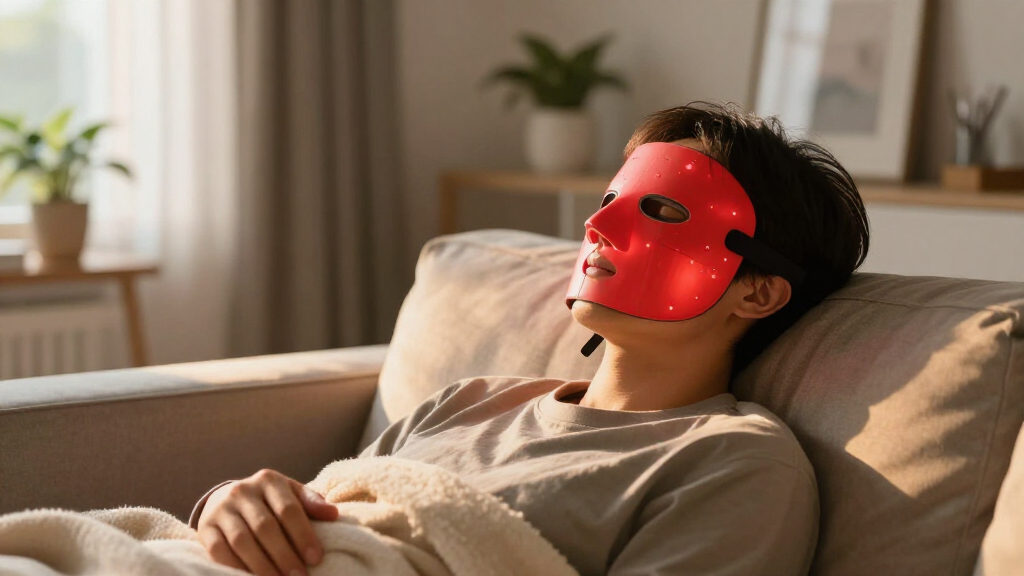
How We Picked
I ranked these masks on four factors that actually move results: wavelength configuration (whether the mask delivers both red light around 630-660nm and near-infrared at 850nm, the combination most studied for skin benefits), coverage and fit (face-only versus face-plus-neck, rigid versus flexible construction), and session practicality (cordless operation, session timers, comfort during a 10-15 minute treatment). Because prices in this category range from under $60 to over $400, I weighted value heavily — a mask earns a high rank only if its performance justifies its price relative to the rest of the lineup, not in a vacuum.
The ranking logic follows a simple pattern: clinical credibility and consistent light delivery put the CurrentBody Series 2 on top, dual-wavelength plus neck coverage anchored the mid-tier picks, and convenience-focused budget masks filled the lower slots where lower irradiance and thinner LED arrays limit results. Duplicated or near-identical models, like the two INIA masks, were compared head-to-head so only the better configuration earns a strong placement. Where a mask excels at one specific job — acne, portability, beginner-friendly simplicity — I flagged it for that buyer type rather than punishing it for not doing everything.
| red light therapy mask | Coverage |
|---|---|
| 7 Colors Red Light Therapy LED | Face only |
| EVFOFO LED Red Light Mask | Face and neck |
| Red Light Therapy Mask for Fac | Face, neck, and chest |
| Red Light Therapy Mask for Fac | Face, neck, and chest |
| Red Light Therapy Mask for Fac | Face, neck, and upper chest |
| Wavytalk Red Light Therapy Mas | — |
| Red Light Therapy for Face | Full face including jawline and nasolabial folds |
| CurrentBody Red Light Therapy | — |
| INIA Red Light Therapy Mask fo | — |
| 850nm NIR Red Light Therapy Ma | — |
| Red Light Therapy for Face | — |
| INIA Red Light Therapy Mask fo | — |
Factors to Consider When Choosing Red Light Therapy Masks
Before settling on a mask, it helps to understand what actually drives results in red light therapy — and where marketing language obscures the truth. These are the factors I weighed most heavily, and the ones most buyers get wrong on their first purchase.Wavelengths: The Spec That Determines Everything
The single most important number on the box is the wavelength in nanometers, yet many listings bury it under colorful mode counts. Red light around 630-660nm works on surface-level concerns like tone and texture, while 850nm near-infrared penetrates deeper to support collagen production where wrinkles actually form. A mask advertising “7 colors” is often splitting the same limited LED budget across colors you will never use — blue for acne aside, most dermatologist-recommended protocols use only red and near-infrared. When comparing two similarly priced masks, the one with two well-chosen wavelengths will almost always outperform the one with seven diluted ones. Buyers chasing anti-aging results should treat 850nm near-infrared as non-negotiable.
LED Count vs. Irradiance: The Marketing Trap
A high LED count (like the 468-LED mask in this lineup) sounds impressive, but LED quantity only matters when paired with adequate power delivery. Irradiance — the actual energy reaching your skin — determines whether a 10-minute session does anything, and cheaper masks often run dim LEDs to extend battery life, quietly undermining results. The honest takeaway: a flexible mask with fewer, well-driven LEDs can outperform a rigid mask packed with weak ones. If a listing does not mention power output or clinical testing at all, assume the manufacturer is leaning on the LED count as a distraction. This is the most common mistake I see first-time buyers make, and it explains why the pricier clinical-style masks keep winning comparisons despite looking nearly identical on paper.
Face-Only or Face-and-Neck Coverage
Most budget masks cover only the face, which is fine if your concerns stop at your cheeks — but the neck is usually where aging shows first and where treatment is hardest to replicate with a handheld device. Face-and-neck masks cost roughly $20-60 more than comparable face-only models, which is far cheaper than buying a separate neck device later. The tradeoff is bulk: combined masks tend to be heavier, harder to store, and sometimes awkward to wear while upright. If you already use serums and sunscreen diligently on your neck (most people do not), the extended coverage matters less. For everyone else, I lean toward combined coverage as the better long-term purchase.
Cordless Convenience Has Real Costs
Cordless, remote-controlled masks let you fold laundry or walk around during a session, which sounds trivial until you realize consistency — not intensity — is what makes light therapy work. Sessions you skip because you are tethered to an outlet produce zero results. That said, battery-powered masks introduce two weaknesses: batteries degrade over a few years, and lighter housings sometimes sacrifice LED density or secure fit. Corded models like the CurrentBody deliver steadier power and consistent output across every session. My rule: choose cordless if your schedule is unpredictable, corded if you can commit to a fixed daily ritual.
Rigid Shells Versus Flexible Silicone
Fit quality directly affects results because LEDs only treat skin they sit near. Flexible silicone masks hug facial contours and keep diodes at a consistent distance, while rigid plastic shells leave gaps over the nose, temples, and jawline — areas that then receive weaker or no light. Rigid masks are easier to clean and less prone to tearing, but silicone wins on treatment consistency. Heavier rigid designs can also cause fatigue during longer sessions, making you less likely to finish them. If deep wrinkles around the eyes or mouth are your priority, flexibility should rank above almost every other spec.
Regulatory Clearance and Realistic Expectations
Only a handful of at-home masks carry FDA clearance for specific claims like acne treatment, and that clearance signals the manufacturer invested in actual clinical validation rather than borrowing studies about light therapy in general. Without it, you are relying on category-level science, which is reasonably strong for red light but says nothing about that specific mask’s output. Manage expectations accordingly: light therapy produces gradual change over 8-12 weeks of consistent use, not overnight transformation. Any product promising instant results is overselling. Budget for the long game — a mask you abandon after two weeks is the most expensive purchase of all, regardless of price.
Frequently Asked Questions
Is an expensive mask like the CurrentBody actually better than a $70 Amazon mask?
In most cases, yes — but not always by the margin the price suggests. Premium masks justify their cost through consistent irradiance across the entire panel, flexible silicone that keeps LEDs close to the skin, and documented clinical testing, all of which compound over weeks of use. Budget masks can deliver genuine results for surface concerns like dullness, but their lower power output means changes arrive slower and plateau earlier. The practical question is your commitment level: someone unsure they will stick with daily sessions should start cheap, while a buyer ready for a consistent 10-minute routine gets more from the premium option. Skipping the cheap experiment entirely is reasonable if you already know your skin responds to light therapy.
Do the extra colors on a 7-color mask do anything?
Mostly no, with one exception. Red (630-660nm) and near-infrared (850nm) carry the strongest evidence for skin rejuvenation, while blue light has real support for mild-to-moderate acne, which is why the FDA-cleared acne mask in this roundup leans on it. Colors like green, purple, and yellow have thin or contradictory evidence, and dividing an LED budget across seven colors dilutes the wavelengths you actually want. If a 7-color mask costs the same as a dual-wavelength model, the dual-wavelength version is nearly always the smarter buy. The color modes only make sense if acne is genuinely part of your concern set.
How long until I see results from a red light therapy mask?
Realistic timelines run 8 to 12 weeks of near-daily use for visible changes in fine lines and skin tone, with some users reporting improved glow within 3-4 weeks. Collagen remodeling is a slow biological process, and light therapy accelerates it modestly rather than dramatically. Mask quality shifts the timeline somewhat — higher irradiance devices like the CurrentBody tend to produce noticeable change a few weeks sooner than budget models — but no at-home mask delivers overnight results. Acne responds on a different schedule, often showing improvement within 2-4 weeks with blue light. The buyers who see nothing are almost always the ones who quit in week three, so pick a mask whose session routine you can genuinely sustain.
Is neck coverage worth paying extra for?
For most buyers over 30, yes. The neck shows photodamage and crepiness earlier than the face, receives less daily sunscreen, and is awkward to treat with handheld panels. A face-and-neck mask like the EVFOFO typically costs only $20-60 more than a comparable face-only model, which is dramatically cheaper than adding a standalone neck device later at $150-plus. The honest tradeoff is weight and storage — combined masks are bulkier and slightly less comfortable for reclining sessions. If you are under 30 and focused purely on acne or prevention, face-only coverage is a reasonable way to save. Everyone else should treat neck coverage as a long-term value feature rather than an upsell.
Can I use a red light mask with retinol or vitamin C in my routine?
Generally yes, and the combination is common — but sequencing matters. Red light therapy is non-ablative, meaning it does not damage the skin barrier, so it layers safely with most actives. Apply serums and actives after your light session rather than before, since some ingredients (especially oils and thick moisturizers) can scatter light and reduce the energy reaching your skin. Retinol users often find red light reduces the irritation and dryness associated with retinization, making the two surprisingly complementary. One caution: photosensitizing ingredients and medications warrant a quick check with a dermatologist before starting any light-based device. Otherwise, the routine is straightforward — clean, dry skin for the session, then your full skincare routine afterward.
Conclusion
The right mask depends less on price and more on matching the device to your skin goal and daily routine. For the best overall choice, the CurrentBody Series 2 remains the pick — its flexible fit, dual-wavelength output, and clinical pedigree give it the most reliable path to visible anti-aging results. The EVFOFO Face & Neck mask takes the best value spot, delivering dual wavelengths plus neck coverage at a fraction of the CurrentBody price. For beginners hesitant to invest heavily, the Wavytalk Glow Time mask offers a low-risk entry point to test whether light therapy fits your routine before committing more money.
For specific needs: acne sufferers should go straight to the FDA-cleared blue light mask, as no other option in this roundup is validated for breakouts. Buyers who want maximum light density for faster results should look at the 468-LED mask, while anyone with an unpredictable schedule benefits from the cordless models with remote controls, accepting some fit compromises in exchange for consistency. Whatever you choose, the deciding factor is honest self-assessment: the best mask on this list is the one you will actually use five times a week for three months straight.
Fall Picks
fall essentials
As an affiliate, we earn on qualifying purchases.